Optic Glioma (Optic Glioma): Symptoms, Diagnosis, and Treatment

Optic glioma is a primary tumor lesion of the visual pathways.

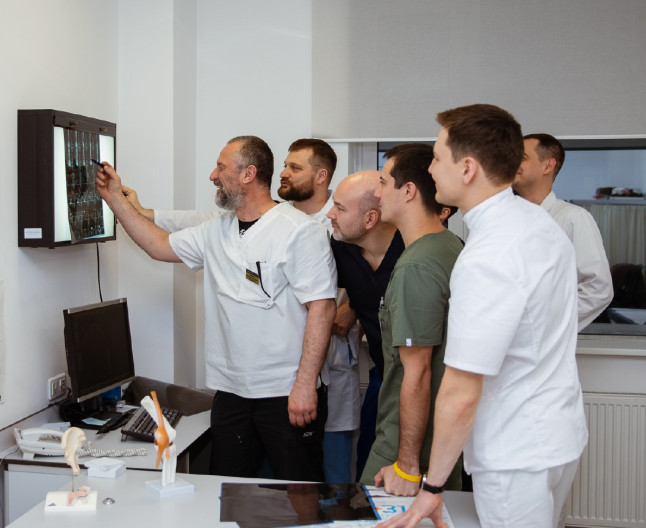
Accurate diagnosis of optic nerve glioma in its early stages is crucial, as timely treatment allows for the preservation of vision and prevention of its spread. Our team of specialists at K31 Clinic takes a comprehensive approach to managing these patients, combining the efforts of experts from various fields to choose the most effective treatment.

Best specialists
Best
specialists
Expert equipment
Expert
equipment
Advanced diagnostic treatment
Advanced diagnostic
treatment
Download the application “Personal Account K+31”
Everything about your health in one click!
Subscribe to social networks K+31
To keep up to date with current offers and receive useful advice about your health.

What is optic nerve glioma?

Anatomically, this pathology is formed by glial cells, which normally provide support and protection for nerve fibers. When these cells begin to divide uncontrollably, a tumor of the optic nerve develops, gradually increasing the thickness of the optic nerve stem and potentially compressing adjacent tissue. In most cases, this tumor is benign and grows relatively slowly.

Glioma, Optic Glioma, and Optic Pathway Tumor: What's the Difference?

Similar terms are found in medical texts: optic glioma and optic pathway tumor. The doctor clarifies these terms based on tomography data, as the tumor's location influences the prognosis and monitoring strategy.

Optical glioma is a broader term. In our practice, we always carefully distinguish between these concepts based on tomography data, since precise identification of the anatomical zone determines the prognosis.

Why is it important not to confuse the diagnosis with other eye and orbital diseases?

In the early stages, the tumor may resemble other conditions: myopia, inflammation of the optic nerve, cysts, or vascular changes in the orbit.

What is optic nerve glioma?

Symptoms of optic nerve glioma

The clinical picture of this disease consists of a combination of ophthalmologic disturbances and neurological symptoms, with manifestations depending on the direction of the nodule's growth.

Early signs that are often overlooked

At the very beginning of the disease, the patient may only notice intermittent blurred vision or a slight change in color perception. These symptoms of optic nerve glioma are often ignored, as people attribute them to normal fatigue after working at a computer or general exhaustion.

Characteristics of symptoms in children

Parents may suspect a problem based on indirect signs, including sudden strabismus or pendular eye movements. Often, optic nerve glioma in children manifests itself in the child starting to bring toys too close to their face or losing the ability to recognize familiar people from a distance.

When vision loss requires urgent consultation

Don't delay seeing a doctor if the following symptoms occur:

  • Rapid vision loss
  • Vision loss in both eyes at once
  • Persistent narrowing of the visual field
  • Difficulty perceiving objects located to the side
  • The appearance of areas that fall outside the visual field

Causes and risk factors

The etiology of this neoplasm's formation has not been fully studied, but modern science has identified clear patterns between tumor occurrence and the body's genetic characteristics.

The Role of Neurofibromatosis Type 1

The most significant and proven risk factor is the presence of a specific genetic disorder affecting the skin and nervous system.

Why is the disease most often diagnosed in childhood?

Glial cells are most active in early childhood, which is why the peak age for detection of the defect occurs. Optic nerve glioma in children is often detected during routine examinations before entering kindergarten or school, when doctors observe objective changes.

What else can influence the course of the disease?

The growth pattern of the tumor node can be influenced by general hormonal changes in the body that occur during periods of active growth in the child. Also important are the state of local blood circulation in the orbital area and the overall stability of the immune system, which should normally inhibit the growth of abnormal cells.

General information

How we confirm the diagnosis

At the K+31 Clinic, we tailor our examination tactics to fully clarify the clinical situation in a short period of time.

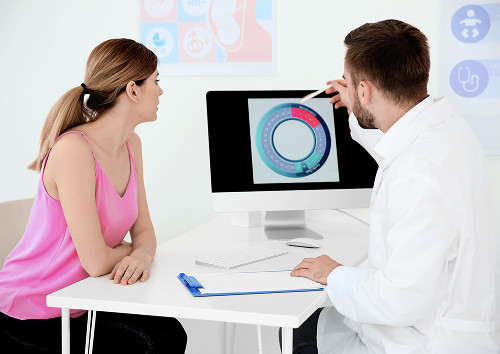
Consultation with an ophthalmologist and neuro-ophthalmologist

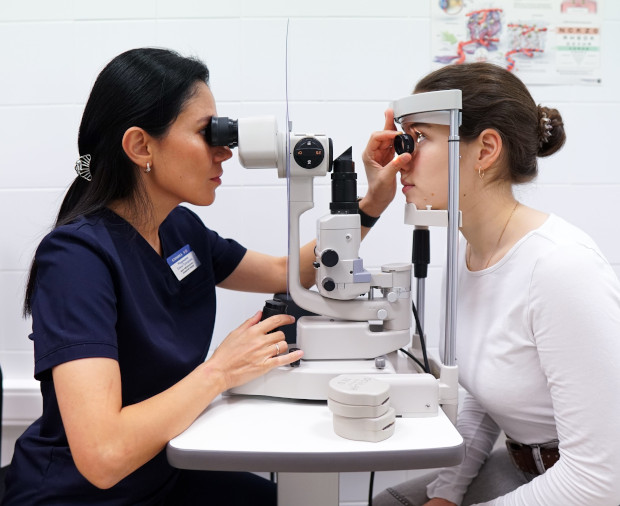
The initial examination helps assess the condition of the eye and identify changes in the fundus, such as swelling or atrophy of the optic disc. The patient is then examined by a neuro-ophthalmologist: they check the visual pathways and determine any connection with intracranial processes.

MRI of the orbits and brain

In our practice, MRI of the orbits allows us to examine the tumor's size in detail, determine its exact shape, and assess the degree of compression of the surrounding soft tissues. A simultaneous MRI of the brain is necessary to rule out the spread of the process to the chiasm, hypothalamus, and other intracranial structures.

Visual acuity, visual field, and retinal examination

Visiometry, which records a person's current ability to distinguish small details, is performed to assess the functional capabilities of the eye. Computerized perimetry is also mandatory, which helps identify hidden visual field impairments at the earliest stages.

When a biopsy may be needed

In complex situations, when the image remains atypical or a malignancy is suspected, a biopsy may be indicated. A tiny tissue sample is collected for histological examination in the operating room and provides a definitive answer to questions about the cell structure.
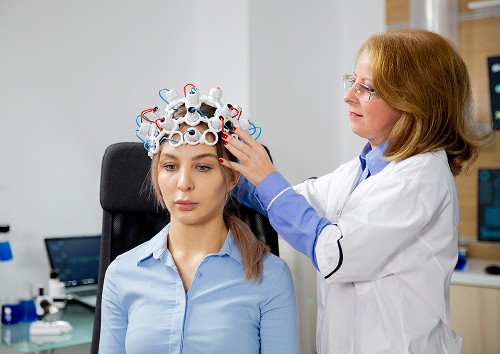

How we confirm the diagnosis

How is treatment strategy chosen?

The decision on the treatment method is made based on an analysis of many factors, including age and visual function.

Comparison of treatment options for optic nerve glioma

Tactics When used Advantages Limitations
Observation When the condition is stable and there is no rapid deterioration Allows you to avoid unnecessary interventions Requires regular control
Chemotherapy When active therapy is needed without immediate surgery May slow tumor growth Strictly selected by a doctor
Radiation therapy In certain clinical situations Affects the lesion There are limitations and risks
Surgery In certain cases, according to strict indications May be necessary under special circumstances Does not always preserve vision

Monitoring under the supervision of specialists

If the results If the tumor is small, not prone to rapid growth, and the patient's vision is stable, active surveillance is the optimal choice.

Chemotherapy and Targeted Therapy

When signs of progression are detected in young children, systemic chemotherapy is traditionally the first-line treatment. Specialized drugs can inhibit the division of abnormal cells and reduce the size of the nodule without damaging brain tissue. In recent years, modern targeted therapy has been actively introduced into clinical practice.

Radiation Therapy: When is it Considered?

This method is used primarily in adult patients or in older children when other methods have failed. Modern radiation therapy allows for highly precise beam targeting of the radiation beam to the affected area, minimizing impact on healthy surrounding tissue.

Surgical Treatment: When Is It Considered?

Complete loss of vision on the affected side, coupled with severe exophthalmos that threatens the integrity of the eye, can directly require surgery. In this situation, the neurosurgeon removes the affected nerve to prevent spread into the cranial cavity and correct the cosmetic defect. If the tumor has already penetrated the chiasm, complete removal becomes impossible, and surgery can only be performed partially. Targeted surgical treatment of optic nerve glioma is always carefully considered during a consultation.

How is treatment strategy chosen?

Our Approach and Advantages

At the K+31 Clinic, care for patients with orbital tumors is based on the principles of maximum attention to detail and respect for quality of life.

Multidisciplinary Approach

Each complex case at our clinic is reviewed collaboratively, eliminating a one-sided view of the problem. The board must include an ophthalmologist, an experienced neuro-ophthalmologist, a qualified neurosurgeon, and a pediatric or adult oncologist.

Second opinion on images and reports

If you have already been examined at another medical facility but are unsure about the diagnosis or proposed treatment, we are ready to provide you with an expert second opinion.

Personalized examination and treatment plan

We do not use standard protocols, as each case is unique in its anatomy and progression. A customized, personalized treatment plan is developed for each patient, taking into account not only medical parameters but also the individual's lifestyle, age, and psychological state.

Careful support for the patient and family

We provide full informational support at every stage of interaction with our clinic, explaining in detail the essence of each procedure.

"In our practice, we always begin not with aggressive treatment, but with an accurate assessment of vision, MRI images, and symptom dynamics. This approach helps us choose a truly informed solution for each patient, rather than a 'one-size-fits-all' solution," says neuro-ophthalmologist.

Our Approach and Advantages

What Affects the Prognosis

The success of patient management and long-term outcomes depend on a number of baseline parameters recorded by the medical team during the initial examination.

Tumor Location and Size

If the tumor is confined to the orbit and does not involve the optic chiasm, the prognosis is usually better. If it spreads to intracranial regions, more complex treatment is required.

Rate of Progression

In some genetic syndromes, the tumor can remain stable for years, so the doctor opts for observation without aggressive treatment. If the nodule grows rapidly, the strategy is changed and active therapy is initiated.

Preservation of Visual Function at the Time of Consultation

The higher the baseline visual acuity at the first visit, the greater the chance of successful vision preservation in the long term. Timely release of tension or slowing tumor growth helps preserve viable nerve fibers. This is why early diagnosis of optic nerve glioma is the key to a successful outcome.

What Affects the Prognosis

Frequently Asked Questions

Is optic nerve glioma curable?

It is. The danger is that symptoms can be vague in the early stages, so it's important to confirm the diagnosis as soon as possible.

What tests are needed to confirm the diagnosis?

Typically, a consultation with an ophthalmologist and neuro-ophthalmologist, vision testing, visual field testing, fundus examination, and an MRI of the orbits/brain are prescribed.

Is surgery always necessary for optic nerve glioma?

Not always. The treatment strategy depends on the tumor's location, its growth rate, the patient's age, and vision status.

Is it possible to preserve vision with this diagnosis?

In many cases, it is possible if specialists are consulted promptly and the correct treatment strategy is chosen.

When to seek help immediately

When to seek help immediately

During observation, situations may arise that require urgent evaluation by the medical team and a revision of the current management plan.

Symptoms that should not be ignored

Seek immediate medical attention if:

  • Rapid deterioration of vision
  • Severe headache
  • Morning sickness
  • Sudden double vision
  • Sudden increase in strabismus
  • Rapid bulging of the eyeball
  • Orbital pain
  • Limited ocular mobility

Why self-medication is dangerous

Attempts to use unconventional methods, uncontrolled use of eye drops, or warming the orbital area are strictly prohibited with this diagnosis. These actions are not able to slow the growth of tumor cells, but they can accelerate local destructive processes or cause inflammation of the soft tissues of the orbit.

Conclusion

Conclusion

It's crucial to immediately see specialists with the necessary experience and access to expert diagnostic equipment. Proper routing avoids unnecessary tests and examinations, focusing all resources on the primary goal.

Our personalized approach at the K+31 clinic ensures that every step of treatment is informed, balanced, and focused on preserving vision and overall health. Our multidisciplinary approach allows us to monitor the situation at any stage of the process, providing reliable support to the patient and their family.

References

  1. Register of Clinical Guidelines of the Ministry of Health of the Russian Federationhttps://cr.minzdrav.gov.ru/
  2. N.N. Burdenko National Medical Research Center of Neurosurgeryhttps://www.nsi.ru/
  3. N.N. Burdenko National Medical Research Center of Oncology Blokhinahttps://www.ronc.ru/
  4. Russian Medical Journalhttps://www.rmj.ru/
  5. Journal "Problems of Neurosurgery named after N.N. Burdenko" - https://www.mediasphera.ru/journal/voprosy-nejrokhirurgii-im-n-n-burdenko
  6. Journal "Ophthalmology" - https://www.mediasphera.ru/journal/oftalmologiya

Our doctors
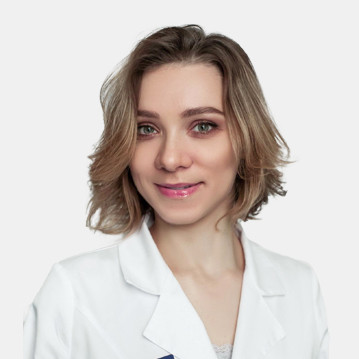
Karapetyan Arevik Samvelovna
Experience 12 years
Make an appointment
Karapetyan
Arevik Samvelovna
Ophthalmologist, Laser Surgeon
Batalina Larisa Vladimirovna
Experience 33 years
Make an appointment
Batalina
Larisa Vladimirovna
Deputy chief physician for ophthalmology, ophthalmic surgeon, leading specialist in laser vision correction
Amiryan Anush Gamletovna
Experience 28 years
Make an appointment
Amiryan
Anush Gamletovna
Ophthalmic oncologist surgeon
Medvedev Yulia Alexandrovna
Experience 11 years
Make an appointment
Medvedev
Yulia Alexandrovna
Ophthalmologist, Laser Surgeon
Rudkovskaya Elena Mikhailovna
Experience 38 years
Make an appointment
Rudkovskaya
Elena Mikhailovna
Ophthalmologist
Tegniryadnova Ekaterina Valerievna
Experience 20 years
Make an appointment
Tegniryadnova
Ekaterina Valerievna
Ophthalmologist, laser surgeon
Fadeeva Victoria Anatolievna
Experience 13 years
Make an appointment
Fadeeva
Victoria Anatolievna
Doctor ophthalmologist, laser surgeon
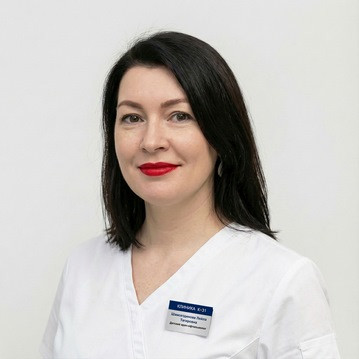
Shamsetdinova Leila Tagirovna
Experience 17 years
Make an appointment
Shamsetdinova
Leila Tagirovna
Pediatric ophthalmologist
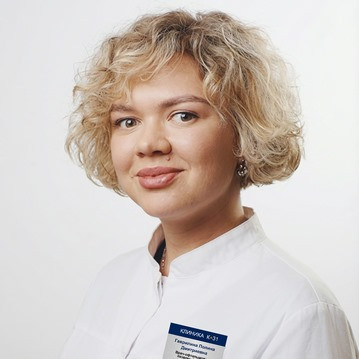
Gavrilina Polina Dmitrievna
Experience 8 years
Make an appointment
Gavrilina
Polina Dmitrievna
Ophthalmologist, laser surgeon
Sugonyaeva Olga Yurievna
Experience 26 years
Make an appointment
Sugonyaeva
Olga Yurievna
Ophthalmologist, laser surgeon
Khlunovskaya Anna Nikolaevna
Experience 8 years
Make an appointment
Khlunovskaya
Anna Nikolaevna
Ophthalmologist
Akhiyarova Azalia Azatovna
Experience 4 years
Make an appointment
Akhiyarova
Azalia Azatovna
Ophthalmologist
Putintseva Polina Andreevna
Experience 6 years
Make an appointment
Putintseva
Polina Andreevna
Ophthalmologist
Agafonova Oksana Sergeevna
Experience 21 year
Make an appointment
Agafonova
Oksana Sergeevna
Ophthalmologist, pediatric
Kazennov Alexey Nikolaevich
Experience 19 years
Make an appointment
Kazennov
Alexey Nikolaevich
Ophthalmologist, ophthalmologist-surgeon
Petrova Maria Grigorievna
Experience 14 years
Make an appointment
Petrova
Maria Grigorievna
Ophthalmologist, ophthalmic surgeon
Mazmanyan Karen Akopovich
Experience 28 years
Make an appointment
Mazmanyan
Karen Akopovich
Ophthalmic surgeon
Suchkova Valeria Alekseevna
Experience 6 years
Make an appointment
Suchkova
Valeria Alekseevna
Ophthalmologist
Khubieva Salima Aslanbievna
Experience 7 years
Make an appointment
Khubieva
Salima Aslanbievna
Ophthalmologist, laser surgeon
Rytik Nina Petrovna
Experience 15 years
Make an appointment
Rytik
Nina Petrovna
Ophthalmologist
All specialists
2GIS Award
2GIS Award

This award is given to clinics with the highest ratings according to user ratings, a large number of requests from this site, and in the absence of critical violations.

«Good place» according to Yandex

This award is given to clinics with the highest ratings according to user ratings. It means that the place is known, loved, and definitely worth visiting.

Our doctors are laureates of the ProDoctors Award

The ProDoctors portal collected 500 thousand reviews, compiled a rating of doctors based on them and awarded the best. We are proud that our doctors are among those awarded.

Make an appointment at a convenient time on the nearest date

Price

Reception
Price
Initial Ophthalmologist Appointment
from 6 450 ₽
Repeat Ophthalmologist Appointment
from 5 700 ₽

Other services

Laser vision correction Phacoemulsification of cataract with IOL implantation of any complexity Vitreoretinal surgeries of any complexity (vitrectomy) Laser photocoagulation of the retina during tears and degenerative changes in the retina Laser photocoagulation for diabetic retinopathy Intravitreal administration of Anti-VEGF drugs, hormonal implants Antiglaucomatous operations using various drains YAG laser dissection of the posterior capsule for secondary cataract Cataract treatment Treatment of glaucoma Retinal dystrophic changes Vitreous pathology Injury to the eye Post-traumatic and postoperative complications Myopia treatment Farsightedness Treatment of astigmatism Retinal disinsertion Non-contact laser procedure SMARTSURFACE Keratoplasty Femto SUPER LASIK Laser coagulation of the retina of the eye treatment on Ellex Integre Pro Scan Treatment of the retina with the Navilas laser system Femtolaser Cataract Removal Selection of children's night lenses Laser vision correction Clear Офтальмолог-онколог в Москве Treatment of keratoconus Laser coagulation of the retina Refractometry Retrobulbar injections Restoration of vision Lacrimal ducts Eye wash Synoptophore Forbis ESOM Pediatric ophthalmologist Ophthalmologist Glasses Biomicroscopy Night lenses Photo of an eye Eyelid suturing Selection of lenses Retinal laser Vision test Vitrectomy Vitrectomy Vitrectomy Eye pressure Ophthalmoscopy Fundus Gonioscopy Discision Orbitotomy Ophthalmodiagnostics OCT of the optic disc Keratoplasty Crystalline lens replacement Lacrimal duct Eye biometrics Angle of strabismus Lacrimal point IOL implantation Heterophoria Refraction Needling pillows Sclerectomy Micropulse laser Eyelid massage Intravitreal injections Iridoplasty Accommodation Bacterial culture Ophthalmology Cyclophotocoagulation Laser trabeculoplasty Laser stimulation Makdel Iridotomy Goniopuncture Corneal crosslinking Perimetry Pachymetry Angio-OCT Tubular test Color vision Convergence test Autofluorescence Eye mobility Corneal diagnostics Corneal transplant Skiascopy Strabismus Injection in the eye Tonometry Schirmer's test Trabeculotomy Diaphanoscopy Foreign body Foreign body Eyelid neoplasms Retinal tear Pterygium Chalazion Pneumatic retinopexy Glaucoma Ultrasound of the eye Eye biometrics Improving vision Cataract removal An attack of glaucoma Night lenses Eyelid ptosis Vision correction Angiography of the eye Retinoblastoma Laser coagulation PRK Orbital exenteration Evisceration of the eye Exophthalmometry PresbyLasik Removal of the lens Retinal thrombosis Nystagmus Lacrimal duct Eye removal Optic nerve Eyelash removal Neoplasms of the eyelids Myopia PRP therapy Autorefractometry Anti-VEGF Iris melanoma Glaucoma treatment Megalocornea Macular degeneration AMVO-01 Visotronik Amblyopia Accommodation Ametropia Cataract Lagophthalmos Anisometropia Asthenopia The optic nerve Dry eye syndrome Strabismus Aphakia Retinal coagulation Eyesore Blepharitis Eyelid spasm Blepharochalasis Blepharophimosis Myopia Vitrectomy Presbyopia Glaucoma Cataract Glaucoma Conjunctivitis Secondary cataract Dislocation of the lens Eversion of the eyelid Keratoconus Keratoglobus Keratitis Night blindness Ocular herpes Farsightedness Retinopathy Hypoplasia Eye strain Visual syndrome Coloboma Keratopathy Glaucoma Keratoconjunctivitis Cataract Dacryocystitis Color blindness Iritis
Make an appointment

Appointment to the doctor

Fill out the form, our managers will contact you within 15 minutes

Reviews

I was lucky to get an appointment with ophthalmologist E. M. Rudkovskaya, a pleasant and responsive person, an excellent specialist who explains in detail all the subtleties of examinations and treatment. Thank you so much, Elena Mikhailovna!
28.07.2026
Nadezhda A.
The reception was held at the highest level. I liked everything. The doctor is simply the best ophthalmologist in Moscow. The communication was pleasant, I listened to everything, conducted research and made recommendations. I'll come back more than once.
28.07.2026
Andrey P.

About doctor:

Rytik Nina Petrovna

Very pleasant Dr. Shamsetdinova L.T.
25.07.2026
Viktoriya D.
Everything is fine. She conducted a number of studies, listened attentively, was very pleasant in communication, explained everything clearly. I am satisfied.
21.07.2026
Svetlana S,
A great professional doctor, responsive, thoughtful, positive, attentive to the patient.
18.07.2026
Aleksandr K.
I signed up for a check-up and accidentally got to Azalea Azatovna and I am very happy that I got to her! He is a very sensitive and attentive doctor, the operation to restore vision was excellent and easy, for which thank you very much! After the operation, I realize that I shouldn't have waited and feared so much, with such a professional in his field, nothing is scary!thank you very much!!!
16.07.2026
Irina S,
The reception was professional and unobtrusive. Additional examinations and diagnostics were carried out using modern equipment. During the consultation and examination, Polina Dmitrievna explained everything in detail and intelligibly, gave me clear recommendations, and answered all questions in detail. Polina Dmitrievna is a polite, attentive and simply amazing doctor. The clinic as a whole enjoys the atmosphere, responsiveness of the staff and the professionalism of the specialists.
11.07.2026
Nikolay K.
Rudkovskaya E.M. is an excellent doctor, if you need an ophthalmologist, I go to her. A very competent specialist. Explains everything by diagnosis. Comprehensively evaluates the condition, checking all the parameters.
11.07.2026
Vera S.
Wonderful doctor!
10.07.2026
Natalya P.
An excellent specialist. I am very pleased with the reception. Thanks to the doctor
08.07.2026
Svetlana U.
Почему К+31?
К + 31 — full-cycle multidisciplinary medical centers, including the possibility of providing medical services of European quality level.
К + 31 — are leading doctors and diagnostics using high-tech equipment from world manufacturers (Karl Storz, Olympus, Siemens, Toshiba, Bausch&Lomb, Technolas, Zeiss, Topcon).
К + 31 — is ethical. The staff of K+31 clinics maintain open relationships with patients and partners. An individual approach to each patient is the basis of our service standards.
К + 31 — is modernity. On call 24/7: call center operators will answer your questions at any time and book you an appointment with doctors. Contact us by phone, through the feedback form on the website and Max.

Our clinics

Address K+31 Lobachevskogo 2

st. Lobachevskogo, 42/7

Contacts

+7 499 999-31-31

Opening hours

Mon-Fri: 08:00 – 21:00
Weekend: 09:00 – 19:00

Address K+31 on Lobachevskogo

st. Lobachevskogo, 42/4

Contacts

+7 499 999-31-31

Opening hours

Mon-Fri: 08:00 – 21:00
Weekend: 09:00 – 19:00

Address K+31 Petrovskie Vorota

1st Kolobovsky pereulok, 4

Contacts

+7 499 999-31-31

Opening hours

Mon-Fri: 08:00 – 21:00
Sat-Sun: 09:00 – 19:00

Address K+31 West

Orshanskaya, 16/2; Ak. Pavlova, 22

Contacts

+7 499 999-31-31

Opening hours

Mon-Fri: 08:00 – 21:00
Sat-Sun: 09:00 – 18:00
K+31 on Lobachevskogo
Didn't find the service you were looking for?

Экстренная помощь