
Cataract (clouding of the lens): symptoms, diagnosis and treatment
A cataract is a clouding of the crystalline lens, the natural lens inside the eye. It causes blurred vision, dull colors, and glare. This makes everyday activities more difficult.
The good news is that this is a solvable problem. Modern treatments restore clarity. We'll explain how to recognize the symptoms of cataracts, how they are diagnosed, and why eye drops don't help.

specialists

equipment

treatment






Cataract symptoms: what to look out for
Cataracts develop gradually, and the changes can be easy to miss at first. But there are signs that should alert you. Let's look at the main ones.
Blurriness, fog, and decreased visual clarity
The first sign is a blurry, hazy vision that doesn't go away. Visual acuity decreases. You might want to rub your eyes, even though it doesn't help. The image seems to lose sharpness and contrast.
At first, it's barely noticeable, but it worsens over time. Many people attribute it to fatigue and put off their appointment.
Glare, halos and blurred vision at dusk
Many people notice glare and halos around light sources, especially when driving in the evening. Vision is impaired in twilight, and bright light is blinding. These complaints stem from the cloudy lens scattering light. This causes headlights and taillights to appear too bright, making driving in the dark uncomfortable.
Double vision, image distortion, and frequent changes of glasses
Sometimes double vision and distorted objects appear in one eye. Vision changes so much that glasses need to be changed frequently. The new glasses become unsatisfactory after only a short time.
When symptoms already interfere with daily life
Over time, reading, working, and driving become more difficult. Colors appear dull, and faces in the distance become blurry. When vision interferes with your daily activities, don't delay a visit to the doctor.
Diagnosis of cataracts

Cataract diagnosis begins with an examination and vision testing. Our goal is to confirm the cataract, assess its stage, and evaluate the condition of the eye. Let's break down the steps.
Ophthalmological examination and visual acuity test
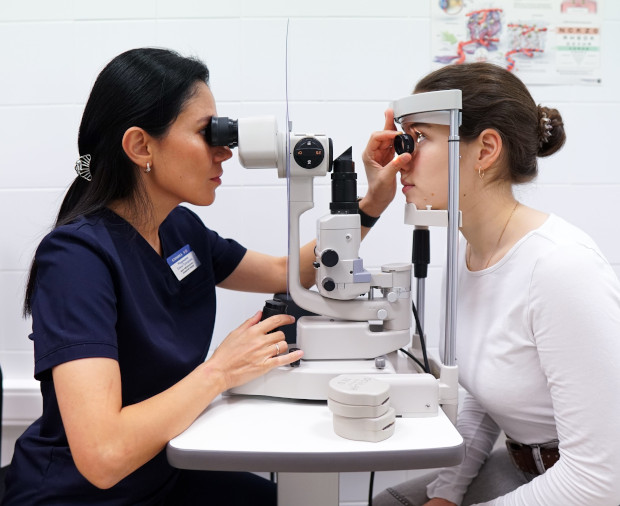
First, the ophthalmologist checks visual acuity and asks about any complaints. Then, they examine the eye under magnification and evaluate the transparency of the lens. At this stage, it is already possible to determine whether there is cataract opacity.
Hardware diagnostics and lens assessment
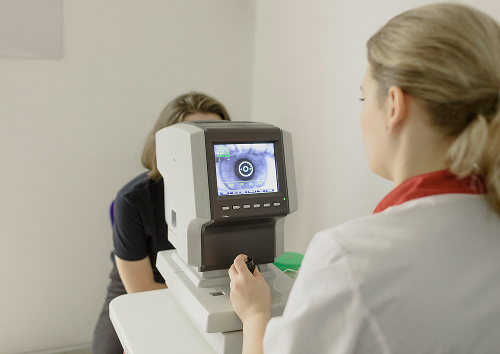
Additionally, hardware tests are performed to assess the stage and density of the cataract. The doctor examines the condition of other structures of the eye, as this determines the outcome of treatment.
This information is needed to calculate the future lens size. An accurate calculation is especially important, as the lens is selected once and for a long time.

How do we distinguish cataracts from other eye diseases?
Blurred and decreased vision can occur with various conditions. Therefore, a consultation with an ophthalmologist and a full eye examination are necessary first. The doctor:
- Assesses the transparency of the lens.
- Examines the retina and optic nerve.
- Assesses complaints of twilight vision.
- Determines how visual function has changed.
This approach helps understand what exactly is interfering with vision and choose the right treatment strategy.
Cataract treatment: when only surgery helps
Cataract treatment is determined by a doctor, and the only way to restore clarity is surgery. Eye drops and exercises don't eliminate the cloudiness. Let's look at why this is and how treatment works.
Why eye drops don't eliminate lens clouding
Drops cannot restore the lens's transparency, as the changes to its proteins are irreversible. They do not solve the underlying problem, but merely create the illusion of a cure.
Therefore, relying solely on them for this condition is unacceptable. Time spent on drops is better spent on diagnosis. This allows for the most appropriate timing for treatment.
Modern surgical treatment and lens replacement
The primary method is cataract surgery with lens replacement. The clouded lens is removed using phacoemulsification and replaced with an artificial lens. This lens replacement restores the path of light to the retina, restoring clarity.
How is treatment strategy selected individually?
The timing and type of lens are determined based on the patient's eye condition and lifestyle. The intraocular lens is individually designed for each eye. The decision to undergo surgery is made when vision begins to interfere with daily life.
General information
How is treatment and recovery performed?
Modern surgery is gentle and usually comfortable. Recovery is smooth if recommendations are followed. Let's look at the main stages.
Preparing for the procedure
Before surgery, an eye examination is performed and lens parameters are calculated. The doctor explains how to prepare and what medications to use. This step is important for an accurate result.
What happens on the day of surgery
The surgery is performed under anesthesia and takes a short time. The clouded lens is removed and replaced with an artificial one. The patient usually goes home the same day.
Important after the procedure
After surgery, it is important to follow the doctor's instructions. The drops should be administered as prescribed. Initially, it is important to protect the eye from strain, water, and friction. These measures help the tissues heal without complications.
Recovery time and follow-up examinations
The first improvements in vision are noticeable quickly. Final recovery after surgery depends on the initial condition of the eye and compliance with the recommendations. Follow-up examinations show how healing is progressing.
In my practice, patients often come when their vision has already begun to noticeably interfere with their daily lives. Our goal is not simply to confirm cataracts, but to accurately assess their stage, select a treatment plan, and help the patient navigate the entire path from diagnosis to recovery without unnecessary stress. – ophthalmologist


FAQ
Short answers to the questions most frequently asked during appointments.
Can cataracts be cured with drops?
When should cataract surgery be performed?
Surgery is recommended when vision loss begins to interfere with daily life:
- Reading
- Work
- Driving
The doctor makes the decision after an examination. It is not necessary to wait for the cataract to fully mature.
Is cataract removal painful?
How long does it take for vision to recover after cataract treatment?

Conclusion and appointment with an ophthalmologist
A cataract is a clouding of the lens that can impair vision over time, but is highly treatable. The earlier the diagnosis, the more peaceful the preparation and surgery process.
Why it's important not to wait until vision deteriorates further
Dense clouding complicates surgery and delays recovery. Early consultation allows you to choose the right time and calmly prepare. Therefore, it's not a good idea to wait until vision deteriorates significantly.
How to schedule a diagnostic
If your vision is cloudy, glare is bothering you, or you frequently change glasses, schedule an appointment. We will assess the condition of your lens, determine a treatment plan, and, if necessary, calculate the lens size. The sooner you contact us, the easier it will be to regain clear vision.
Our doctors





















This award is given to clinics with the highest ratings according to user ratings, a large number of requests from this site, and in the absence of critical violations.

This award is given to clinics with the highest ratings according to user ratings. It means that the place is known, loved, and definitely worth visiting.

The ProDoctors portal collected 500 thousand reviews, compiled a rating of doctors based on them and awarded the best. We are proud that our doctors are among those awarded.
Make an appointment at a convenient time on the nearest date
Price
Other services

Appointment to the doctor
Reviews



















Our clinics


Application “Personal Account K+31”












What is a cataract and why does it develop?
Inside the eye is a transparent lens that focuses light onto the retina. Over time, its proteins change, and it gradually becomes cloudy. This is how clouding develops, and the denser the clouding, the worse a person's vision.
The role of the crystalline lens in vision
The crystalline lens works like a living lens. It transmits light and helps focus. As long as it's transparent, the image is clear. When transparency is lost, the image becomes dull and blurry. Light is less able to reach the retina, causing colors to appear faded. Because of this, vision gradually deteriorates.
Main causes and risk factors
The main factor is age, which is why age-related cataracts are more common. The risk is increased by:
Sometimes clouding is congenital and manifests itself in childhood. But more often, the disease is age-related. Therefore, after a certain age, regular examinations are helpful.
Why cataracts are more common with age
Over the years, the metabolism in the lens slows, and its proteins gradually change. Because of this, transparency decreases slowly and almost imperceptibly. Therefore, age-related cataracts develop in many older people.