Blepharitis (Eyelid Inflammation): Symptoms, Diagnosis, and Treatment

Blepharitis is one of the most common eyelid conditions. Many patients perceive the problem as a temporary eye irritation for a long time, but the inflammation can persist for months and periodically worsen. Without proper treatment, symptoms often recur, and the condition of the ocular surface gradually worsens.

In our practice, we view eyelid inflammation as a condition that requires not only addressing the symptoms but also identifying the underlying cause.

Best specialists
Best
specialists
Expert equipment
Expert
equipment
Advanced diagnostic treatment
Advanced diagnostic
treatment
Download the application “Personal Account K+31”
Everything about your health in one click!
Subscribe to social networks K+31
To keep up to date with current offers and receive useful advice about your health.

What is blepharitis and why is it dangerous?

Blepharitis is a chronic inflammation of the eyelid margins, affecting the eyelash margin, eyelid glands, and surrounding tissues. The disease can present in various forms and can be accompanied by mild discomfort or severe complaints.

How Eyelid Inflammation Affects Quality of Life

Even moderate eyelid inflammation can significantly impact daily activities. Patients complain of itching, burning, a feeling of heaviness, and rapid eye fatigue.

With prolonged progression, persistent visual discomfort, difficulty working at a computer, and decreased tolerance of contact lenses may occur. Some patients report that their eyes tire more quickly during reading and visual strain.

Why Blepharitis Shouldn't Be Ignored

If inflammation persists for a long time, it can affect not only the eyelid margin but also the ocular surface. In some cases, blepharoconjunctivitis, glandular dysfunction, and chronic tissue inflammation develop.

Furthermore, the disease can be accompanied by relapses and periods of exacerbation, which become increasingly severe without proper treatment.

What is blepharitis and why is it dangerous?

Why does blepharitis develop?

The causes of the problem can vary. That's why an examination is always performed before prescribing therapy.

Meibomian Gland Dysfunction

One of the most common causes is considered to be dysfunction of the glands located in the eyelids.

When the meibomian glands produce insufficient secretion or its composition changes, the tear film is disrupted. This results in dry eye, irritation, and persistent inflammation.

Meibomian gland dysfunction often underlies chronic forms of the disease and requires separate treatment.

Infection, Demodex, and Other Causes

Inflammation can be caused by bacteria, increased microbial growth on the eyelid skin, or parasitic factors.

Demodicosis is a special case. Excessive Demodex mite proliferation increases irritation, itching, and inflammatory changes in the eyelash margin.

In some patients, the problem develops after previous infections or due to a combination of several factors.

Risk factors: dry eye, allergies, cosmetics, chronic diseases

There are conditions that increase the likelihood of developing the disease or exacerbate its symptoms.

These include:

  • Dry eye
  • Allergic reactions
  • Use of low-quality cosmetics
  • Chronic skin diseases
  • Poor eye hygiene
  • Prolonged visual strain

That's why the doctor evaluates not only the condition of the eyelids but also the overall condition of the ocular surface.

How does blepharitis manifest itself?
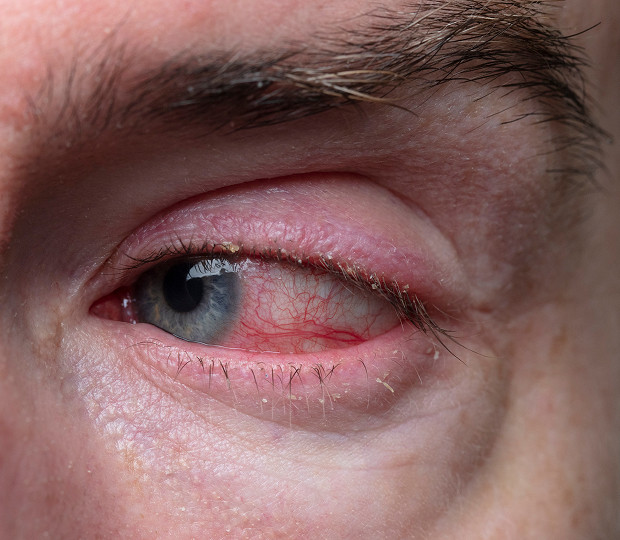
The clinical presentation depends on the form of the disease and the severity of the inflammatory process.

Itching, burning, redness, and swelling

The most common complaints are itching of the eyelids and a feeling of irritation. Patients may note a burning sensation, heaviness, and a constant urge to rub their eyes.

Redness of the eyelids and slight swelling of the tissues are also common. Symptoms worsen in the evening or after prolonged computer work.

Many patients describe these manifestations as the first signs of blepharitis.

Crusting, scaling, and sticking together of eyelashes

In some forms, scales and dense deposits appear on the eyelash margins.

In the morning, patients may notice crusting of the eyelashes, which makes it difficult to open the eyes after sleep. In severe cases, painful changes in the eyelid margin occur.

Tearing, dryness, and a gritty sensation in the eyes

Despite increased tear production, many patients simultaneously experience severe dryness of the ocular surface.

The disease is characterized by:

  • Tearing
  • Sensation of grit in the eyes
  • Foreign body sensation
  • Periodic blurred vision
  • Visual discomfort

Impaired tear film quality is one of the reasons for the persistence of symptoms even after the inflammation has subsided.

When to see an ophthalmologist

If symptoms persist for several weeks, worsen, or return regularly, you should not delay an examination.

It is especially important to seek help if severe Swelling, pain, blurred vision, purulent discharge, or signs of complications. In these situations, a specialist examination and a full diagnosis of blepharitis are necessary.

Types of blepharitis
Types of blepharitis

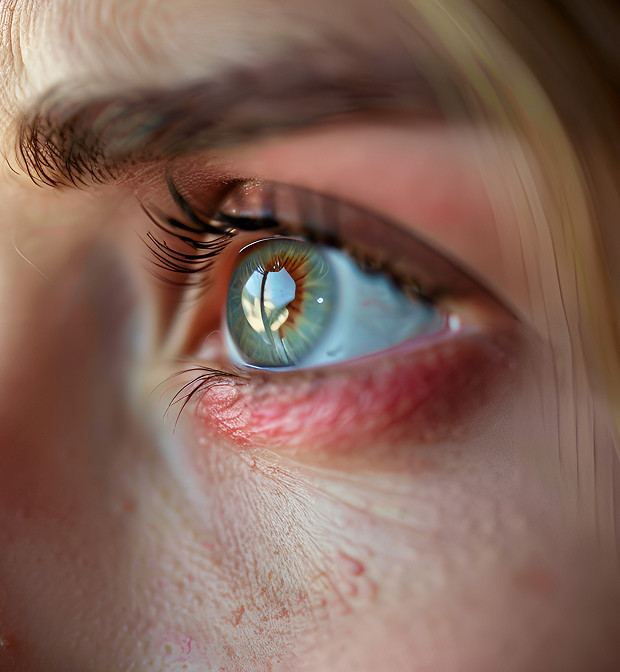
This problem encompasses several clinical forms, which differ in their causes and manifestations.

Anterior Blepharitis

In this form, inflammation is localized primarily in the area of ​​the ciliary margin. Patients complain of irritation, plaque formation, and skin changes.

Posterior Blepharitis

This form is more often associated with glandular dysfunction. Therefore, it is often accompanied by changes in secretion and dysfunction of the meibomian glands.

Squamous and Ulcerative Blepharitis

The squamous form is accompanied by the appearance of plaque and scales on the eyelashes. It is characterized by skin irritation and constant discomfort.

In the ulcerative form, the inflammation is more severe. Painful crusts and areas of tissue damage may form on the eyelid margin.

Demodectic Blepharitis

Demodectic blepharitis is considered a separate form. Its development is associated with the activity of the Demodex mite.

This type is characterized by itching, repeated exacerbations, and is associated with chronic irritation of the eyelash margin.

Comparison table of types of blepharitis

Type of blepharitis Main manifestations What is important in treatment
Scaly Itching, redness, flakes on the eyelashes Eyelid hygiene, inflammation control
Ulcerative Painful crusts Eyelashes, eyelid margin damage Mandatory medical examination
Meibomian Dryness, heaviness of the eyelids, impaired secretion Warm compress, eyelid massage, correction of the underlying cause
Demodectic Relapses, itching, connection with Demodex Confirmation of diagnosis and specialized care

General information

How is diagnosis performed?

The correct treatment can only be selected after determining the type of disease and assessing the condition of the ocular surface.

Examination of the eyelids and lash line

During the appointment, the doctor assesses the condition of the skin, eyelashes, and eyelid margin. An examination can identify signs of inflammation, glandular changes, and the nature of tissue damage.

This is the stage where a full diagnosis of blepharitis begins.

Evaluation of the ocular surface and tear film

The quality of the tear film and the condition of the ocular surface are also assessed.

This approach helps identify concomitant dry eye syndrome, which often contributes to inflammation and influences the course of the disease.

Additional tests if needed

If the clinical picture requires clarification, the doctor may prescribe additional tests.

These tests help rule out demodicosis, allergic reactions, concomitant conjunctivitis, or other causes of complaints.

"In our practice, we always start with identifying the cause of eyelid inflammation rather than with universal drops. This approach helps us choose the right treatment, quickly relieve symptoms, and reduce the risk of recurrence," says an ophthalmologist.
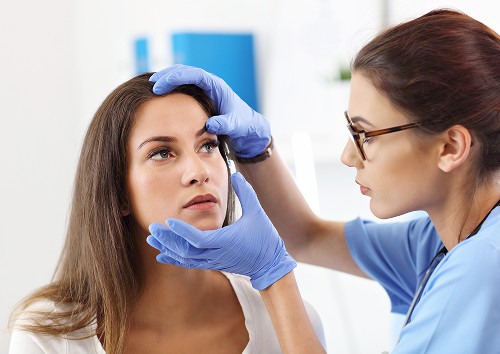
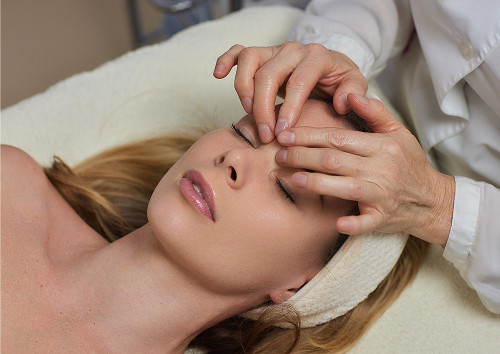
How is diagnosis performed?

Treatment of Blepharitis

The treatment strategy depends on the form of the disease, the condition of the ocular surface, and the factors that contribute to the inflammation.

Eyelid Hygiene and Home Care

Proper eyelid hygiene remains the mainstay of treatment in many cases.

Basic care for blepharitis typically includes:

  • Warm compress
  • Gentle cleansing of the eyelid margin
  • Eyelid massage as recommended by a doctor
  • Use of prescribed medications
  • Follow-up examination by a specialist

Regular care helps reduce inflammation and improve the function of the eyelid glands.

Drug therapy as prescribed by a doctor

Drug treatment is selected on an individual basis. Choosing eye drops on your own can prolong the course of the disease and lead to complications.

The treatment regimen depends on the cause of the inflammation, the severity of symptoms, and the examination results.

Therefore, treatment for blepharitis should always be prescribed by a doctor after an examination.

Treatment of the cause and prevention of relapses

For long-term results, it is important not only to relieve symptoms but also to eliminate the factor that is causing the disease.

If the cause is glandular dysfunction, dry eye surface, or demodicosis, treatment should take these factors into account.

This approach helps reduce relapses and achieve a more stable condition.

What helps speed up recovery

During treatment, it is recommended to temporarily avoid wearing eye makeup and contact lenses.

It is also important to follow the doctor's instructions and not stop treatment immediately after symptoms subside.

A comprehensive approach is essential allows for lasting improvement even in cases where chronic blepharitis has developed.

Treatment of Blepharitis

Our Advantages

Comprehensive Diagnostics in a Single Appointment

We provide a comprehensive diagnostic assessment that allows us to evaluate the condition of the eyelids, the ocular surface, and possible causes of the disease.

Individualized Treatment Plan

Each patient receives a personalized approach and treatment plan that takes into account the type of disease and its progression.

We do not use one-size-fits-all treatment plans and always rely on examination results.

Result Monitoring and Prevention of Recurrences

After completion of the primary treatment, the patient remains under the supervision of a specialist.

Our goal is not only to treat blepharitis but also to prevent further exacerbations of the disease.

Our Advantages

Prevention and Recommendations

How to Reduce the Risk of Exacerbation

For prevention, it is important to maintain daily eyelid care and promptly treat any associated eye conditions.

Particular attention should be paid to the condition of the glands and the quality of the tear film.

What to Do at the First Symptoms

If you experience eyelid itching, irritation, redness, or a foreign body sensation, don't wait for the problem to go away on its own.

A timely visit to the doctor allows you to begin treatment early and avoid complications.

Prevention and Recommendations

Frequently Asked Questions

Is it possible to completely cure blepharitis?

The disease often has a chronic course. Therefore, the goal of treatment is to control inflammation, reduce symptoms, and prevent recurrences. Many patients achieve long-term remission with proper care and regular monitoring.

Is blepharitis contagious?

Blepharitis itself is not always contagious. However, if the inflammation is associated with an infection or demodex, personal hygiene is essential.

Why does blepharitis frequently recur?

Most often, the cause is unavoidable risk factors. These can include glandular dysfunction, dry eye syndrome, or demodicosis. Therefore, chronic blepharitis requires a comprehensive approach and monitoring of the underlying causes.

When is a follow-up appointment necessary?

A follow-up consultation is necessary if symptoms persist, worsen, or return after improvement.

A follow-up examination helps assess the effectiveness of therapy and promptly adjust treatment.

If severe pain, severe swelling, blurred vision, photophobia, or fever occur, consult a doctor as soon as possible.

References

Our doctors

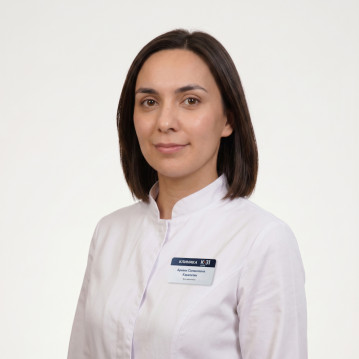
Karapetyan Arevik Samvelovna
Experience 12 years
Make an appointment
Karapetyan
Arevik Samvelovna
Ophthalmologist, Laser Surgeon
Batalina Larisa Vladimirovna
Experience 33 years
Make an appointment
Batalina
Larisa Vladimirovna
Deputy chief physician for ophthalmology, ophthalmic surgeon, leading specialist in laser vision correction
Amiryan Anush Gamletovna
Experience 28 years
Make an appointment
Amiryan
Anush Gamletovna
Ophthalmic oncologist surgeon
Medvedev Yulia Alexandrovna
Experience 11 years
Make an appointment
Medvedev
Yulia Alexandrovna
Ophthalmologist, Laser Surgeon
Rudkovskaya Elena Mikhailovna
Experience 38 years
Make an appointment
Rudkovskaya
Elena Mikhailovna
Ophthalmologist
Tegniryadnova Ekaterina Valerievna
Experience 20 years
Make an appointment
Tegniryadnova
Ekaterina Valerievna
Ophthalmologist, laser surgeon
Fadeeva Victoria Anatolievna
Experience 13 years
Make an appointment
Fadeeva
Victoria Anatolievna
Doctor ophthalmologist, laser surgeon
Shamsetdinova Leila Tagirovna
Experience 17 years
Make an appointment
Shamsetdinova
Leila Tagirovna
Pediatric ophthalmologist
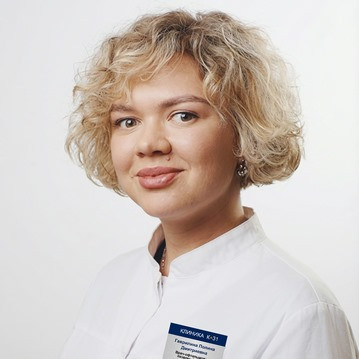
Gavrilina Polina Dmitrievna
Experience 8 years
Make an appointment
Gavrilina
Polina Dmitrievna
Ophthalmologist, laser surgeon
Sugonyaeva Olga Yurievna
Experience 26 years
Make an appointment
Sugonyaeva
Olga Yurievna
Ophthalmologist, laser surgeon
Khlunovskaya Anna Nikolaevna
Experience 8 years
Make an appointment
Khlunovskaya
Anna Nikolaevna
Ophthalmologist
Akhiyarova Azalia Azatovna
Experience 4 years
Make an appointment
Akhiyarova
Azalia Azatovna
Ophthalmologist
Putintseva Polina Andreevna
Experience 6 years
Make an appointment
Putintseva
Polina Andreevna
Ophthalmologist
Agafonova Oksana Sergeevna
Experience 21 year
Make an appointment
Agafonova
Oksana Sergeevna
Ophthalmologist, pediatric
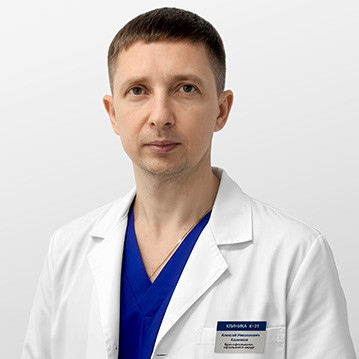
Kazennov Alexey Nikolaevich
Experience 19 years
Make an appointment
Kazennov
Alexey Nikolaevich
Ophthalmologist, ophthalmologist-surgeon
Petrova Maria Grigorievna
Experience 14 years
Make an appointment
Petrova
Maria Grigorievna
Ophthalmologist, ophthalmic surgeon
Mazmanyan Karen Akopovich
Experience 28 years
Make an appointment
Mazmanyan
Karen Akopovich
Ophthalmic surgeon
Suchkova Valeria Alekseevna
Experience 6 years
Make an appointment
Suchkova
Valeria Alekseevna
Ophthalmologist
Khubieva Salima Aslanbievna
Experience 7 years
Make an appointment
Khubieva
Salima Aslanbievna
Ophthalmologist, laser surgeon
Rytik Nina Petrovna
Experience 15 years
Make an appointment
Rytik
Nina Petrovna
Ophthalmologist
All specialists
2GIS Award
2GIS Award

This award is given to clinics with the highest ratings according to user ratings, a large number of requests from this site, and in the absence of critical violations.

«Good place» according to Yandex

This award is given to clinics with the highest ratings according to user ratings. It means that the place is known, loved, and definitely worth visiting.

Our doctors are laureates of the ProDoctors Award

The ProDoctors portal collected 500 thousand reviews, compiled a rating of doctors based on them and awarded the best. We are proud that our doctors are among those awarded.

Make an appointment at a convenient time on the nearest date

Price

Reception
Price
Initial Ophthalmologist Appointment
from 6 450 ₽
Corneal Collagen Crosslinking with Ultraviolet Irradiation
from 52 500 ₽
Femtosecond Laser-Assisted Intrastromal Segment Implantation
from 200 000 ₽

Other services

Laser vision correction Phacoemulsification of cataract with IOL implantation of any complexity Vitreoretinal surgeries of any complexity (vitrectomy) Laser photocoagulation of the retina during tears and degenerative changes in the retina Laser photocoagulation for diabetic retinopathy Intravitreal administration of Anti-VEGF drugs, hormonal implants Antiglaucomatous operations using various drains YAG laser dissection of the posterior capsule for secondary cataract Cataract treatment Treatment of glaucoma Retinal dystrophic changes Vitreous pathology Injury to the eye Post-traumatic and postoperative complications Myopia treatment Farsightedness Treatment of astigmatism Retinal disinsertion Non-contact laser procedure SMARTSURFACE Keratoplasty Femto SUPER LASIK Laser coagulation of the retina of the eye treatment on Ellex Integre Pro Scan Treatment of the retina with the Navilas laser system Femtolaser Cataract Removal Selection of children's night lenses Laser vision correction Clear Офтальмолог-онколог в Москве Treatment of keratoconus Laser coagulation of the retina Refractometry Retrobulbar injections Restoration of vision Lacrimal ducts Eye wash Synoptophore Forbis ESOM Pediatric ophthalmologist Ophthalmologist Glasses Biomicroscopy Night lenses Photo of an eye Eyelid suturing Selection of lenses Retinal laser Vision test Vitrectomy Vitrectomy Vitrectomy Eye pressure Ophthalmoscopy Fundus Gonioscopy Discision Orbitotomy Ophthalmodiagnostics OCT of the optic disc Keratoplasty Crystalline lens replacement Lacrimal duct Eye biometrics Angle of strabismus Lacrimal point IOL implantation Heterophoria Refraction Needling pillows Sclerectomy Micropulse laser Eyelid massage Intravitreal injections Iridoplasty Accommodation Bacterial culture Ophthalmology Cyclophotocoagulation Laser trabeculoplasty Laser stimulation Makdel Iridotomy Goniopuncture Corneal crosslinking Perimetry Pachymetry Angio-OCT Tubular test Color vision Convergence test Autofluorescence Eye mobility Corneal diagnostics Corneal transplant Skiascopy Strabismus Injection in the eye Tonometry Schirmer's test Trabeculotomy Diaphanoscopy Foreign body Foreign body Eyelid neoplasms Retinal tear Pterygium Chalazion Pneumatic retinopexy Glaucoma Ultrasound of the eye Eye biometrics Improving vision Cataract removal An attack of glaucoma Night lenses Eyelid ptosis Vision correction Angiography of the eye Retinoblastoma Laser coagulation PRK Orbital exenteration Evisceration of the eye Exophthalmometry PresbyLasik Removal of the lens Retinal thrombosis Nystagmus Lacrimal duct Eye removal Optic nerve Eyelash removal Neoplasms of the eyelids Myopia PRP therapy Autorefractometry Anti-VEGF Iris melanoma Glaucoma treatment Megalocornea Macular degeneration AMVO-01 Visotronik Amblyopia Accommodation Ametropia Cataract Lagophthalmos Anisometropia Asthenopia The optic nerve Dry eye syndrome Strabismus Aphakia Retinal coagulation Eyesore Eyelid spasm Blepharochalasis Blepharophimosis Conjunctivitis Keratoconus Keratoglobus Keratitis
Make an appointment

Appointment to the doctor

Fill out the form, our managers will contact you within 15 minutes

Reviews

Everything is fine. She conducted a number of studies, listened attentively, was very pleasant in communication, explained everything clearly. I am satisfied.
21.07.2026
Svetlana S,
A great professional doctor, responsive, thoughtful, positive, attentive to the patient.
18.07.2026
Aleksandr K.
I signed up for a check-up and accidentally got to Azalea Azatovna and I am very happy that I got to her! He is a very sensitive and attentive doctor, the operation to restore vision was excellent and easy, for which thank you very much! After the operation, I realize that I shouldn't have waited and feared so much, with such a professional in his field, nothing is scary!thank you very much!!!
16.07.2026
Irina S,
The reception was professional and unobtrusive. Additional examinations and diagnostics were carried out using modern equipment. During the consultation and examination, Polina Dmitrievna explained everything in detail and intelligibly, gave me clear recommendations, and answered all questions in detail. Polina Dmitrievna is a polite, attentive and simply amazing doctor. The clinic as a whole enjoys the atmosphere, responsiveness of the staff and the professionalism of the specialists.
11.07.2026
Nikolay K.
Rudkovskaya E.M. is an excellent doctor, if you need an ophthalmologist, I go to her. A very competent specialist. Explains everything by diagnosis. Comprehensively evaluates the condition, checking all the parameters.
11.07.2026
Vera S.
Wonderful doctor!
10.07.2026
Natalya P.
An excellent specialist. I am very pleased with the reception. Thanks to the doctor
08.07.2026
Svetlana U.
I would like to express my sincere gratitude to all the staff of the K+31 clinic. Special thanks to the doctors of the ophthalmology department, Ekaterina V. Tegniryadnova, who has been seeing me for a long time, and Maria Grigorievna Petrova, who operated on me for a lens replacement. Everything went great! I would also like to mention the work of Diana's ophthalmology manager. I received comprehensive and timely answers to all my questions. THANK you so much to all of you!
Почему К+31?
К + 31 — full-cycle multidisciplinary medical centers, including the possibility of providing medical services of European quality level.
К + 31 — are leading doctors and diagnostics using high-tech equipment from world manufacturers (Karl Storz, Olympus, Siemens, Toshiba, Bausch&Lomb, Technolas, Zeiss, Topcon).
К + 31 — is ethical. The staff of K+31 clinics maintain open relationships with patients and partners. An individual approach to each patient is the basis of our service standards.
К + 31 — is modernity. On call 24/7: call center operators will answer your questions at any time and book you an appointment with doctors. Contact us by phone, through the feedback form on the website and Max.

Our clinics

Address K+31 Lobachevskogo 2

st. Lobachevskogo, 42/7

Contacts

+7 499 999-31-31

Opening hours

Mon-Fri: 08:00 – 21:00
Weekend: 09:00 – 19:00

Address K+31 on Lobachevskogo

st. Lobachevskogo, 42/4

Contacts

+7 499 999-31-31

Opening hours

Mon-Fri: 08:00 – 21:00
Weekend: 09:00 – 19:00

Address K+31 Petrovskie Vorota

1st Kolobovsky pereulok, 4

Contacts

+7 499 999-31-31

Opening hours

Mon-Fri: 08:00 – 21:00
Sat-Sun: 09:00 – 19:00

Address K+31 West

Orshanskaya, 16/2; Ak. Pavlova, 22

Contacts

+7 499 999-31-31

Opening hours

Mon-Fri: 08:00 – 21:00
Sat-Sun: 09:00 – 18:00
K+31 on Lobachevskogo
Didn't find the service you were looking for?

Экстренная помощь