
Strabismus (squint): symptoms, causes, and vision correction
The human visual system is a complex mechanism, where the correct position of the eyeballs plays a key role in perceiving the surrounding world. When the synchronicity of eye movements is disrupted, strabismus occurs—a condition also known in medical practice as strabismus or heterotropia. At K31 Clinic, we see this condition daily in patients of all ages, and our doctors know how important it is to recognize the first signs of a problem early.

specialists

equipment

treatment






Types of strabismus
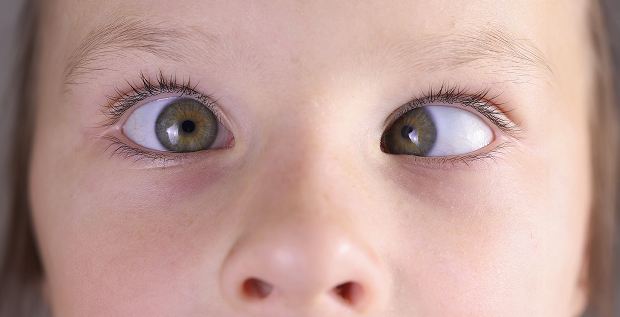
The pathology is classified by the direction of the eye deviation, the stability of the manifestation, and the mechanism of occurrence, which directly influences the strabismus treatment a specialist will choose.
Convergent and divergent strabismus
These forms are characterized by a horizontal shift of the visual axis. With the convergent type, the eye is directed toward the bridge of the nose, and this pathology is most often diagnosed in early childhood, combined with a high degree of farsightedness. With the divergent type, visual fixation shifts toward the temple.

Vertical and latent strabismus
Vertical strabismus is characterized by an upward or downward displacement of the eye, which is usually associated with developmental abnormalities or damage to specific vertical muscles of the orbit. Latent strabismus also exists, which is unnoticeable at rest due to the body's strong muscular control.
Concomitant and paralytic strabismus
In ophthalmology, it is important to distinguish between these two mechanisms. Typical concomitant strabismus is characterized by the left or right eye shifting, with the deviation from the center remaining approximately the same in all directions of gaze, and full ocular motility being maintained.
Paralytic strabismus develops due to damage or paralysis of the extraocular muscles or nerves, causing the affected eye to completely or partially lose its ability to move in the direction of the affected muscle.
Symptoms of strabismus in children and adults
The manifestations of strabismus can vary significantly depending on the patient's age and the causes of the pathology.
How to suspect a problem in a child
Parents need to be very attentive, as strabismus in children is not always constant and obvious at first.
5 signs it's time to see an ophthalmologist:
- One eye noticeably or periodically deviates to the side
- The child constantly squints, rubs their eyes, or tilts their head when looking at objects
- Visible double vision appears or complaints about it
- Eyes tire quickly when reading, drawing, or doing schoolwork
- There are complaints of blurred, foggy, or "floating" vision
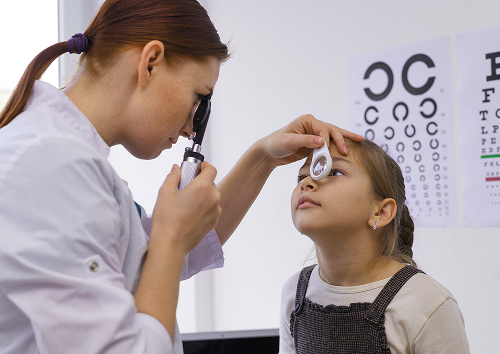
If you notice any of these symptoms, you should see a pediatric ophthalmologist to check your vision. Early diagnosis of strabismus in childhood allows for correction before persistent amblyopia develops.
Main symptoms in adults
When strabismus is diagnosed in adults, the clinical picture is accompanied by significant subjective discomfort. Adults who develop the condition due to trauma or vascular accidents suffer from constant double vision, as their brain has already become accustomed to normal binocular vision and cannot quickly switch off the misaligned eye.
When you need to see a doctor urgently
If a visible eye displacement occurs suddenly, despite otherwise healthy eyes, or after a blow, fall, or car accident, and is accompanied by a sharp headache or nausea, you should see a doctor immediately.
Such symptoms of strabismus indicate a paralytic nature to the disorder.
General information
Why strabismus develops
The pathogenesis of strabismus is multifactorial, and the true causes can only be identified after a complete instrumental examination.
Congenital and hereditary factors
Genetic predisposition plays a huge role, so if parents or close relatives have had strabismus, the risk of a child developing it increases significantly. Congenital anomalies can be associated with abnormal attachment of the extraocular muscles and underdevelopment of the brain regions responsible for motor coordination.
Refractive and accommodation disorders
This is the most common cause of concomitant strabismus in children. If a child has uncorrected high farsightedness, their accommodation is constantly strained to see objects up close.
Neurological, traumatic, and other causes
In adults, strabismus is most often acquired due to muscular or neurological factors. It is caused by infectious diseases of the brain, neuroinfections, multiple sclerosis, vascular pathologies, diabetes, and severe psychological trauma that cause muscle spasms or nerve paresis.
FAQ
Is it possible to correct strabismus without surgery?
Can strabismus be corrected in adults?
What are the dangers of strabismus if left untreated?
When should you urgently consult an ophthalmologist?
How to schedule a consultation
You can schedule an appointment at the K31 Clinic using the contact form on our website or by calling our multi-line phone number. We will find the most convenient time for you.
What to bring to your appointment
If you have previously undergone examinations at other medical centers, be sure to bring all available records, doctor's reports, prescriptions for glasses or lenses, as well as the optical products you currently use.
How to prepare for the examination
Before your appointment, we recommend that you stop wearing contact lenses several hours before your appointment, as the examination requires precise corneal measurements.

Category of Clinical Guidelines of the Ministry of Health of the Russian Federation — https://cr.minzdrav.gov.ru/
Russian Medical Journal — https://www.rmj.ru/
Ophthalmology Bulletin (MediaSphera) — https://www.mediasphera.ru/journal/vestnik-oftalmologii
CyberLeninka: Search by topic "strabismus" — https://cyberleninka.ru/search?q=squint
CyberLeninka: search on the topic “strabismus” — https://cyberleninka.ru/search?q=strabismus
eLIBRARY - https://www.elibrary.ru/
Our doctors














This award is given to clinics with the highest ratings according to user ratings, a large number of requests from this site, and in the absence of critical violations.

This award is given to clinics with the highest ratings according to user ratings. It means that the place is known, loved, and definitely worth visiting.

The ProDoctors portal collected 500 thousand reviews, compiled a rating of doctors based on them and awarded the best. We are proud that our doctors are among those awarded.
Make an appointment at a convenient time on the nearest date
Price
Other services

Appointment to the doctor
Reviews
















Our clinics


Application “Personal Account K+31”











What is strabismus and why shouldn't you ignore it?
With normal vision, both eyes focus on the same object, and the brain receives two images, which it then combines into a single three-dimensional image. If strabismus develops, one eye deviates from the common fixation point, making it impossible for the two eyes to work together.
How binocular vision works
A normal person has fully developed binocular vision, allowing them to perceive depth, estimate the distance to objects, and see the world in three dimensions. The brain can only combine images from the right and left eyes when they are absolutely identical and focused on the same target. With strabismus, this mechanism breaks down, as the eyes look in different directions, resulting in images that are too different for the brain to combine them.
The dangers of lack of treatment
If strabismus isn't diagnosed promptly, the central nervous system begins to defend itself against chaos and double vision. This results in amblyopia—a "lazy eye" syndrome in which a functionally healthy eye irreversibly loses visual acuity due to inactivity.