Contact lens fitting in Moscow

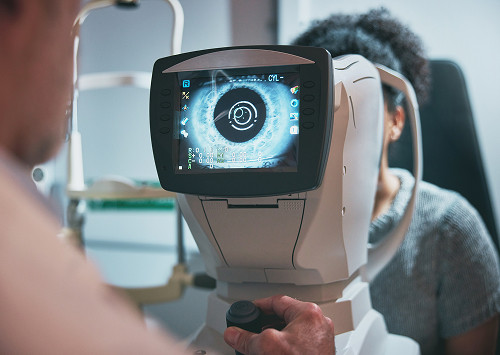
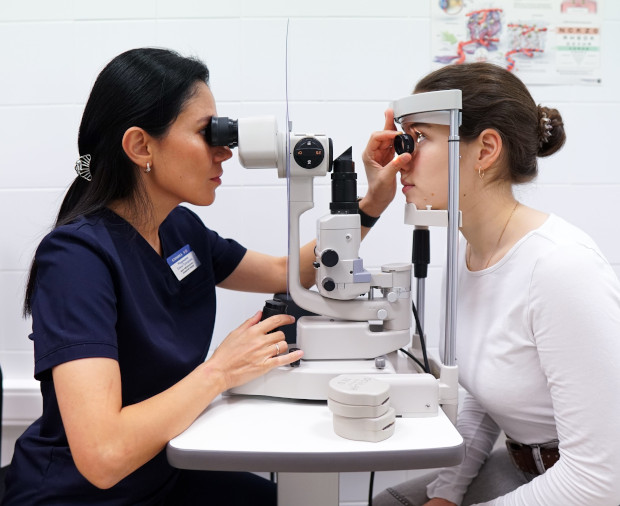
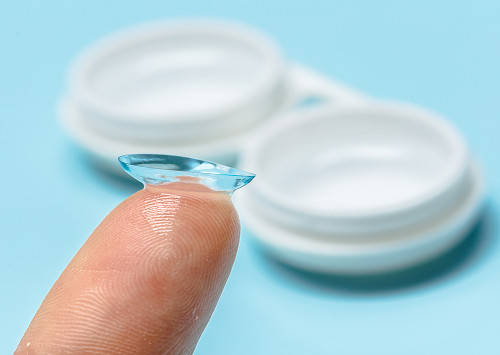
Contact lens fitting in Moscow begins with a diagnosis. The doctor evaluates not only the prescription but also the condition of the ocular surface: the cornea, conjunctiva, and tear film. This helps determine whether daily contact lens wear is suitable for the patient. At K+31, contact lens fitting is performed after an examination, trial fitting, and fit assessment.

Best specialists
Best
specialists
Expert equipment
Expert
equipment
Advanced diagnostic treatment
Advanced diagnostic
treatment
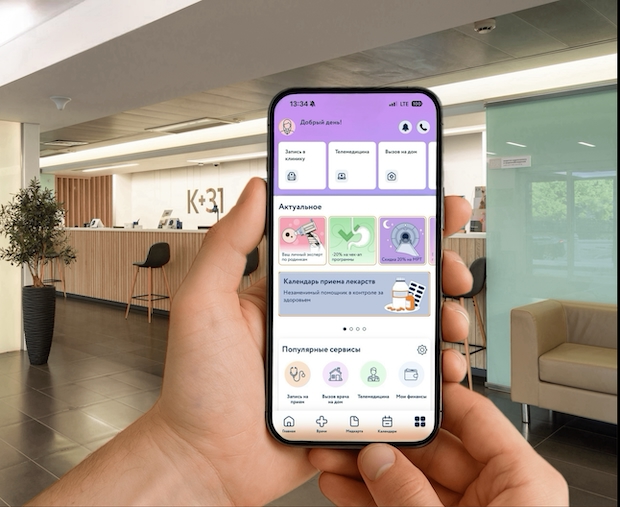
Download the application “Personal Account K+31”
Everything about your health in one click!
Subscribe to social networks K+31
To keep up to date with current offers and receive useful advice about your health.

Who is suitable for contact vision correction?

For some patients, contact lenses are an everyday solution. For others, they're a convenient option for sports, travel, or certain situations when glasses interfere with their daily routine.

Therefore, the doctor first examines why the patient needs contact lenses. They ask how much time the patient spends looking at a screen, how often they drive, and whether they experience dry eyes. This determines not only the type of correction but also the appropriate wearing schedule.

For nearsightedness, farsightedness, and astigmatism

Prescription lenses are prescribed for nearsightedness, farsightedness, and astigmatism. Nearsightedness makes it difficult for a person to see into the distance. Farsightedness causes eyes to tire more quickly at close range:

  • While reading
  • While using a screen
  • While viewing text on a phone

With astigmatism, clarity is reduced due to the shape of the cornea or lens. Images may appear blurry, double, or lose their outline.

In this situation, a doctor may prescribe toric lenses if they are suitable based on the examination results. For this correction, the cylinder axis, stable position on the eye, and vision quality under normal eye strain are important.

When Contact Lenses Are More Comfortable Than Glasses

Glasses are great for continuous correction, but they can sometimes get in the way during an active lifestyle. While driving, exercising, traveling, working shifts, or working with people, contact lenses can be more comfortable.

It's best to keep your glasses. They're needed in the evening, during a cold, when your eyes are irritated, or on days when it's best not to wear contact lenses. This allows the ocular surface to rest, and the patient doesn't lose clear vision.

Why properly fitted lenses give the best results
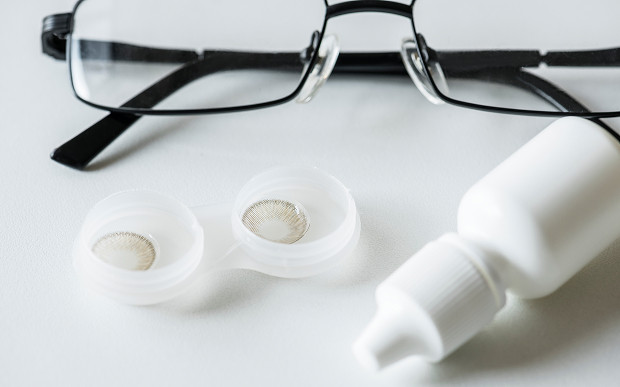
The correct lens should provide clarity and not cause tissue damage. If the material, diameter, or curvature are unsuitable, discomfort may occur even with precise diopters. Therefore, the selection of contact lenses requires an on-eye test.

Comfort in Everyday Life and Work

During the appointment, the doctor discusses the patient's typical day. How many hours does the patient spend looking at a screen, is there an air conditioner nearby, does the patient experience eye burning, and do the eyes become red in the evening? This information makes it easier to select contact lenses that will provide comfortable vision without the sensation of a foreign body.

If dry eyes are present, the tear film and eyelid condition are checked separately.
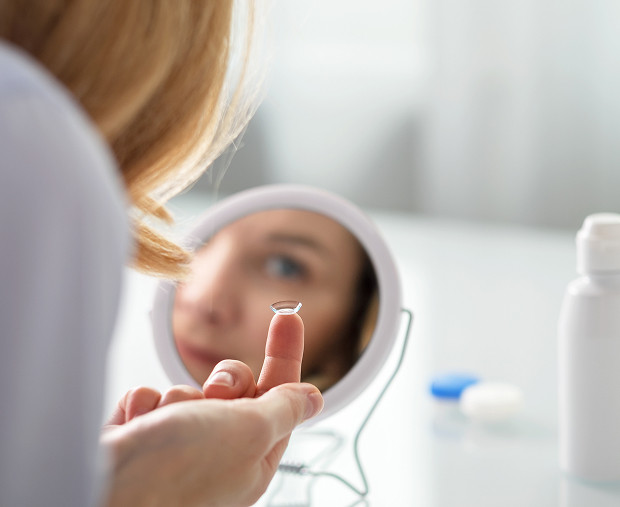
More Natural Vision Without Unnecessary Restrictions

The lenses are positioned on the surface of the eye and move with it. Therefore, vision is often perceived more naturally than with glasses, especially if the diopter difference between the eyes is large.

But even soft contact lenses need to be tested for mobility, centering, and tissue response.

A customized solution tailored to the patient's lifestyle

Individual selection is necessary because diopters alone are not enough. Two patients may see the same on a chart, but tolerate contact lenses differently.

One may have severe dryness, another may have a different corneal curvature, or a third may spend all day in front of a screen. Therefore, the doctor looks not only at the patient's vision test results but also at the conditions in which the patient will be using contact lenses.

General information

How We Fit Contact Lenses

At K+31, fitting contact lenses is done in stages. First, we collect your complaints and conduct an examination. Then, we select a trial lens, evaluate the fit, and explain the safe use.

Initial Vision Diagnostics and Complaint Collection

At the appointment, we first perform a vision test and determine your refraction. The doctor specifically asks:

  • Has the patient worn contact lenses before?
  • Have the patient had any allergies, inflammation, dryness, redness, or difficulty working on a computer?

It's also best to show old prescriptions.

A consultation with an ophthalmologist helps determine whether wearing contact lenses is possible immediately or whether factors that could interfere with correction need to be addressed first.

Measuring eye parameters and assessing lens fit

For an accurate choice, anterior segment measurements are needed. If necessary, keratometry (measurement of corneal curvature) is performed. After the fitting, the doctor evaluates the centering, mobility, and fit of the lens to eliminate pressure or unnecessary friction.

Trial fitting and comfort check

A trial fitting shows how the selected model performs on the eye. The patient evaluates image clarity, blinking, and stability. The doctor monitors tissue response and adjusts parameters if necessary.

The service includes the following main stages:

  • Collection of complaints and anamnesis
  • Vision diagnostics and refraction clarification
  • Eye parameter measurements
  • Trial fit of the selected model
  • Evaluation of vision quality and comfort
  • Training on safe wear
  • Monitoring after the adaptation period

After this, the patient receives specific recommendations. If the first option does not produce the desired result, the doctor changes the material, optical power, or wearing schedule.

Training on care and wearing regimen

Proper selection does not replace hygiene. It's important for patients to understand:

  1. How to put in contact lenses
  2. How to remove them without injury
  3. Where to store them and when to change them

Therefore, during our consultations, we discuss lens care in detail. The wearing regimen is tailored to the individual, taking into account the patient's eye sensitivity, experience, and the number of hours of visual strain.
How We Fit Contact Lenses

What types of contact lenses do we select?

The doctor selects the type of correction after an examination and fitting. Below is a quick comparison to help you understand the differences between the options.

Type Who is it for? Features
Daily Disposable Lenses For Beginners, People with an Active Schedule A new pair every day, virtually no maintenance required
Replaceable Lenses For Regular Wear Require Cleaning, Solution, and a Strict Replacement Schedule
Toric Lenses When Astigmatism The cylinder axis and stable position are important
Multifocal lenses For presbyopia Help you see at different distances

This table is not a substitute for an examination. It shows why one prescription is not suitable for all patients.

Disposable lenses

Disposable lenses are convenient because a new pair is used every day. This reduces the risk of storage errors. This option is often suitable for beginners and people who wear their lenses irregularly.

Replaceable lenses

Use according to the schedule specified by the manufacturer and agreed upon with your doctor. They are cleaned and stored in fresh solution. The replacement period should not be extended, even if the lens appears intact.

Toric lenses for astigmatism

They help achieve more stable focusing when the shape of the eye's optical system is distorted. If the lens rotates incorrectly, clarity is reduced. Therefore, proper fit control is especially important.

Multifocal lenses for age-related vision changes

Multifocal lenses are used for presbyopia, when it is difficult to read, use a phone, and shift your gaze between distances. Adaptation can sometimes take longer, so adaptation to the lenses requires monitoring.

What types of contact lenses do we select?

Why patients choose K+31

Patients choose K+31 because the contact lens fitting process is clear and consistent. The doctor guides them through the entire process: from the first fitting to clear instructions for wearing, care, and monitoring.

Individual approach and attention to detail

Individual fitting is especially important for patients with complex refraction, dryness, allergies, or previous unsuccessful attempts. The doctor evaluates not only visual acuity but also the patient's tolerance to the lens material. If contact lens correction is temporarily undesirable, the patient receives honest recommendations.

Adaptation monitoring after fitting

Adaptation to the lenses can be quick, but sometimes a follow-up check is necessary. Reasons include:

  • Redness
  • Burning
  • Dryness
  • Unstable clarity
  • Difficulty inserting

The doctor adjusts the parameters, mode, or type of optics.

A team of ophthalmologists and modern diagnostics

An ophthalmological examination at K+31 includes an assessment of vision, the cornea, eyelids, conjunctiva, and tear film. An ophthalmologist consultation is especially necessary in cases of chronic redness, inflammation, a history of surgery, or severe ocular sensitivity.

Sometimes it is necessary to restore the ocular surface first, and then return to correction.

Why patients choose K+31

Why You Shouldn't Fit Lenses Yourself

An eyeglass prescription is not a substitute for a medical lens fitting. The following are important for contact lenses:

  • Curvature
  • Diameter
  • Material
  • Fit
  • Replacement Schedule
  • Tolerance

Without this information, purchasing is a risk.

Risks of Incorrect Diameter, Curvature, and Material

Incorrect curvature or diameter can cause friction, misalignment, redness, and unstable vision. Sometimes a person sees clearly for the first few minutes, but pain or cloudiness develops later.

Therefore, contact lens fitting should be done under the supervision of a specialist.

Mistakes in Care and Wearing Modes

Contact lenses should not be rinsed with water, slept in without the recommended care, worn beyond the recommended replacement time, or reused. Improper lens care increases the risk of inflammation. The doctor will explain the rules and check the insertion technique.

Why You Shouldn't Fit Lenses Yourself

FAQ

Can contact lenses be fitted for astigmatism?

Yes, in many cases they can. The doctor will use toric lenses if they match the parameters of the eye.

How long does it take to fit the lenses?

Most often, the majority of the fitting is completed in one visit. Sometimes, a follow-up check is needed after a period of adjustment.

How do you know if the correct fit is available?

If discomfort occurs, remove the contact lenses and consult a doctor. At K+31, we provide support after the fitting to ensure soft contact lenses remain a safe part of everyday life.

Our doctors

Karapetyan Arevik Samvelovna
Experience 12 years
Make an appointment
Karapetyan
Arevik Samvelovna
Ophthalmologist, Laser Surgeon
Batalina Larisa Vladimirovna
Experience 33 years
Make an appointment
Batalina
Larisa Vladimirovna
Deputy chief physician for ophthalmology, ophthalmic surgeon, leading specialist in laser vision correction
Amiryan Anush Gamletovna
Experience 28 years
Make an appointment
Amiryan
Anush Gamletovna
Ophthalmic oncologist surgeon
Medvedev Yulia Alexandrovna
Experience 11 years
Make an appointment
Medvedev
Yulia Alexandrovna
Ophthalmologist, Laser Surgeon
Rudkovskaya Elena Mikhailovna
Experience 38 years
Make an appointment
Rudkovskaya
Elena Mikhailovna
Ophthalmologist
Tegniryadnova Ekaterina Valerievna
Experience 20 years
Make an appointment
Tegniryadnova
Ekaterina Valerievna
Ophthalmologist, laser surgeon
Fadeeva Victoria Anatolievna
Experience 13 years
Make an appointment
Fadeeva
Victoria Anatolievna
Doctor ophthalmologist, laser surgeon
Shamsetdinova Leila Tagirovna
Experience 17 years
Make an appointment
Shamsetdinova
Leila Tagirovna
Pediatric ophthalmologist
Gavrilina Polina Dmitrievna
Experience 8 years
Make an appointment
Gavrilina
Polina Dmitrievna
Ophthalmologist, laser surgeon
Sugonyaeva Olga Yurievna
Experience 26 years
Make an appointment
Sugonyaeva
Olga Yurievna
Ophthalmologist, laser surgeon
Khlunovskaya Anna Nikolaevna
Experience 8 years
Make an appointment
Khlunovskaya
Anna Nikolaevna
Ophthalmologist
Akhiyarova Azalia Azatovna
Experience 4 years
Make an appointment
Akhiyarova
Azalia Azatovna
Ophthalmologist
Putintseva Polina Andreevna
Experience 6 years
Make an appointment
Putintseva
Polina Andreevna
Ophthalmologist
Agafonova Oksana Sergeevna
Experience 21 year
Make an appointment
Agafonova
Oksana Sergeevna
Ophthalmologist, pediatric
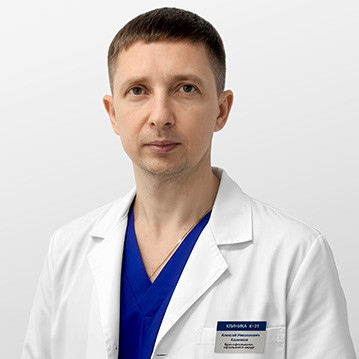
Kazennov Alexey Nikolaevich
Experience 19 years
Make an appointment
Kazennov
Alexey Nikolaevich
Ophthalmologist, ophthalmologist-surgeon
Petrova Maria Grigorievna
Experience 14 years
Make an appointment
Petrova
Maria Grigorievna
Ophthalmologist, ophthalmic surgeon
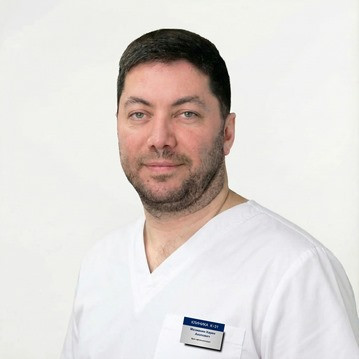
Mazmanyan Karen Akopovich
Experience 28 years
Make an appointment
Mazmanyan
Karen Akopovich
Ophthalmic surgeon
Suchkova Valeria Alekseevna
Experience 6 years
Make an appointment
Suchkova
Valeria Alekseevna
Ophthalmologist
Khubieva Salima Aslanbievna
Experience 7 years
Make an appointment
Khubieva
Salima Aslanbievna
Ophthalmologist, laser surgeon
Rytik Nina Petrovna
Experience 15 years
Make an appointment
Rytik
Nina Petrovna
Ophthalmologist
All specialists
2GIS Award
2GIS Award

This award is given to clinics with the highest ratings according to user ratings, a large number of requests from this site, and in the absence of critical violations.

«Good place» according to Yandex

This award is given to clinics with the highest ratings according to user ratings. It means that the place is known, loved, and definitely worth visiting.

Our doctors are laureates of the ProDoctors Award

The ProDoctors portal collected 500 thousand reviews, compiled a rating of doctors based on them and awarded the best. We are proud that our doctors are among those awarded.

Make an appointment at a convenient time on the nearest date

Price

Reception
Price
Initial Ophthalmologist Appointment
from 6 450 ₽
Corneal Collagen Crosslinking with Ultraviolet Irradiation
from 52 500 ₽
Femtosecond Laser-Assisted Intrastromal Segment Implantation
from 200 000 ₽

Other services

Laser vision correction Phacoemulsification of cataract with IOL implantation of any complexity Vitreoretinal surgeries of any complexity (vitrectomy) Laser photocoagulation of the retina during tears and degenerative changes in the retina Laser photocoagulation for diabetic retinopathy Intravitreal administration of Anti-VEGF drugs, hormonal implants Antiglaucomatous operations using various drains YAG laser dissection of the posterior capsule for secondary cataract Cataract treatment Treatment of glaucoma Retinal dystrophic changes Vitreous pathology Injury to the eye Post-traumatic and postoperative complications Myopia treatment Farsightedness Treatment of astigmatism Retinal disinsertion Non-contact laser procedure SMARTSURFACE Keratoplasty Femto SUPER LASIK Laser coagulation of the retina of the eye treatment on Ellex Integre Pro Scan Treatment of the retina with the Navilas laser system Femtolaser Cataract Removal Selection of children's night lenses Laser vision correction Clear Офтальмолог-онколог в Москве Treatment of keratoconus Laser coagulation of the retina Refractometry Retrobulbar injections Restoration of vision Lacrimal ducts Eye wash Synoptophore Forbis ESOM Pediatric ophthalmologist Ophthalmologist Glasses Biomicroscopy Night lenses Photo of an eye Eyelid suturing Retinal laser Vision test Vitrectomy Vitrectomy Vitrectomy Eye pressure Ophthalmoscopy Fundus Gonioscopy Discision Orbitotomy Ophthalmodiagnostics OCT of the optic disc Keratoplasty Crystalline lens replacement Lacrimal duct Eye biometrics Angle of strabismus Lacrimal point IOL implantation Heterophoria Refraction Needling pillows Sclerectomy Micropulse laser Eyelid massage Intravitreal injections Iridoplasty Accommodation Bacterial culture Ophthalmology Cyclophotocoagulation Laser trabeculoplasty Laser stimulation Makdel Iridotomy Goniopuncture Corneal crosslinking Perimetry Pachymetry Angio-OCT Tubular test Color vision Convergence test Autofluorescence Eye mobility Corneal diagnostics Corneal transplant Skiascopy Strabismus Injection in the eye Tonometry Schirmer's test Trabeculotomy Diaphanoscopy Foreign body Foreign body Eyelid neoplasms Retinal tear Pterygium Chalazion Pneumatic retinopexy Glaucoma Ultrasound of the eye Eye biometrics Improving vision Cataract removal An attack of glaucoma Night lenses Eyelid ptosis Vision correction Angiography of the eye Retinoblastoma Laser coagulation PRK Orbital exenteration Evisceration of the eye Exophthalmometry PresbyLasik Removal of the lens Retinal thrombosis Nystagmus Lacrimal duct Eye removal Optic nerve Eyelash removal Neoplasms of the eyelids Myopia PRP therapy Autorefractometry Anti-VEGF Iris melanoma Glaucoma treatment Megalocornea Macular degeneration AMVO-01 Visotronik Amblyopia Accommodation Ametropia Cataract Lagophthalmos Anisometropia Asthenopia The optic nerve Dry eye syndrome Strabismus Aphakia Retinal coagulation Eyesore Blepharitis Eyelid spasm Blepharochalasis Blepharophimosis Myopia Vitrectomy Presbyopia Glaucoma Cataract Glaucoma Conjunctivitis Secondary cataract Dislocation of the lens Eversion of the eyelid Keratoconus Keratoglobus Keratitis Night blindness Ocular herpes Farsightedness Retinopathy Hypoplasia Eye strain Visual syndrome Coloboma Keratopathy Glaucoma Optic glioma Keratoconjunctivitis Cataract Dacryocystitis Color blindness Retinal dystrophy Flies Retinopathy Iritis Stye Corneal ulcer Endophthalmitis Exophthalmos Iridocyclitis Glaucoma Retinal dystrophy Chorioretinitis Choroiditis Chalazion Phlegmon Uveitis Corneal dystrophy Retinitis Trachoma Strabismus Accommodation spasm Retinoblastoma Retinopathy Refraction (Visual Impairments) Strabismus Blind spot Dry eye Scleritis
Make an appointment

Appointment to the doctor

Fill out the form, our managers will contact you within 15 minutes

Reviews

I was lucky to get an appointment with ophthalmologist E. M. Rudkovskaya, a pleasant and responsive person, an excellent specialist who explains in detail all the subtleties of examinations and treatment. Thank you so much, Elena Mikhailovna!
28.07.2026
Nadezhda A.
The reception was held at the highest level. I liked everything. The doctor is simply the best ophthalmologist in Moscow. The communication was pleasant, I listened to everything, conducted research and made recommendations. I'll come back more than once.
28.07.2026
Andrey P.

About doctor:

Rytik Nina Petrovna

Very pleasant Dr. Shamsetdinova L.T.
25.07.2026
Viktoriya D.
Everything is fine. She conducted a number of studies, listened attentively, was very pleasant in communication, explained everything clearly. I am satisfied.
21.07.2026
Svetlana S,
A great professional doctor, responsive, thoughtful, positive, attentive to the patient.
18.07.2026
Aleksandr K.
I signed up for a check-up and accidentally got to Azalea Azatovna and I am very happy that I got to her! He is a very sensitive and attentive doctor, the operation to restore vision was excellent and easy, for which thank you very much! After the operation, I realize that I shouldn't have waited and feared so much, with such a professional in his field, nothing is scary!thank you very much!!!
16.07.2026
Irina S,
The reception was professional and unobtrusive. Additional examinations and diagnostics were carried out using modern equipment. During the consultation and examination, Polina Dmitrievna explained everything in detail and intelligibly, gave me clear recommendations, and answered all questions in detail. Polina Dmitrievna is a polite, attentive and simply amazing doctor. The clinic as a whole enjoys the atmosphere, responsiveness of the staff and the professionalism of the specialists.
11.07.2026
Nikolay K.
Rudkovskaya E.M. is an excellent doctor, if you need an ophthalmologist, I go to her. A very competent specialist. Explains everything by diagnosis. Comprehensively evaluates the condition, checking all the parameters.
11.07.2026
Vera S.
Wonderful doctor!
10.07.2026
Natalya P.
An excellent specialist. I am very pleased with the reception. Thanks to the doctor
08.07.2026
Svetlana U.
Почему К+31?
К + 31 — full-cycle multidisciplinary medical centers, including the possibility of providing medical services of European quality level.
К + 31 — are leading doctors and diagnostics using high-tech equipment from world manufacturers (Karl Storz, Olympus, Siemens, Toshiba, Bausch&Lomb, Technolas, Zeiss, Topcon).
К + 31 — is ethical. The staff of K+31 clinics maintain open relationships with patients and partners. An individual approach to each patient is the basis of our service standards.
К + 31 — is modernity. On call 24/7: call center operators will answer your questions at any time and book you an appointment with doctors. Contact us by phone, through the feedback form on the website and Max.

Our clinics

Address K+31 Lobachevskogo 2

st. Lobachevskogo, 42/7

Contacts

+7 499 999-31-31

Opening hours

Mon-Fri: 08:00 – 21:00
Weekend: 09:00 – 19:00

Address K+31 on Lobachevskogo

st. Lobachevskogo, 42/4

Contacts

+7 499 999-31-31

Opening hours

Mon-Fri: 08:00 – 21:00
Weekend: 09:00 – 19:00

Address K+31 Petrovskie Vorota

1st Kolobovsky pereulok, 4

Contacts

+7 499 999-31-31

Opening hours

Mon-Fri: 08:00 – 21:00
Sat-Sun: 09:00 – 19:00

Address K+31 West

Orshanskaya, 16/2; Ak. Pavlova, 22

Contacts

+7 499 999-31-31

Opening hours

Mon-Fri: 08:00 – 21:00
Sat-Sun: 09:00 – 18:00
K+31 on Lobachevskogo
Didn't find the service you were looking for?

Экстренная помощь