
Cellulitis: Symptoms and Treatment of Suppurative Inflammation of Soft Tissue
Cellulitis is not a small abscess. It is a purulent inflammation of soft tissue that spreads without a clear capsule. Therefore, pain, swelling, redness, and fever require prompt evaluation by a surgeon.
We diagnose cellulitis and determine the depth of the process. Only then do we choose a safe treatment plan.

specialists

equipment

treatment






Why does phlegmon develop?
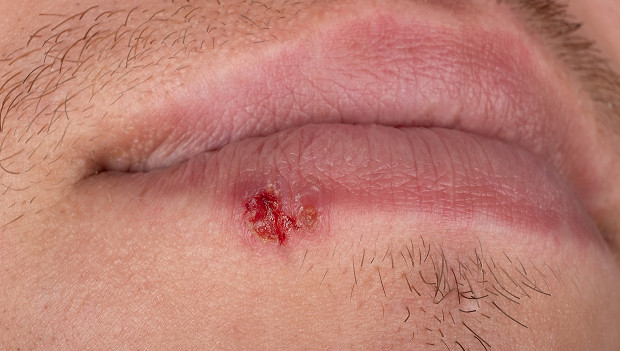
Inflammation usually develops after bacteria enter tissue. The entry point is a skin lesion. However, most often, a doctor will look at several groups of causes:
- Cuts, abrasions, punctures, and contaminated wounds
- Skin cracks due to dryness, diabetes, or poor blood supply
- Spread of infection from a boil, abscess, or whitlow
- Decreased immune defense and chronic diseases
- Delayed treatment of an injury or attempts to open the lesion at home
The exact source of inflammation or tissue changes is determined after examination and, if necessary, additional testing.

Infection through wounds, cracks, and microtraumas
Infection most often enters through skin damage: scratches, punctures, cracks, bites, injections, or injuries. Therefore, even a small entry defect can sometimes become the beginning of a deeper process.
Risk factors: immunity, chronic diseases, injuries
The risk is higher in diabetes, poor blood circulation, weakened immunity, and after untreated purulent lesions. The doctor takes these factors into account to assess the prognosis and determine the extent of treatment.
Which areas are most often affected?
The doctor evaluates the situation after an examination, because similar complaints can have different causes. An individualized assessment helps detect important changes and select treatment based on the actual clinical picture.
Symptoms of phlegmon
Symptoms of cellulitis usually progress. Local manifestations may be accompanied by fever, weakness, and signs of intoxication.
A consultation is recommended if you experience the following complaints:
- Increasing swelling, redness, and tissue tension
- Pain that intensifies with movement or touch
- A lump without clear boundaries
- Fever, chills, weakness
- Appearance of purulent discharge or areas of softening
Even one pronounced symptom is best assessed in person, especially if it appears quickly or affects vision and general well-being.
Local signs: swelling, redness, pain, and hardening.
Local signs include swelling, redness, tenderness, a feeling of fullness, and a firm, undefined area. The skin may be warm, and movement in the surrounding area may be limited.
General symptoms: fever, weakness, intoxication
General symptoms indicate the body's reaction. Possible symptoms include:
- Fever
- Chills
- Weakness
- Headache
- Loss of appetite
If these symptoms occur, it's best not to delay a visit to the surgeon.
When should you urgently see a surgeon?
You should see a surgeon immediately:
- If swelling is rapidly increasing
- If you have sharp pain
- If you have a high fever
- If you have blurred vision or weakness
Delaying treatment increases the risk of infection, so it's best to have an examination the same day as any warning signs appear.
General information
How We Diagnose
During the appointment, the surgeon clarifies the patient's complaints, examines the affected area, and assesses the depth of the process and the patient's overall condition. If necessary, tests and an ultrasound are prescribed.
The examination typically follows these steps:
- We assess the area of inflammation, pain, swelling, and skin condition.
- We take the patient's temperature and assess their overall well-being.
- We order blood tests if there are signs of a systemic reaction.
- We use ultrasound or other methods if necessary to determine the depth of the lesion.
- We determine whether surgical debridement and drainage are required.
After the diagnosis, the doctor explains the results and agrees on further actions.
For clarity, we compare key landmarks that help understand the logic of the examination.
| Signature | Cellulitis | Abscess | Furuncle |
|---|---|---|---|
| Borders | diffuse | usually a clear cavity | localized lesion |
| Speed | can spread rapidly | usually limited | develops around a follicle |
| Treatment | often requires surgery Help | Incision and drainage | Local treatment or incision as indicated |
| Risk | High if delayed | Depends on size | Usually lower |
The table helps you navigate the situation, but the choice of tactics always rests with the doctor after an in-person examination.
Examination and collection of complaints
The doctor determines when the pain, swelling, and fever appeared, and whether there was an injury, bite, injection, or previous purulent lesion. Then, the doctor compares local changes with the patient's overall condition.
Tests and Instrumental Methods
Blood tests help assess the inflammatory response, and ultrasound confirms the presence of a purulent cavity and the depth of the lesion. Additional methods may be needed for complex lesions.
How to Determine the Extent of Inflammation
Extent is determined by the area of swelling, tenderness, tissue density, skin temperature, and examination data. This helps determine whether urgent surgical debridement is necessary.




Frequently Asked Questions
Below are answers to frequently asked questions from patients. They are helpful for orientation, but do not replace an in-person examination and diagnosis.
Is it possible to cure cellulitis without surgery?
How is cellulitis different from an abscess?
How dangerous is cellulitis?
What should you do before seeing a doctor?

References
- https://cr.minzdrav.gov.ru/
- https://www.msdmanuals.com/ru/professional/rasstroyshurgii/infektsii-myaggih-tkanei/flegmona
- https://cyberleninka.ru/search?q=%D1%84%D0%BB%D0%B5%D0%B3%D0%BC%D0%BE%D0%BD%D0%B0
- https://elibrary.ru/query_results.asp?query=%D1%84%D0%BB%D0%B5%D0%B3%D0%BC%D0%BE%D0%BD%D0%B0
- https://www.rmj.ru/
- https://www.mediasphera.ru/
Our doctors





















This award is given to clinics with the highest ratings according to user ratings, a large number of requests from this site, and in the absence of critical violations.

This award is given to clinics with the highest ratings according to user ratings. It means that the place is known, loved, and definitely worth visiting.

The ProDoctors portal collected 500 thousand reviews, compiled a rating of doctors based on them and awarded the best. We are proud that our doctors are among those awarded.
Make an appointment at a convenient time on the nearest date
Price
Other services

Appointment to the doctor
Reviews





















Our clinics


Application “Personal Account K+31”












What is phlegmon and why is it dangerous?
Phlegmon is a diffuse purulent inflammation of soft tissue. Unlike an abscess, the lesion is not always confined to a cavity, so the infection can spread through the tissue, fascia, and intermuscular spaces.
Diffuse Inflammation
Diagnosis of phlegmon begins with an examination. It is important to understand how far the inflammation has spread and whether there are any signs of complications.
How is phlegmon different from an abscess?
An abscess often has a more distinct cavity filled with pus, while phlegmon spreads throughout the tissue. In real-life situations, these conditions can coexist, so the surgeon determines the appropriate treatment after examination and testing.
Why the condition requires urgent attention?
An urgent consultation is necessary if complaints worsen, severe pain occurs, vision deteriorates, or the general condition changes. In such a situation, it is safer to undergo an immediate in-person examination than to wait for the condition to improve on its own.