
Refractive errors: what they are and how vision is corrected
Refractive errors manifest themselves simply. A person sees less clearly at a distance, less clearly at close range, or notices that images blur under any strain. But the familiar phrase "poor vision" can indicate various refractive errors—myopia, hyperopia, astigmatism, or presbyopia.
To ensure accurate vision correction, it's important for the doctor to understand where exactly the light focusing is impaired. Self-selecting glasses often only increases visual fatigue.

specialists

equipment

treatment



The main types of refractive errors
Now let's look at the main types of pathologies.
Myopia (nearsightedness)
Myopia, or nearsightedness, occurs when the image focuses in front of the retina. A person sees clearly up close, but has difficulty distinguishing distant objects. Myopia often manifests as squinting. It can also manifest as a desire to move closer to a screen or difficulty reading signs.
In children and adolescents, myopia requires regular monitoring. The doctor evaluates:
- Dynamics
- Refraction of the eye
- Visual load
- Risk of progression
Vision correction is selected individually: glasses, contact lenses, or special myopia control methods are discussed after the examination.

Hyperopia (farsightedness)
Hyperopia, or farsightedness, is associated with focusing images behind the retina. At a mild degree, a person can compensate for this for a long time by accommodating effort. However, the price of this compensation is visual fatigue, headaches, and heaviness in the eyes after reading.
In children, hyperopia may be normal, but severe farsightedness requires monitoring. An ophthalmologist checks for the risk of strabismus, amblyopia, and persistent eye strain. Glasses are prescribed only after diagnosis.
Astigmatism
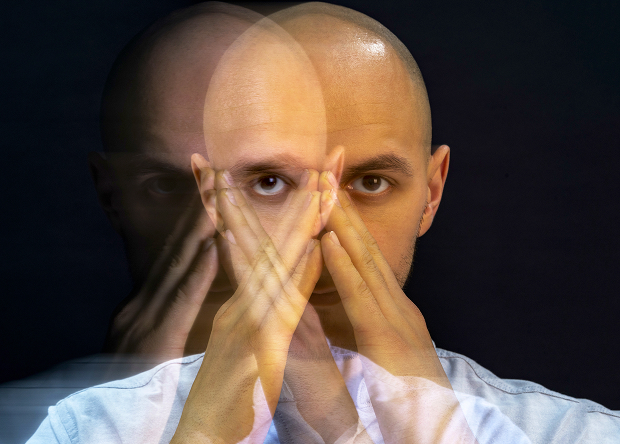
Astigmatism occurs when different meridians of the cornea or lens refract light differently. Images are distorted, letters may appear double, and lines appear jagged. Astigmatism occurs alone or in combination with myopia and hyperopia.
Accurate correction requires specialized parameters. A standard "weak lens" does not always provide comfort. The doctor performs autorefractometry, keratometry, and checks visual acuity. Then, the doctor selects glasses or contact lenses based on tolerance.
Presbyopia
Presbyopia is an age-related decrease in the ability to focus near objects. A person typically notices that they move their phone or book away. Small text requires brighter light. This is due to changes in the elasticity of the lens, rather than fatigue being the sole cause.
Symptoms that should alert you
If you experience any of the following symptoms, you should immediately consult a doctor.
Blurred vision at a distance or near
This is the main sign that an eye examination is needed. Myopia means difficulty seeing into the distance, presbyopia means difficulty seeing close-up text, and astigmatism can blur images at various distances. Hyperopia often manifests as fatigue and discomfort when working close.
Eye fatigue, headaches, squinting
Visual fatigue, headaches after reading, the urge to squint, or rub your eyes shouldn't be attributed solely to your routine. These are often signs that your eye's refraction isn't keeping up with your visual load. Such complaints should be especially closely monitored in schoolchildren and office workers.
Decreased performance in adults and academic achievement in children
Refractive errors interfere with good vision. A child may also:
- Get tired more quickly in class
- Have trouble copying from the board
- Avoid reading
Adults notice that by the end of the day, concentration declines, eyestrain develops, and it's harder to work with small details.
Why do refractive errors occur?
Refractive errors are usually related to the length of the eyeball. They are also linked to the shape of the cornea and hereditary predisposition. If the parents have myopia or severe astigmatism, regular eye exams are beneficial for the child. Early screening helps detect changes before persistent complaints develop.
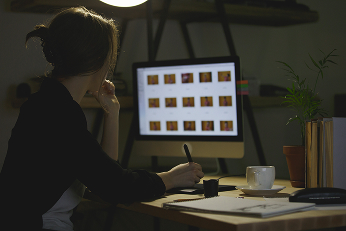
- Visual strain and screen time Prolonged close-up work, screen time, poor lighting, and lack of breaks all increase visual fatigue. These factors don't always cause refractive errors on their own. However, they can accelerate the development of an existing problem. Therefore, a proper eye strain regimen is important in conjunction with medical correction.
- Age-related changes With age, the lens's function changes, leading to presbyopia. A person who previously had good vision may need glasses for near vision. If astigmatism, myopia, or hyperopia are present, corrective lenses become more difficult to find.
How is vision diagnostics performed?
Visometry and visual acuity testing
Visometry shows how well a patient sees distance and, if necessary, near vision using charts. But visual acuity is only part of the picture. The doctor compares the results with the patient's complaints, age, and physical examination data.
Autorefractometry and keratometry
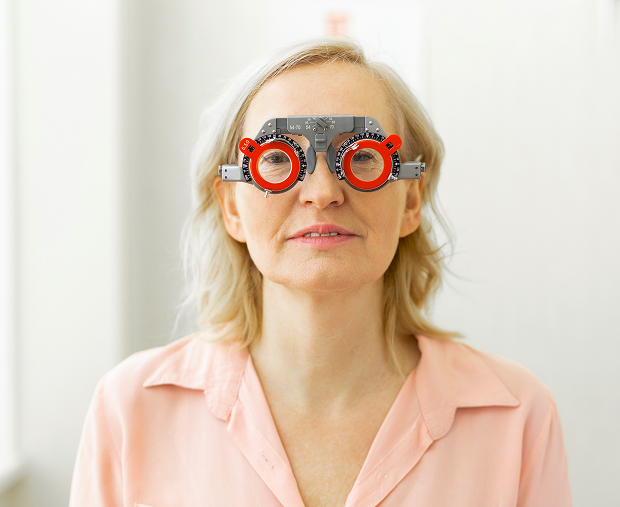
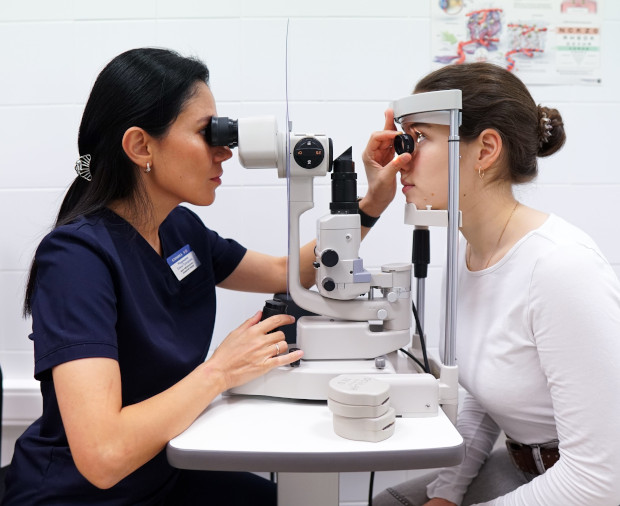
Autorefractometry helps measure approximate refractive parameters, while keratometry evaluates corneal curvature. This data is especially important for astigmatism and contact lens fitting. The final vision correction is determined after testing in a trial frame and assessing comfort.
Examination of the fundus and additional studies
An eye examination isn't limited to just selecting a prescription. An ophthalmologist can examine the fundus, assess the condition of the retina, measure intraocular pressure, and prescribe additional tests. This is important if vision has deteriorated sharply or if there are alarming symptoms.
Selection of glasses or contact lenses
Glasses are selected based on refraction, tolerance, interpupillary distance, eye strain, and the patient's goals. Contact lenses require an ocular surface assessment and care training. A customized fit helps ensure not only precise but also comfortable correction.
Main types of refractive errors
| Type of refractive error | How the patient sees | Common complaints | How correction is usually done |
|---|---|---|---|
| Myopia | Poor vision at distance | Squinting, fatigue | Glasses, contact lenses, laser correction when indicated |
| Hyperopia | Difficulty seeing up close | Rapid fatigue, headaches | Glasses, contact lenses |
| Astigmatism | Distorted vision | Blurred vision, discomfort | Special glasses, toric lenses |
| Presbyopia | Difficulty reading up close | Text moving away, eye strain | Near vision glasses, multifocal correction |
General information
Correction methods and solutions
Glasses remain a simple and safe method of correction. They are suitable for children, adults, people with various workloads, and most refractive errors. Spectacle correction should be prescribed by a doctor, as incorrect parameters can increase discomfort.
Contact lenses
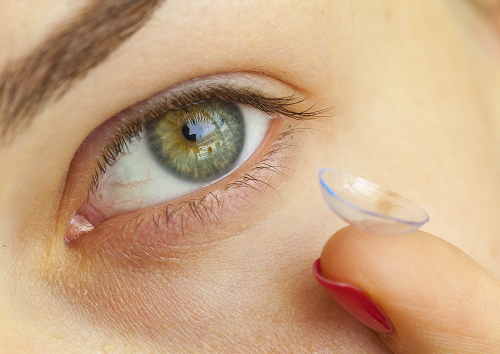
Contact lenses are convenient for an active lifestyle and sports. They are also suitable for patients with a large difference between the eyes. However, they require:
- Diagnostics
- Lens selection
- Tear film assessment
- Care training
Contact lenses should not be worn without supervision if they are dry, red, or painful.
Laser correction based on indications
Laser correction is considered in adult patients after a complete examination. The doctor evaluates the thickness and shape of the cornea, examines refractive stability, contraindications, and the patient's expectations. This method is not suitable for everyone. Therefore, a decision is made only based on the indications.
Monitoring and progress monitoring
For children with myopia, severe hyperopia, astigmatism, and frequent complaints, progress monitoring is important. The doctor monitors whether the refraction is changing, whether the correction is sufficient, and whether there are any complications. Monitoring helps adjust the plan in a timely manner.
"In our practice, patients often come when their vision is already significantly interfering with their work and daily life." Our goal is not just to confirm a refractive error, but to accurately determine its type and select a solution that suits the patient's lifestyle, workload, and expectations."
— ophthalmologist.



FAQ
What are refractive errors?
How do I know if I have a refractive error?
Is it possible to completely cure refractive errors?
Which is better: glasses or contact lenses?
There is no universal answer. Everything depends on your lifestyle, the severity of your vision impairment, your eye condition, and your doctor's recommendations. We tailor the solution to your individual needs.
If your vision has become less clear or your previous glasses are no longer helping, schedule an examination at K+31. An ophthalmologist will check your refraction, explain the cause of your complaints, and select the vision correction that best suits your needs.
Clinical Guidelines of the Ministry of Health of the Russian Federation — https://cr.minzdrav.gov.ru/
Ministry of Health of the Russian Federation — https://minzdrav.gov.ru/
eLIBRARY — https://elibrary.ru/
Russian Medical Journal — https://www.rmj.ru/
Media Sphera Publishing Group — https://mediasphera.ru/
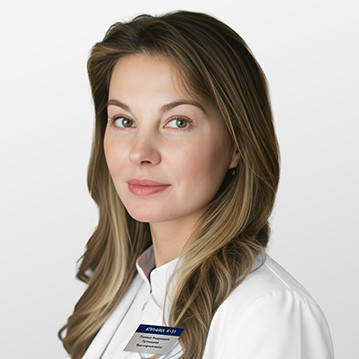
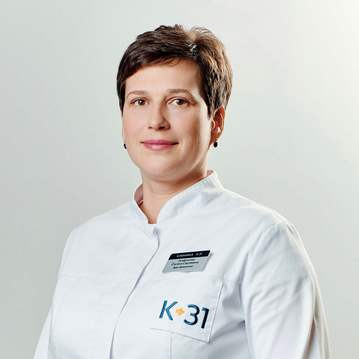
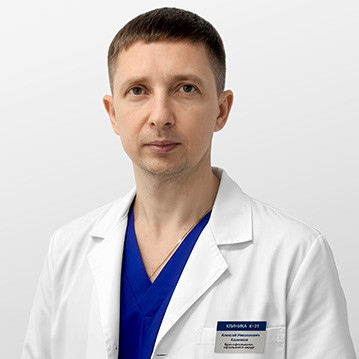
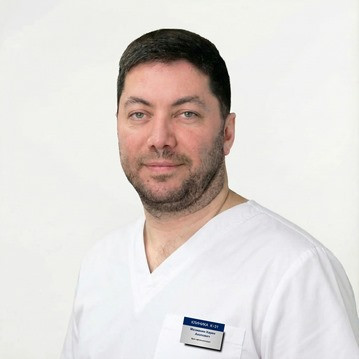
Our doctors


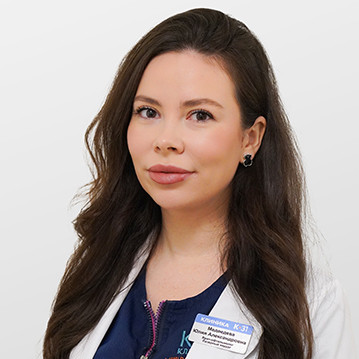


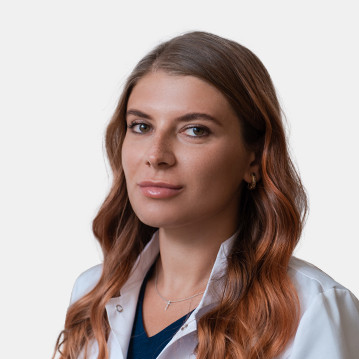

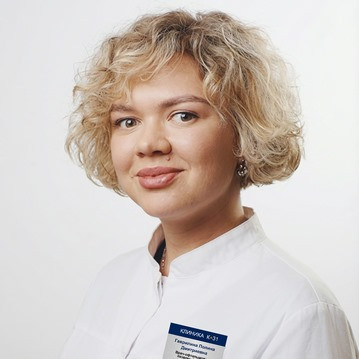


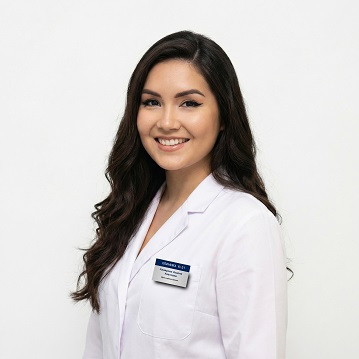



This award is given to clinics with the highest ratings according to user ratings, a large number of requests from this site, and in the absence of critical violations.

This award is given to clinics with the highest ratings according to user ratings. It means that the place is known, loved, and definitely worth visiting.

The ProDoctors portal collected 500 thousand reviews, compiled a rating of doctors based on them and awarded the best. We are proud that our doctors are among those awarded.
Make an appointment at a convenient time on the nearest date
Price
Other services

Appointment to the doctor
Reviews
Our clinics

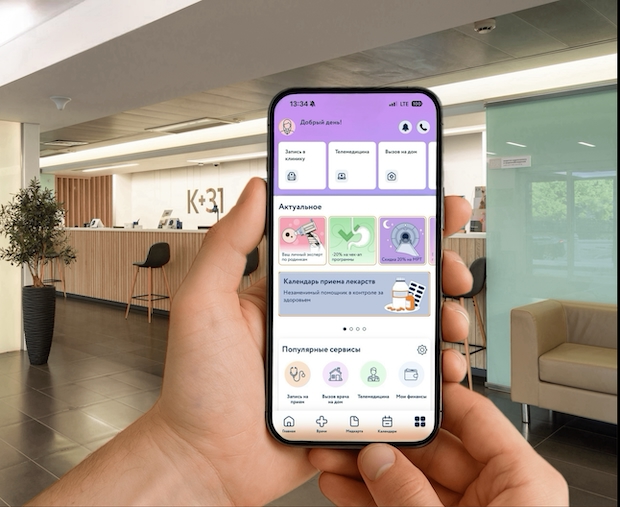
Application “Personal Account K+31”









What are refractive errors?
This is the ability of the optical system to refract light so that an image is focused on the retina. This is accomplished by:
If the focus shifts in front of the retina, behind it, or is formed unevenly, visual impairment occurs.
Normal visual acuity allows a person to clearly see objects at different distances. With a refractive error, the image becomes blurry. The brain and eye muscles attempt to compensate for the focusing error. This causes strain, headaches, and eye fatigue.
The dangers of focusing errors
Refractive errors are not always dangerous in themselves. However, without proper correction, they reduce quality of life. In children, persistent blurred vision can interfere with visual development. In adults, screen time, driving, reading, and concentration are impaired.
An ophthalmologist evaluates more than just diopter readings. The following are also important:
Therefore, a vision diagnosis should be comprehensive and not limited to trying on the first pair of suitable lenses.