
Chalazion (hailstone) Removal in Moscow
One of the common ophthalmological problems that people seek medical attention for is a dense, painless or faint round formation. In medical practice, this condition is called a chalazion, and in common parlance, it is often referred to as a hailstone due to its characteristic shape and density. This condition not only spoils the appearance of the face but can also cause constant discomfort, put pressure on the eyeball, and lead to visual impairment.

specialists

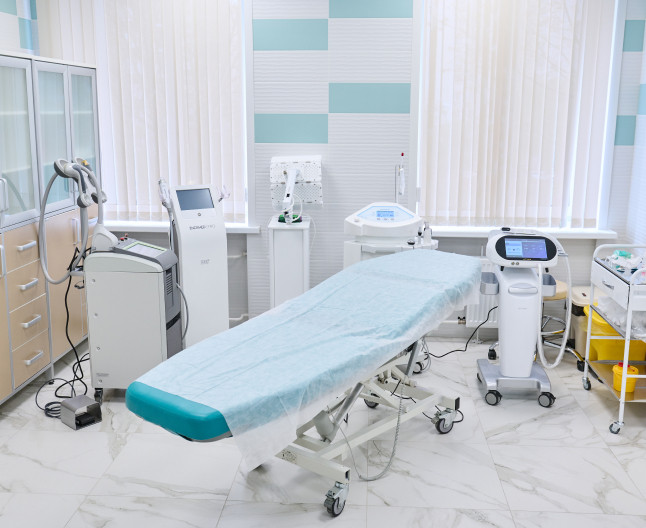
equipment

treatment






When do we recommend chalazion removal?
Main indications for the procedure
Chalazion removal surgery is necessary if:
- The growth does not resolve over a long period of time and does not decrease in size
- The nodule has become dense, has formed a hard shell, and is noticeable to others
- There is significant cosmetic discomfort that impairs quality of life
- A large chalazion interferes with vision, constantly presses on the cornea, and causes astigmatism
- The inflammatory process in the eyelid recurs over and over in the same place
When can conservative treatment be tried?
When the duct has recently become blocked and a dense connective tissue capsule has not yet grown around it, there is a chance to resolve the problem without surgery. During this period, an ophthalmologist may prescribe a course of anti-inflammatory drops and antibacterial ointments, as well as a gentle eyelid massage to stimulate drainage.
To clearly illustrate the differences in approaches and help you navigate, we have compiled a comparison table:
| Method | When is it suitable? | Pros | Limitations |
|---|---|---|---|
| Conservative treatment | Early stage of the disease | Without surgery | Not always effective for older nodes |
| Surgical removal | Formed Dense Chalazion | Fast and effective | Local anesthesia required |
| Laser Chalazion Removal | Selected Clinical Cases | Precision, gentle approach | Not suitable for all patients |
Any attempts to squeeze, puncture, or warm the lump at home can lead to serious consequences. If you notice a dense lump, do not delay and schedule an appointment with a specialist.
How is chalazion removal performed?
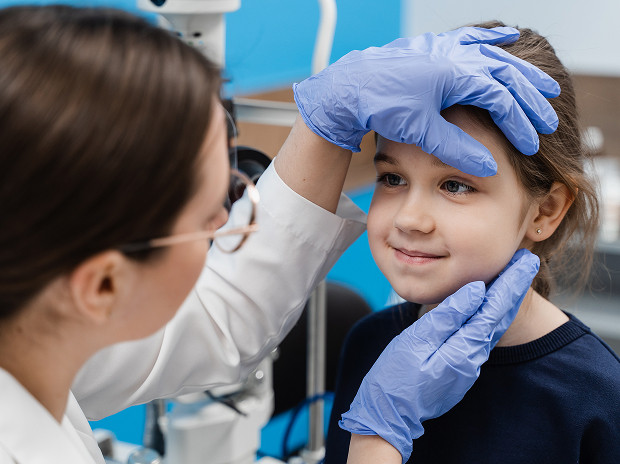
Diagnosis and Preparation for the Procedure
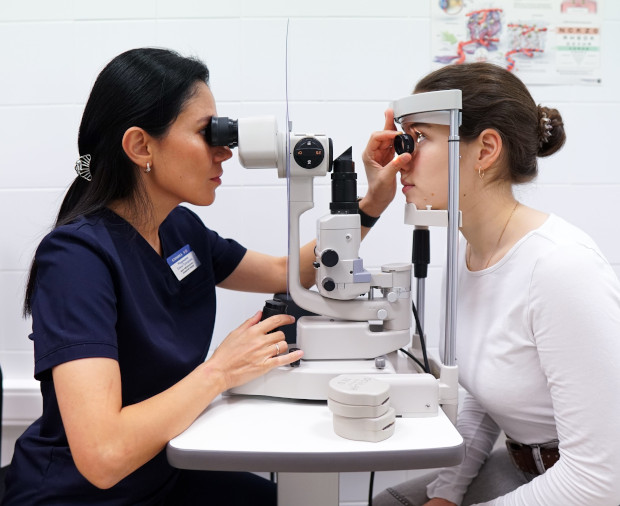
Chalazion treatment always begins with an eye examination using a slit lamp. The VTAC examiner assesses the condition of the eyelid skin, the patency of the sebaceous gland ducts, and the extent of involvement of surrounding structures. They must ensure that the lesion is indeed a chalazion and not another conjunctival or skin pathology.
Before the procedure, it is recommended to undergo basic blood tests, avoid the use of makeup on the day of the procedure, and abstain from alcohol.
What the patient feels immediately after removal
As the anesthetic gradually wears off, the patient may feel a slight aching pain or heaviness in the eye. Under the bandage, temporary swelling, slight redness of the skin, and moderate tearing may be observed in the first few hours, which are the body's standard response to tissue trauma.
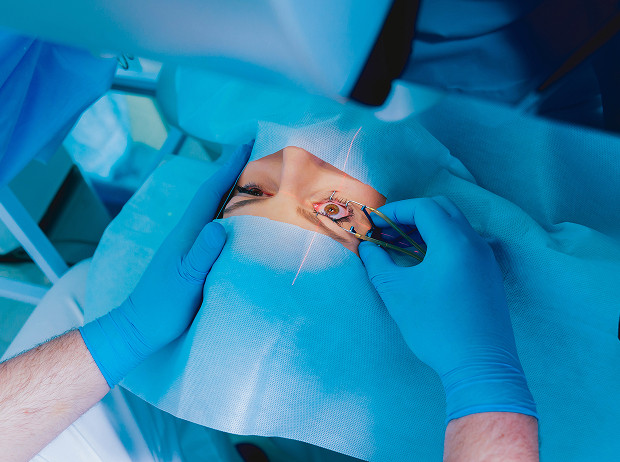
Local Anesthesia and Removal Stages
The entire procedure is performed on an outpatient basis, takes approximately 15-20 minutes, and does not require hospitalization. The patient is positioned in a comfortable chair or on the operating table. To prevent discomfort, local anesthesia is used.
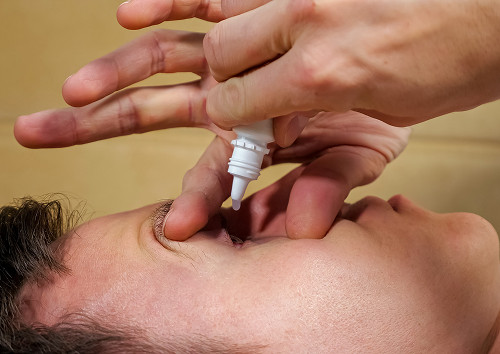
First, the doctor applies numbing drops to the conjunctiva, then administers a thin injection of anesthetic directly into the eyelid near the nodule. The medication begins to work immediately, completely numbing pain.
After this, the surgeon applies a special fenestrated clamp to the eyelid, which secures the tissue, prevents bleeding, and protects the eyeball. The incision is most often made on the inside of the eyelid, through the mucous membrane. Next, the doctor carefully isolates and removes the capsule along with its altered contents. The area is thoroughly cleaned with an antiseptic, and the clamp is removed. Finally, a tight pressure bandage is applied to the eye.
General information
Chalazion Removal Methods
Surgical Removal
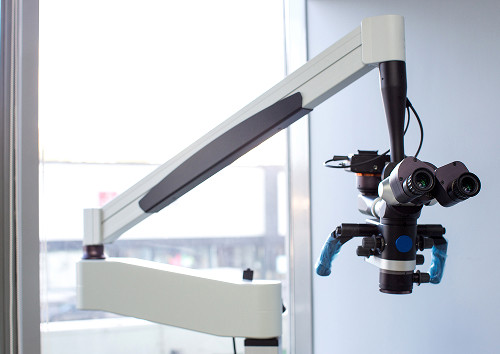
The surgery is performed using a microscope. This method allows for effective treatment of large, long-standing, and multiple lesions with a thick fibrous capsule. The surgeon can completely enucleate the capsule, eliminating the possibility of leaving pathological cells within the cartilage. The incision on the conjunctival side heals on its own within a few days and does not require sutures, making the procedure as comfortable as possible.
Laser Removal
A more modern alternative to the classic knife is laser chalazion removal, which uses a focused laser beam instead of a scalpel to make the tissue incision. The laser not only dissects the mucous membrane but also simultaneously coagulates blood vessels, making the procedure virtually bloodless. The altered contents of the node and its shell are vaporized under high energy.
Which method do we choose in a specific situation?
We evaluate the duration of the process, the density of the node, its exact location, and the patient's age. Large and old hailstones are best removed using traditional surgery. For small lesions in the early stages of shell formation or with a high risk of bleeding, laser can be successfully used.
Frequently asked questions
Is chalazion removal painful?
How long does chalazion removal take?
When is surgery necessary, and when can treatment be done without it?
What is the recovery process after chalazion removal?
Sign up for a consultation

If you're tired of constant discomfort or have had a dense lump on your eyelid for a long time, don't wait for it to worsen. The sooner you seek qualified help, the easier it will be for your doctor to perform gentle intervention and restore your health.
"In our practice, we try not to delay removal if the chalazion has already formed a dense capsule: this makes it easier to choose a gentler approach and quickly restore the patient's comfort," says an ophthalmologist at K31 Clinic.
Chalazion removal is an opportunity to completely eliminate the source of inflammation and restore the tissues to their original healthy appearance.
Entrust your eye health to professionals – schedule your chalazion removal in Moscow today.
Our doctors










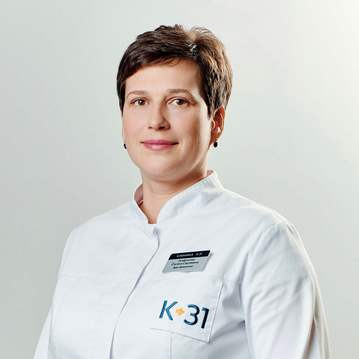
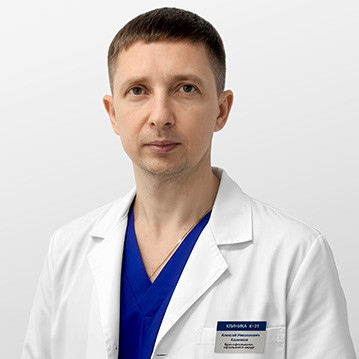

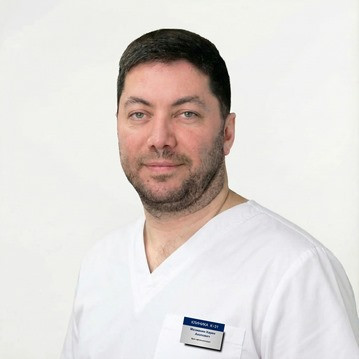




This award is given to clinics with the highest ratings according to user ratings, a large number of requests from this site, and in the absence of critical violations.

This award is given to clinics with the highest ratings according to user ratings. It means that the place is known, loved, and definitely worth visiting.

The ProDoctors portal collected 500 thousand reviews, compiled a rating of doctors based on them and awarded the best. We are proud that our doctors are among those awarded.
Make an appointment at a convenient time on the nearest date
Price
Other services

Appointment to the doctor
Reviews
Our clinics


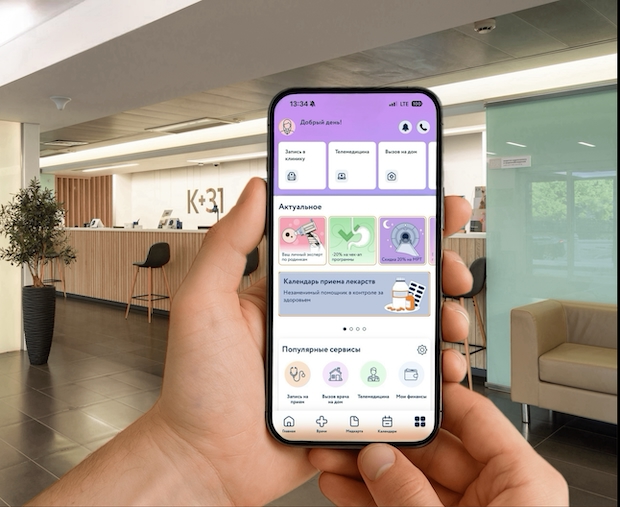
Application “Personal Account K+31”












What is a chalazion and why does it appear?
The meibomian gland produces a fatty secretion that is part of the tear film and protects the eye from drying out. If this secretion becomes too thick or the duct is blocked by external factors, fluid begins to accumulate within the eyelid. Gradually, inflammation of the eyelid develops around the congested area. The body attempts to isolate this inflammation by building a dense connective tissue capsule around it. This thickening of the eyelid is called a chalazion.
Many patients mistakenly believe they have developed a common stye, making a serious mistake in their treatment strategy. In fact, these two conditions have fundamental differences, although they can be interrelated:
Doctors identify poor hygiene, wearing contact lenses, chronic blepharitis, gastrointestinal problems, hormonal imbalances, and a generally weakened immune system as the main causes of chalazion.