
Crystal Lens Replacement in Moscow
Crystal lens replacement at "K+31" is not only a treatment for cataracts, but also a way to improve vision due to age-related changes, high myopia, hyperopia, or astigmatism. We conduct diagnostics, assess the patient's visual needs, and select an artificial lens so that the result is not just "good" but comfortable for living, working, reading, and everyday activities in Moscow.

specialists

equipment

treatment






How is cataract surgery performed at our K+31 clinic?
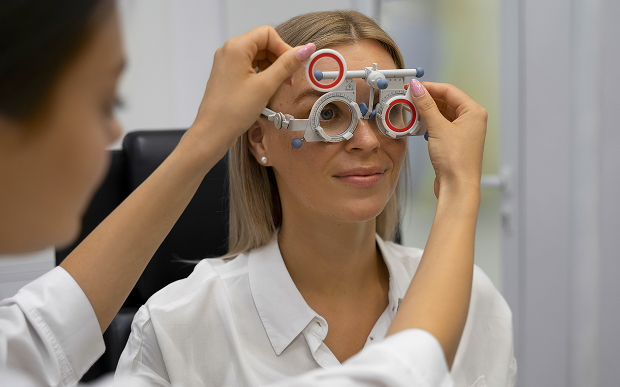
At K+31, we create a clear process: consultation, diagnostics, lens selection, surgery, follow-up examinations, and recommendations for the entire postoperative period.
Diagnostics and intraocular lens calculation
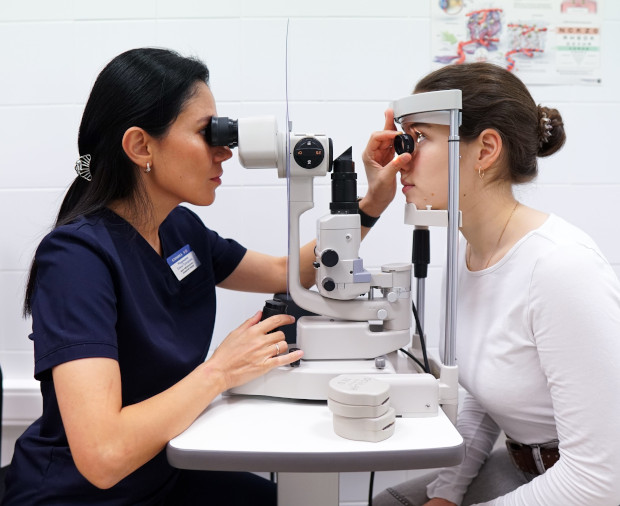
Before the procedure, a vision assessment is performed. We check visual acuity, measure intraocular pressure, and evaluate the cornea, retina, and optic nerve. A separate step is selecting the lens and calculating the lens power.
Individual IOL selection is crucial for us, because some patients want better distance vision, others read a lot, others drive in the evening, and others need to correct astigmatism.
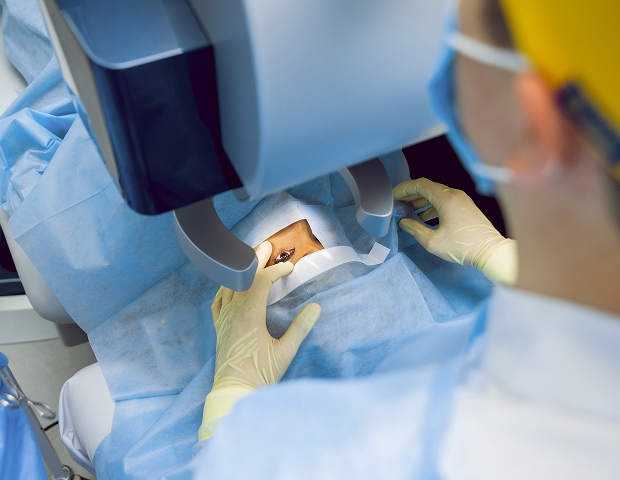
Stages of the surgery
Phacoemulsification is commonly used. Through a microincision, the surgeon destroys and removes the affected lens, then inserts the IOL. Sutures are typically not required because the incision is very small.
This type of eye microsurgery is performed under sterile conditions, under the supervision of an ophthalmic surgeon and taking into account the preoperative examination data.
What the patient feels during and after the procedure
The surgery is performed under local anesthesia. The patient may see light, move shadows, feel touch or pressure, but there is usually no significant pain.
After the procedure, tearing, mild discomfort, a foreign body sensation, and temporary blurred vision are possible. These reactions often resolve as the patient recovers.
What intraocular lenses do we select?
The selection of an IOL depends on the patient's diagnosis, ocular anatomy, profession, habits, and expectations. We explain the advantages and limitations of each option in advance.
Monofocal IOLs
A single-vision lens provides clear vision at one primary distance, usually distance. Glasses may be required for reading or working at close range.
This is a predictable option often chosen for cataract treatment and the primary need for stable distance vision.
Multifocal IOLs
A multifocal lens helps you see at multiple distances and can reduce your dependence on glasses. This option isn't suitable for everyone, so we carefully evaluate the condition of the retina, cornea, and the patient's visual habits before choosing one.
With the right indications, a multifocal lens can be a convenient solution for active people who need to read, work on a computer, and see into the distance.
Toric IOLs
A toric lens is used for astigmatism. It not only replaces the crystalline lens but also helps correct the irregular refraction of light.
This option requires precise calculation and proper placement of the lens within the eye, so preoperative diagnosis is especially important.
How to choose a lens based on your vision needs and lifestyle
There is no one-size-fits-all lens. We discuss with the patient their work habits, whether they drive, how much time they spend looking at a screen, whether they need reading glasses, and how important freedom from additional correction is.
| IOL type | Who is it suitable for? | Advantages | What to look for? |
|---|---|---|---|
| Monofocal | For those who value clear vision at one distance | Predictable results | May require glasses |
| Multifocal | For those who want to be less dependent on glasses | Vision at several distances | Subject to individual limitations |
| Toric | If Astigmatism | Astigmatism Correction | Requires precise calculations |
"We select a lens not based on a template, but based on the patient's visual needs: some need good distance vision, others need to read without glasses, and still others need to correct astigmatism. That's why preoperative diagnostics are crucial for us," — ophthalmic surgeon at "K+31."
General information
Why do patients choose K+31 for lens replacement?
Before surgery, we discuss all the important details. We explain the diagnostic, preparation, and post-operative monitoring stages.
A team of ophthalmic surgeons and a personalized approach
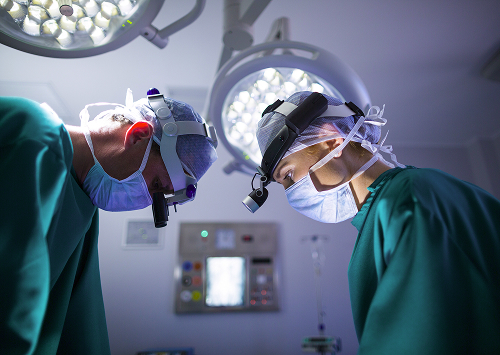
A team of doctors works with the patient, assessing not only the diagnosis but also their actual visual needs. We explain when lens replacement is necessary, what lens options are available, and what results can be expected without inflated promises.
Modern diagnostics and precise IOL selection
Advantages of treatment at "K+31":
- Individual IOL selection
- Accurate diagnostics before surgery
- Possibility to reduce dependence on glasses
- Doctor support at all stages
- Clear recommendations for recovery
This approach is especially important if refractive lens replacement is planned, where the goal is not only to eliminate clouding but also to improve vision.
Pre- and post-operative support
We explain in advance how the preparation process works, what tests are needed, how to use eye drops after surgery, and when to return for a checkup. After the procedure, the patient is not left alone with questions, as follow-up is part of the overall treatment plan.

FAQ
Is lens replacement painful?
How long does recovery take?
Is it possible to avoid glasses after surgery?
Which is better: a monofocal or multifocal IOL?

If your vision has become blurry, your glasses no longer help, glare has appeared, or you want to determine whether cataract surgery is right for you, it's best to have an examination early. This helps you choose a strategy without rushing and evaluate all correction options.
The earlier you get an examination, the easier it is to find a solution
At an early stage, it's easier for your doctor to assess your eye condition, determine your indications, and select the optimal lens. Sometimes observation is sufficient, while lens replacement surgery is sometimes necessary, and in some cases, additional examination of the retina or cornea is required.
How to schedule an examination in Moscow
Schedule an examination at K+31 in Moscow if you want a clear treatment plan and find out whether phacoemulsification or another vision correction option is right for you. A consultation with an ophthalmologist in Moscow will help determine which artificial lens is best for your specific needs.
Category of clinical guidelines of the Ministry of Health of the Russian Federation — https://cr.minzdrav.gov.ru/
NMIC MNTK "Eye Microsurgery" named after Academician S. N. Fedorov — https://www.mntk.ru/
NMIC of Eye Diseases named after Helmholtz - https://www.helmholtzeyeinstitute.ru/
eLIBRARY.RU - https://elibrary.ru/
CyberLeninka - https://cyberleninka.ru/
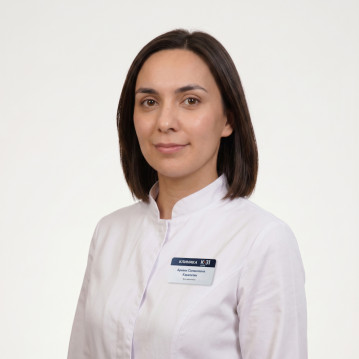
Our doctors














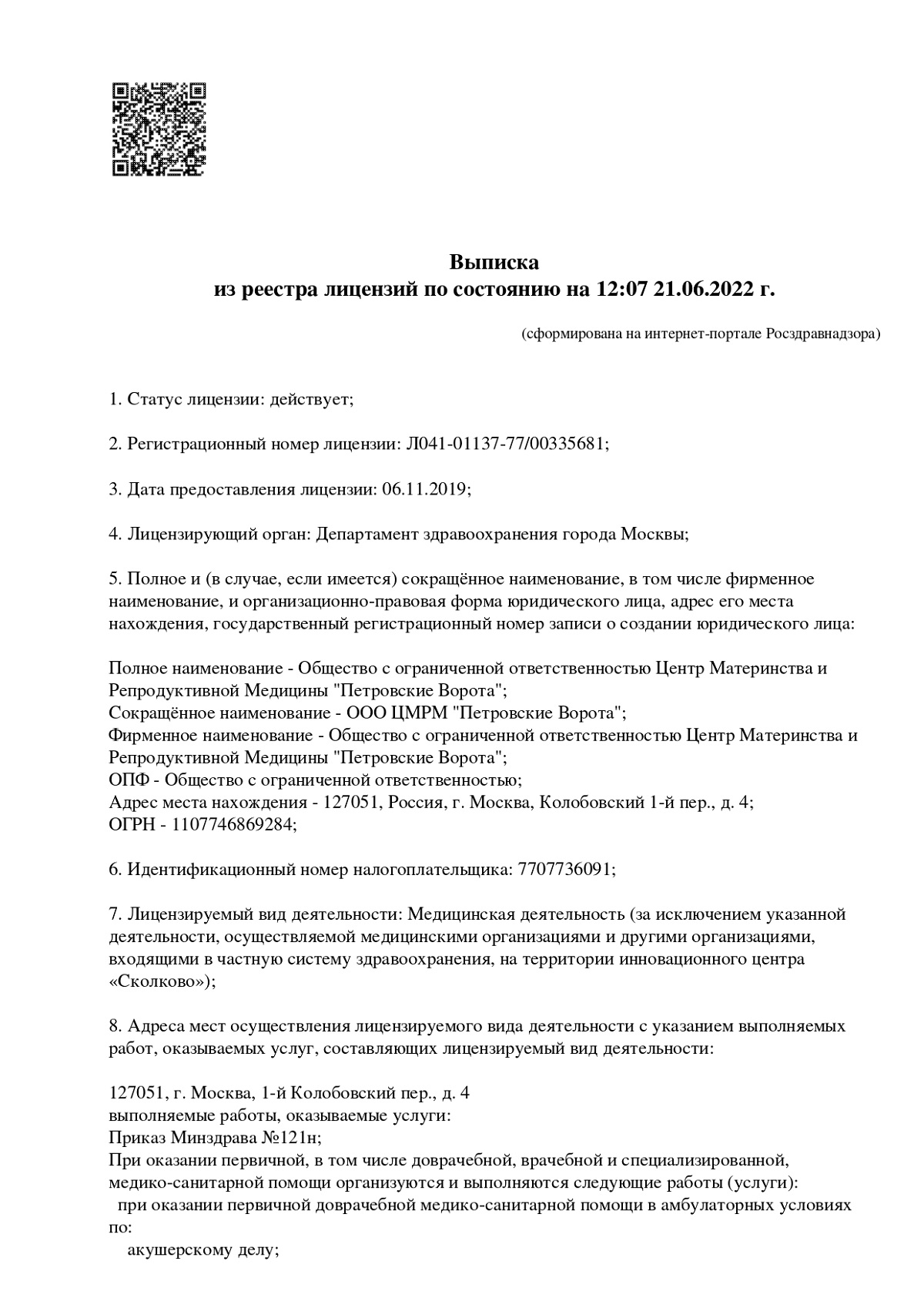
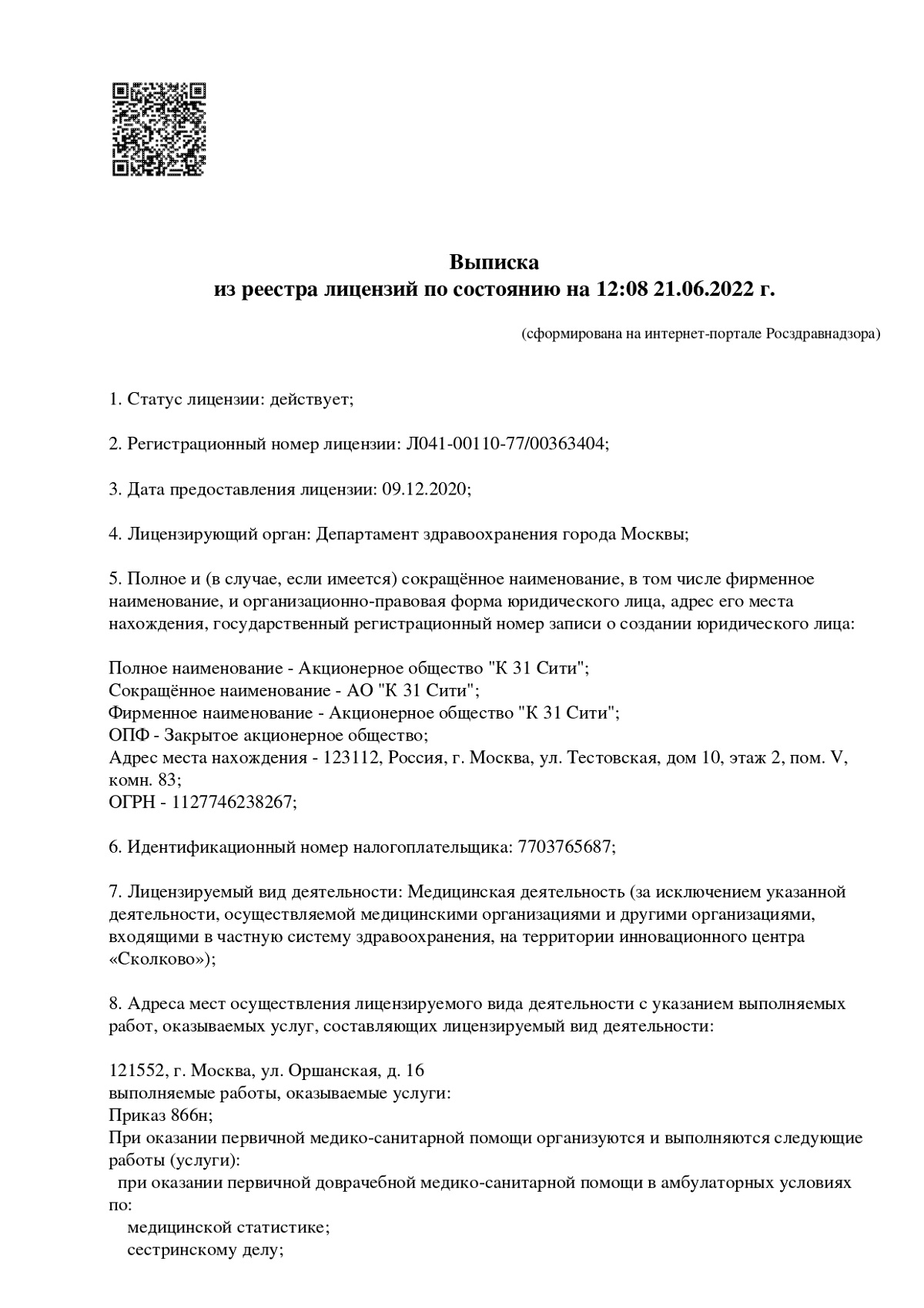
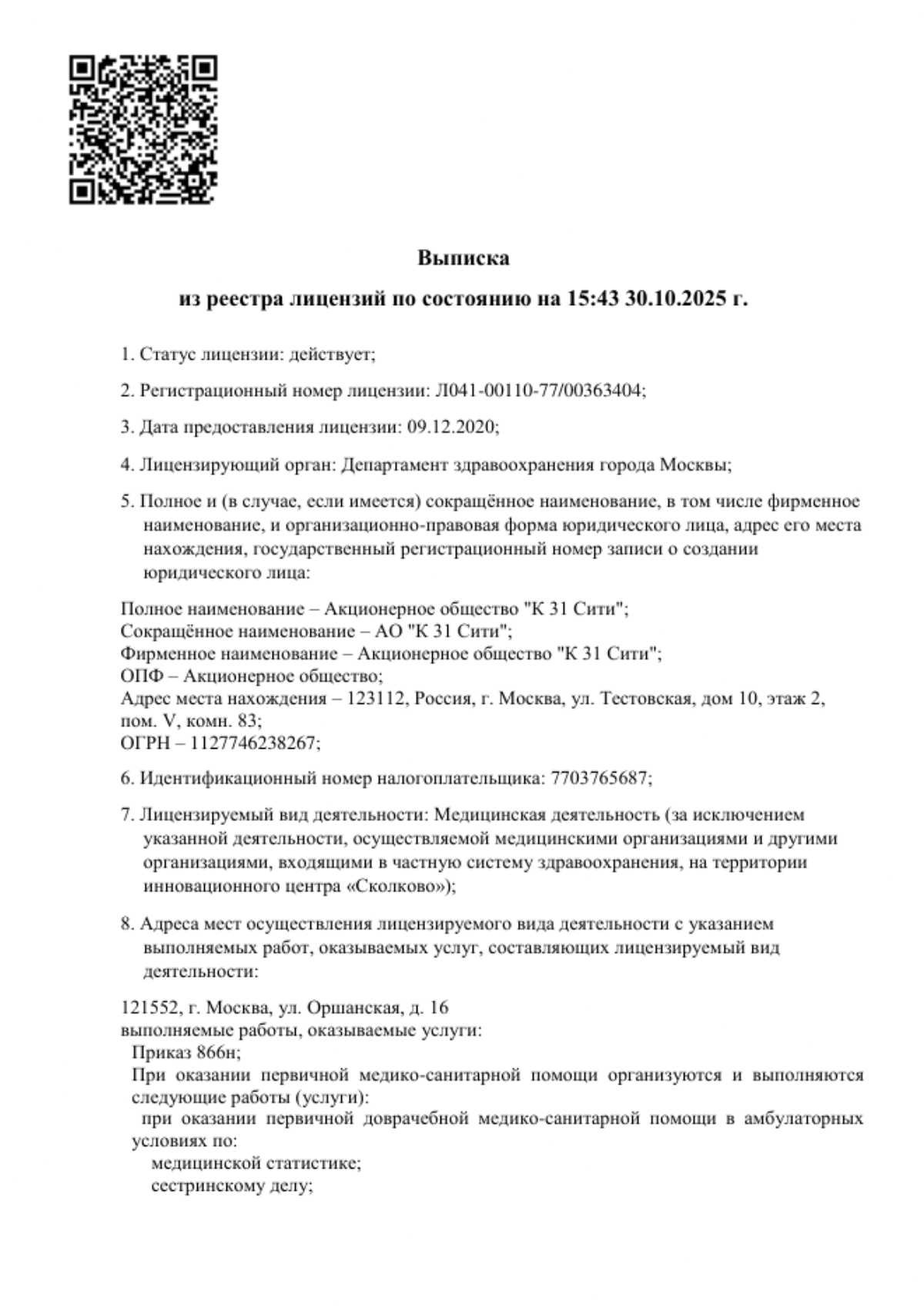
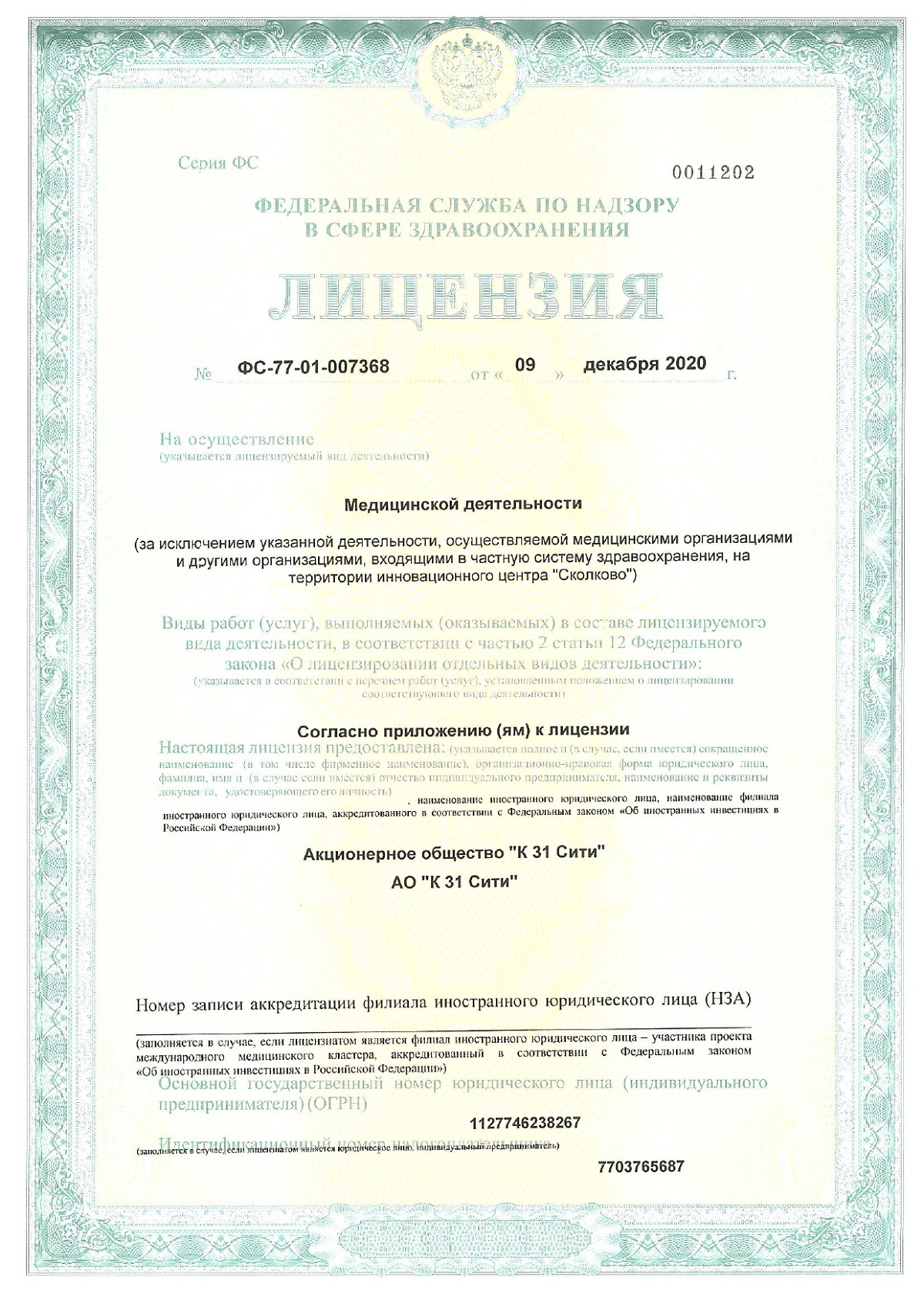
This award is given to clinics with the highest ratings according to user ratings, a large number of requests from this site, and in the absence of critical violations.

This award is given to clinics with the highest ratings according to user ratings. It means that the place is known, loved, and definitely worth visiting.

The ProDoctors portal collected 500 thousand reviews, compiled a rating of doctors based on them and awarded the best. We are proud that our doctors are among those awarded.
Make an appointment at a convenient time on the nearest date
Price
Other services

Appointment to the doctor
Reviews











Our clinics


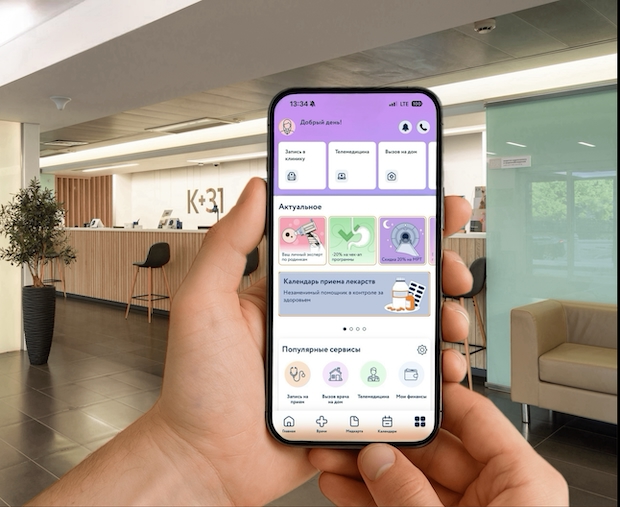
Application “Personal Account K+31”












What is lens replacement surgery and who needs it?
Cataract lens replacement is a microsurgical procedure in which the natural lens is removed and replaced with an intraocular lens. This lens remains permanently in the eye and performs the optical function of the natural lens.
The procedure is only possible after an in-person diagnosis. We assess the condition of the cornea, retina, and optic nerve, measure eye parameters, and customize the lens selection.
Cataract lens clouding
When a cataract develops, the lens loses its transparency. Vision becomes cloudy, colors appear less saturated, and glare from headlights and lamps appears. Glasses are of limited help in this situation because the problem is located inside the eye.
In these cases, lens replacement surgery removes the clouding and replaces it with a clear optical lens.
Presbyopia and age-related farsightedness
Presbyopia occurs when, after age 40–45, the lens gradually loses its ability to focus. This makes it more difficult for a person to read, use a phone, and see small details up close.
Age-related farsightedness does not always require surgery, but for some patients, modern refractive lens replacement can help reduce dependence on glasses when other correction methods are insufficient.
When surgery can help you get rid of glasses
Complete relief from glasses cannot be promised to everyone. The outcome depends on the condition of the eyes, the chosen lens, the initial refraction, and the patient's visual goals.
We consider refractive lens replacement as an option for people with severe farsightedness, nearsightedness, astigmatism, or age-related changes, when the patient wants to see more comfortably at different distances.