
Color vision testing in Moscow
A person can read small text and see clearly, but confuse shades, color signals, or markings. This is important for driving, studying, and work.
An ophthalmologist helps understand how color vision works and whether the patient needs further testing.

specialists

equipment

treatment






When we recommend color vision testing
Color vision testing is necessary in case of complaints, before document processing, and during routine vision screening.
Suspected Color Vision Impairment
Reasons for an appointment include errors in distinguishing red, green, or blue colors, as well as difficulties with road signals, maps, wires, or medical markings.
A sudden change in perception should not be expected. The cause may be related to the retina, optic nerve, or general nervous system condition.
Color vision impairment can be congenital or acquired. Congenital changes often persist from childhood. Acquired changes require attention, especially if there is deterioration in vision, pain, flashes of light, or double vision.
Preventive and Professional Examinations
Color vision testing is included in commissions and professional examinations. It is necessary where a color error could impact safety:
- In transport
- When working with signals
- Electrical circuits
- Laboratory samples
- Maps and color coding
A medical examination helps determine in advance whether there are any limitations. For the commission, color vision testing provides a separate medical opinion. The ophthalmologist evaluates the answers, testing conditions, complaints, age, and concomitant diseases.
For which patients is testing especially important?
Color vision testing is necessary before a medical examination and if there are any concerns. Color vision should be assessed in children, adolescents, and patients with a family history of similar problems. The following patients should also undergo testing:
- Prospective drivers
- People working with color and signals
- Patients with poor color perception
- Children with concerns from parents or teachers
- People with a family history of color vision problems
After testing, the patient receives a doctor's report.
How color vision testing is performed at our clinic

At our clinic, the examination is scheduled. The patient names numbers, lines, or shapes, and the ophthalmologist records the answers and explains the results.
Initial Ophthalmologist Consultation
The ophthalmologist consultation begins with questions about the patient's complaints, profession, family history, injuries, surgeries, and medications. The ophthalmologist then assesses the patient's eye condition. If the patient has come for a medical examination, the specialist clarifies the required report for the commission.
Children's appointments are also scheduled: it is important to distinguish between visual impairment and fatigue or a lack of understanding of the task.
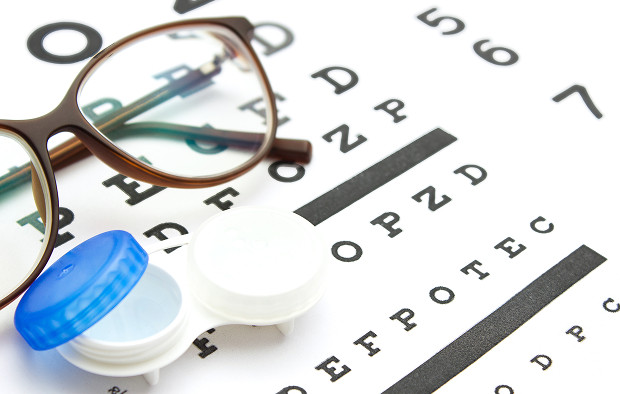
Children's Assessment with Charts and Tests
Color vision testing is performed under proper lighting. The patient looks at the images and answers the doctor.
Color vision testing may include several series of tasks. If the results are unstable, the doctor takes fatigue into account.
How long does the appointment take?
The test itself takes a few minutes. More time is spent on the interview, examination, and interpretation. The results are usually ready on the same day of the appointment.
If a more extensive vision diagnosis is needed, the appointment will last longer. The doctor explains why additional tests are ordered.
General information
What methods do we use to assess color vision?
The color vision test is selected based on the purpose of the visit. For a commission, a standard examination is often sufficient. If there are complaints or questionable answers, the doctor may expand the examination.
Rabkin Charts
Rabkin charts are a classic way to identify errors in color discrimination. The images contain circles of varying tones and brightness. If normal, the patient sees one set of numbers or shapes; if abnormal, they see another.
Pseudoisochromatic charts are convenient for initial screening. A medical report is not issued based on a photograph from the internet.
Ishihara Charts
Ishihara charts are used to assess the red-green spectrum. This method helps refine color perception. Color perception is examined more closely if the patient's responses differ from their complaints.
Additional Methods for Complex Cases
In complex cases, the doctor may prescribe an instrumental assessment. An anomaloscope helps to more accurately study color perception. Additional color tests are useful for professional selection and controversial answers.
| Method | What it evaluates | When to use | Advantage |
|---|---|---|---|
| Rabkin Tables | Distinguishing Colors and Shades | Primary Test | Quick and Clear |
| Ishihara Tables | Color Perception Impairments | If Clarification is Needed | Widely used |
| Instrumental assessment | Subtle differences between shades | Complex cases | Helps clarify the conclusion |
The table shows the general route. The choice of method is up to the physician.



Frequently Asked Questions
What does the examination test?
How is the test performed?
Is any preparation necessary?
Can a color blindness test detect a disorder?

References
- Register of Clinical Guidelines of the Ministry of Health of the Russian Federation — https://cr.minzdrav.gov.ru/
- Russian Medical Journal (RMJ) — https://www.rmj.ru/
- Ophthalmological News — https://eyepress.ru/
- NMITs of Eye Diseases named after Helmholtz - https://www.helmholtzeyeinstitute.ru/
- CyberLeninka - https://cyberleninka.ru/search?q=%D1%86%D0%B2%D0%B5%D1%82%D0%BE%D0%BE%D1%89%D1%83%D1%89%D0%B5%D0%BD%D0%B8%D0%B5
Our doctors




















This award is given to clinics with the highest ratings according to user ratings, a large number of requests from this site, and in the absence of critical violations.

This award is given to clinics with the highest ratings according to user ratings. It means that the place is known, loved, and definitely worth visiting.

The ProDoctors portal collected 500 thousand reviews, compiled a rating of doctors based on them and awarded the best. We are proud that our doctors are among those awarded.
Make an appointment at a convenient time on the nearest date
Price
Other services

Appointment to the doctor
Reviews




















Our clinics


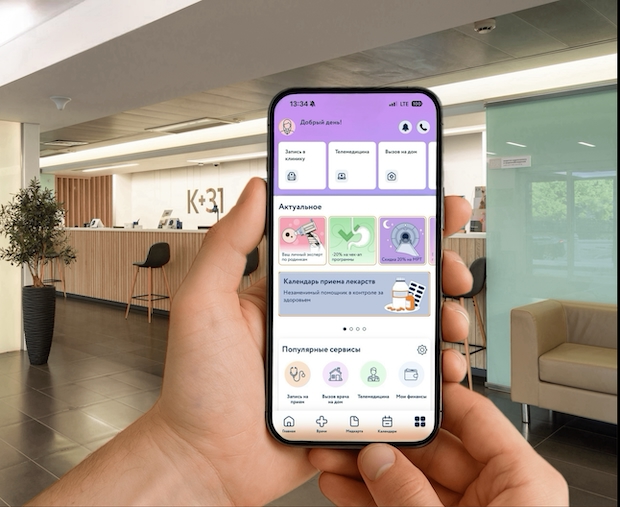
Application “Personal Account K+31”












What is a color vision test and why is it necessary?
Color perception is the ability of the eye and visual system to distinguish colors. This function is controlled by the retinal cones and neural pathways. If one of these areas is not functioning correctly, a person may have difficulty seeing certain shades.
Color vision testing is performed when it is necessary to assess color perception rather than image clarity. This testing is important:
Color perception cannot be reliably assessed from a single image from a phone. The screen and lighting distort perception, so the doctor explains the results during the appointment.