
Stress fracture in children: symptoms, diagnosis, and treatment
A stress fracture in children is not a typical injury. It occurs not as a result of a specific blow or fall, but rather because the bone has not had time to recover from previous microtraumas.
Parents of overly active children should be vigilant. Any pain or discomfort in the bone or joint should be a cause for concern. Ignoring the problem can lead to serious skeletal deformities and prolonged withdrawal from active life.
Treatment of a stress fracture begins with diagnosis. The doctor needs to determine whether the child's body is in the active growth phase. Children's bones are more flexible, but their metabolic activity makes them vulnerable to cyclic overload. If your child is in pain or uncomfortable moving, it's time to see a doctor.

specialists

equipment

treatment






Symptoms of a stress fracture that parents should look out for
The insidious nature of this injury is that the symptoms of a stress fracture initially resemble those of common muscle fatigue. However, there are key differences that suggest damage to the bone structure.

- Pain after exercise and when walking In the early stages, pain occurs after exertion, which quickly subsides with rest. As the microcrack progresses, discomfort begins to appear during exercise, and then even during normal walking. Typical pain locations in children are the shin, foot, heel, or thigh.
- Lameness, swelling and decreased activity The child's gait changes without explanation, and a slight limp develops. Localized swelling and localized tenderness when pressed with a finger may develop in the area of the injury. The child may unconsciously begin to avoid jumping or running, complaining of general weakness in the leg.
- When pain can no longer be ignored There are signs that a stress fracture in a child has entered a dangerous phase. If pain persists at night, interferes with sleep, or does not subside after two to three days of complete rest, self-treatment is unacceptable.
How is a stress fracture diagnosed?

Accurate diagnosis is the key to successful recovery. If your child has persistent bone pain, consult a traumatologist or orthopedist.
Examination by a traumatologist-orthopedist and collection of complaints
The traumatologist-orthopedist begins the appointment with a detailed interview: how often does the child exercise, whether shoes have changed, and when does the pain occur. The doctor conducts axial load tests and palpates the bone. If the child cries out when pressure is applied to a specific point on the shin or foot, the doctor orders an X-ray.
Why X-rays don't always show damage immediately
X-rays don't always show a fracture even when there is obvious pain. This is because a microcrack can be so small that it isn't detected by conventional radiation. It only becomes visible on an X-ray after 3-4 weeks, when callus begins to form.
When an MRI and additional tests are prescribed
If the pain doesn't subside and the X-ray still shows nothing, the doctor will recommend an MRI. Magnetic resonance imaging (MRI) is a way to detect bone marrow edema that precedes the fracture itself. This is the only way to catch the disease at the pre-fracture stage and begin treatment.
General information
Treatment of a stress fracture in a child
The main goal of treatment in this case is to stop the fracture process and allow the bone time to regenerate. Unlike acute injuries, treatment of a stress fracture rarely requires surgery.
Limitation of load and rest
This is the foundation of therapy. Limitation of load involves avoiding running, jumping, and sports activities for 4 to 8 weeks. In some cases, complete rest is necessary, requiring the use of crutches to completely relieve the weight of the leg.
Immobilization and support of the injured area
Depending on the location of the injury, the doctor may recommend wearing a special orthosis or rigid shoes. Sometimes, temporary immobilization with a light plastic splint is used if the child is too active and cannot independently maintain a weight-bearing regimen.
Pain relief and symptom control
NSAIDs may be prescribed for pain relief, but their use should be short-term. It's important to remember that if pain is relieved with pills, the child may resume active movement, leading to a complete bone fracture.
When can sports be returned
Sports should be reintroduced into the child's life gradually. The main criteria are complete absence of pain during everyday activities and negative test results during an orthopedic examination.


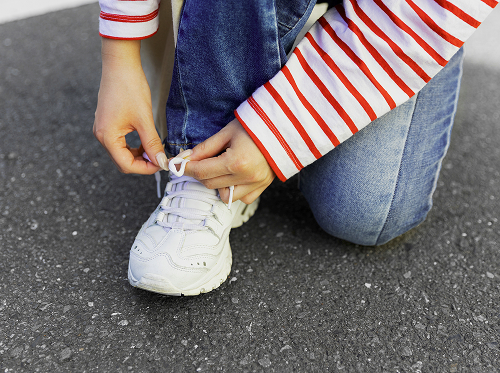

The most dangerous mistake is continuing to exercise despite the pain. This causes the microcrack to increase in size and, within a few weeks, can develop into a full-fledged fracture. Massaging or applying heat to the affected area is also not recommended. We take the child to a doctor first, and only then begin treatment.
FAQ
How can you tell if your child has a stress fracture?
Why isn't a stress fracture visible on a regular X-ray?
When can I return to exercise after a stress fracture?
"In my practice, stress fractures in children often begin with complaints of unexplained pain after exercise. If you reduce the load promptly, it's easier to return to normal life," notes the orthopedic traumatologist.
A careful approach to a child's complaints and avoiding "forced" training is the best way to maintain the health of a young athlete. Remember that stress fractures in children, if detected early, are treated successfully and without consequences, while a neglected injury may require months of rehabilitation.



This award is given to clinics with the highest ratings according to user ratings, a large number of requests from this site, and in the absence of critical violations.

This award is given to clinics with the highest ratings according to user ratings. It means that the place is known, loved, and definitely worth visiting.

The ProDoctors portal collected 500 thousand reviews, compiled a rating of doctors based on them and awarded the best. We are proud that our doctors are among those awarded.
Make an appointment at a convenient time on the nearest date
Price
Other Services

Appointment to the doctor










Our clinics


Application “Personal Account K+31”












What is a stress fracture and why does it occur in children?
A stress fracture, also known as a fatigue fracture, is a tiny crack in bone tissue. It occurs when muscles, due to overwork, fail to absorb shock and transfer excessive load to the bone. In response, the bone begins to remodel, which, without rest, leads to a breakdown of its integrity.
How is a stress fracture different from a regular fracture?
A regular fracture occurs when a child receives a strong blow or an incorrect (careless) fall. This means that the bone was previously intact, and the injury occurred as a result of some other action.
A stress fracture develops gradually in a child. It is a microcrack in the bone that cannot be caused instantly. It gradually increases in size due to excessive exercise.
While a regular fracture is immediately visible, an overuse fracture often goes unnoticed in the early stages.
Which children are at risk?
Most often, young athletes involved in running, soccer, basketball, gymnastics, or ballet end up in a traumatologist's office. Also at risk are: