Ischial Fracture: Treatment in Children

Musculoskeletal injuries in children are common, caused by high activity levels and poor motor coordination. However, an sciatic fracture is a serious injury requiring close attention from parents and doctors. Although sciatic fractures in children are often milder than in adults, inadequate treatment of an sciatic fracture can lead to impaired pelvic ring development.

Best specialists
Best
specialists
Expert equipment
Expert
equipment
Advanced diagnostic treatment
Advanced diagnostic
treatment
Sign up
Fill out the entry form on the page and we will call you back
Sign up Позвонить
Download the application “Personal Account K+31”
Everything about your health in one click!
Subscribe to social networks K+31
To keep up to date with current offers and receive useful advice about your health.

What is an ischial fracture?

The ischium is part of the pelvic region. Together with the ilium and pubis, it forms the acetabulum—the junction of the pelvis and femur.

A fracture of the ischium is a disruption of its integrity. It can be minor (marginal avulsion) or complete (displaced fracture).

Pelvic Structure in Children

The skeleton of a child differs significantly from that of an adult. A child's bones are more elastic, contain more organic matter, and are surrounded by a thick, well-vascularized periosteum. The pelvic ring in children up to a certain age consists of individual bones connected by cartilaginous layers (growth plates). On the one hand, this provides shock absorption during impacts, on the other, it makes certain areas vulnerable to avulsion fractures during sudden muscle contractions.

How is a fracture different from a contusion or crack?

Many parents mistakenly believe that a crack is not a fracture. In medicine, a crack is an incomplete fracture without separation of the fragments. A pelvic contusion, on the other hand, affects only soft tissues (muscles, subcutaneous tissue) and does not disrupt the bone structure. The main difference lies in the mechanism of pain: with a contusion, pain gradually subsides, while with a fracture, it intensifies with axial load or certain movements.

Why this injury requires attention

Any pelvic injury in children is potentially dangerous due to the proximity of internal organs (bladder, intestines, major vessels, and nerve plexuses). Even if the injury seems minor, it can affect the growth plates, which can lead to pelvic asymmetry or gait problems in the future. This is why pelvic fracture diagnosis must be prompt and professional.

What is an ischial fracture?

Causes and mechanisms of injury

Causes and mechanisms of injury

The ischium usually fractures due to a strong impact or a sudden muscle strain.

Falls and household injuries

Falling on the buttocks from standing height (for example, on a slippery floor, or from a swing or slide) is the most common cause of injury.

Sports-related stress and collisions

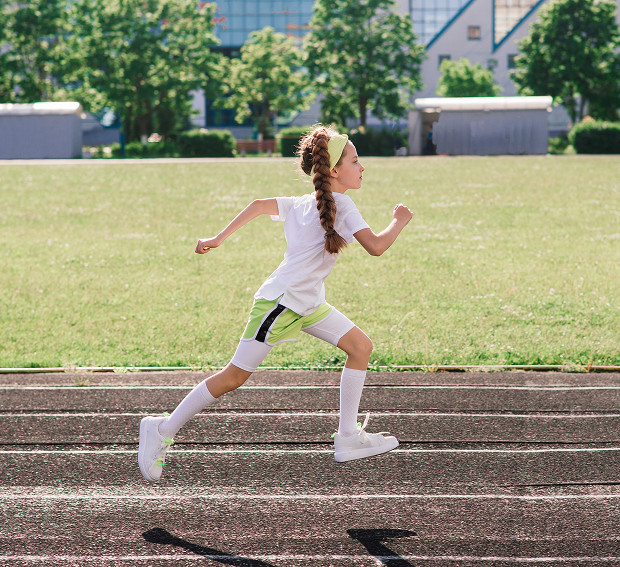
A sports injury, called an avulsion fracture, is common in adolescence. It occurs with a sudden start while running, jumping, or hitting a ball hard, when the hamstring muscles contract sharply and literally tear off a fragment of the ischium.

Road accidents and other high-energy injuries

Car accidents or falls from a great height are a direct route to pelvic injury. A pelvic fracture is rarely isolated. Most often, it occurs in conjunction with displacement of fragments and damage to other bones of the pelvic ring.

First aid before seeing a doctor
First aid before seeing a doctor

Proper actions by parents before the paramedics arrive can significantly improve the child's condition and prevent the bone fragments from shifting.

How to position a child and reduce pain

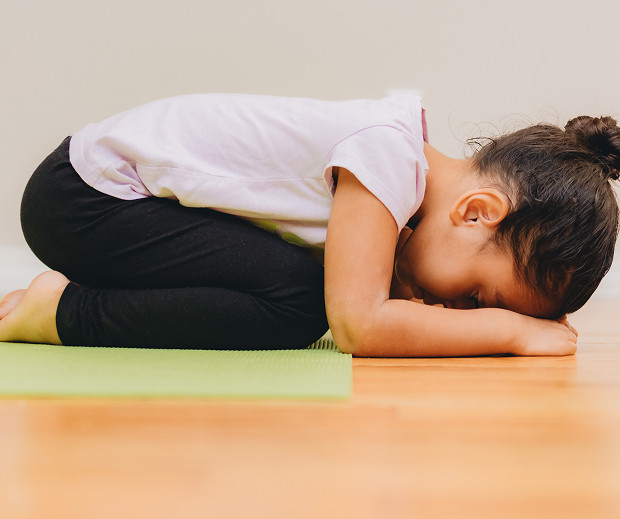
Place the child in the frog position: ask them to bend their knees and hips, placing a soft bolster (a rolled-up blanket or pillow) under their knees. To reduce pain, you can apply ice to the injured area (through a cloth, for 10-15 minutes).

What not to do before diagnosis

The main rule is to do no harm. Until a professional diagnosis of a pelvic fracture is made, the following is prohibited:

  1. Giving the child food and plenty of water (in case of emergency surgery)
  2. Trying to palpate the bones or "set" them yourself
  3. Forcing the child to stand or walk "through pain"

Symptoms and first signs

Little children can't always explain exactly where it hurts. Therefore, parents need to pay attention to their child's outward signs and mood.

Pain in the pelvis, buttock, or groin

Severe pain in the buttock or groin is the first symptom of a fracture. It intensifies when attempting to raise a straight leg or move it to the side. The pain is most often localized, felt at the site of the bone injury.

Limping and limited movement

If the child attempts to walk, they exhibit a pronounced limp. Often, children completely refuse to put weight on the leg on the affected side. Significant limitation of movement in the hip joint is observed due to protective muscle tension.

Swelling, hematoma, pain when sitting and walking

Soft tissue swelling rapidly increases at the site of the injury. A large hematoma may appear within a few hours or the next day. A characteristic sign of an ischial fracture is sharp pain when attempting to sit on a hard surface.

Warning Signs That Don't Wait

There are symptoms that indicate a complicated injury:

  • Numbness in the perineum or legs
  • Inability to urinate or blood in the urine
  • Pale skin and cold sweat (signs of internal bleeding)

General information

Diagnostics

Pediatric traumatology deals with the diagnosis and treatment of such fractures. It is important to immediately determine the type of fracture in order to select the correct treatment.

Examination by a pediatric traumatologist

The pediatric traumatologist palpates the injury, performs a test (asks the child to raise the heel while lying down with the knee bent), and assesses the stability of the pelvic ring.

X-rays, CT, and MRI: when what is prescribed

Visualization is the gold standard for diagnosis:

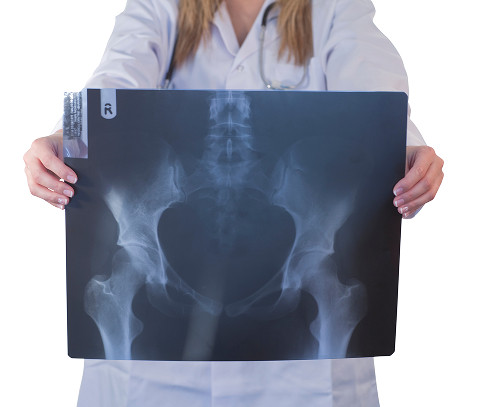
  • Pelvic X-rays are performed in several projections and allow you to see most fractures
  • Pelvic CT (computed tomography) is prescribed for a detailed study of bone structures and the identification of small fragments
  • Pelvic MRI is necessary to assess the condition of soft tissues, ligaments, cartilage, and growth plates

Why exclude concomitant injuries

The doctor always checks the integrity pelvic organs. For this purpose, an abdominal ultrasound and a consultation with a surgeon or urologist may be prescribed to rule out damage to the bladder or intestines.
Diagnostics

Treatment of Sciatic Fractures in Children

In most cases, sciatic fractures in children are treated without surgery due to the high regenerative capacity of the child's body.

Conservative Approach

If there is no significant divergence of the bone fragments, conservative treatment of the sciatic fracture is chosen. This is aimed at creating conditions for the natural fusion of the pelvic bones.

Pain Relief and Gentle Regimen

During the first few days, the child can be given pain relief (analgesics in an age-appropriate dosage). Bed rest is also necessary.

Immobilization and weight-bearing restriction

A pelvic cast is rarely applied. Joint immobilization and rest (lying on a functional bed) are necessary. Then you can walk with crutches.

When surgery might be needed

Surgery is only necessary in cases of severe displacement of fragments (more than 2 cm for avulsion fractures), pelvic instability, or damage to internal organs.

Treatment When used What to do Important
Conservative For a stable fracture without significant displacement Rest, pain relief, weight-bearing restriction, rehabilitation More often used in children
Surgical For severe displacement, instability, and associated injuries Surgical Immobilization, observation, recovery The decision is made by the doctor after diagnosis.
Treatment of Ischial Fractures in Children

Rehabilitation and Recovery

Once the callus has formed, rehabilitation begins. This is an important stage, as it determines how quickly the child will return to normal life.

Physical Therapy and Gradual Return to Activity

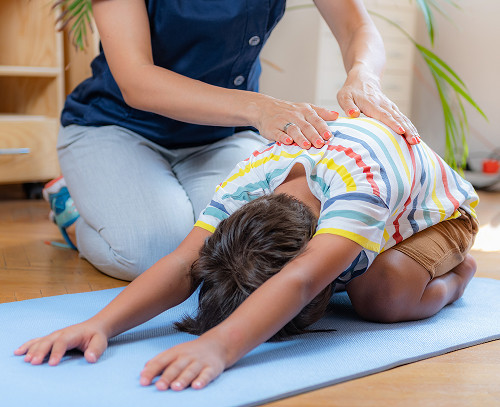
Specialized physical therapy (therapeutic exercise) begins in the hospital with simple breathing exercises and foot movements. Gradually, exercises are added to strengthen the hip and pelvic muscles without placing axial load on the bone.

Physical Therapy and Massage

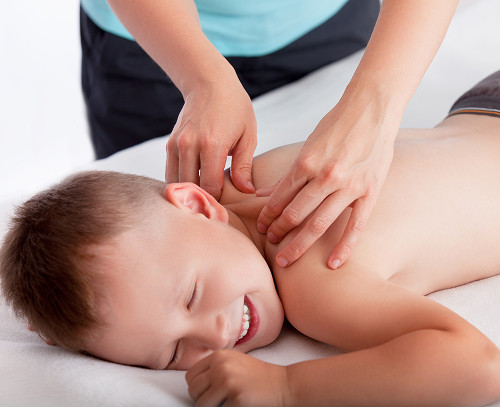
Physical therapy (calcium electrophoresis, magnetic therapy) is prescribed for rapid recovery. After this, massage of healthy areas of the body can be performed and, later, massage can be performed.

Recovery Time and Return to Sports

Recovery time depends on the child's age and the type of injury. Typically, a fracture heals completely within 1.5-3 months. However, returning to competitive sports or serious physical activity is only possible after a follow-up X-ray confirms complete fracture consolidation, which usually occurs within 4–6 months.

Rehabilitation and Recovery

Possible Complications and Prognosis

In general, with timely treatment, the prognosis is favorable. Children's bone tissue heals quickly and efficiently.

What happens if treatment is delayed?

If a child's pelvic fracture is not diagnosed promptly, the following complications are possible:

  • Malocclusion leading to pelvic asymmetry
  • Formation of a pseudoarthrosis
  • Chronic pain syndrome with exertion
  • Early hip arthrosis

In what cases is the prognosis usually favorable?

If the injury was isolated, treatment was started promptly, and the parents strictly followed recommendations to limit weight-bearing, the child returns to a full life without any limitations.

Possible Complications and Prognosis

When Urgent Care Is Needed

Parents should be aware of critical conditions in which delay is dangerous.

Symptoms that require immediate medical attention

Call an ambulance immediately if the following occurs after an injury:

  • Confusion or fainting
  • Severe pelvic deformity
  • Severe pain that is not relieved by conventional measures
  • Urinary retention

When You Shouldn't Delay Seeking Medical Care

Even if a child can walk but complains of persistent pain in the buttock or groin after a fall, it is necessary to visit the emergency room within the first 24 hours. A hidden pelvic fracture may not manifest itself immediately.

"In my practice with children, the most important things are an accurate assessment of the injury and pain relief." With proper rehabilitation, children usually recover well," says the traumatologist.

When Urgent Care Is Needed

Frequently Asked Questions

How is a child's sciatic bone fracture treated?

Treatment depends on the severity of the injury, the presence of displacement, and any associated injuries. Most often, rest, pain relief, and weight-bearing restrictions are all that's needed.

How long does it take for such a fracture to heal?

The time frame depends on the child's age, the nature of the fracture, and the speed of recovery. On average, healing takes several weeks, with full return to normal activity and sports occurring later, after a doctor's checkup. Typically, bone healing takes 4-6 weeks.

Is surgery always necessary?

No. Surgery is necessary if the fracture fragments are unstable or severely displaced.

Can a child walk and sit after the injury?

A traumatologist will determine the child's weight-bearing capacity. Until an X-ray is taken, it's best to limit weight-bearing and lie down more.

An sciatic bone fracture is not a life sentence. If a child is treated promptly by a pediatric traumatologist, they can quickly return to normal life.


Our doctors

Polovnikova (Kroshkina) Valeria Alexandrovna
Experience 15 years
Make an appointment
Polovnikova (Kroshkina)
Valeria Alexandrovna
Traumatologist-orthopedist, pediatric
Lopatin Kirill Alexandrovich
Experience 16 years
Make an appointment
Lopatin
Kirill Alexandrovich
Traumatologist-orthopedist, pediatric
All specialists
2GIS Award
2GIS Award

This award is given to clinics with the highest ratings according to user ratings, a large number of requests from this site, and in the absence of critical violations.

«Good place» according to Yandex

This award is given to clinics with the highest ratings according to user ratings. It means that the place is known, loved, and definitely worth visiting.

Our doctors are laureates of the ProDoctors Award

The ProDoctors portal collected 500 thousand reviews, compiled a rating of doctors based on them and awarded the best. We are proud that our doctors are among those awarded.

Make an appointment at a convenient time on the nearest date

Price

Initial appointment with a pediatric traumatologist-orthopedist
from 8 950 ₽
Follow-up appointment with a pediatric traumatologist-orthopedist
from 7 950 ₽

Other Services

Treatment of hip sprain in a child Ankle injury in a child: treatment and recovery Calf muscle strain in children: symptoms and treatment Treatment of sprains in children: symptoms, first aid and recovery Treatment of pectoral muscle strain in children Treatment of muscle strains in children Hip sprain in children: symptoms and treatment Sprained Foot in Children: Treatment, Symptoms, First Aid, and Recovery Treatment of Achilles tendon strain in children First aid for bleeding in children: how to act quickly and safely Neck Strain in Children: Symptoms, Treatment, and Recovery Subungual hematoma in children: symptoms, first aid, and treatment in Moscow Wrist sprain in a child: symptoms, treatment, and recovery Subcutaneous hematoma in a child: symptoms, treatment, and first aid Treatment of the consequences of trauma in children Orthopedic rehabilitation for children in Moscow: recovery from injuries, surgeries, and musculoskeletal disorders Reduction of subluxations and dislocations in children Plaster cast application for a child: procedure, types of casts, and care Treatment for a child's shoulder sprain Soft tissue hematoma in a child: symptoms, first aid, and treatment Application of an immobilization bandage to children Swelling after a bruise in a child: treatment and first aid Hip contusion in a child: symptoms, first aid, and treatment Head injury in children: treatment, symptoms, and first aid Chest contusion in a child: symptoms, first aid, and treatment A child's post-injury hematoma: how to treat it, when to see a doctor, and what to do in the first few hours Hematoma on a child's arm: causes, symptoms, and treatment Treatment of a child's hand contusion: symptoms, first aid, and recovery Hematoma on a child's finger: first aid, treatment, and when to see a doctor Knee contusion in a child: treatment, symptoms, and first aid Bruised tailbone in a child: symptoms, first aid, and treatment in Moscow Elbow bruise in a child: symptoms, first aid and treatment Bruised leg in a child: symptoms, first aid and treatment Hematoma on a child's leg: causes, symptoms, first aid, and treatment Hematoma on a child's face: causes, first aid, and treatment in Moscow Treatment of groin strain in children Bruised nail in a child: treatment, first aid, symptoms, and recovery Hematoma on the head of a child: treatment and symptoms Eye hematoma in a child: treatment, first aid, and when to see a doctor Bruised ribs in children: treatment, symptoms, and first aid Back strain in children: symptoms, treatment, and recovery Soft tissue contusion in a child: symptoms, first aid, and treatment Treatment of a joint contusion in a child in Moscow: symptoms, first aid, diagnosis, and recovery Bruised nose in a child: treatment, first aid, and when to see a doctor Bruised Foot in a Child: Symptoms, First Aid, and Treatment in Moscow Bruised finger in a child: treatment, first aid, and when to see a doctor Back injury in a child: symptoms, first aid, and treatment in Moscow Bruised arm in a child: symptoms, first aid, and treatment Shoulder contusion in a child: symptoms, first aid and treatment Bruised ribs in children: symptoms, treatment, and first aid Treatment of fractures in children in Moscow Treatment of a jaw fracture in a child Compression fracture of the thoracic spine in children: treatment, diagnosis and recovery Humeral neck fracture in children: treatment, symptoms, and recovery Coccyx fracture in children: symptoms, treatment, and recovery Treatment of a broken nose in a child Patella fracture: treatment in children Sacral fracture in children: symptoms, diagnosis and treatment Treatment of metatarsal fractures in children Zygomatic bone fracture in a child: symptoms, diagnosis, treatment and recovery Conservative treatment of fractures in children: how is treatment performed without surgery? Functional method of treating fractures in children 24-hour trauma care for children: when urgent help is needed Clavicle fracture in a child Fracture of the tibial condyles in children Emergency traumatology for children: urgent care for injuries Pubic bone fracture in a child Olecranon fracture in children: treatment, symptoms, recovery Treatment of humeral fracture in children Sternal fracture in children Treatment of tibia fracture in children Foot fracture in a child Cervical vertebrae fractures in children
Make an appointment

Appointment to the doctor

Fill out the form, our managers will contact you within 15 minutes
Почему К+31?
К + 31 — full-cycle multidisciplinary medical centers, including the possibility of providing medical services of European quality level.
К + 31 — are leading doctors and diagnostics using high-tech equipment from world manufacturers (Karl Storz, Olympus, Siemens, Toshiba, Bausch&Lomb, Technolas, Zeiss, Topcon).
К + 31 — is ethical. The staff of K+31 clinics maintain open relationships with patients and partners. An individual approach to each patient is the basis of our service standards.
К + 31 — is modernity. On call 24/7: call center operators will answer your questions at any time and book you an appointment with doctors. Contact us by phone, through the feedback form on the website and Max.

Our clinics

Address K+31 on Lobachevskogo

st. Lobachevskogo, 42/4

Contacts

+7 499 999-31-31

Opening hours

Mon-Fri: 08:00 – 21:00
Weekend: 09:00 – 19:00
Didn't find the service you were looking for?

Экстренная помощь