
Гематома на пальце у ребенка: первая помощь, лечение и когда нужен врач
Одной из самых распространенных бытовых проблем является гематома на пальце у ребенка. Чаще всего повреждаются только мягкие ткани, но это не значит, что ситуацию можно пускать на самотек.
Рассказываем, что делать при травме, объясняем правила первой помощи и говорим про симптомы, на которые нужно обратить внимание.

специалисты

оборудование

лечения



Почему у детей появляется гематома на пальце
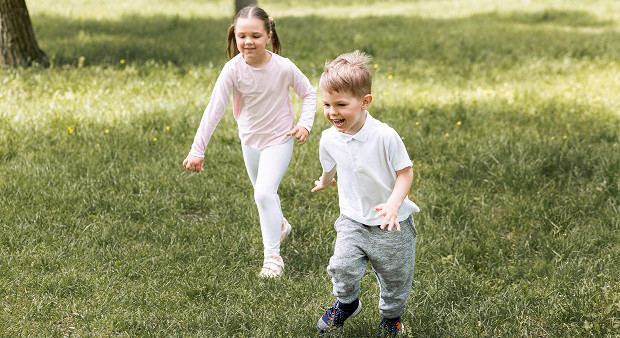
Детский скелет и мягкие ткани имеют свои особенности: кости более эластичны, но капилляры и мелкие сосуды очень хрупкие. Это приводит к тому, что даже среднее по силе воздействие вызывает заметный ушиб пальца.
Ушиб, удар, падение
Во время бега или активных игр ребенок может споткнуться и упасть, инстинктивно выставляя руки вперед. Удар о твердую поверхность пола или земли приводит к сдавливанию мягких тканей между костью и внешним объектом. В результате происходит разрыв сосудов и формируется гематома на пальце.
Прищемление пальца дверью или предметом
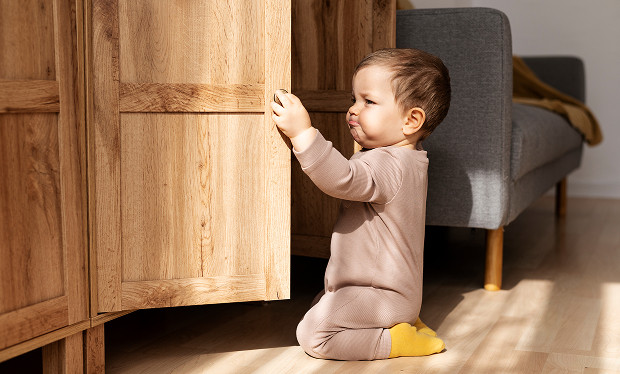
Когда ребенок случайно прищемил палец дверью, ящиком комода или тяжелой крышкой, происходит не только удар, но и сильное давление на ткани. В таких ситуациях боль в пальце носит пульсирующий характер, а гематома может распространяться на всю фалангу.
Подногтевая гематома и травма ногтя
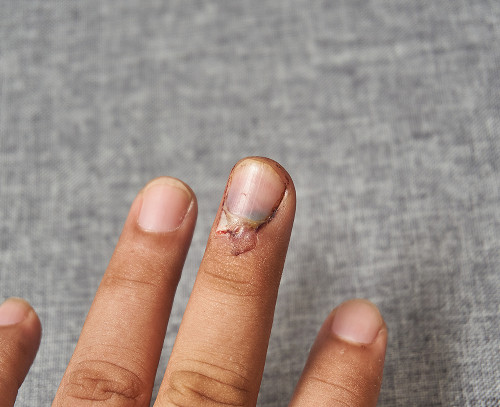
Если основной удар пришелся на кончик пальца, часто страдает ногтевая пластина. Кровь скапливается непосредственно под ногтем. Поскольку ногтю некуда расширяться, давление нарастает очень быстро. Подногтевая гематома считается одной из самых неприятных форм травм из-за риска потери ногтя и интенсивной боли.
Как распознать травму и оценить ее тяжесть
Наблюдайте за ребенком: если боль не стихает, а отек усиливается, нужен детский травматолог.
Основные симптомы: боль, отек, посинение
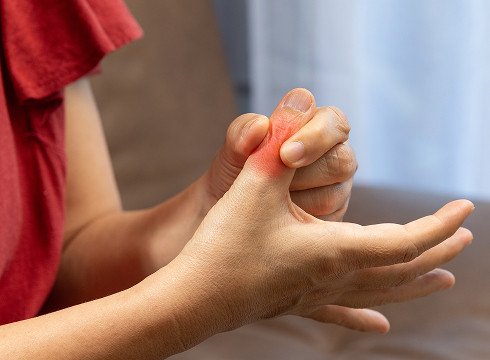
При легкой травме появляется только боль, которая утихает после применения холода. Отек пальца должен быть умеренным и не распространяться на всю кисть или стопу. Синюшность появляется только в месте удара.
Признаки, при которых нужно исключить перелом или вывих
Если палец искривлен или находится в неестественном положении, есть вероятность, что произошел вывих или перелом пальца. Также на повреждение кости указывает резкая боль при попытке коснуться кончика пальца (осевая нагрузка).
Когда нужен осмотр и диагностика
Если палец быстро увеличивается в размерах, а ребенок не может им пошевелить, необходимо обратиться в медицинское учреждение. Для постановки точного диагноза врачом может быть назначен рентген, который покажет целостность костных структур, или УЗИ, если есть подозрение на разрыв сухожилий.
Первая помощь при гематоме на пальце
Правильно оказанная первая помощь в первые 10–15 минут после травмы способна значительно сократить срок последующего восстановления и уменьшить размеры кровоизлияния.
Холод, покой и возвышенное положение руки
Основной инструмент помощи — это холод при травме. Он вызывает спазм сосудов и останавливает кровотечение. Прикладывать холод нужно через ткань на 10–15 минут. Поднимите руку ребенка выше уровня сердца, чтобы уменьшить приток крови.
Что делать, если есть ссадина или ранка
Если кожа повреждена, имеется ссадина или неглубокий порез, место ушиба нужно сначала обработать антисептиком без содержания спирта (например, хлоргексидином или мирамистином). После этого накладывается стерильная повязка на палец.
Какие действия могут навредить
Без консультации врача нельзя:
- Греть палец в первые 24–48 часов (это усилит отек)
- Вскрывать гематому или прокалывать ноготь
- Массировать палец, пытаясь «разогнать кровь»
- Накладывать тугие повязки, которые могут нарушить кровоснабжение конечности
Что сделать в первые 15 минут после травмы:
- Успокоить ребенка и усадить его
- Снять с пальца или руки кольца, если они есть (из-за отека потом это будет сделать невозможно)
- Приложить холод через ткань
- Поднять ногу или руку выше сердца
- Попросить ребенка пошевелить травмированной конечностью
Общая информация
Лечение гематомы на пальце у ребенка
Тактика терапии зависит от глубины повреждения и локализации скопления крови. В большинстве случаев применяется выжидательная тактика с симптоматической поддержкой.
Когда достаточно домашнего наблюдения
Если гематома на пальце у ребенка небольшая, боль утихает, а отек не мешает движениям, специальное лечение гематомы на пальце не требуется. Ограничьте нагрузку и наблюдайте.
Когда нужны повязка, фиксация или местные средства
В ситуациях, когда ребенок ведет себя очень активно, рекомендуется легкая фиксация больного пальца к соседнему здоровому через марлевую прослойку. Это предотвратит повторную травматизацию. Местные средства (мази, гели) можно использовать только на стадии рассасывания и только при отсутствии повреждений кожи.
Когда требуется вмешательство врача
Если под кожей или ногтем скопилось значительное количество крови, создающее невыносимое давление, врач может провести пункцию (удаление крови). Если подтвержден перелом, может потребоваться наложение гипса или специальной шины.
Когда нужно срочно обратиться к врачу
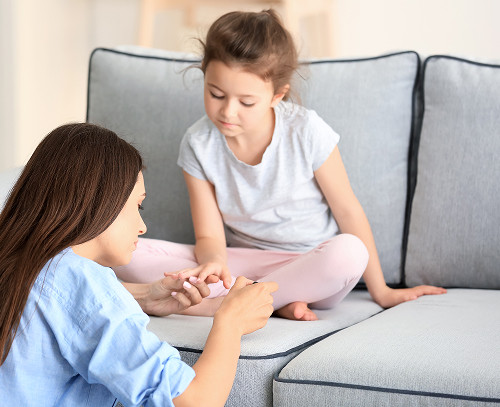
Родителям полезно иметь под рукой таблицу для быстрой оценки ситуации и принятия решения об обращении за помощью.
| Признак | Обычная гематома | Возможный перелом/вывих | Что делать |
|---|---|---|---|
| Боль | Умеренная, затихает | Сильная, нарастает, пульсирует | Показать врачу |
| Отек | Небольшой или средний | Выраженный, быстро растет | Не нагружать палец |
| Движение | Сохраняется во всех фалангах | Ограничено или невозможно | Нужна диагностика |
| Форма пальца | Без деформации | Возможна деформация (искривление) | Срочный осмотр |
| Ноготь | Может быть легкое посинение | Обширная черная область, отслойка | Не откладывать визит |
Тревожные симптомы у ребенка
Если ребенок жалуется на онемение пальца, если кончик пальца стал бледным или холодным на ощупь — это признаки нарушения кровообращения или повреждения нерва.
Когда нужна срочная помощь в тот же день
Любое подозрение на нарушение целостности кости, сильное кровотечение из-под ногтя или невозможность согнуть палец — это показания для визита в травмпункт.
Безопасность ребенка в быту во многом зависит от организации пространства и обучения простым правилам.
Как снизить риск бытовых травм
- Используйте специальные блокираторы и доводчики для дверей, чтобы исключить риск того, что ребенок прищемил палец
- Учите детей не вставлять пальцы в дверные петли и щели мебели
- Убирайте тяжелые предметы с краев столов, откуда они могут упасть на ноги
Что важно учитывать в играх и спорте
Во время игр на улице следите, чтобы обувь ребенка была закрытой и защищала пальцы ног от ударов о камни или корни деревьев.
«В детской практике травмы пальцев кажутся незначительными только на первый взгляд. Если боль не уменьшается, отек растет или ребенок не может пользоваться пальцем, тянуть с осмотром нельзя», — говорит детский травматолог.
Часто задаваемые вопросы
Как отличить гематому от перелома пальца?
Нужно ли мазать гематому на пальце мазями?
Когда гематома на пальце становится опасной?
Вывод
Гематома на пальце у ребенка — частая бытовая проблема, которая в большинстве случаев успешно решается дома. Если боль не стихает, а конечность не двигается, нужно обратиться к травматологу.



Такая награда выдаётся клиникам с самым высоким рейтингом по оценкам пользователей, большим количеством обращений с данной площадки, при отсутствии критичных нарушений.

Такая награда выдается клиникам с самым высоким рейтингом по оценкам пользователей. Она означает, что место знают, любят и сюда точно нужно зайти.

Портал ПроДокторов собрал 500 тысяч отзывов, составил по ним рейтинг врачей и наградил лучших. Гордимся, что среди награжденных есть наши врачи.
Запишитесь на прием в удобное время на ближайшую дату
Стоимость
Другие услуги

Запись к врачу

Наши клиники


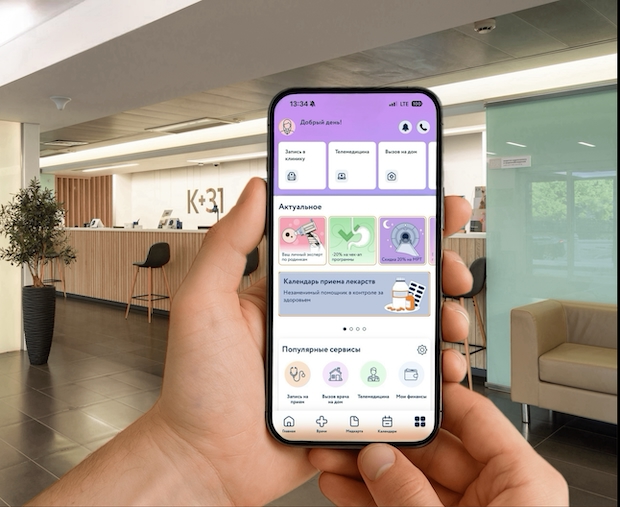
Приложение «Личный кабинет К+31»










Что такое гематома на пальце
Гематома — это скопление крови в мягких тканях. В отличие от других частей тела, на пальцах кожа плотно сращена с подлежащими структурами, а мягких тканей (жировой клетчатки) не так много, поэтому даже небольшое кровоизлияние создает выраженное давление.
Как выглядит гематома у ребенка
Сразу после удара кожа может просто покраснеть, но уже через несколько минут появляется характерная синюшность. Цвет поврежденного участка меняется от ярко-красного до темно-фиолетового или почти черного, появляется отек пальца.
Чем гематома отличается от обычного синяка
Основное отличие заключается в объеме поражения. Синяк на пальце — это поверхностное пропитывание кожи кровью, которое не сопровождается значительной припухлостью. Гематома же предполагает формирование полости с кровью, которая раздвигает ткани. Она всегда сопровождается ощутимым отеком и более интенсивным болевым синдромом из-за давления на нервные окончания в ограниченном пространстве фаланги.