
Treatment of a child's hand contusion: symptoms, first aid, and recovery
Any walk can end in a fall. If a teenager or young child comes home in pain, the injury should be examined immediately. The severity of the injury doesn't always correlate with the external signs.
A child's wrist contusion is one of the most common reasons for visiting a pediatric traumatologist. It may seem like nothing serious, but the hand quickly swells, and parents begin to panic.
This article explains how to tell if a child is suffering from a simple contusion or a more serious injury, and how to properly treat a wrist contusion to avoid complications. The first steps often determine how quickly a child can return to normal life.

specialists

equipment

treatment



Causes of injury: fall, impact, sports, games
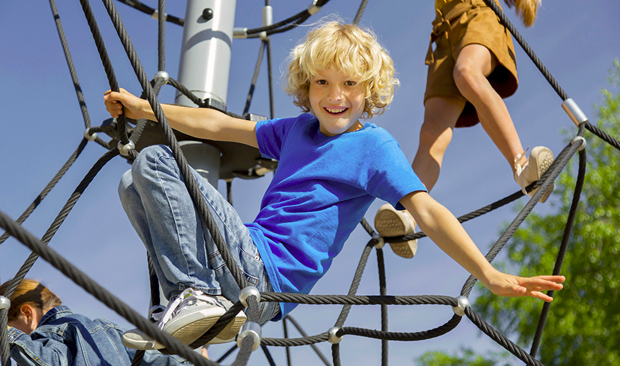
Most often, hand injuries occur during active play on the playground. A child was running, tripped, put their hands out in defense—and here's the result. The body weight landed on the hand, compressing the tissue. This is a classic example.
Injuries often occur during sports, too. In soccer, a child might fall awkwardly, and in martial arts, the hand is often injured by contact. There are also plenty of dangers at home and in the yard: a hand getting pinched by a door, a heavy object dropped from above, or a collision during play.
It's important to immediately determine how the injury occurred. Was it a sudden blow or a crushing injury? After all, the degree of tissue damage in these situations can vary.
Symptoms of a wrist contusion in a child
Recognizing the problem is usually easy, but details are important. The main symptoms of a wrist contusion include pain that appears immediately after the impact. It can be aching or throbbing. After some time, swelling of the hand appears, sometimes spreading to the fingers or forearm.
The skin color also changes. Initially, redness appears at the site of the impact, later developing into a bluish-purple hematoma. The child may experience pain when clenching a fist or holding a toy. However, finger sensitivity is usually retained unless the injury has affected the nerves.
How to distinguish a bruise from a fracture, dislocation, or sprain
This is the most important question for any parent. With a normal bruise, the pain subsides slightly over time, but with a fracture, it can only intensify. If you see that the hand is in an unnatural position or the fingers are pointing in the wrong direction, this is most likely a dislocation or a displaced fracture.
You need to be extremely careful here. Try asking your child to move their fingers. With a bruise, this is possible, although unpleasant. With a fracture, so-called "pathological mobility" or, conversely, a complete inability to move the hand often occurs.
For clarity, we have compiled a table to help you navigate the situation.
| Symptom | Bruise | Fracture | Dislocation | What to do |
|---|---|---|---|---|
| Pain | Moderate, worsens with movement | Sharp, abrupt, unbearable | Severe, abrupt | Assess mobility; if pain is severe, consult a traumatologist. |
| Swelling | Localized, moderate | Rapid, significant | Rapid, often with deformation | Cold, rest, elevated position |
| Deformation | None | Possible (fragment displacement) | Obvious (change in joint shape) | Immediately consult a doctor, get an X-ray |
| Movements | Partially preserved | Severely limited or impossible | Impossible In the joint | Immobilize, avoid weight-bearing. |
There are differences between these injuries, but without experience, they can be easily confused. Therefore, if in doubt, it's best to avoid risks and consult a doctor.
First aid for a wrist bruise
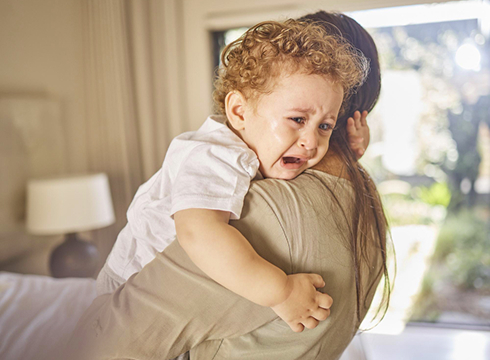
You need to act quickly, but without fuss. Your main goal in the first 15-20 minutes is to stop internal bleeding and prevent swelling from spreading throughout the arm. First aid for a wrist bruise begins with calming the child. Adrenaline and crying only increase blood flow, and we don't need that right now.
Next, we move on to physical methods. The sooner you begin, the smaller the hematoma will be and the faster the healing will be. Remember that at home, we don't use any ointments for the first hour—only cold and support.
Cold in the first hours after an injury
This is the most important rule to remember. A cold compress helps constrict blood vessels, reduce pain, and slow swelling. Ice packs, frozen vegetables, or a hot water bottle with cold water will all work.
Rest, elevate, and immobilize the hand
To reduce blood flow to the injured area, elevate the hand. Have the child hold it above heart level—you can use a pillow if they're lying down, or simply immobilize the hand in a bent position if they're sitting.
Next, light immobilization is necessary. Don't apply a splint; simply wrap the hand with an elastic bandage or sling. This will limit unnecessary movement, which can cause pain. Remember that the bandage shouldn't be so tight that your fingers turn blue—check your circulation every half hour.
What not to do after a wrist injury
Parental mistakes often delay recovery for weeks. The main rule for the first two days is no heat. A hot bath, heating pad, or warming ointment dilates blood vessels, which can worsen hand swelling.
Also, avoid massaging the injured area. You could accidentally damage already injured capillaries or even displace bone fragments if there is a hidden fracture.
And don't force your child to exercise their hand through the pain. The body needs time to initiate regeneration processes.
When does a child need to see a doctor?
Many people think, "It will go away on its own." In most cases, it will, but a child's hand is a risk area. If you realize that standard treatments for a hand injury are no longer sufficient, it's time to seek a specialist. A doctor can conduct a professional diagnosis and rule out injuries that aren't visible to the naked eye.
Warning signs that require immediate medical attention
There are signs that indicate it's dangerous to continue home treatment. If even one of these occurs, it's best not to wait and go to the emergency room immediately.
- The pain doesn't subside within 24 hours, despite cold and rest.
- The swelling increases rapidly, the skin becomes taut and shiny.
- The child can't move their fingers or complains of numbness.
- A noticeable deformity has appeared, the hand looks unusual.
- The hematoma has become very large and tense, or a fracture is suspected.
These symptoms may indicate damage to nerves, blood vessels, or bone. In this situation, it's better to take the child to the doctor again than to deal with the consequences of late treatment.
What tests may be prescribed?
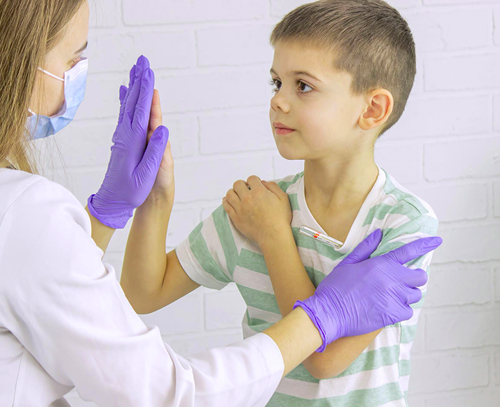
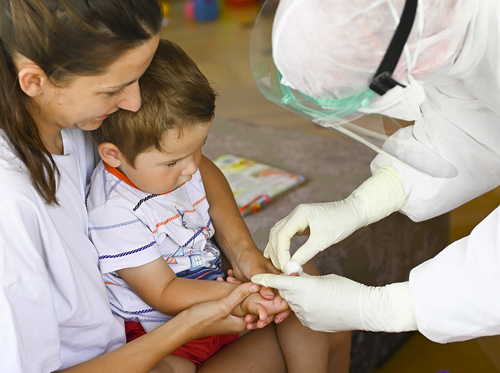
The traumatologist will first perform an examination and palpation. They will check the pulse in the wrist, skin sensitivity, and range of motion. However, an X-ray of the hand remains the primary diagnostic method. It's quick, safe (with modern protective equipment), and provides a 100% answer to the question of bone integrity.
If the doctor suspects ligament or soft tissue damage, they may order an ultrasound. In complex cases, an MRI is sometimes performed, but for a common bruise, an X-ray in two projections is usually sufficient. The most important thing is to rule out damage to the bone's growth plate.
General information
How to treat a child's wrist bruise
If there is no serious injury, the doctor will prescribe treatment for the wrist bruise. This is necessary to reduce pain and create normal conditions for tissue recovery. It is important to protect the hand during the first few days and gradually return to normal activities.
Reducing pain and swelling
To relieve unpleasant symptoms, anti-inflammatory ointments are often used. But be careful: use only age-appropriate medications! These are usually ibuprofen-based or herbal remedies that help dissolve bruises.
If pain is interfering with sleep, the doctor may prescribe an oral pain reliever in an age-appropriate dosage. However, do not self-medicate—the medications can mask the symptoms if the hand condition worsens. Ointments are applied with gentle movements, without rubbing, 2-3 times a day.
Gentle regimen and temporary immobilization
For a few days, avoid active games, pull-ups, and even writing at school if your dominant hand is injured. Limited mobility is not a whim, but a necessity. The tissues need to "glue" together and heal.
If the injury was severe, the doctor may apply a splint or a special orthosis. This is a modern and convenient alternative to a heavy plaster cast. The orthosis allows the skin to breathe and can be removed for hygiene, but it reliably protects the hand from accidental impacts.
Recovery from injury
When swelling subsides and pain subsides, the recovery phase begins. This usually begins on the 4th or 5th day. During this time, you can do light exercises: bend and straighten your fingers, gently rotate your wrist. A soft resistance band and sorting through small objects, such as cereal or construction set pieces, are helpful.
Physical treatments, such as magnetic therapy or electrophoresis, can speed up the process, but they are prescribed individually. The key is not to force the process. If pain returns during exercise, it's too early to introduce such a strain.

FAQ from parents
How can you tell if your child has a bruised wrist and not a fracture?
Should I get an X-ray if I have a wrist contusion?
How long does it take for a child's hand bruise to heal?
In summary, I'd like to quote our leading specialist. This opinion captures the essence of the problem we face daily.
Doctor's quote:
"In my practice, the problem is most often not the bruise itself, but that parents try to treat a hand bruise like a regular bruise and miss the fracture. A child's hand needs to be assessed especially carefully, as symptoms can be vague."
Take care of your children and don't be afraid to seek help. Proper treatment of a hand bruise today means your child's healthy and strong hands tomorrow.
At our clinic, we are always ready to conduct a quick diagnosis and create a clear recovery plan in a child-friendly atmosphere. After all, keeping parents calm and their little patient smiling is our main goal. We know what to do with a hand bruise to ensure rehabilitation is as quick and painless as possible.



This award is given to clinics with the highest ratings according to user ratings, a large number of requests from this site, and in the absence of critical violations.

This award is given to clinics with the highest ratings according to user ratings. It means that the place is known, loved, and definitely worth visiting.

The ProDoctors portal collected 500 thousand reviews, compiled a rating of doctors based on them and awarded the best. We are proud that our doctors are among those awarded.
Make an appointment at a convenient time on the nearest date
Price
Other Services

Appointment to the doctor



Our clinics


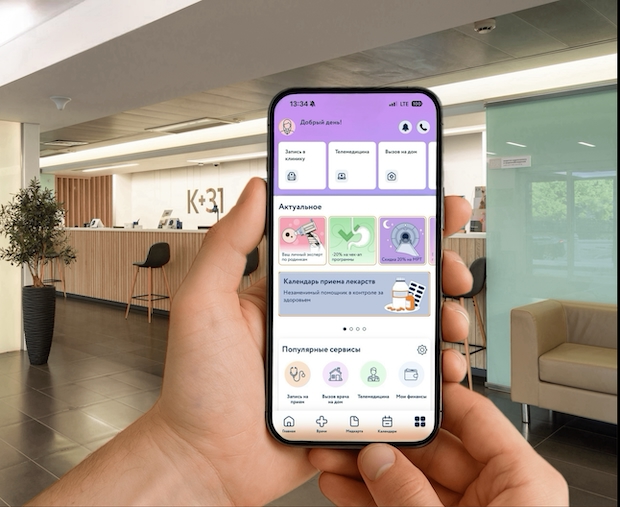
Application “Personal Account K+31”











What is a wrist contusion and why is it common in children?
Essentially, a bruise is a closed injury where soft tissue, blood vessels, and nerve endings are damaged, but the bones remain intact. Why children? Their coordination isn't as well developed, and their sense of danger is often completely absent. Plus, children's bones and ligaments are more elastic, but the hand is a very complex mechanism with many small joints.
When a blow occurs, small capillaries under the skin burst. Blood from them spills into the tissue, resulting in the bruise or large hematoma. Due to the peculiarities of children's physiology, swelling increases rapidly, which often frightens parents more than the injury itself.