
Foot Bruise in Children: Symptoms, First Aid, and Treatment in Moscow
A foot bruise in a child is associated with soft tissue damage following a blow, fall, or sudden step. Initially, it's important to determine whether home observation is sufficient or whether a fracture should be ruled out at this stage. Staying home is only advisable if the pain is moderate, there is no deformity, and weight-bearing ability is maintained.

specialists

equipment

treatment






Symptoms
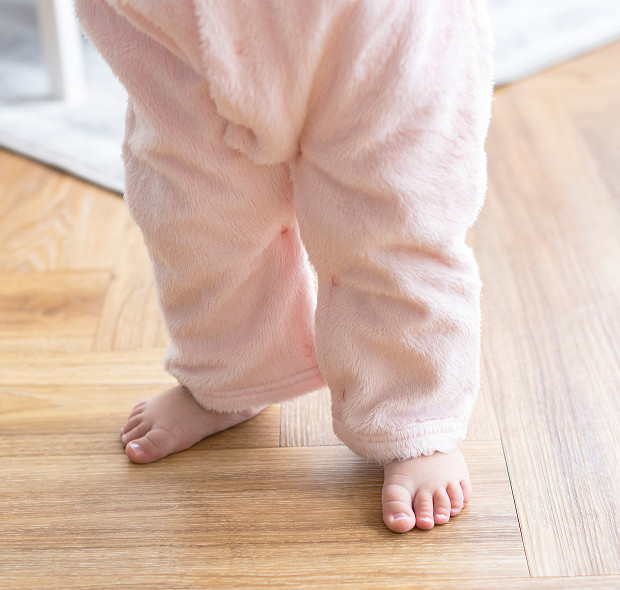
The search for "foot bruise symptoms" covers several signs. It's best to evaluate them together.
Pain, swelling, and bruising
After the blow, the child complains of pain, avoids moving the foot, and protects the leg. Swelling of the foot then develops, and bruising may later occur. The complaints sometimes subside with rest, but the pain returns or intensifies when walking.
Limping and refusal to put weight on the foot
Even a common foot bruise in children can result in limited support. The child places the foot carefully, sometimes only on the toes. This is how limping develops. Complete loss of weight-bearing, sharp pain, and a change in the shape of the foot necessitate ruling out a dislocated foot or sprained ligament.
Signs that indicate a fracture
Severe pain immediately after the injury, rapidly increasing swelling, significant hematoma, deformity, numbness of the toes, pale skin, and the inability to walk a few steps—all indicate a fracture or bruise. In such cases, an examination and, if necessary, an X-ray of the foot are necessary.
First aid
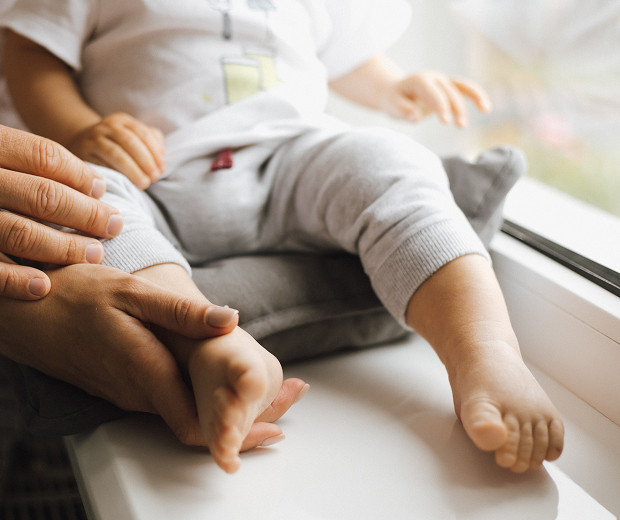
Proper first aid for a foot contusion helps reduce pain and prevent further injury until a doctor can examine it.
Rest and Reduced Load
Rest is essential immediately after the injury. It's best to have the child sit or lie down and avoid forcing them to walk. Excessive load increases swelling of the foot and slows recovery. If the pain is severe, gentle immobilization of the foot is acceptable until the doctor can examine it.
Cold and Elevation
The next step is to apply cold to the injury through a cloth for 10-15 minutes with breaks. This cold application reduces pain and swelling in the first few hours. It's helpful to keep the foot elevated above body level.
What to Avoid After an Injury
During the first few hours, avoid heating, rubbing, massaging, applying irritants, or allowing active play. Pain relief also requires caution, regardless of age or weight. First aid for a foot injury should be gentle.
General information
How a Doctor Diagnoses
During an appointment, a pediatric traumatologist evaluates the child's complaints, the point of maximum pain, range of motion, and the degree of support impairment. Sometimes an orthopedist also conducts an examination if the condition of the joint and ligaments needs to be clarified.
Examination and Questioning of Parents
It is important for the doctor to understand how the child was hit, whether they were able to step on their foot, whether the pain intensifies with walking, how quickly the swelling developed, and whether there was a bruise on the foot. An examination helps to determine the location of the pain and rule out dangerous signs.
When an X-ray or other examination is needed
If the child is unable to step on their foot, the pain is severe, there is a deformity, or swelling is rapidly increasing, a foot X-ray is prescribed. This examination helps rule out a fracture, crack, or dislocation.
How to Rule Out Dislocations and Sprains
A child may suffer more than just a bruised foot after a blow. The doctor rules out joint or ligament damage, or other injuries. When a simple bruise is not confirmed, immobilization and a more rigorous regimen may be necessary.
Below is a brief comparison of conditions that parents confuse with a bruise. This table is not for self-diagnosis, but to help you understand when a visit to the doctor is unavoidable.
| Symptom | Bruise | Fracture | What to do |
|---|---|---|---|
| Pain when bearing weight | Partial bearing weight is possible | Bearing weight is impossible or the pain is very sharp | If bearing weight is impossible, see a doctor immediately |
| Swelling and hematoma | Local swelling, bruising appears gradually | Swelling increases rapidly, hematoma More extensive | Cold, elevated position, in-person examination |
| Deformation | Usually none | Possible deformity | Limit movement and seek immediate medical attention |
| Dynamics | Relieves with rest | Pain remains severe | Diagnosis is needed to rule out a fracture |
After the examination, the doctor determines what treatment the child needs for a foot contusion.


Frequently Asked Questions
How does a child's foot bruise differ from a fracture?
What should be done in the first hours after the injury?
When is a foot X-ray needed?
How long does it take for a child's foot bruise to heal?



This award is given to clinics with the highest ratings according to user ratings, a large number of requests from this site, and in the absence of critical violations.

This award is given to clinics with the highest ratings according to user ratings. It means that the place is known, loved, and definitely worth visiting.

The ProDoctors portal collected 500 thousand reviews, compiled a rating of doctors based on them and awarded the best. We are proud that our doctors are among those awarded.
Make an appointment at a convenient time on the nearest date
Price
Other Services

Appointment to the doctor



















Our clinics


Application “Personal Account K+31”












What is a foot bruise and why is it important not to confuse it with a fracture?
A contusion damages the skin, subcutaneous tissue, and small blood vessels. This causes soft tissue contusion, pain and swelling, and a bruise may later become visible. Initially, the injury may look similar, so the question of whether a fracture or contusion is determined not by a single symptom, but by the overall picture.
How does injury occur in children?
An injury occurs after a fall at home, hitting a piece of furniture, jumping from a height, or twisting an ankle while walking, practicing, or playing. During an examination, the doctor always clarifies the mechanism of the injury and assesses whether pain with walking began immediately.
Which parts of the foot are most often affected?
The dorsum of the foot, the metatarsal area, the toes, the outer edge, or the heel are usually injured. Sometimes the injury appears localized, although a more serious problem may be nearby. For this reason, severe swelling of the foot and a refusal to put weight on the foot require an in-person examination.