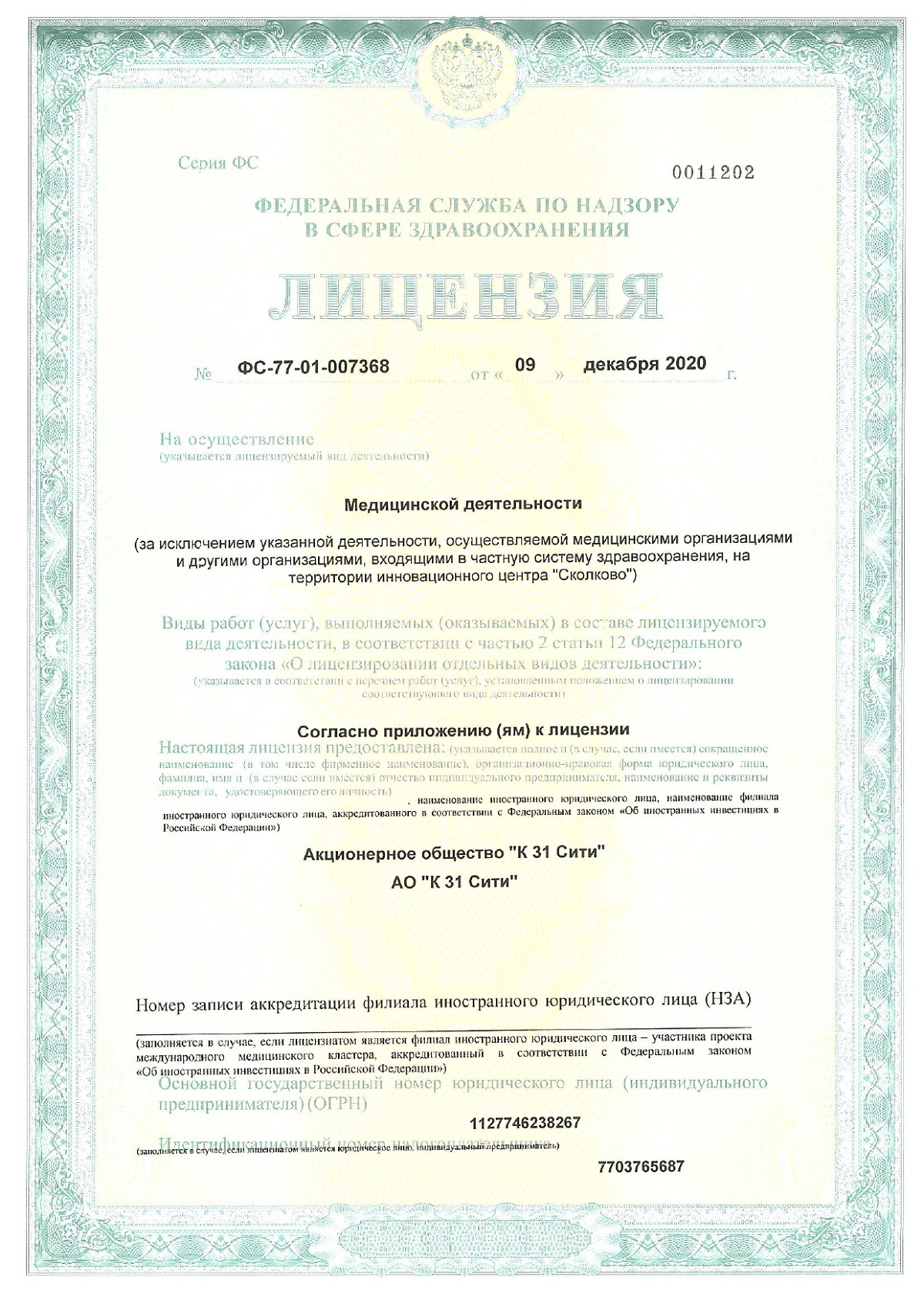
Bruised leg in a child: symptoms, first aid and treatment

Active play in children often results in falls, and leg bruises are very common. While every abrasion doesn't require rushing to the doctor, it's important to distinguish between a common bruise and a more serious injury. To avoid confusion, parents should understand the symptoms of such an injury and what can be done to reduce pain and prevent complications.

Best specialists
Best
specialists
Expert equipment
Expert
equipment
Advanced diagnostic treatment
Advanced diagnostic
treatment
Sign up
Fill out the entry form on the page and we will call you back
Sign up Позвонить
Download the application “Personal Account K+31”
Everything about your health in one click!
Subscribe to social networks K+31
To keep up to date with current offers and receive useful advice about your health.

What is a leg bruise and why does it require attention in children?

By this term, doctors mean a closed tissue injury without serious disruption of its structure. The skin, subcutaneous tissue, and muscles bear the brunt of the impact. When a child's leg is bruised, capillaries rupture, leaking blood into the surrounding tissue, causing the characteristic discoloration of the skin.

Children often react more severely to such injuries than adults. This is due to their different blood supply and the greater sensitivity of their nerve endings.

How soft tissue contusions occur

Most often, soft tissue contusions occur after a blow to a blunt object or a fall onto a hard surface. At the moment of injury, the force of the blow travels deeper into the leg, compressing the muscles and blood vessels. The extent of the injury depends on the force of the blow and the area of ​​the leg where it occurs. Areas where the bone is located closer to the skin, such as the anterior surface of the shin, are usually more severely affected. In such areas, soft tissue is pinched between the bone and the object, causing more severe injury.

How does a child's injury differ from an adult's?

A child's body reacts to impacts very differently than ours. Children have very elastic bones and thick periosteum, so bruises and bumps swell literally before your eyes. If a child has an injury, don't expect a clear explanation from the child—they may simply cry or act up, not understanding what exactly hurts.

The most dangerous area is the joints. These are the areas responsible for bone growth, and it's best not to overlook damage to them. Even if a common leg bruise in children doesn't seem too severe, keep an eye on it for the first few days to ensure it's healing properly.

What is a leg bruise and why does it require attention in children?

Symptoms of a bruised leg in a child
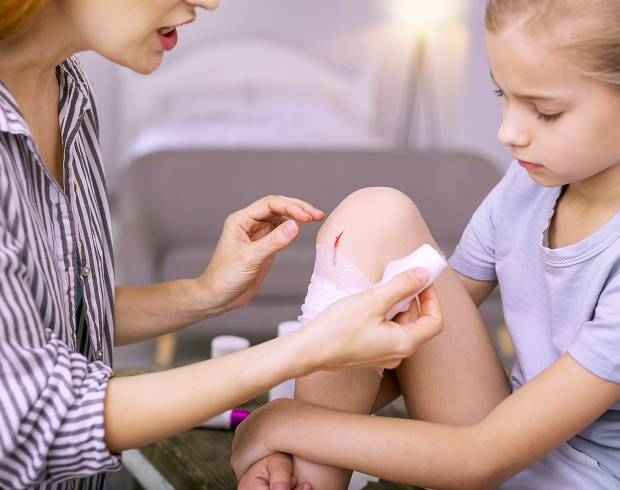
Symptoms of a bruised leg in a child

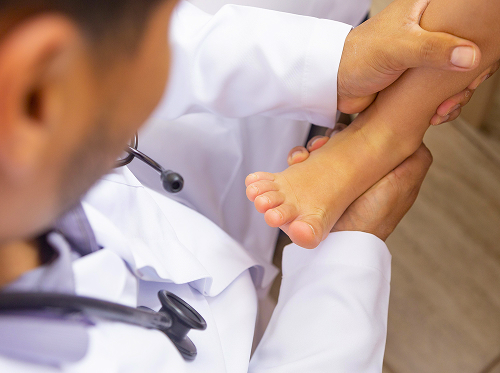
The first signs usually appear almost immediately after the injury. Therefore, the site of the injury should be carefully examined to see how the skin has changed and how the child reacts to touch.

Remember that a leg bruise can manifest symptoms gradually: if a child simply cries immediately after the injury, a noticeable limp may develop within an hour.

Pain with movement and touch

Severe leg pain in a child is the first and most important sign. Immediately after the injury, it is sharp, but usually begins to subside within 15-20 minutes, becoming aching.

If the pain persists or, on the contrary, becomes throbbing and unbearable, this is a bad sign. Usually, with an injury, it is painful for a child to step on the leg or bend it, but they can still do so, albeit with difficulty.

If any attempt to move the leg causes a scream, you should suspect something more serious than just a bruise.
Swelling, redness, and bruising

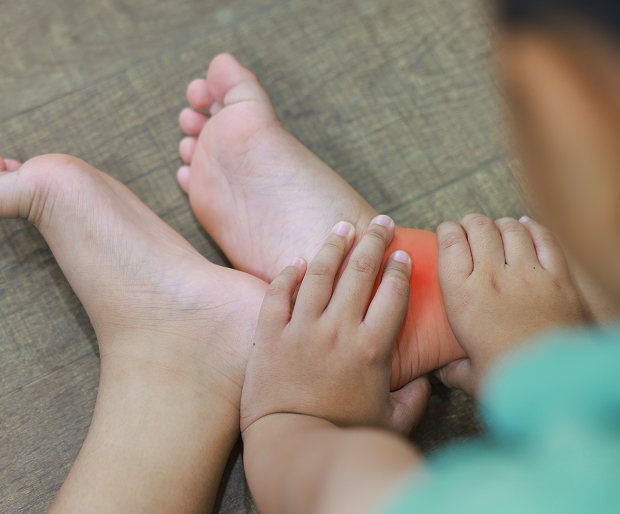
Swelling, redness, and bruising

Some time after the injury, post-bruise edema develops at the site of the impact. This occurs due to fluid leaking from damaged vessels into the interstitial space.

Following the swelling, a bruise appears on the child's leg, which doctors call a hematoma. Initially, it is red or purple in color. Then, it gradually turns blue. If the hematoma grows before your eyes and becomes tense and hot to the touch, this is a reason to take the child to the hospital immediately.

When Symptoms Should Raise Concern

Parents should monitor the condition. If swelling spreads to the entire foot or lower leg, and the skin becomes pale or bluish, this may indicate impaired blood flow.

An increase in body temperature after the injury is also considered dangerous. Any numbness, tingling, or complete loss of sensation in the toes indicates nerve damage. In such cases, self-treatment of a foot injury is unacceptable.

First aid for a leg bruise

First aid for a leg bruise

How to treat a leg bruise? Much depends on what was done in the first minutes after the injury. The main goal at this point is to reduce internal bleeding and prevent swelling from rapidly increasing. This is where first aid for a leg bruise begins, whether at home, on a walk, or outdoors.

For the first 30 minutes, it's best to follow a simple algorithm:

  • Sit or lay the child down and ensure the leg is completely at rest.
  • Limit any movement to avoid increasing the pain.
  • For pain relief, apply cold through a cloth for 10-20 minutes.
  • Elevate the leg by placing a pillow or bolster underneath it.
  • Monitor the pain and whether the child can put weight on the leg.

These actions help constrict blood vessels, reduce swelling, and relieve some pain, even without medication.

Cold in the first hours

The most effective initial treatment is a cold compress. Low temperatures cause vasospasm, which slows the formation of a hematoma.

It's important to remember: ice should not be applied directly to the skin, as this can damage soft tissue. Always apply ice through a towel or any clean cloth. Apply it for no longer than 20 minutes, then take a half-hour break and repeat the procedure in the first 2-3 hours after the injury.

Rest and elevate the leg

Rest and elevate the leg are important during the first 24 hours. Raising the leg slightly above heart level usually reduces swelling and relieves pain. It's best to avoid active play and walks during this time, even if the child is already feeling well.

General information

Treating a child's leg bruise

Once the initial stress has passed, the recovery phase begins. In most cases, a leg bruise requires home treatment. However, this is only possible if fractures and ligament tears have been ruled out. The main goal at this stage is to accelerate the resorption of the hematoma and reduce residual inflammation.

Home Care Features

During the first 48 hours, we continue to apply cold. Starting on the third day, when the swelling has stopped increasing, we can move on to light warming treatments. This is necessary to improve tissue metabolism. This can include warm (not hot!) baths.

The regimen should remain gentle. Don't force the child to walk. If the child's leg pain persists while walking, an elastic bandage should be used. However, it should be applied gently, without squeezing.

When are painkillers and topical agents acceptable?

Any topical agents or tablets should be used with caution. If pain prevents the child from sleeping, a pain reliever such as paracetamol or ibuprofen can be given. The medication should be used in the appropriate dosage for the child's age, after consulting with a doctor.

Ointments for bruises and hematomas are generally approved for children of a certain age. They should not be applied if there are abrasions or open wounds on the skin. Treating a leg bruise with warming ointments is only allowed 3-4 days after the injury.

When is a doctor's examination necessary?

Even if you are sure it is just a bruise, there are situations when a doctor's examination is essential. If the condition does not improve within 24 hours, the pain intensifies, and the child refuses to put weight on the leg, it's time to go to the hospital.

A traumatologist can assess the condition of your joints and rule out hidden injuries. If you're in the capital, treatment for a leg injury in Moscow is available at our center.

For a quick assessment, use this comparison table:

SignBruiseSprainFractureWhen to see a doctor
PainModerate, with pressureSharp with movementSevere, constantWith any severe pain
SwellingLocal, slowly increasingAround the ligamentsRapid, pronouncedWith a sharp increase
BruiseAfter a few hoursNot alwaysAppears quicklyWith an extensive hematoma
Support on the legPossibleDifficultImpossibleIf you can't step on it
DeformationNoNoPossibleUrgently if there are any changes in shape
MovementPainful, but presentLimited in the jointSeverely limitedIf suspected to the breaking point
Treating a child's leg bruise

How to distinguish a bruise from a fracture, sprain, and dislocation

Main Differences in Symptoms

With a sprain, pain is usually localized in the joint area. It intensifies sharply when attempting to turn the foot to the side. A dislocation is always accompanied by a change in the shape of the joint and a complete inability to move the leg.

If a fracture or bruise has occurred, pain at night is often the deciding factor. The fracture "aches" and prevents sleep even when completely at rest.

When X-rays are Needed

The only reliable way to distinguish a fracture from a bruise is an X-ray. A doctor will order one if, during the examination, bone crepitus (a characteristic crunching sound), deformity is detected, or if the pain is not consistent with a simple bruise.

There's no need to fear radiation exposure. Modern digital equipment places minimal strain. However, an undetected fracture can lead to improper bone healing and lifelong lameness.

How to distinguish a bruise from a fracture, sprain, and dislocation

How long does it take for a child's leg bruise to heal?

What determines the recovery time?

On average, a mild leg bruise heals in 5-7 days. However, if the injury was severe, with a large hematoma, the process can take up to two weeks. The recovery time is influenced by the child's age, their general activity level, and the quality of first aid provided. If significant swelling is avoided in the first few hours, recovery will be much faster.

When pain and swelling are considered normal?

It's normal for the pain to gradually subside with each passing day. The hematoma will change color: from blue to greenish and yellow. This is the breakdown of hemoglobin; there's no need to worry. The swelling should also gradually subside.

If you see the opposite trend—after three days, the leg is even more swollen than on the first day—this is a reason to urgently see a specialist.

How long does it take for a child's leg bruise to heal?

When to seek urgent medical attention

There are situations when delay is dangerous. If you see your child turning pale, complaining of extreme weakness, or feeling dizzy after a blow, this could be a sign of pain shock or internal bleeding.

Danger Signs

There are signs that you shouldn't wait. If you notice even one of them, your child should be seen by a doctor as soon as possible.

  • The leg appears abnormally bent
  • The child has no feeling in the toes
  • The swelling increases very quickly, and the skin becomes taut and shiny
  • The pain doesn't subside with the usual dose of painkiller
  • There is a throbbing sensation at the site of the blow

In this situation, you can't waste time. Immediate medical attention is needed.

What tests might be needed?

At the clinic, the traumatologist will first perform a visual examination and palpation. In addition to X-rays, in complex cases, a soft tissue ultrasound may be prescribed. This examination allows us to see how deep the hematoma has gone and whether there is damage to major vessels or muscle fibers. In rare cases, a CT scan is required, but for a common bruise, this is an exception.

Doctor's quote:

"In my practice, parents often focus only on the presence of a bruise, but something more important is whether the child can put weight on the leg. If the pain doesn't subside and the swelling increases, it's best not to wait and take the child to the doctor," says the traumatologist.

When to seek urgent medical attention

Recovery from injury and preventing recurrent injuries

When Can I Return to Walking and Sports

Regular walks at a leisurely pace can begin as soon as severe pain while walking has subsided. It's best to return to sports no sooner than 10-14 days later, and only after the child's leg injury has ceased to cause any discomfort. Start with minimal activity, paying close attention to any complaints. If the injured area begins to ache again after exercise, reduce the intensity.

How to Reduce the Risk of Recurrent Injury

It's impossible to completely protect an active child from injury, but many things can be anticipated. Shoes should provide good support and be non-slip. It's best to remove rugs and dangerous sharp corners from the play area at home. It's best to explain safety rules to your child calmly, without creating unnecessary fear. Rehabilitation after injuries is also considered an important part of prevention, as strong muscles and good coordination reduce the risk of further falls.

Recovery from injury and preventing recurrent injuries

FAQ

Here are brief answers to the questions that most worry parents in the first hours after an incident. This information will help you stay calm and act rationally.

How can you tell if your child has a bruised leg and not a fracture?

A bruise typically causes pain, bruising, and swelling, but the child may be able to put some weight on the leg. A fracture often causes severe pain, severe limitation of movement, an inability to put weight on the leg, and sometimes deformity. If in doubt, a doctor's examination is necessary. Only a specialist can reliably differentiate a fracture from a bruise after conducting a diagnosis.

What should you do in the first few hours after a leg injury?

Ensure rest, apply a cold compress through a cloth for 10-20 minutes, elevate the leg, and avoid applying heat to the injured area. Avoid vigorous rubbing, massaging, or immediately applying heat. Remember, first aid for a leg injury is the key to a quick recovery without complications.

How long does a child's leg bruise last?

With a mild bruise, severe pain usually subsides within the first 1-3 days, and bruising and swelling gradually subside. Full recovery may take a week or a little longer. If the pain intensifies, the child is unable to put weight on the leg, or the symptoms do not subside, consult a doctor to ensure the leg bruise is being treated properly.

When is it necessary to take your child to the doctor?

If your child is unable to bear weight on their leg, swelling is rapidly increasing, there is a deformity, severe pain, numbness, pronounced lameness, or a suspected fracture, an urgent examination is necessary. Don't risk their health; childhood requires special attention to any limb injuries. Safe treatment begins with a correct diagnosis.

Take care of your children and remember that your confidence and competent actions are the best support for your child during an injury. If you feel the situation is getting out of control, treating a leg injury in Moscow at a specialized clinic will be the best solution for your peace of mind and your child's health.


Our doctors

Polovnikova (Kroshkina) Valeria Alexandrovna
Experience 15 years
Make an appointment
Polovnikova (Kroshkina)
Valeria Alexandrovna
Traumatologist-orthopedist, pediatric
Lopatin Kirill Alexandrovich
Experience 16 years
Make an appointment
Lopatin
Kirill Alexandrovich
Traumatologist-orthopedist, pediatric
All specialists
2GIS Award
2GIS Award

This award is given to clinics with the highest ratings according to user ratings, a large number of requests from this site, and in the absence of critical violations.

«Good place» according to Yandex

This award is given to clinics with the highest ratings according to user ratings. It means that the place is known, loved, and definitely worth visiting.

Our doctors are laureates of the ProDoctors Award

The ProDoctors portal collected 500 thousand reviews, compiled a rating of doctors based on them and awarded the best. We are proud that our doctors are among those awarded.

Make an appointment at a convenient time on the nearest date

Price

Initial appointment with a pediatric traumatologist-orthopedist
from 8 950 ₽
Follow-up appointment with a pediatric traumatologist-orthopedist
from 7 950 ₽

Other Services

Treatment of hip sprain in a child Ankle injury in a child: treatment and recovery Calf muscle strain in children: symptoms and treatment Treatment of sprains in children: symptoms, first aid and recovery Treatment of pectoral muscle strain in children Treatment of muscle strains in children Hip sprain in children: symptoms and treatment Sprained Foot in Children: Treatment, Symptoms, First Aid, and Recovery Treatment of Achilles tendon strain in children First aid for bleeding in children: how to act quickly and safely Neck Strain in Children: Symptoms, Treatment, and Recovery Subungual hematoma in children: symptoms, first aid, and treatment in Moscow Wrist sprain in a child: symptoms, treatment, and recovery Subcutaneous hematoma in a child: symptoms, treatment, and first aid Treatment of the consequences of trauma in children Orthopedic rehabilitation for children in Moscow: recovery from injuries, surgeries, and musculoskeletal disorders Reduction of subluxations and dislocations in children Plaster cast application for a child: procedure, types of casts, and care Treatment for a child's shoulder sprain Application of an immobilization bandage to children Swelling after a bruise in a child: treatment and first aid Hip contusion in a child: symptoms, first aid, and treatment Head injury in children: treatment, symptoms, and first aid Chest contusion in a child: symptoms, first aid, and treatment Treatment of a child's hand contusion: symptoms, first aid, and recovery Knee contusion in a child: treatment, symptoms, and first aid Bruised tailbone in a child: symptoms, first aid, and treatment in Moscow Elbow bruise in a child: symptoms, first aid and treatment Treatment of groin strain in children Bruised nail in a child: treatment, first aid, symptoms, and recovery Back strain in children: symptoms, treatment, and recovery Soft tissue contusion in a child: symptoms, first aid, and treatment Treatment of a joint contusion in a child in Moscow: symptoms, first aid, diagnosis, and recovery Bruised nose in a child: treatment, first aid, and when to see a doctor Bruised Foot in a Child: Symptoms, First Aid, and Treatment in Moscow Bruised finger in a child: treatment, first aid, and when to see a doctor Back injury in a child: symptoms, first aid, and treatment in Moscow Bruised arm in a child: symptoms, first aid, and treatment Shoulder contusion in a child: symptoms, first aid and treatment Bruised ribs in children: symptoms, treatment, and first aid Zygomatic bone fracture in a child: symptoms, diagnosis, treatment and recovery
Make an appointment

Appointment to the doctor
Fill out the form, our managers will contact you within 15 minutes
Почему К+31?
К + 31 — full-cycle multidisciplinary medical centers, including the possibility of providing medical services of European quality level.
К + 31 — are leading doctors and diagnostics using high-tech equipment from world manufacturers (Karl Storz, Olympus, Siemens, Toshiba, Bausch&Lomb, Technolas, Zeiss, Topcon).
К + 31 — is ethical. The staff of K+31 clinics maintain open relationships with patients and partners. An individual approach to each patient is the basis of our service standards.
К + 31 — is modernity. On call 24/7: call center operators will answer your questions at any time and book you an appointment with doctors. Contact us by phone, through the feedback form on the website and Max.

Our clinics

Address K+31 on Lobachevskogo

st. Lobachevskogo, 42/4

Contacts

+7 499 999-31-31

Opening hours

Mon-Fri: 08:00 – 21:00
Weekend: 09:00 – 19:00
Didn't find the service you were looking for?

Экстренная помощь