
Reduction of subluxations and dislocations in children
Leg injuries are a common problem. Dislocations and subluxations are the most common in children. Pain in these cases should not be tolerated; the child should be taken to a traumatologist immediately. Reduction of the dislocation is an opportunity to avoid complications and fully restore limb function.

specialists

equipment

treatment



Symptoms and signs of joint injury in a child
It's important for parents to be able to distinguish a common bruise from a more serious injury. The main indicators are always the child's behavior and changes in the limb's appearance.
Main Signs of a Dislocation
With complete bone displacement, the following symptoms appear:
- Joint deformity (it protrudes unnaturally or falls too far)
- The child is unable to move their arm or leg
- Joint pain develops, which intensifies with palpation
- Swelling and hematoma develop
Main Signs of a Subluxation
Symptoms of a subluxation can vary. At rest, the pain may be mild, but with movement, it becomes unbearable. There may be no deformity at all, but upon examination, the doctor will notice swelling.

When to See a Doctor Urgently
There are critical symptoms that require an immediate call to an ambulance or a visit to the emergency room:
- The skin below the injury site has become pale or bluish
- Loss of sensation (numbness) in the fingers
- Absence of a pulse in the limb
- Severe progressive deformity
- Suspected concomitant fracture
| Symptom | Dislocation | Subluxation | Bruise | When to see a doctor |
|---|---|---|---|---|
| Pain | Very severe | Moderate or severe | Mild or moderate | If you suspect a dislocation/subluxation |
| Deformity | Obvious | Minor/none | None | Urgent if deformed |
| Swelling | Severe | Moderate | Localized | If swelling increases |
| Movement | Impossible | Severely limited | Painful, but possible | If movement is limited |
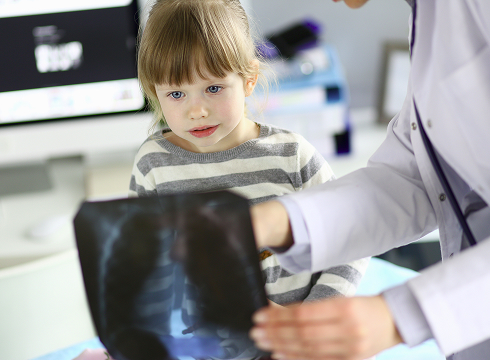
How a doctor confirms a diagnosis
Even an experienced pediatric orthopedic traumatologist cannot always make a definitive diagnosis based on an examination alone, as the symptoms of a dislocation often coincide with those of a fracture.
Examination and collection of complaints
First, the doctor examines the child and palpates the tissues of the injured limb. They need to determine exactly how the injury occurred: whether it was a jerk, a fall, or a blow.
When are X-rays and additional tests needed?
X-rays are the "gold standard" of diagnosis. They allow for precise visualization of the bone position and confirm the need for a dislocation reduction procedure. In complex cases, if damage to soft tissue, blood vessels, or cartilage is suspected, an MRI or ultrasound of the joint may be prescribed.
How to rule out fractures and other injuries
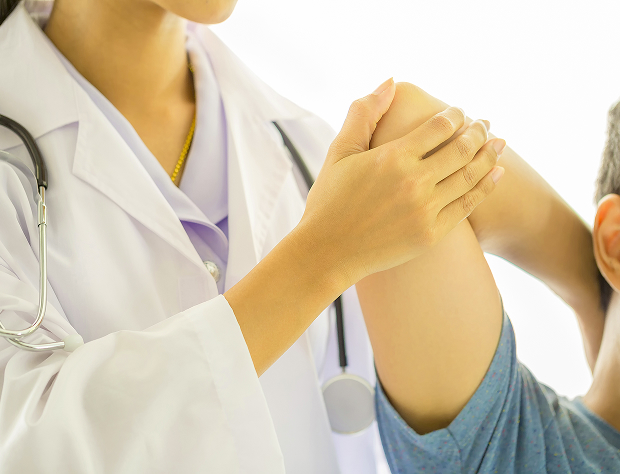
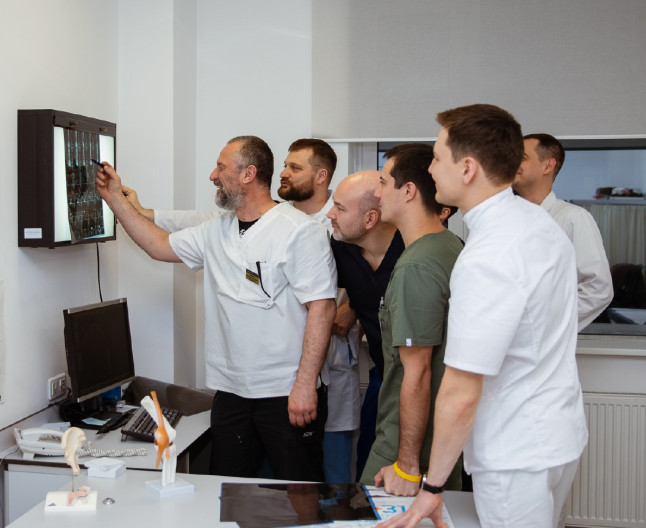
Children often experience epiphysiolysis—damage to the growth plate of the bone. In the image, the doctor carefully examines the integrity of the bone structures. Ruling out a fracture is critical, as the treatment strategies and immobilization methods for these injuries are fundamentally different.
How is reduction performed in a child?
The procedure of returning the bones to their anatomical position is called repositioning. In children, this process requires extreme care to avoid damaging the fragile cartilage.
Preparing for the procedure
This isn't the most pleasant procedure. Don't lie to your child; explain exactly how the doctor will realign the joint. It's important to ensure the child's psychological comfort. If the child is very frightened, their muscles will spasm, and the subluxation reduction will be more painful.
Pain relief and gentle tactics
Treating dislocations in children primarily involves pain relief. Depending on the severity of the injury and the patient's age, the following may be used:
- Local anesthesia (injection of an analgesic into the joint)
- Sedation (medication-induced sleep)
- General anesthesia (used for complex dislocations)
A pediatric traumatologist-orthopedist uses gentle manual techniques, avoiding sudden and forceful movements.
Monitoring after reduction and joint fixation
After the joint has returned to its original position (often accompanied by a characteristic click), the pain immediately subsides. The doctor checks the range of passive motion. Then, joint fixation is mandatory to prevent re-dislocation while the joint capsule and ligaments heal.

General information
Treatment features in children
Pediatric traumatology is a separate discipline with its own rules. The main principle here is minimal trauma.
Why a gentle approach is important
Rough manipulations can lead to damage to the growth plates, which can lead to limb deformity or developmental delays in the future. Therefore, dislocation reduction should only be performed by a specialized specialist.
Considering Age, Height, and Ligament Condition
The doctor takes into account that ligaments in young children contain a lot of elastin. This allows for the use of more conservative treatment methods. However, joint hypermobility requires longer and more secure immobilization after reduction.
How does a child's injury differ from an adult's?
In adults, injuries are more often accompanied by severe tissue ruptures, while in children, periosteal detachment or sprains often occur. It's also worth noting that children's tissues heal much faster due to their active blood supply.

Preventing a dislocation in a child is easier than treating its consequences, especially considering the risk of developing a habitual dislocation.
Home and outdoor safety
- Don't lift your child by the wrists or forearms
- Use protective equipment (elbow pads, knee pads) when scootering or rollerblading
- Ensure non-slip surfaces in the bathroom and on steps
Sports injury prevention
If your child plays sports, it's important to pay attention to the warm-up. Warm muscles and ligaments are much better at supporting the joint under load. A trainer should ensure proper exercise technique.
How to reduce the risk of a recurrence
After an injury, the joint capsule may remain stretched. The child needs to strengthen his or her muscles and undergo a follow-up examination with a traumatologist.
FAQ
Can a child's dislocation be reduced independently?
How can you tell if your child has a dislocation and not a bruise?
Do I need an X-ray after the reduction?
How long does recovery after reduction last?
"Don't try to reset the joint at home. First, you need to rule out a fracture and assess the condition of the ligaments and joint capsule."
Only a doctor can make a diagnosis. If you consult a doctor promptly and follow all their recommendations, your child will quickly return to an active life.



This award is given to clinics with the highest ratings according to user ratings, a large number of requests from this site, and in the absence of critical violations.

This award is given to clinics with the highest ratings according to user ratings. It means that the place is known, loved, and definitely worth visiting.

The ProDoctors portal collected 500 thousand reviews, compiled a rating of doctors based on them and awarded the best. We are proud that our doctors are among those awarded.
Make an appointment at a convenient time on the nearest date
Price
Other Services

Appointment to the doctor

Our clinics


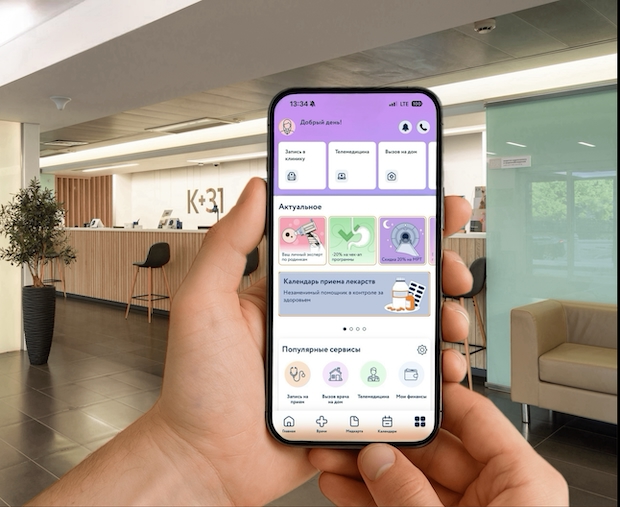
Application “Personal Account K+31”










What is subluxation and dislocation?
To understand the nature of the injury, it's important to understand the structure of the joint. A joint is a movable connection of bones, surrounded by a joint capsule and strengthened by ligaments. Normally, the articular surfaces of the bones fit tightly together.
What's the difference between a subluxation and a dislocation?
The main difference between these conditions is the degree of displacement of the bones relative to each other. A dislocation involves the complete displacement of the joint head from the socket, which is often accompanied by a rupture of the joint capsule and damage to the ligamentous apparatus. A dislocation in a child is visually noticeable by its pronounced deformity.
A subluxation in a child may not be noticeable to the naked eye. However, joint pain is a reason to immediately consult a doctor.
Why are such injuries more common in children?
The child's skeletal system is constantly growing. There are objective reasons why joint injuries are more common in children than in adults:
Which joints are most frequently injured?
The most common injury is a subluxation of the radius (so-called "nurse's elbow"), which occurs when an adult abruptly yanks a child's outstretched arm. Dislocations of the shoulder joint, fingers, and patella are also common. Less commonly diagnosed hip injuries are usually associated with serious accidents (falls from heights, car accidents).