
Orthopedic rehabilitation for children in Moscow: recovery from injuries, surgeries, and musculoskeletal disorders
Injuries and diseases of the musculoskeletal system in childhood require special attention. A child's body is constantly growing, and any untreated pathology can lead to skeletal deformities in the future. Orthopedic rehabilitation for children in Moscow today is a comprehensive approach aimed at fully restoring bodily functions after injuries.

specialists

equipment

treatment



In what cases does a child need orthopedic rehabilitation?
Timely referral to a specialist can help avoid disability and chronic pain. There are a number of direct indications when orthopedic rehabilitation in children becomes a mandatory stage of treatment.
After Injuries and Fractures
Rehabilitation after an injury is necessary even in cases where the bones have healed properly. Long-term cast wear leads to muscle atrophy and limited joint mobility (contractures). Rehabilitation after a fracture helps tissues restore blood flow and restore limb strength and flexibility.
After Surgeries on Bones, Joints, and Ligaments
Rehabilitation after surgery is the most complex and crucial stage. Surgical interventions on structures such as joints or ligaments require early but strictly measured activation. Without professional help, there is a high risk of scarring, which will further limit the child's movement.
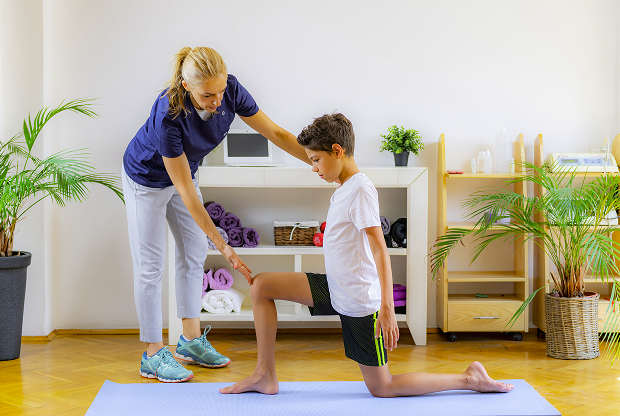
For posture, foot, and gait disorders
Acute injury is not always the reason for rehabilitation. Often, assistance is required for functional disorders.
When a child may need orthopedic rehabilitation:
- After a limb or spine fracture
- After surgery to correct deformities
- If a posture disorder is detected (scoliosis, kyphosis)
- For flat feet and hallux valgus
- If mobility is limited due to inflammatory processes
Experts note that even minor posture disorders during periods of active growth can progress rapidly, so correction must be timely.
How does recovery work
The rehabilitation process in modern Moscow centers is built on a clear algorithm based on the principles of evidence-based medicine.
Initial examination and diagnosis
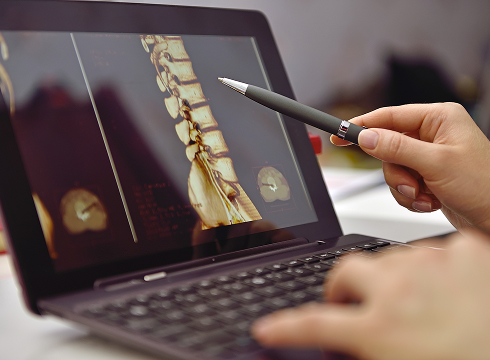
At the first stage, a pediatric orthopedist or rehabilitation specialist conducts a detailed assessment. The doctor checks the child's range of motion, muscle strength, and assesses changes in gait and body symmetry. If necessary, additional tests are prescribed (X-rays, ultrasound, or CT scan of the spine).
Creating an individualized program
Based on the data obtained, an individualized program is developed. It records specific intervention methods, their intensity, and frequency. The program takes into account the child's age, psychological characteristics, and current level of physical fitness.
Modern monitoring and load adjustment
At each stage of treatment, the doctor evaluates the results: whether pain has decreased, whether gait has become more confident. If recovery is faster or slower than expected, the load is adjusted.
To achieve lasting results, a multidisciplinary approach is used, combining several techniques.
Physical therapy and therapeutic exercises
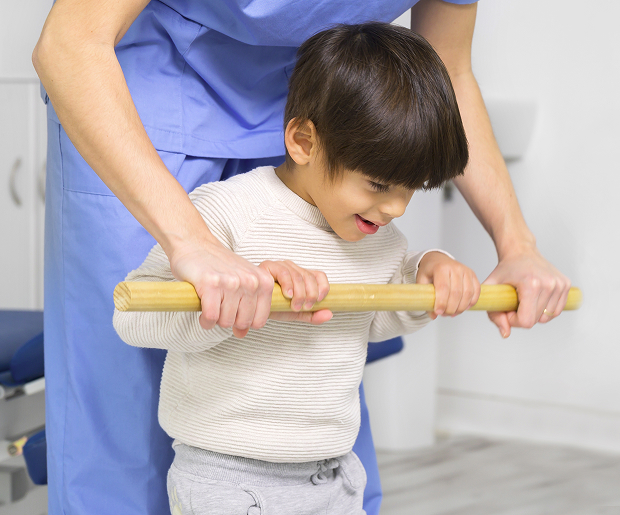
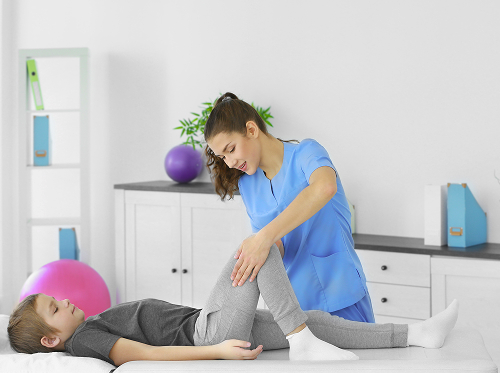
Physical therapy is the foundation of recovery. Physical therapy for children is aimed at strengthening the muscles that hold the skeleton in proper alignment. The exercises help restore coordination and endurance. It is important that a specialist selects the program, as improper technique can harm immature joints.
Massage and gentle manual techniques
Massage is used to improve lymphatic drainage and relieve muscle tension. For children, gentle techniques that do not cause pain are predominantly used. This helps prepare the muscles for physical therapy and accelerates tissue regeneration.
Physical therapy and hardware-based techniques
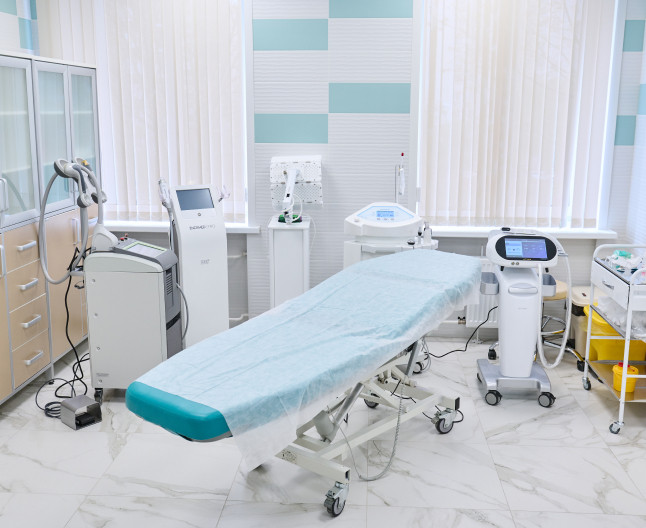
Modern physiotherapy helps combat swelling and inflammation without unnecessary medication. Methods such as electrical myostimulation, magnetic therapy, and laser therapy are used. These procedures are painless and well-tolerated by children.
Orthotics, braces, and insoles
When external support is needed for recovery, a doctor prescribes orthoses (joint braces) or orthopedic insoles (if flat feet are diagnosed).
Comparison of orthopedic rehabilitation methods for children
| Method | When used | Benefits | Features |
|---|---|---|---|
| Physical therapy | All stages of recovery | Strength, coordination, endurance | Playful, gradual approach |
| Massage | For spasticity, hypertonicity, or atrophy | Muscle relaxation or stimulation | Gentle techniques, improved blood flow |
| Physiotherapy | For pain, swelling, and inflammation | Pain relief, accelerated healing | Hardware intervention, pain-free |
| Orthotics | Joint instability, deformities | Fixation, proper load distribution | Customized product selection |
General information
Characteristics of Rehabilitation in Children of Different Ages
The approach to rehabilitation changes as the patient matures, as their goals and capabilities change.
For Preschoolers
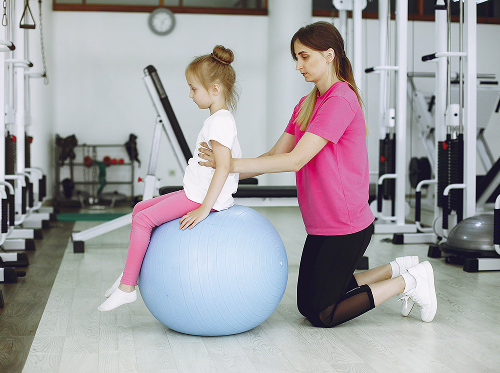
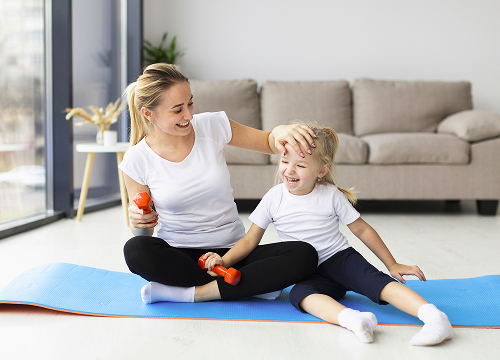
Until the age of 6-7, the primary method is play. Exercises are disguised as playful tasks so that the child doesn't perceive rehabilitation as hard work. The emphasis is on the general development of motor skills and coordination.
For Schoolchildren
Wearing heavy backpacks can increase stress on the spine and is considered a risk factor for scoliosis, especially in children with underdeveloped back muscles. Therefore, at this age, rehabilitation focuses on the core muscles.
For Adolescents
Working with adolescents requires a different psychological approach. It is important to explain to the young patient the significance of each exercise. At this age, exercise becomes more intense, closer to sports, as the skeleton is almost fully formed.
What can parents do at home?
The success of rehabilitation depends 50% on what happens outside the clinic. Parents are the doctor's primary supporters.
Exercise regimen and monitoring of well-being
It is important to strictly adhere to the exercise schedule and avoid both skipping and excessive activity. If the doctor has approved moderate walking, avoid allowing the child to run. It is also important to monitor how the child uses orthoses or insoles: they should not rub or cause discomfort.
Mistakes to avoid
The most common mistake is forcing things. Increasing the load without the doctor's approval can lead to re-injury. It is also not recommended to independently select a set of exercises from the internet, as each injury is unique.
FAQ
When does a child need orthopedic rehabilitation?
What methods are used in pediatric rehabilitation?
How long does recovery take?
Is it possible to exercise at home without a specialist?
During rehabilitation, situations may arise that require immediate specialist intervention. Parents should be aware of the "red flags" that indicate they should stop exercising and seek medical attention.
These include:
- The appearance of acute or increasing pain during or after exercise
- Severe swelling in the joint or surgical site
- Increased body temperature, both local and general
- A significant limitation of weight-bearing on a limb the child previously used
Orthopedic rehabilitation for children in Moscow is an opportunity to restore a child's joy of movement and self-confidence. The main thing to remember is that recovery requires patience, consistency, and professional supervision at every stage.

This award is given to clinics with the highest ratings according to user ratings, a large number of requests from this site, and in the absence of critical violations.

This award is given to clinics with the highest ratings according to user ratings. It means that the place is known, loved, and definitely worth visiting.

The ProDoctors portal collected 500 thousand reviews, compiled a rating of doctors based on them and awarded the best. We are proud that our doctors are among those awarded.
Make an appointment at a convenient time on the nearest date
Price
Other Services

Appointment to the doctor
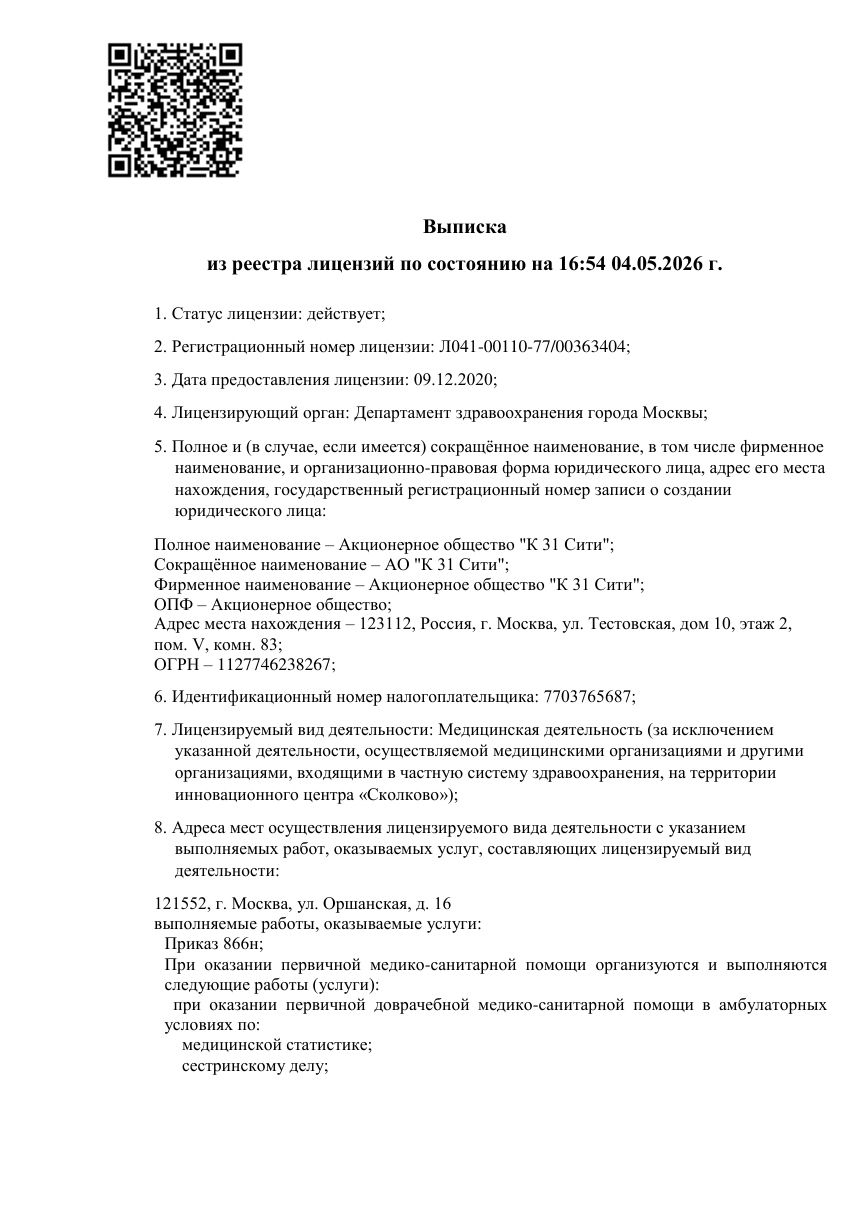
Our clinics


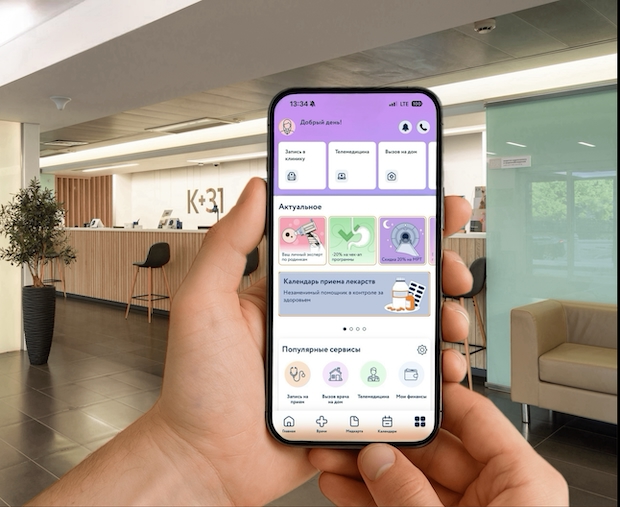
Application “Personal Account K+31”










What is orthopedic rehabilitation in children?
Pediatric orthopedic rehabilitation is an opportunity to restore motor activity and accelerate a child's social adaptation. Unlike simple treatment of a disease, rehabilitation returns young patients to a normal life.
Recovery goals
The main goal of orthopedic rehabilitation is to restore lost functions. Specialists identify several key goals:
How does pediatric rehabilitation differ from adult rehabilitation?
Children's bodies are more flexible, but their growth zones are very sensitive to stress. When treating children, all stages of skeletal development must be taken into account.
Child therapy utilizes play-based activities, as this is the only way to maintain the motivation of young patients. Furthermore, the rehabilitation therapist always works closely with parents, teaching them proper care and stress management at home.