
24-hour trauma care for children: when urgent help is needed
Children can't sit still. This is a natural process of learning about the world, which often leads to falls and injuries. A child's body is different from an adult's: bones are more elastic, but they also contain growth plates, damage to which can have long-term consequences.
24-hour trauma care is necessary so that parents can take their child to a doctor at any time of the day.
When a child is injured, it is important to remain calm and assess the situation adequately. Timely referral to a specialist can help avoid complications and speed up the recovery of limb function.

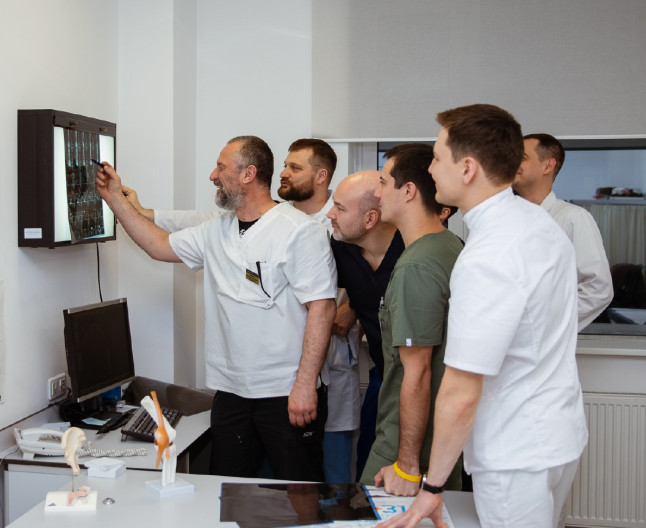
specialists

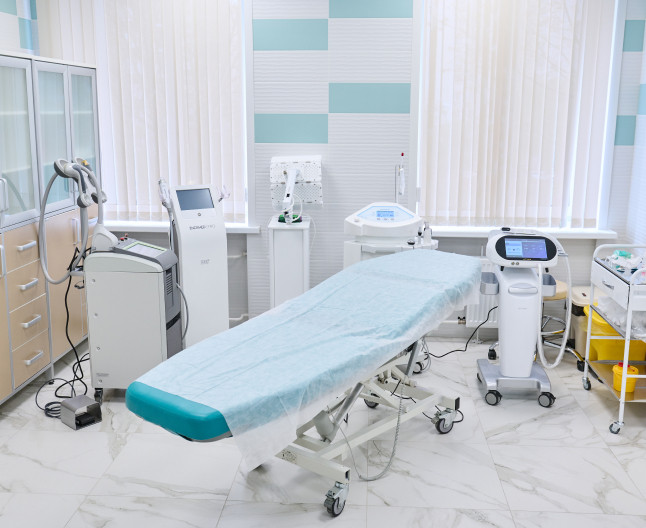
equipment

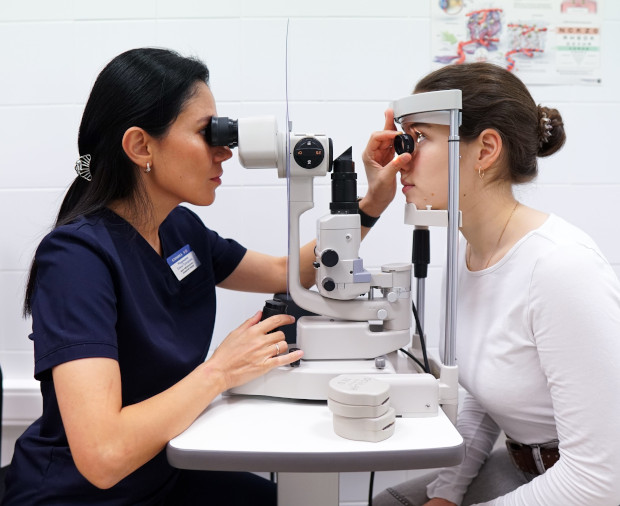
treatment



What is a pediatric traumatologist appointment like?
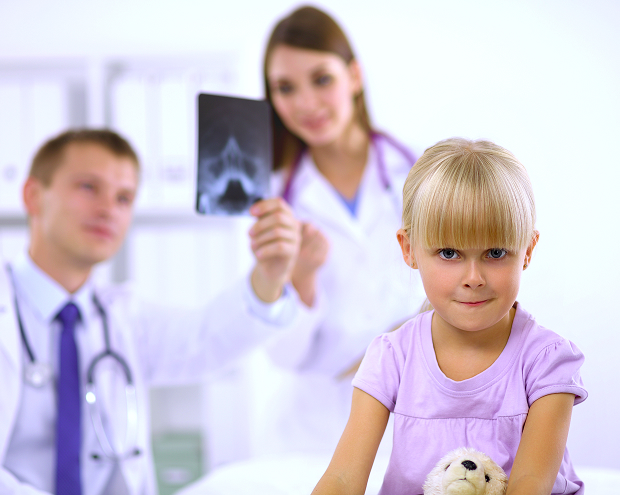
A pediatric traumatologist tailors the visit to the child's psychology. They understand that children are afraid of pain and do everything possible to minimize stress for the young patient.
Examination and collection of complaints
The initial examination begins with a conversation. The traumatologist determines the circumstances of the injury: how the fall occurred, from what height, and the mechanism of impact. The doctor assesses the symmetry of the limbs, checks the sensitivity and mobility of the joints, and determines the location of the pain.
Diagnosis: X-rays and other methods as indicated
X-rays remain the primary examination method for trauma. These images allow the doctor to visualize bone structures and rule out a hidden fracture. In complex cases, if soft tissue or ligaments are affected, an ultrasound or MRI may be required. A pediatric trauma center usually has all the equipment necessary for diagnosis.
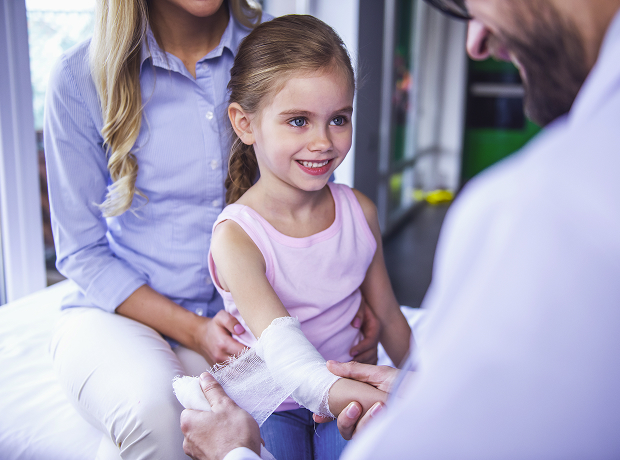
Pain relief, immobilization, and treatment of injuries
After diagnosis, the necessary treatment is administered:
- Anesthesia (local or systemic) to relieve acute pain
- In case of fractures, the limb is immobilized. Depending on the severity, a traditional plaster cast or a modern lightweight splint is used.
- Immobilization is necessary to ensure that bones or ligaments remain at rest and heal properly.
- If there is skin damage, antiseptic treatment and dressing are applied.
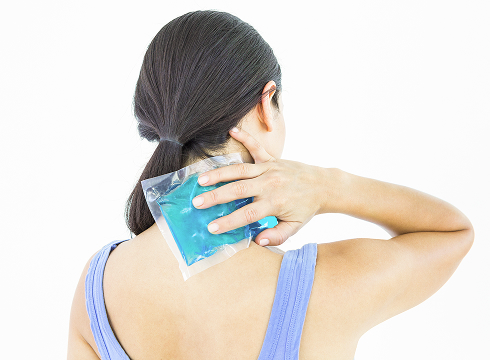
First aid before a doctor's visit
Proper parental actions in the first minutes after a fall or injury can quickly resolve the problem.
What can be done immediately
Apply cold (ice wrapped in a towel) to the bruise or suspected fracture for 10-15 minutes. This will reduce swelling and dull pain. If a fracture is suspected, the limb should be immobilized using available means (a cardboard splint or bandaging the arm to the body), without changing its position.
What not to do
There are a number of mistakes that can harm a child:
- Do not apply heat to the injured area—this will increase swelling and inflammation.
- Do not massage or rub the injured area.
- Do not attempt to straighten a bent limb or "pop" a dislocated joint.
- Do not give the child food or water if a serious injury requiring anesthesia to reposition the bones is suspected.
When to call an ambulance
Emergency assistance for trauma by calling 911 is necessary if the child is in serious condition: there is heavy bleeding, loss of consciousness, seizures, visible deformation of large bones (hip, pelvis), or suspected internal organ damage after a fall from a great height. In all other cases, it's quicker to get to the nearest 24-hour pediatric emergency room on your own.
Pediatric traumatology features
Children's bodies are constantly changing, so orthopedic traumatologists take into account physiological nuances that are not typical for adults.
| Type of injury | Main signs | What is usually done | When to see a doctor immediately |
|---|---|---|---|
| Bruise | Pain, bruise, swelling | Rest, cold, ointments | In case of severe pain, rapid hematoma growth |
| Dislocation | Deformity, sharp pain | Immobilization Reduction by a doctor | Always urgent |
| Fracture | Pain, inability to move | Immobilization, X-ray | Always urgent |
| Sprain | Pain with movement, swelling | Rest, elastic bandage | In case of joint instability |
Growth zones and hidden injuries
The greatest danger of childhood injuries lies in Damage to the growth plate—the cartilaginous areas at the ends of bones that enable a child to grow.
"In pediatric traumatology, it's important not to miss damage to the growth plate: at first glance, it may look like a simple bruise, but in reality, it's an injury that requires fixation and observation," notes an orthopedic traumatologist.
If the growth plate isn't restored in time, it can lead to curvature or shortening of the limb in the future.
Why children need a gentle approach
Children have a higher pain threshold and fear of doctors. Therefore, pediatric traumatology involves using the most painless techniques, lightweight fixation materials, and psychological support. The doctor's goal is not only to heal the bone but also to avoid causing psychological trauma to the child.
Monitoring and recovery after injury
The rehabilitation phase is very important. Recovery involves not only cold and rest, but also physical therapy, physiotherapy, and massage. It's important to follow all recommendations regarding activity limitations to ensure proper healing.
General information
How to tell if an injury is harmless and when it's too early to take risks
Sometimes parents hesitate to go to the hospital after a minor fall. There are "red flags" that clearly indicate the need for a visit.
Signs of complications
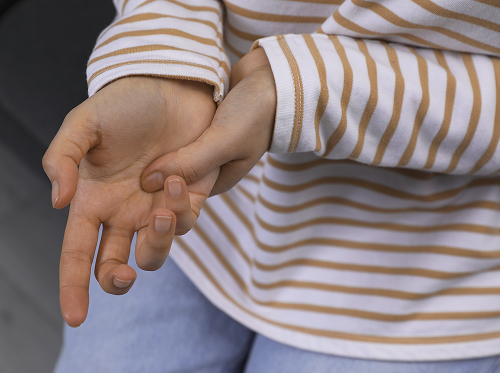
If a child's condition worsens a few hours after the injury—pain increases, swelling increases, or the skin at the site of the injury becomes hot or bluish—these are signs of complications. Numbness or coldness in the fingers is also a warning sign.
Reasons for a return visit
Even if a cast has already been applied, situations may arise that require a follow-up examination:
- Severe itching or burning under the cast
- An unpleasant odor from the cast
- Displacement or breakage of the cast
- New pain in adjacent joints
FAQ
When should a child urgently seek emergency medical attention?
Is an X-ray necessary after any fall?
What should you do before seeing a doctor if you suspect a fracture?
How does pediatric traumatology differ from adult traumatology?



This award is given to clinics with the highest ratings according to user ratings, a large number of requests from this site, and in the absence of critical violations.

This award is given to clinics with the highest ratings according to user ratings. It means that the place is known, loved, and definitely worth visiting.

The ProDoctors portal collected 500 thousand reviews, compiled a rating of doctors based on them and awarded the best. We are proud that our doctors are among those awarded.
Make an appointment at a convenient time on the nearest date
Price
Other Services

Appointment to the doctor



Our clinics


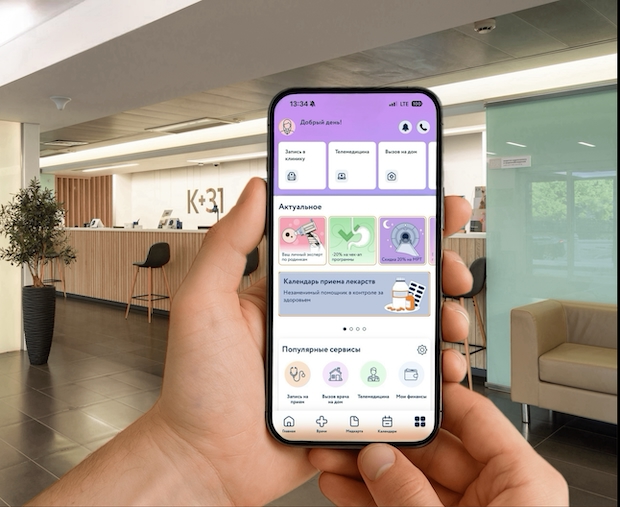
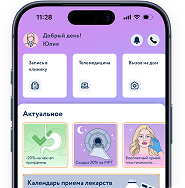
Application “Personal Account K+31”











When a child needs urgent help from a traumatologist
Not every fall requires immediate medical attention. However, there are situations when a child needs to be seen by a doctor immediately. While it's impossible to determine a critical condition by eye, it's important to monitor symptoms.
Pediatric traumatology provides a wide range of services aimed at treating children's bones and joints.
Fractures and cracks
Fractures in children are common. Most often, the bone fractures within the periosteum. Because of this, the deformity is not visible, but the child already experiences severe pain and limited mobility. If you notice an abnormal position of an arm or leg, significant swelling, or hear a crunching sound when the fall occurs, this is a reason to immediately visit the emergency room. A bone crack is also dangerous: without fixation, it can develop into a full-fledged fracture with displacement.
Dislocations and subluxations
A dislocation in a child is a complete separation of the articular surfaces. A subluxation of the radius often occurs when a parent abruptly pulls the child's arm. The child loses use of the arm, and it hangs limply at their side. Trying to realign the joint yourself is strictly prohibited, as it can damage the nerves and blood vessels.
Contusions, cuts, and abrasions
A bruise in a child usually heals on its own, but if you notice a hematoma rapidly increasing in size or pulsating at the site of the impact, take your child to a doctor.
A soft tissue bruise can conceal more serious injuries. If there is an open wound or abrasion on the skin, the wound will need to be treated and possibly sutured to prevent infection.
Head, neck, and spinal injuries
This is the most dangerous category of accidents. Even if a child appears healthy after a head injury, their condition must be monitored. Nausea, vomiting, drowsiness, or a brief loss of consciousness are critical signs. If a back injury is suspected, the child should not be moved without a rigid stretcher; in this case, only emergency medical assistance should be called.