Treatment of Compression Fractures in Children

Spinal compression fractures are common in children. The main cause of these injuries is excessive activity, which often leaves children unable to sit still, either at home or outdoors. In adults, such injuries are often associated with age-related changes in bone tissue.

Treatment of compression fractures offers the opportunity to avoid serious consequences and fully restore spinal function.

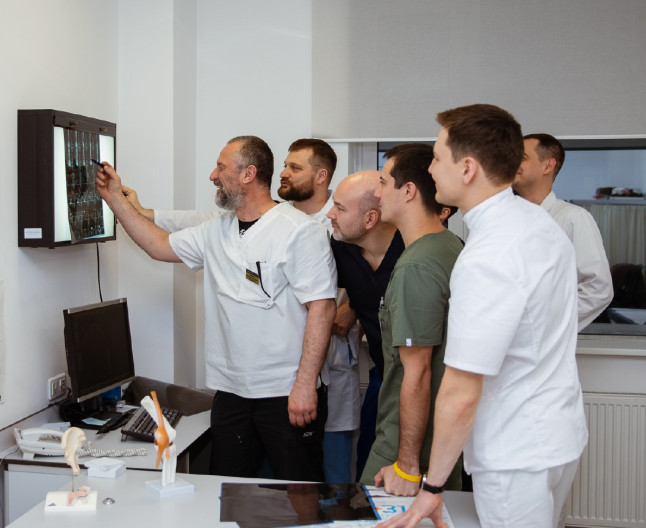
Best specialists
Best
specialists
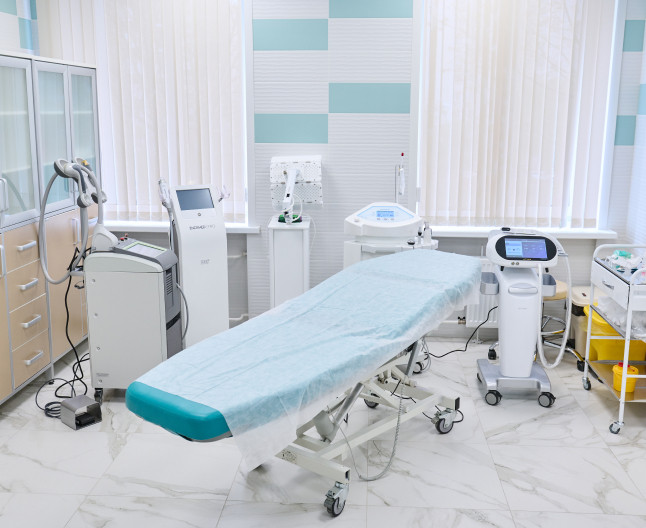
Expert equipment
Expert
equipment
Advanced diagnostic treatment
Advanced diagnostic
treatment
Sign up
Fill out the entry form on the page and we will call you back
Sign up Позвонить
Download the application “Personal Account K+31”
Everything about your health in one click!
Subscribe to social networks K+31
To keep up to date with current offers and receive useful advice about your health.

What is a compression fracture and why is it dangerous?
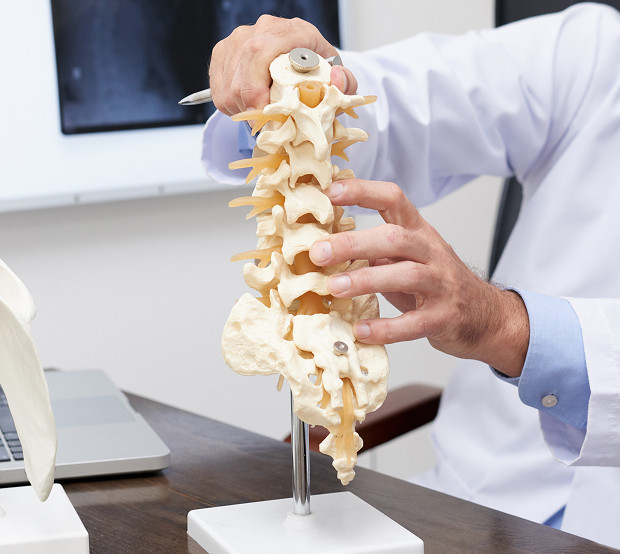
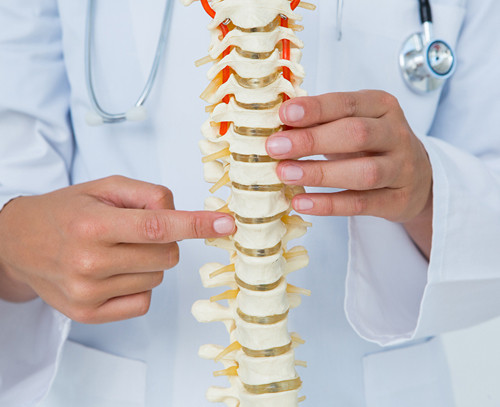
A spinal compression fracture is the compression of one or more vertebrae. As a result, the bone tissue cannot withstand the pressure, and the vertebra loses height, becoming wedge-shaped. This deformity is dangerous because it compromises the stability of the entire spinal column.

The main danger lies in the hidden nature of the injury. Since a child's spine is elastic, the tissues can partially heal on their own, but without medical supervision, this leads to malunion. This subsequently provokes the development of early osteochondrosis, persistent postural changes, and the development of a pathological curvature called kyphosis.

How does a spinal compression fracture occur?

The mechanism of injury is most often associated with a sharp bending of the torso or a strong impact along the axis of the spinal column. This is called an axial load. When a child lands on straight legs or on their buttocks after a fall from a height, the force of the impact is transmitted along the spine. At a certain point (usually in the lower thoracic or lumbar region), the load exceeds the bone's breaking point, causing a fracture.
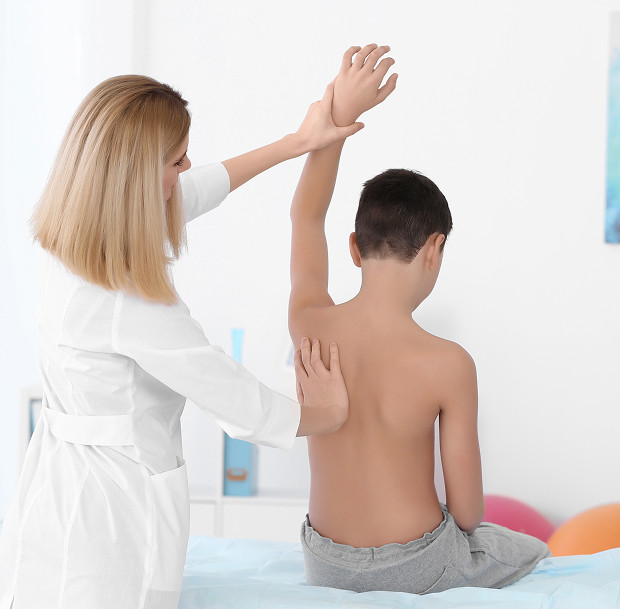
How does a child's injury differ from an adult's?

The child's skeleton has a number of anatomical features. Children's bones contain more organic matter, are more flexible, and the periosteum (bone shell) is thick and well-perfused. Therefore, a compression fracture in a child often follows a "greenstick" pattern, where the outer shell of the bone remains intact, and only the internal structures are damaged. This complicates diagnosis, as external signs may be minimal. However, due to the body's continued growth, any deformity can progress, interfering with proper skeletal development.

Degrees of Vertebral Compression

Doctors classify the injury based on the severity of the vertebral body deformation:

  • Grade I: the height of the vertebral body is reduced by less than 30%. This is the most common type of injury in children and responds well to conservative treatment.
  • Grade II: Height loss ranges from 30% to 50%. Requires strict adherence to a regimen and long-term rehabilitation.
  • Grade III: The vertebra is flattened by more than 50%. This is a severe spinal injury that may be accompanied by nerve damage.

Symptoms of a muscle strain in a child
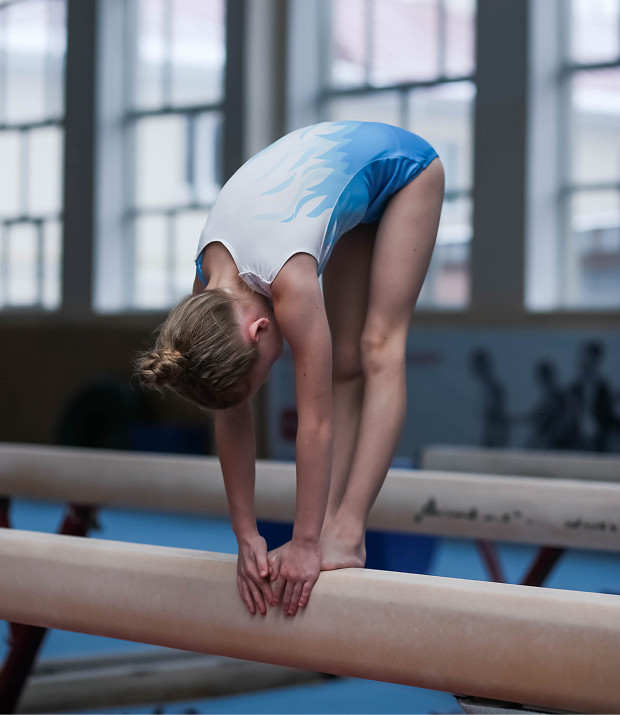
Symptoms of a muscle strain in a child

Children's activity is a major source of injury. It's important for parents to understand that even ordinary play can cause serious injury if the spine is exposed to forces it isn't designed for.

Falls, sports, active play, and other causes

Spinal fractures in children usually occur as a result of a fall. Other causes include contact sports (football, wrestling), gymnastics, or car accidents.

Even falling backward on ice or while running can cause compression if the impact hits the spinal column.

Which children are at risk?

Certain factors make the spine more vulnerable. These include:

  1. Calcium and vitamin D deficiency: Poor nutrition or metabolic disorders reduce bone density.
  2. Poor posture: Scoliosis or weak back muscles distribute the load unevenly.
  3. Osteoporosis or osteopenia: Systemic diseases that cause bones to become brittle.
  4. Intensive periods of growth: During these periods, bone tissue does not always have time to strengthen.

Symptoms of a compression fracture in a child

Recognizing a spinal injury in children is very difficult. While adolescents can accurately describe the nature of the pain, children under 7-8 years old are often afraid to even admit to a fall.

Main signs of injury

Symptoms of a compression fracture:

  • Back pain in a child that is not relieved by painkillers
  • Difficulty breathing immediately after a blow or fall
  • Due to pain, the child cannot bend or turn
  • A muscle spasm has developed in the back (called a protective muscle wall)

When symptoms are mild

A compression fracture in a child does not always have obvious symptoms. Sometimes, after a blow or fall, a child may be actively playing and having fun. However, parents may notice that their child is acting wary: avoiding sudden movements and momentarily freezing from sudden pain.

Parents may also notice that their child is becoming more easily tired, lying down more often, or trying not to bend over, but squatting with a straight back.

Situations that require urgent medical attention

Seek immediate medical attention if, after a fall, your child experiences:

  • Numbness in the fingers and toes
  • Weakness in the arms or legs (the child cannot stand or hold objects)
  • Difficulty urinating or defecating
  • Unbearable pain in the spine
Symptoms of a compression fracture in a child

General information

Diagnosis of Compression Fractures

If there is even the slightest suspicion of a back injury, a professional diagnosis of a compression fracture is essential. Self-medication or waiting for it to "resolve on its own" is unacceptable in this case.

Examination by a pediatric orthopedic traumatologist

The first step is a specialist consultation. The pediatric orthopedic traumatologist performs a visual examination, palpates the spine, and checks neurological reflexes. The doctor assesses range of motion and checks for axial loading to localize the injury.

X-ray of the spine

The main method of initial imaging is an X-ray of the spine. Images are taken in two projections—AP and lateral. This allows one to see changes in the shape of the vertebrae and assess the degree of their loss.

When a CT or MRI is prescribed

In complex cases, the doctor requires additional information:

  • A CT scan of the spine is prescribed for a detailed study of bone structure and the detection of small cracks.
  • MRI of the spine: the doctor evaluates the condition of the muscles and ligaments.
Examination method What it shows When it is used
Radiography The shape of the vertebra, the degree of compression Primary diagnosis for any injury
CT (computed tomography) Bone structure details, microcracks If bone damage needs to be clarified
MRI (magnetic resonance imaging) Disc, ligament, and spinal cord conditions If neurological complications are suspected
Diagnosis of Compression Fractures

How are compression fractures treated in children?

The main goal of therapy is to relieve stress on the injured area so the vertebra can regain its shape or fuse securely into the correct position.

Conservative treatment: when is it used?

Treatment of a compression fracture of the spine is most often performed non-surgically. It includes pain relief (in the first few days), adherence to a regimen, and subsequent rehabilitation. It is important to understand that this process is slow and requires strict monitoring by parents.

Load-bearing restriction and orthopedic regimen

The main conditions for successful healing are immobilization and load-bearing restriction. For the first 2-4 weeks, the child may be prescribed bed rest on a hard surface. Walking is gradually allowed, but sitting for long periods (sometimes up to several months) is strictly prohibited, as sitting places maximum pressure on the vertebral bodies.

A custom-fitted orthopedic brace is often included in the treatment plan. It helps support the spine, limits unnecessary movement, and relieves pressure on the anterior vertebrae.

When might surgery be required?

Surgery is extremely rare in children—only in cases of severe comminuted fractures or when there is a risk of spinal cord injury. Modern medicine favors minimally invasive methods, but for children, a conservative approach is always the preferred approach.

How are compression fractures treated in children?

Rehabilitation after a compression fracture

Once the acute phase has passed and the bones have begun to heal, the most important stage begins: rehabilitation after a compression fracture. Without it, it is impossible to fully restore flexibility and strength to the spine.

Physical therapy and gradual restoration of movement

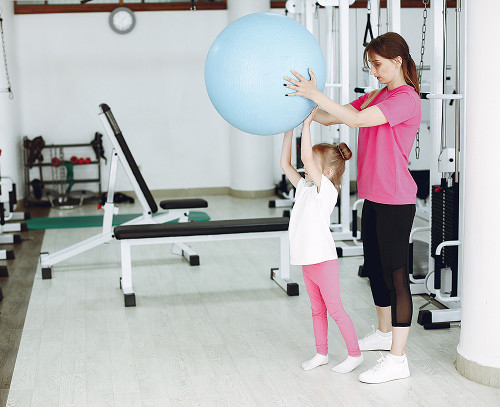
Physical therapy (PT) is the foundation of recovery. The exercises are aimed at creating a strong muscular corset that will absorb some of the load.

  1. Stage One: Breathing exercises and light limb exercises in a supine position.
  2. Stage Two: Strengthening the back and abdominal muscles (also lying down or on all fours).
  3. Stage Three: Preparing for vertical loads.

Physical Therapy and Posture Monitoring.

Additionally, physiotherapy treatments are prescribed: electrophoresis, magnetic therapy, and UHF. These improve blood circulation in the injured area and accelerate spinal recovery. Throughout the rehabilitation period, the doctor monitors changes in the child's posture to prevent the development of scoliosis.

Return to School, Sports, and Normal Activities.

The return to normal life should be gradual. The child can return to school after a few weeks (often allowed to study standing at a special desk), but physical education classes in the general group are prohibited for 6 to 12 months. Professional sports are only possible after complete bone restoration, confirmed by imaging.

Rehabilitation after a compression fracture

Possible Complications and Prognosis

With the right approach, the prognosis is favorable in most cases. But this is only true if parents strictly follow the doctor's recommendations.

The Dangers of Lack of Treatment

The injury must be treated immediately. Failure to do so can have serious consequences:

  • Chronic Back Pain
  • Kyphotic Deformity ("Humpback")
  • Herniated Discs in Early Childhood
  • Neurological Disorders (Weakened Leg Muscles, Numbness)

How Doctors Evaluate Recovery

A pediatric traumatologist-orthopedist conducts follow-up examinations every few months. The evaluation is based on complaints, visual body symmetry, and follow-up X-rays. Only when the height of the vertebra has stabilized and the muscular corset has become sufficiently strong is the treatment considered complete.

Possible Complications and Prognosis

Frequently Asked Questions

How can I tell if my child has a compression fracture of the spine?

The main symptom is back pain. The child protects their back and often slouches. In young children, symptoms can be subtle, so only a doctor can confirm the diagnosis after an examination.

How long does it take to treat a compression fracture in a child?

Much depends on the extent of the injury, the child's age, and the treatment plan. Recovery is lengthy. Sports can only be resumed after a follow-up X-ray and with the doctor's approval.

Do I need to wear a brace for a compression fracture?

Wearing a brace speeds up recovery, but the decision is always made by the doctor.

When can my child return to physical activity?

Only after a follow-up examination. Sports should be reintroduced gradually: start with swimming, and only after a few months should weight training be considered.

Results and conclusion

Treating compression fractures in children requires discipline, first and foremost.

"In my practice, pediatric compression fractures often look like a common bruise. Therefore, we always evaluate not only the patient's complaints but also the imaging. We recommend returning to physical activity only after a follow-up examination and complete recovery," explains the orthopedic traumatologist.

Don't ignore physical therapy; simple exercises are key to restoring muscle tone.

Our doctors

Polovnikova (Kroshkina) Valeria Alexandrovna
Experience 15 years
Make an appointment
Polovnikova (Kroshkina)
Valeria Alexandrovna
Traumatologist-orthopedist, pediatric
Lopatin Kirill Alexandrovich
Experience 16 years
Make an appointment
Lopatin
Kirill Alexandrovich
Traumatologist-orthopedist, pediatric
All specialists
2GIS Award
2GIS Award

This award is given to clinics with the highest ratings according to user ratings, a large number of requests from this site, and in the absence of critical violations.

«Good place» according to Yandex

This award is given to clinics with the highest ratings according to user ratings. It means that the place is known, loved, and definitely worth visiting.

Our doctors are laureates of the ProDoctors Award

The ProDoctors portal collected 500 thousand reviews, compiled a rating of doctors based on them and awarded the best. We are proud that our doctors are among those awarded.

Make an appointment at a convenient time on the nearest date

Price

Initial appointment with a pediatric traumatologist-orthopedist
from 8 950 ₽
Follow-up appointment with a pediatric traumatologist-orthopedist
from 7 950 ₽

Other Services

Treatment of hip sprain in a child Ankle injury in a child: treatment and recovery Calf muscle strain in children: symptoms and treatment Treatment of sprains in children: symptoms, first aid and recovery Treatment of pectoral muscle strain in children Treatment of muscle strains in children Hip sprain in children: symptoms and treatment Sprained Foot in Children: Treatment, Symptoms, First Aid, and Recovery Treatment of Achilles tendon strain in children First aid for bleeding in children: how to act quickly and safely Neck Strain in Children: Symptoms, Treatment, and Recovery Subungual hematoma in children: symptoms, first aid, and treatment in Moscow Wrist sprain in a child: symptoms, treatment, and recovery Subcutaneous hematoma in a child: symptoms, treatment, and first aid Treatment of the consequences of trauma in children Orthopedic rehabilitation for children in Moscow: recovery from injuries, surgeries, and musculoskeletal disorders Reduction of subluxations and dislocations in children Plaster cast application for a child: procedure, types of casts, and care Treatment for a child's shoulder sprain Soft tissue hematoma in a child: symptoms, first aid, and treatment Application of an immobilization bandage to children Swelling after a bruise in a child: treatment and first aid Hip contusion in a child: symptoms, first aid, and treatment Head injury in children: treatment, symptoms, and first aid Chest contusion in a child: symptoms, first aid, and treatment A child's post-injury hematoma: how to treat it, when to see a doctor, and what to do in the first few hours Hematoma on a child's arm: causes, symptoms, and treatment Treatment of a child's hand contusion: symptoms, first aid, and recovery Hematoma on a child's finger: first aid, treatment, and when to see a doctor Knee contusion in a child: treatment, symptoms, and first aid Bruised tailbone in a child: symptoms, first aid, and treatment in Moscow Elbow bruise in a child: symptoms, first aid and treatment Bruised leg in a child: symptoms, first aid and treatment Hematoma on a child's leg: causes, symptoms, first aid, and treatment Hematoma on a child's face: causes, first aid, and treatment in Moscow Treatment of groin strain in children Bruised nail in a child: treatment, first aid, symptoms, and recovery Hematoma on the head of a child: treatment and symptoms Eye hematoma in a child: treatment, first aid, and when to see a doctor Bruised ribs in children: treatment, symptoms, and first aid Back strain in children: symptoms, treatment, and recovery Soft tissue contusion in a child: symptoms, first aid, and treatment Treatment of a joint contusion in a child in Moscow: symptoms, first aid, diagnosis, and recovery Bruised nose in a child: treatment, first aid, and when to see a doctor Bruised Foot in a Child: Symptoms, First Aid, and Treatment in Moscow Bruised finger in a child: treatment, first aid, and when to see a doctor Back injury in a child: symptoms, first aid, and treatment in Moscow Bruised arm in a child: symptoms, first aid, and treatment Shoulder contusion in a child: symptoms, first aid and treatment Bruised ribs in children: symptoms, treatment, and first aid Treatment of fractures in children in Moscow Treatment of lumbar spine fractures in children Treatment of ankle fractures in children: symptoms, diagnosis and recovery Treatment of rib fractures in children in Moscow Ankle Sprain in Children: Symptoms, Treatment, and Recovery Correcting Bowed Legs in Children: When to See an Orthopedist Knee sprains in children: symptoms, treatment, and recovery Leg fracture in a child: treatment, symptoms, and recovery Treatment after a fracture in children: how recovery and rehabilitation proceed Treatment of a closed fracture in a child: symptoms, first aid, diagnosis, treatment and recovery Treatment of a jaw fracture in a child Compression fracture of the thoracic spine in children: treatment, diagnosis and recovery Humeral neck fracture in children: treatment, symptoms, and recovery Treatment of radius fracture in children Coccyx fracture in children: symptoms, treatment, and recovery Treatment of a broken nose in a child Patella fracture: treatment in children Sacral fracture in children: symptoms, diagnosis and treatment Treatment of a broken little finger in children: symptoms and recovery Treatment of metatarsal fractures in children Zygomatic bone fracture in a child: symptoms, diagnosis, treatment and recovery Ulna fracture in children: treatment, symptoms and recovery Humeral tubercle fracture in children: treatment and recovery Conservative treatment of fractures in children: how is treatment performed without surgery? Functional method of treating fractures in children 24-hour trauma care for children: when urgent help is needed Clavicle fracture in a child Fracture of the tibial condyles in children Emergency traumatology for children: urgent care for injuries Ankle fracture in children: symptoms, treatment and recovery Treatment of spinal fractures in children Pubic bone fracture in a child Hip fracture in children: treatment, diagnosis and recovery Pelvic bone fracture in children: treatment, symptoms, and recovery Traumatic brain injury in children: treatment, symptoms, and recovery Sciatic bone fracture: treatment in children Olecranon fracture in children: treatment, symptoms, recovery Treatment of humeral fracture in children Scapula fracture in children: symptoms, diagnosis and treatment Calcaneal fracture in a child: treatment, symptoms, and recovery Broken toe in a child: symptoms, treatment and recovery Sternal fracture in children Treatment of tibia fracture in children Foot fracture in a child Cervical vertebrae fractures in children Hip fracture in a child: treatment, symptoms, and recovery Treatment of wrist fractures in children Stress fracture in children: symptoms, diagnosis and treatment
Make an appointment

Appointment to the doctor
Fill out the form, our managers will contact you within 15 minutes
Почему К+31?
К + 31 — full-cycle multidisciplinary medical centers, including the possibility of providing medical services of European quality level.
К + 31 — are leading doctors and diagnostics using high-tech equipment from world manufacturers (Karl Storz, Olympus, Siemens, Toshiba, Bausch&Lomb, Technolas, Zeiss, Topcon).
К + 31 — is ethical. The staff of K+31 clinics maintain open relationships with patients and partners. An individual approach to each patient is the basis of our service standards.
К + 31 — is modernity. On call 24/7: call center operators will answer your questions at any time and book you an appointment with doctors. Contact us by phone, through the feedback form on the website and Max.

Our clinics

Address K+31 on Lobachevskogo

st. Lobachevskogo, 42/4

Contacts

+7 499 999-31-31

Opening hours

Mon-Fri: 08:00 – 21:00
Weekend: 09:00 – 19:00
Didn't find the service you were looking for?

Экстренная помощь