
Coccyx fracture in children: symptoms, treatment, and recovery
A lower back injury in a child is always a concern for parents, especially if a doctor confirms a coccyx fracture. At our Moscow clinic, we conduct diagnostics, prescribe a gentle regimen, and explain to parents how to properly care for their child at home.
Recovery monitoring is necessary to reduce the risk of complications and safely return the child to normal activities.

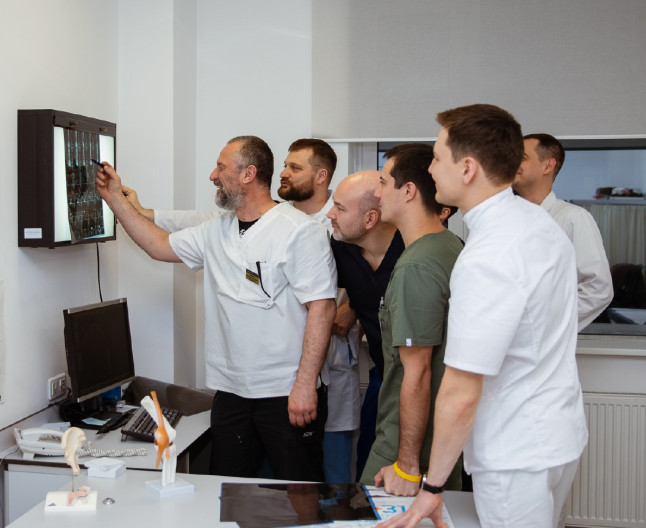
specialists

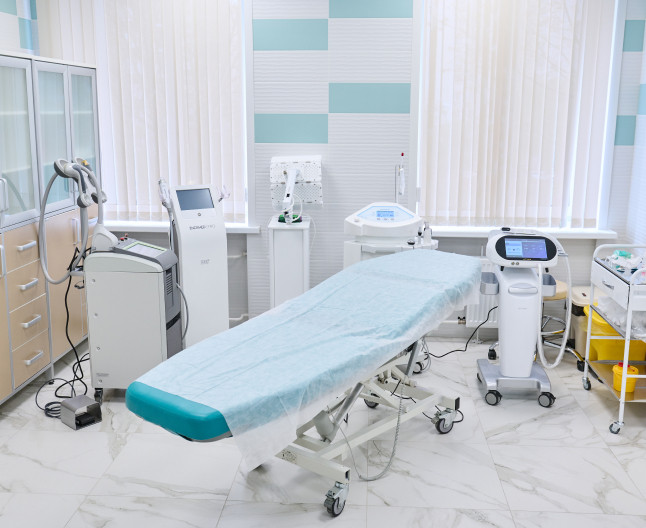
equipment

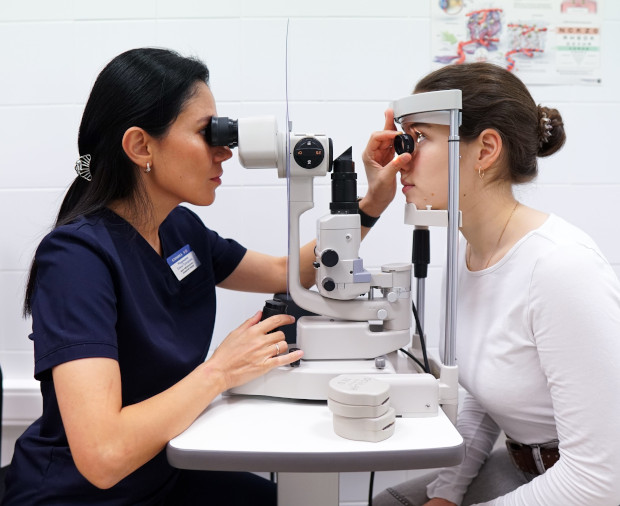
treatment



What is a coccyx fracture and how is it different from a bruise?
A child's skeleton is highly elastic, so damage to bone structures is not always immediately obvious. A common coccyx bruise in a child often has a clinical picture very similar to a serious bone injury.
It is extremely difficult for parents to determine the true nature of the problem visually or by touch. Therefore, an accurate diagnosis is only made after a qualified medical examination.
When tailbone pain requires medical attention
Mild discomfort after an awkward landing usually resolves within a couple of days. However, prolonged, throbbing, or increasing pain is a clear warning sign.
If a tailbone fracture is diagnosed, treatment is individualized, and a visit to the clinic should not be delayed. Contact a specialist immediately if your child's complaints persist.
To help parents navigate the symptoms, we have prepared a visual chart. It shows the basic differences between a bruise, a cracked tailbone, and a fracture. Please note that this information is for informational purposes only.
| Symptom | Bruise | Crack/Fracture | What to do |
|---|---|---|---|
| Pain when sitting | Moderate | Severe | Limit activity, consult a doctor |
| Swelling/Bruise | May be | Often severe | Observe and do not heat |
| Pain with movement | Usually moderate | Can be severe | A specialist examination is needed |
| Diagnosis | Based on examination | Based on examination and x-ray | Do not self-medicate |
Symptoms of a coccyx fracture in children
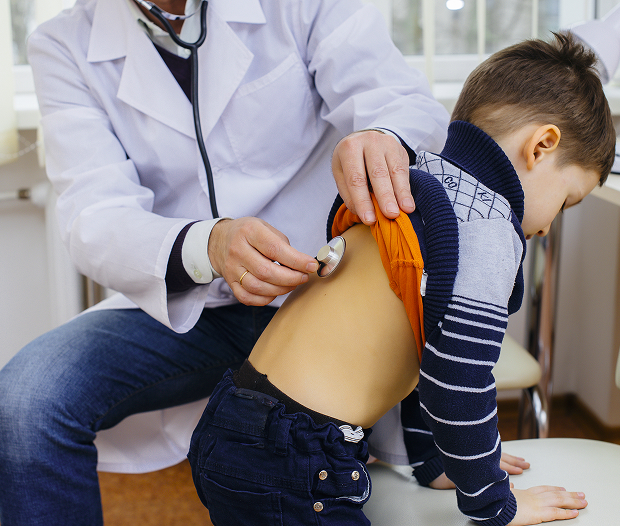
The primary and most obvious indicator of the problem is always severe pain. Acute pain when sitting prevents the patient from maintaining an upright position at a desk or dining table. A sharp increase in discomfort is also typical immediately upon changing position. Severe pain when rising from a chair forces the child to seek additional support with their hands.
A natural inflammatory reaction of the soft tissues develops quite quickly in the area of the mechanical impact. Swelling and bruising become visible, and a slight swelling develops just above the intergluteal crease. Light touching this area causes an immediate and severe pain reaction in the patient. Intense swelling or extensive, dark bruising directly indicate the severity of the bone contusion.
The specific symptoms of a coccyx fracture are closely related to the anatomy and physiology of the pelvic region. Natural tension in the pelvic floor muscles causes severe discomfort every time a patient goes to the toilet. If the patient experiences pain during bowel movements, this is a compelling and urgent reason for immediate surgical examination. Vigorous leg movements, especially fast running or jumping, are also accompanied by sharp shooting pains in the back.

Signs that require urgent examination
If the victim cannot take a step without crying, there is no time to delay going to the hospital. Sudden numbness in the legs or difficulty urinating independently requires urgent medical attention.
In such cases, a pediatric traumatologist is necessary. Moscow has many modern, 24-hour clinics for accurate diagnosis. A prompt response by adults to symptoms of a coccyx fracture will prevent dangerous consequences for the nervous system.
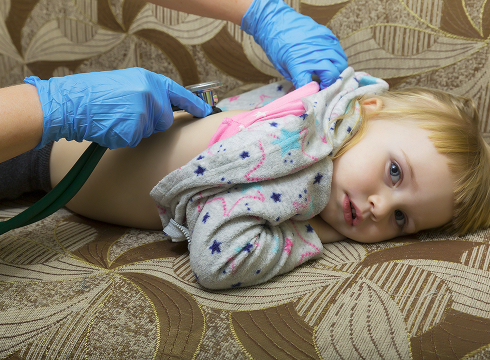
How is a tailbone fracture diagnosed in a child
First, the doctor clarifies the circumstances of the injury. When the fall occurred. Where the impact occurred. Can the child sit, walk, and stand without sharp pain. Then, the pediatric traumatologist:
- Carefully examines the area of the injury
- Assess pain, swelling, and tenderness
- Assess movement in the lower body
If a tailbone fracture is suspected, an X-ray of the tailbone is usually taken, and if the findings are unclear, additional diagnostic tests may be prescribed.
X-rays and additional imaging as indicated
A standard two-projection X-ray allows the doctor to clearly see the fracture line or abnormal vertebral displacement. If the X-ray doesn't provide a comprehensive picture, an MRI of the sacral region may be ordered. This is the gold standard for diagnosis, and an orthopedist determines how to treat a coccyx fracture in each individual case.
General information
Treatment of a coccyx fracture in children
The foundation of any successful conservative therapy is creating ideal conditions for natural bone fusion. Strictly limiting physical activity is the main and unwavering rule for the first few weeks. The child is strictly prohibited from:
- Running
- Jumping
- Lifting heavy objects
- Walking for long periods
During this acute period, treatment of a coccyx fracture in children is limited to bed rest or strict semi-bed rest.
Features of sitting, sleeping, and daily activity
To radically reduce pressure on the problem area, it is recommended to sleep on a fairly firm orthopedic mattress, preferably on the side or stomach. A special elastic ring cushion is excellent for relieving excess strain on the lower spine during forced sitting.
This gentle treatment of coccyx fractures in children reliably prevents future deformities of the fused vertebrae. Sitting is kept to an absolute minimum during the first few weeks.
The opinion of a specialist at our clinic emphasizes the importance of a correct and timely approach to treatment:
"In my practice, it's most often important not to 'tolerate' a coccyx injury in children, but to promptly assess whether it is a bruise, a crack, or a fracture. Parents need to remember that an accurate diagnosis is only made after an examination, and the most important thing in the first few days is a gentle regimen and pain control," says a pediatric traumatologist and orthopedist.
These words confirm that a caring attitude from parents is the main guarantee of a child's future health.

It's impossible to completely protect an active, restless child, but it's possible to reduce everyday risks. Teach children from an early age how to properly position their body when losing balance on ice or asphalt.
When skating, rollerblading, or snowboarding, always wear protective shorts with thick sacral pads. This simple protective measure is guaranteed to prevent a serious tailbone fracture in a child during any activity.
What parents should pay attention to
For winter fun, choose only safe, proven slopes without dangerous jumps or hard icy bumps. Regularly check the technical condition of roller skates, scooters, and children's bicycles.
Most importantly, calmly explain to your child that any tailbone injury requires medical attention, and hiding the pain from parents is not an option. Trust within the family helps identify problems early and initiate proper treatment.
FAQ
How can you tell the difference between a coccyx fracture and a bruise in a child?
Can a child sit after a tailbone injury?
When should you urgently consult a doctor?



This award is given to clinics with the highest ratings according to user ratings, a large number of requests from this site, and in the absence of critical violations.

This award is given to clinics with the highest ratings according to user ratings. It means that the place is known, loved, and definitely worth visiting.

The ProDoctors portal collected 500 thousand reviews, compiled a rating of doctors based on them and awarded the best. We are proud that our doctors are among those awarded.
Make an appointment at a convenient time on the nearest date
Price
Other Services

Appointment to the doctor
Our clinics


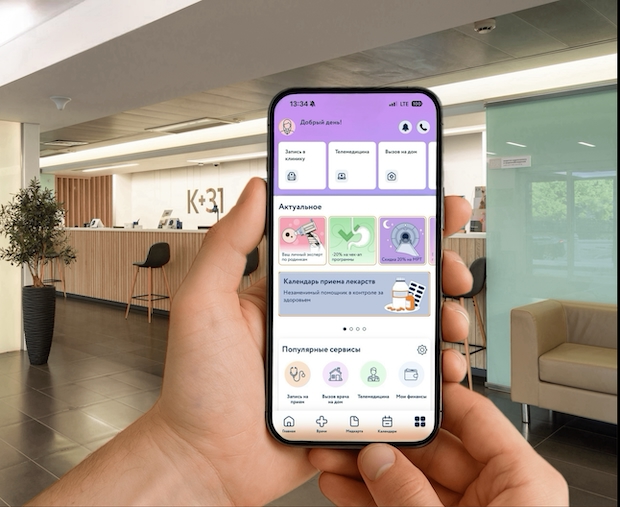
Application “Personal Account K+31”










Why a child might have a tailbone injury
Most often, the injury occurs after a direct blow to the lower back. Falling on the buttocks on ice, stairs, a playground, or while skating can cause sharp pain and limited mobility. Sometimes the cause is sports, rollerblading, skateboarding, sleds, or an unfortunate fall on the tailbone during exercise.
The main causes are usually:
If, after an injury, a child experiences pain when sitting, standing, or walking, a consultation with a traumatologist is necessary. A coccyx injury requires an examination, and treatment for a coccyx fracture in children is determined after diagnosis, taking into account the patient's age, pain, and the nature of the injury.