Back Injury in Children: Symptoms, First Aid, and Treatment in Moscow

Back injuries in children are quite common, occurring after a fall or blow at home, on the playground, or at school. If a child has injured their back, it's important not to panic, but also not to ignore the situation. Remember that without treatment, a back injury in a child can lead to worsening the condition and a long recovery.

Best specialists
Best
specialists
Expert equipment
Expert
equipment
Advanced diagnostic treatment
Advanced diagnostic
treatment
Sign up
Fill out the entry form on the page and we will call you back
Sign up Позвонить
Download the application “Personal Account K+31”
Everything about your health in one click!
Subscribe to social networks K+31
To keep up to date with current offers and receive useful advice about your health.

What is a muscle strain and how is it different from other injuries?

A back contusion in a child is an injury without breaking the skin, accompanied by damage to soft tissue. Sometimes muscles, subcutaneous tissue, and ligaments are affected.

Why a back contusion is dangerous in children:

  • Conceals spinal injury
  • Causes muscle spasms
  • Limits movement

In some cases, swelling increases, and muscle tension develops, which interferes with movement and the return to normal activities.

What is a muscle strain and how is it different from other injuries?

Symptoms of a back injury in a child
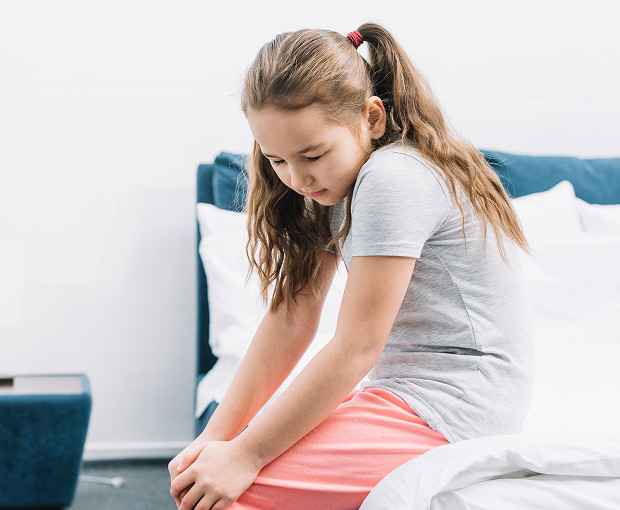
Signs often don't appear immediately. At first, the condition seems mild, but later the discomfort intensifies.

Pain, swelling, and hematoma

A bruise can cause the following symptoms:

  • Back pain after a fall
  • Back swelling
  • Hematoma on the back

Monitor your child's condition during the first 24 hours after the injury. Monitoring allows you to notice changes early.

Limited movement and discomfort when turning

The child may avoid movement and complain of discomfort when turning, which is due to the reaction of muscles and tissues. Sometimes tension in the back appears. All actions become cautious and slow.
When symptoms may be dangerous

Contact a pediatric traumatologist if you experience:

  • Severe or increasing back pain
  • Limited mobility
  • Weakness in the legs
  • Numbness or loss of sensation

Any of these signs indicates a deeper injury. A doctor's examination helps determine whether there is a risk to the spine and nerve structures.
First Aid for a Back Injury

First Aid for a Back Injury

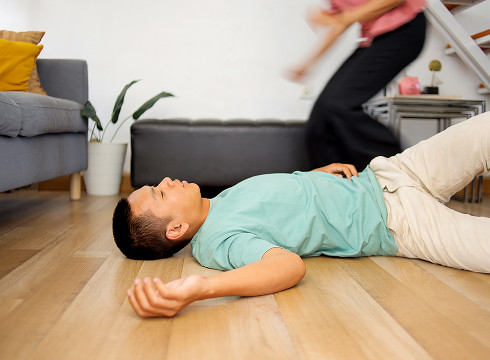
First aid for a back injury should be provided immediately after the injury. The sooner you do it, the less tissue damage will occur.

What can you do at home immediately after an injury?

If your child hits their back, act calmly and without unnecessary movements:

  • Lay them down on a flat surface.
  • Limit sudden movements.
  • Check if they can change their body position independently.
  • Inspect the back for swelling or bruising.
  • Determine where exactly the discomfort is felt.
  • Apply cold.
  • Avoid putting strain on the back until the condition improves.

First aid for a back injury helps reduce pain and swelling.

What not to do

Not recommended:

  • Applying heat to the injured area
  • Immediately giving a massage
  • Administering strong medications without consulting a doctor
  • Self-regulating and exercising the back
  • Abruptly changing body position

Also, avoid reintroducing your child to active play too early. The back needs to fully recover.

When urgent medical care is needed

Emergency care is needed if pain intensifies, movement is impaired, or a spinal injury is suspected. A pediatric traumatologist will assess the condition and prescribe a comprehensive diagnosis.

General information

How does a doctor diagnose a back contusion in a child?

Diagnosing a back contusion in children begins with an assessment of the condition and determining the circumstances of the injury.

Examination and collection of complaints

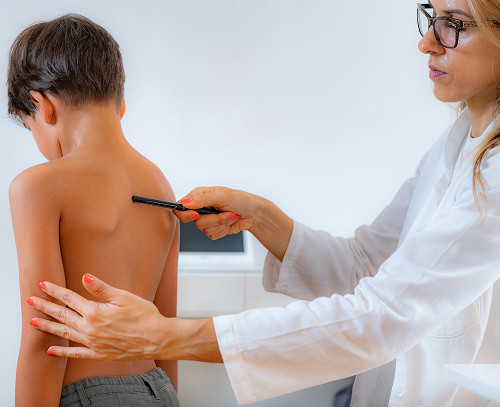
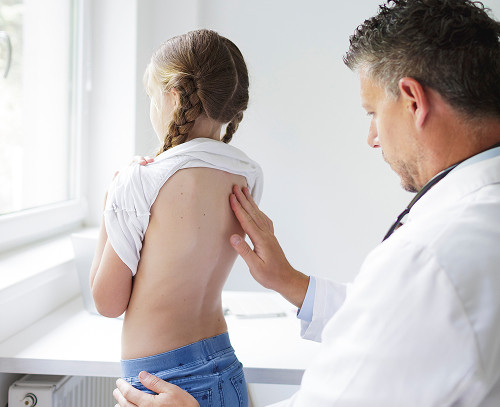
The doctor clarifies how the injury occurred, the location of the pain, and whether there is any limitation of movement. During the examination, they check the child's response to touch and changes in body position.

When additional tests are needed

To rule out a serious injury, an X-ray is performed. This reveals possible cracks or fractures. The examination also helps determine whether there is a vertebral displacement.

If damage to nerve structures is suspected, a CT scan or MRI is prescribed. These methods allow us to assess the condition of muscles, ligaments, and the spinal cord.

How to Distinguish a Bruise from a More Serious Injury

A child's back bruise can be distinguished from a more serious injury by symptoms and the manner in which the injury occurred.

Sign Back Bruise Serious Injury
Pain Moderate Severe
Movement Limited Severely Limited
Swelling Moderate Severe
Condition Stable Worsening
How does a doctor diagnose a back contusion in a child?

Treatment of a Back Contusion in Children

Treatment strategies for a back contusion depend on the severity of the injury and how the child is feeling. To speed up recovery, avoid overexerting the back during the first few days.

Rest and Relaxation

Avoid running, jumping, and active play. A child with a back contusion doesn't need to lie down all the time, but bending, sharp turns, and heavy lifting should be avoided. Rest helps the tissues heal faster. Play that poses a risk of falls or jostling should also be temporarily avoided.

Pay attention to daily habits. Sitting for long periods with a phone or tablet in a bent position increases discomfort, so it's best to limit such activities.

Cold in the First Hours After an Injury

Immediately after the injury, wrap an ice pack in a cloth and apply it to your back for 10-15 minutes. Then take a break and repeat the procedure.

Note: Applying cold directly to the skin can cause irritation or hypothermia.

Pain relief and topical medications as prescribed by a doctor

If pain is present, a doctor will prescribe medications with analgesic and anti-inflammatory effects. Ointments and gels are also used. They reduce swelling and speed up the resolution of the bruise.

Treatment of a Back Contusion in Children

How long does it take for a back injury to heal?

A back injury typically heals within 7-14 days. Young children experience faster healing than schoolchildren. This is due to greater tissue elasticity and better blood supply. They also experience less strain on their backs during everyday life.

What determines recovery time?

The recovery time after a back injury depends on the force of the blow, their age, and the condition of the tissues. If the child follows the doctor's recommendations, healing occurs more quickly.

When can I return to normal activities?

Look for these signs:

  • No pain at rest or with movement.
  • Swelling and discomfort have disappeared.
  • The child bends and turns easily.
  • There is no fatigue or tension in the back.

Doctor's quote: After a back injury, it's best to gradually reintroduce activity. Start with board games and short walks. Then move on to simple ball games, drawing with chalk on the pavement, and putting together construction sets or puzzles.

How long does it take for a back injury to heal?

When to See a Doctor

If warning signs appear, don't wait and take your child to the doctor. They will determine a treatment plan for the back injury and provide recommendations for further recovery.

Signs You Shouldn't Ignore

Show your child to the doctor if the pain intensifies, movement becomes difficult or impossible, or weakness develops in the arms or legs. Also, pay attention to their behavior. If your child becomes lethargic, refuses to get up, and avoids any attempts at movement, this is a warning sign.

When to See a Pediatric Traumatologist

If symptoms persist or a serious injury is suspected, consult a pediatric traumatologist. If necessary, a neurologist will be involved in the treatment of the back injury. They will check for damage to the spinal cord and nerve roots.

When to See a Doctor

Prevention of recurrent injuries

It's impossible to completely prevent falls in children, but it's quite possible to reduce the risk of back injuries. To do this, it's important to consider the little things in life, as they often lead to injuries.

Safety at Home and on the Go

A lot in everyday life depends on the organization of space and habits. Please pay attention to the following:

  • Remove slippery rugs and unnecessary items from the floor, as they can easily cause slips and trips.
  • Supervise your child on stairs and in narrow passages.
  • Choose comfortable shoes with stable, non-slip soles.
  • Discuss with your child in advance how to behave while playing on the playground.
  • Monitor your back during school and rest.
  • A school backpack shouldn't be too heavy, otherwise the back will be constantly overloaded.

How to reduce the risk of injuries in children.

If your child plays sports or is very active, it's worth considering protection. Knee pads, elbow pads, and back protectors help soften the impact of a fall. When riding a bike or scooter, it's best to get your child used to wearing a helmet from the start. Also, explain how to fall and tuck correctly.

Prevention of recurrent injuries

Frequently Asked Questions

Can a child play sports after a back injury?

You shouldn't immediately return to exercise. Give your back time to recover and wait until any pain or discomfort has completely subsided. Increase activity gradually, without sudden increases.

Should I warm my back after a back injury?

During the first few days of healing from a back injury, it's best to avoid heat. Only cold compresses are allowed.

What should I do if a bruise on my back gets bigger?

A hematoma may spread slightly during the first 24 hours of healing from a back injury, which is considered a normal tissue reaction to a bruise. Over time, it will begin to shrink on its own.

Should I get an X-ray immediately after the injury?

Not always. The doctor will first examine the child and then determine if further testing is needed based on the situation.

Our doctors

Polovnikova (Kroshkina) Valeria Alexandrovna
Experience 15 years
Make an appointment
Polovnikova (Kroshkina)
Valeria Alexandrovna
Traumatologist-orthopedist, pediatric
Lopatin Kirill Alexandrovich
Experience 16 years
Make an appointment
Lopatin
Kirill Alexandrovich
Traumatologist-orthopedist, pediatric
All specialists
2GIS Award
2GIS Award

This award is given to clinics with the highest ratings according to user ratings, a large number of requests from this site, and in the absence of critical violations.

«Good place» according to Yandex

This award is given to clinics with the highest ratings according to user ratings. It means that the place is known, loved, and definitely worth visiting.

Our doctors are laureates of the ProDoctors Award

The ProDoctors portal collected 500 thousand reviews, compiled a rating of doctors based on them and awarded the best. We are proud that our doctors are among those awarded.

Make an appointment at a convenient time on the nearest date

Price

Initial appointment with a pediatric traumatologist-orthopedist
from 8 950 ₽
Follow-up appointment with a pediatric traumatologist-orthopedist
from 7 950 ₽

Other Services

Treatment of hip sprain in a child Ankle injury in a child: treatment and recovery Calf muscle strain in children: symptoms and treatment Treatment of sprains in children: symptoms, first aid and recovery Treatment of pectoral muscle strain in children Treatment of muscle strains in children Hip sprain in children: symptoms and treatment Sprained Foot in Children: Treatment, Symptoms, First Aid, and Recovery Treatment of Achilles tendon strain in children First aid for bleeding in children: how to act quickly and safely Neck Strain in Children: Symptoms, Treatment, and Recovery Subungual hematoma in children: symptoms, first aid, and treatment in Moscow Wrist sprain in a child: symptoms, treatment, and recovery Subcutaneous hematoma in a child: symptoms, treatment, and first aid Treatment of the consequences of trauma in children Orthopedic rehabilitation for children in Moscow: recovery from injuries, surgeries, and musculoskeletal disorders Reduction of subluxations and dislocations in children Plaster cast application for a child: procedure, types of casts, and care Treatment for a child's shoulder sprain Application of an immobilization bandage to children Swelling after a bruise in a child: treatment and first aid Hip contusion in a child: symptoms, first aid, and treatment Head injury in children: treatment, symptoms, and first aid Chest contusion in a child: symptoms, first aid, and treatment Treatment of a child's hand contusion: symptoms, first aid, and recovery Knee contusion in a child: treatment, symptoms, and first aid Bruised tailbone in a child: symptoms, first aid, and treatment in Moscow Elbow bruise in a child: symptoms, first aid and treatment Bruised leg in a child: symptoms, first aid and treatment Treatment of groin strain in children Bruised nail in a child: treatment, first aid, symptoms, and recovery Back strain in children: symptoms, treatment, and recovery Soft tissue contusion in a child: symptoms, first aid, and treatment Treatment of a joint contusion in a child in Moscow: symptoms, first aid, diagnosis, and recovery Bruised nose in a child: treatment, first aid, and when to see a doctor Bruised Foot in a Child: Symptoms, First Aid, and Treatment in Moscow Bruised finger in a child: treatment, first aid, and when to see a doctor Bruised arm in a child: symptoms, first aid, and treatment Shoulder contusion in a child: symptoms, first aid and treatment Bruised ribs in children: symptoms, treatment, and first aid Zygomatic bone fracture in a child: symptoms, diagnosis, treatment and recovery
Make an appointment

Appointment to the doctor

Fill out the form, our managers will contact you within 15 minutes
Почему К+31?
К + 31 — full-cycle multidisciplinary medical centers, including the possibility of providing medical services of European quality level.
К + 31 — are leading doctors and diagnostics using high-tech equipment from world manufacturers (Karl Storz, Olympus, Siemens, Toshiba, Bausch&Lomb, Technolas, Zeiss, Topcon).
К + 31 — is ethical. The staff of K+31 clinics maintain open relationships with patients and partners. An individual approach to each patient is the basis of our service standards.
К + 31 — is modernity. On call 24/7: call center operators will answer your questions at any time and book you an appointment with doctors. Contact us by phone, through the feedback form on the website and Max.

Our clinics

Address K+31 on Lobachevskogo

st. Lobachevskogo, 42/4

Contacts

+7 499 999-31-31

Opening hours

Mon-Fri: 08:00 – 21:00
Weekend: 09:00 – 19:00
Didn't find the service you were looking for?

Экстренная помощь