
Treatment of fractures in children in Moscow
After a fall or blow, a child may quickly calm down. However, a child's reaction alone should not be considered a minor injury. Bone damage sometimes resembles a bruise: pain develops, swelling increases, and the child has difficulty moving the arm or putting weight on the foot. If severe complaints, deformity, injury, numbness, or coldness of the fingers occur, an in-person examination by a doctor is necessary.
Fracture treatment in children should not begin with home checks: bending, pulling, or asking the child to put weight on the foot is unsafe. A diagnosis is necessary first. During the visit, the doctor considers the child's age, mechanism of injury, position of bone fragments, condition of the soft tissues, and risk to the growth plate. This information helps determine the type of fixation needed and the next steps to ensure proper bone healing.

specialists

equipment

treatment




How to recognize a fracture in a child
Parents don't need to diagnose a fracture on their own. What's important is to notice the signs that indicate a need to wait. A fracture in a child can't be ruled out just because they calm down after a fall. A medical examination is warranted if:
- Complaints persist
- Movement is severely limited
- The limb appears unusual
- The child cannot bear weight on an arm or leg
Main symptoms: pain, swelling, limited movement
Pain from a fracture is most often felt at the site of the impact or near the joint. The child's pain worsens with movement, touch, or attempts to stand on the leg or bear weight on the arm. Swelling may occur immediately after the injury or worsen later. Danger signs include bruising, forced positioning of the limb, increased sensitivity, numbness, pallor, and cold fingers.
How is a fracture different from a bruise and dislocation?
A bruise is a soft tissue injury without disruption of the bone or joint. Therefore, the limb's shape often remains normal, and movement, although painful, gradually returns. A dislocation affects the joint. The arm or leg may assume an abnormal position, and movement becomes severely limited or impossible.
However, it's not always possible to distinguish these conditions by external signs: bone damage can be combined with a bruise or dislocation, so the doctor makes a final diagnosis after examination and imaging.
When to seek urgent help
Urgent help is needed if the injury is followed by severe pain, noticeable deformity, bleeding, a wound, numbness, or cold fingers. A situation where the child cannot put weight on their foot or use their hand is also considered a dangerous sign.
After a fall from a height, it is also important to rule out a head injury, especially if drowsiness, nausea, or loss of consciousness occurs.
This table is intended for quick reference: what signs may occur with an injury and what can be done in the first few minutes. It cannot be used to make a diagnosis. Its purpose is to show why it is best not to touch or put unnecessary strain on the injured area before a doctor's examination.
| Type of injury | Possible signs | What to do |
|---|---|---|
| Closed fracture | Pain, swelling, limited movement | Immobilize the limb, apply ice, and see a doctor. |
| Open fracture | Wound, bleeding, limb deformity | Cover the wound with a sterile bandage and seek immediate medical attention. |
| Displaced fracture | Severe pain, forced position, noticeable deformity | Do not attempt to reset the fracture yourself; take the child to a doctor immediately. |
Even with moderate symptoms, do not ask the child to "test" if they can move. Excessive strain can increase pain and displacement.
First aid for suspected fractures
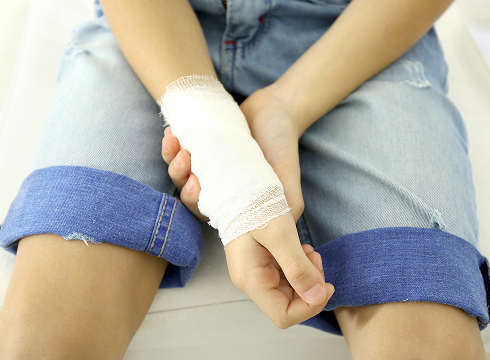
First aid for a fracture is needed to limit movement in the injured area until a doctor can examine it. It's important for parents to immobilize the limb in a position that is most comfortable for the child. Do not force the arm or leg back to its normal position.
How to properly immobilize a limb
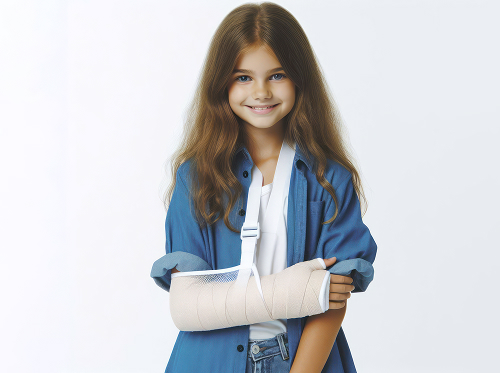
Immobilization is the temporary immobilization of an arm or leg after an injury. Its purpose is to reduce movement in the injured area until a doctor can examine it. The arm can be carefully suspended with a kerchief, scarf, or bandana. It's best to leave the leg in a position that is more comfortable for the child, and place a rolled-up garment, towel, or soft cushion under the limb.
Do not attempt to correct the limb's position until medical attention is received. It is safer to proceed step by step.
- Immobilize the arm or leg without straightening it through pain.
- Apply cold through a cloth for 15–20 minutes.
- Remove rings, bracelets, watches, tight shoes, or clothing if this can be done without force.
- Prevent the child from putting weight on the injured leg or leaning on the injured arm.
- Seek medical attention.
If, after immobilization, the fingers turn pale, become bluish, cold, or numb, do not wait. An urgent medical examination is necessary. Do not pull the limb, straighten it by force, or test movement through pain.
What to do with an open fracture
The wound should be covered with a sterile dressing or clean cloth. If bleeding occurs, gently apply pressure around the wound without applying pressure to the bone fragments. Avoid irrigating a deep wound with aggressive solutions, removing visible debris, resetting the bone, or applying a tight bandage unnecessarily.
What to avoid before a doctor's examination
Until diagnosis, avoid applying heat, massaging, sharply bending the joint, or pulling the arm or leg. If clothing is stuck or any movement increases pain, do not forcefully remove it. First aid for a fracture helps you wait safely until the doctor is ready, but does not replace a specialist appointment.
Fracture diagnosis
The examination begins with a conversation and examination. The doctor clarifies how the injury occurred, where the pain is most severe, whether the child was able to move the limb immediately after the fall, whether there was a change in skin color, and whether there is numbness.
Traumatologist examination
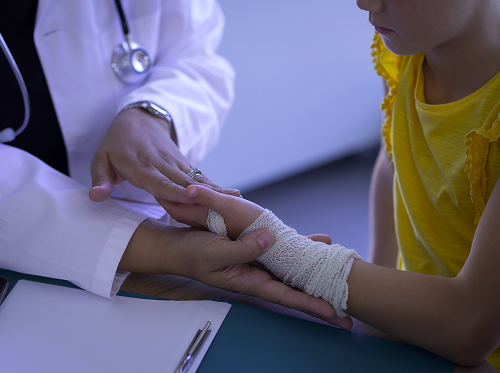
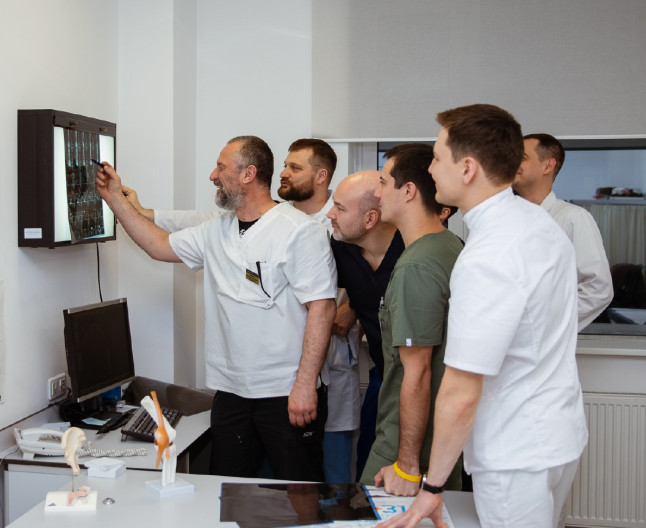
The pediatric traumatologist examines the appearance of the limb after the injury: whether there is swelling, shape change, or impaired sensation or circulation. The doctor also checks movement in adjacent joints. The examination is gentle, without applying strong pressure to the injured area or attempting to "work it out" through pain.
X-rays and additional tests
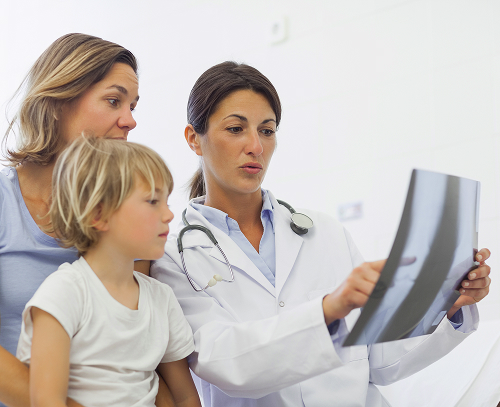
X-rays show the injury line, displacement, condition of the joint area, and the position of the fragments. Images are usually taken in two projections. The report may use the term "radiography." If the data is insufficient, the doctor prescribes additional imaging techniques.
Assessing soft tissue and growth plate injuries
In pediatric trauma, it's important to assess more than just the bone. The doctor examines the skin, muscles, blood vessels, nerves, joints, and growth plates. If the injury is located near a growth plate, the monitoring plan is especially thorough.
General information
Fracture treatment methods in children
Fractures in children are treated based on the type of injury, age, displacement, and condition of the soft tissues. In some cases, secure fixation is sufficient, while in others, alignment of the fragments is necessary. For complex injuries, surgery may be considered. Therefore, pediatric traumatology is not limited to applying a bandage.
Cast, splint, and orthosis
A cast holds the injured area in the correct position and protects it from excessive strain. If swelling is severe, the doctor may initially choose a splint rather than a circular cast. For certain stable injuries, an orthosis is used to support the injured area and limit dangerous movements.
Reposition and fixation
Reposition is performed when fragments are displaced and need to be aligned. The procedure is performed only in a medical setting, taking into account the child's age and the severity of pain. Immobilization is then performed and monitoring is scheduled.
When is surgical treatment required?
Surgery may be necessary in the case of an open wound, unstable displacement, joint damage, impaired blood supply, nerve compression, or a high risk of malunion. Sometimes, surgical intervention can help restore the bone's proper alignment and reduce the risk of complications.
How does a doctor monitor union?
Monitoring of union includes repeated examinations and, if indicated, imaging. The doctor checks for a decrease in pain, for any pressure from the cast, and for the child's ability to tolerate the immobilization. If the cast becomes tight, breaks, becomes wet, or rubs the skin, contact the clinic.
"In my practice, the best results in children follow a simple rule: first immobilize the injured area, then confirm the diagnosis, and only then choose a treatment method. Attempts to reset the bone at home usually complicate recovery."
Fracture treatment in Moscow is best started with a consultation with a specialist who works with children and understands the needs of growing bodies. A pediatric traumatologist evaluates:
- Image
- Condition of the limb
- Child's behavior during examination
- Parents' complaints
Clear explanations are also important: what is damaged, why the method chosen, when to return for a checkup, and what restrictions to observe at home.
What to look for during consultation
A reliable consultation includes an examination, evaluation of images, selection of a fixation method, recommendations for cast care, and a recovery plan. Pediatric traumatology relies on a careful examination, precise fixation, and careful communication, as fear and pain can interfere with a child's ability to calmly follow the doctor's instructions.
What questions to ask the doctor
After an injury, parents often worry and forget to clarify important details. It's best to keep a few questions in mind beforehand:
- Where exactly is the bone damaged and is there any displacement?
- Is the joint or growth plate affected?
- Why was a cast, splint, orthosis, or other fixation method chosen?
- When is a follow-up examination needed?
- What signs should alert you at home?
- When can you return to physical education, sports, and active play?
After the appointment, it's a good idea to save the recommendations and images. They will be useful for follow-up visits, especially if your child is being seen by several specialists.
Why it's important not to delay an examination?
An early visit makes it easier for the doctor to assess the injury, choose a fixation method, and prevent complications. It's especially dangerous to wait if there's a wound, deformity, increasing swelling, numbness, cold fingers, or severe pain. It's better to rule out a fracture in a child immediately than to return to the doctor a few days later with worsening symptoms.
FAQ
How can you tell if your child has a fracture and not a bruise?
What should you do in the first minutes after an injury?
Is a cast always necessary for a fracture?
How long does it take to recover from a fracture in a child?
Conclusions and recommendations
Properly managed fracture treatment in children begins with a timely examination. A fracture in a child cannot be reliably distinguished from a bruise by appearance alone. In-person diagnosis is necessary if there is pain, swelling, deformity, injury, resistance to weight-bearing, or limited movement. At home, you can immobilize the injured area, apply cold with a cloth, and arrange for a visit to a doctor.
Fractures in children should not be left unattended: proper treatment helps achieve proper bone healing and preserve arm or leg function. The sooner an examination, diagnosis, and proper immobilization are performed, the smoother the recovery period. It is important for parents not to rush weight-bearing, to keep up with checkups, and to seek help if any warning signs appear.



This award is given to clinics with the highest ratings according to user ratings, a large number of requests from this site, and in the absence of critical violations.

This award is given to clinics with the highest ratings according to user ratings. It means that the place is known, loved, and definitely worth visiting.

The ProDoctors portal collected 500 thousand reviews, compiled a rating of doctors based on them and awarded the best. We are proud that our doctors are among those awarded.
Make an appointment at a convenient time on the nearest date
Price
Other Services

Appointment to the doctor

Our clinics


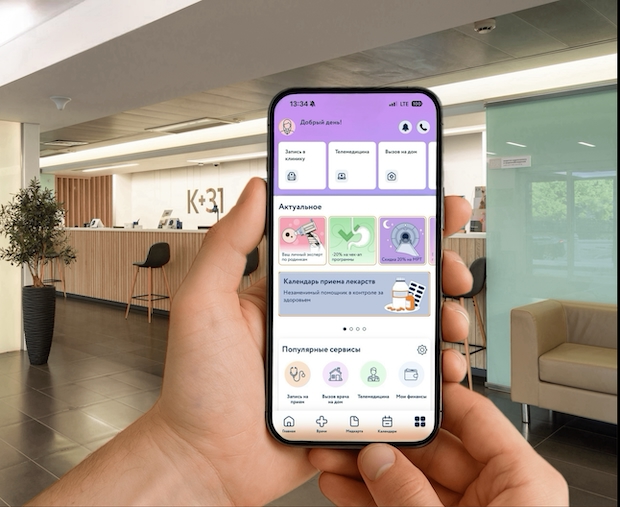
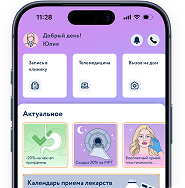
Application “Personal Account K+31”










What is important to know about fractures in children?
Fractures in children often occur after falls, active play, sports, scootering, cycling, rollerblading, or trampoline use. The severity of the injury cannot be reliably determined by the severity of the cry. A child may be distracted and move a little, but the bone damage still remains.
Therefore, every childhood fracture must be assessed based on the child's age, the site of the injury, and the load that caused the complaints.
Characteristics of children's bone tissue
Children's bone tissue is more elastic, and the periosteum is usually thicker. Because of this, incomplete fractures without severe separation of the fragments are common. The growth plate requires special attention: if the injury occurs near it, the doctor must assess the risk to further bone growth.
What fractures are most common in children?
In pediatric practice, the forearm, collarbone, wrist, fingers, elbow, shin, and foot are often injured. A closed fracture without skin damage or an open fracture with a wound is possible. With a more severe impact, a displaced fracture can occur, where the fragments shift position.