Treatment of a broken nose in a child

A child's nose injury is always frightening to parents, especially if there is blood, swelling, pain, and the nose is rapidly changing shape. In such a situation, it's important not to get confused: a broken nose cannot be assessed solely by its appearance.

The child should be examined by an ENT specialist or traumatologist. Treatment for a broken nose in a child is determined after diagnosis, because it is important for the doctor to preserve not only the shape of the nose but also normal breathing.

The sooner the child sees a specialist, the lower the risk of malunion and persistent nasal breathing problems.

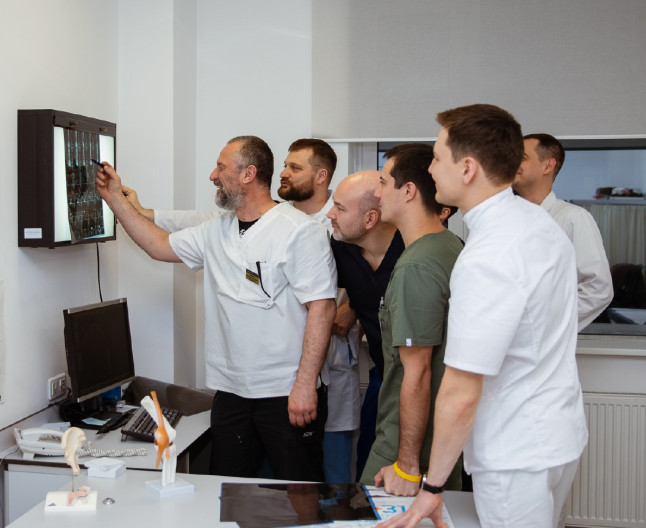
Best specialists
Best
specialists
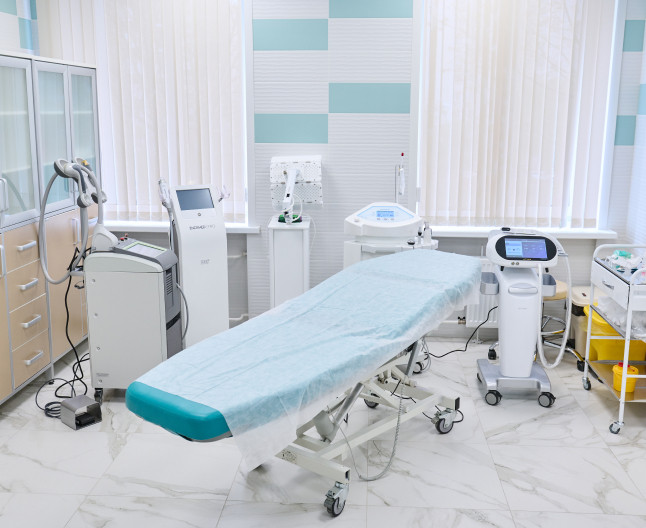
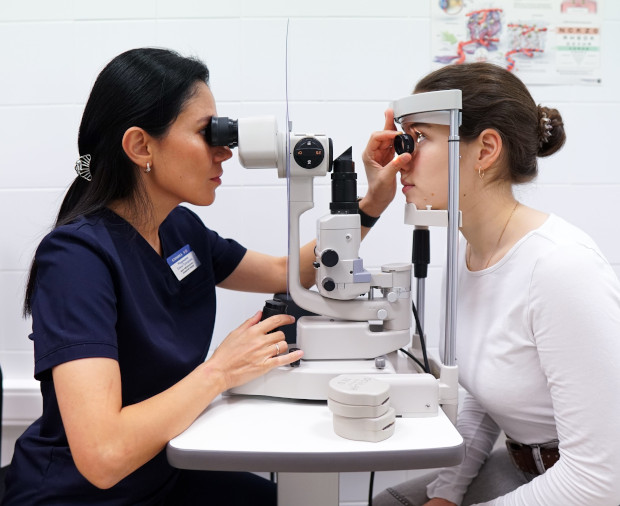
Expert equipment
Expert
equipment
Advanced diagnostic treatment
Advanced diagnostic
treatment
Sign up
Fill out the entry form on the page and we will call you back
Sign up Позвонить
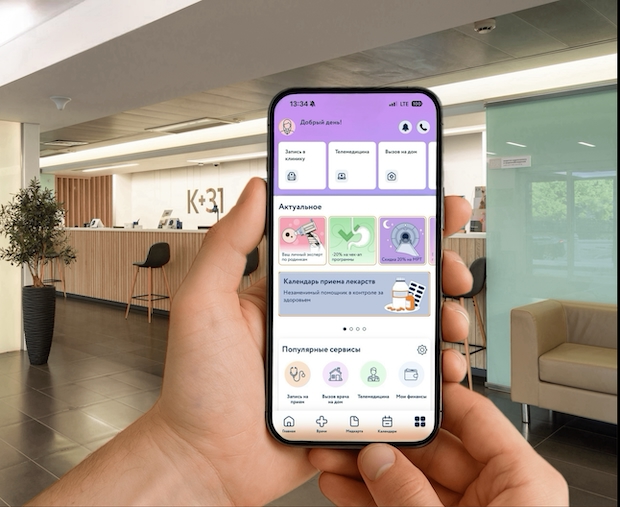
Download the application “Personal Account K+31”
Everything about your health in one click!
Subscribe to social networks K+31
To keep up to date with current offers and receive useful advice about your health.

What is a broken nose and why is it dangerous in children?

A child's nose is structured differently than an adult's. The bone and cartilage structures are still growing, so even a moderate blow can affect their further development.

Childhood, in this regard, always requires a more careful approach. If a nasal injury is accompanied by pain, swelling, bleeding, or difficulty breathing through the nose, it is best to take the child to a doctor as soon as possible.

Bruise or fracture: How to distinguish between the injuries

In the first minutes after a blow, it can be difficult to objectively assess the extent of the injury. External signs are often similar, but the subsequent treatment strategies are radically different. To understand the difference, study the table comparing a bruised nose and bone damage.

Symptom Bruise Fracture What to do
Swelling Moderate Severe Observation / Examination
Nasal shape Unchanged May be deformed Mandatory medical examination
Breathing Usually normal May be difficult Urgent consultation
Action Observation, cold Mandatory medical examination Do not attempt to correct the injury yourself.

This table is an excellent aid in understanding the basic symptoms of the injury. However, it in no way replaces a full consultation with a doctor.

Why is early examination especially important for children?

The soft bony structures of the face are easily deformed by mechanical stress. Given the child's age, doctors use the most delicate methods to assess the condition of the cartilage, which can shift without obvious skin tears.

Therefore, the slightest suspicion of a nasal fracture requires a professional and prompt assessment of the patient's condition. Failure to diagnose it in a timely manner often leads to severe aesthetic defects.
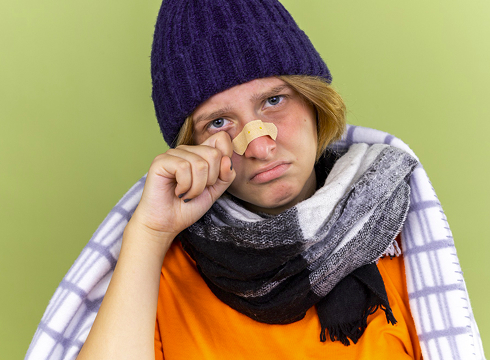
Symptoms of a broken nose in a child

The clinical picture of facial bone injuries is usually very pronounced and develops rapidly. It is important for parents to carefully record all changes occurring in their child in the first hours after the incident. Accurately describing the symptoms of a broken nose will help the doctor quickly assess the situation.

Pain, swelling, bleeding, and bruising

Almost every severe nasal injury is accompanied by acute pain, which intensifies sharply when touched. Swelling of the nose rapidly increases on the face, often spreading to the cheeks and upper eyelids.

Profuse nosebleeds often occur, which are very difficult to stop with traditional home remedies. A characteristic dark bruise soon appears under the eyes, indicating rupture of small blood vessels.

Breathing problems and nasal disfigurement

A strong mechanical impact often results in displacement of the nasal bones or internal cartilaginous structures. This is visually evident as noticeable asymmetry, a depression, or, conversely, a pronounced hump on the bridge of the nose. Internal hematoma and swelling of the mucous membrane can cause difficulty breathing, forcing the child to breathe only through the mouth.

Signs that require immediate medical attention

There are objective warning signs that require immediate professional medical attention. If, after a blow, the nose is bleeding, swollen, and the child cannot breathe freely, do not delay an examination: it may not be a bruise, but a fracture.

When does a child need an urgent examination by an ENT specialist?

  • The nose is noticeably deformed
  • The bleeding won't stop
  • The child has difficulty breathing through the nose
  • Severe pain to the touch persists after a blow
  • There is a suspicion of bone or septum displacement

If you notice any of these signs, seek immediate medical attention at a specialized clinic.

Symptoms of a broken nose in a child
First aid for a broken nose

First aid for a broken nose

What can you do before seeing a doctor

When administering first aid for a broken nose, first calm the victim and gently sit them up, tilting their head slightly forward. This will prevent blood from flowing into the airways and stomach.

Apply a cold compress through a clean cloth to the bridge of the nose for 10-15 minutes to reduce swelling. After this, carefully transport the patient to a medical facility.

How does a doctor diagnose a broken nose?
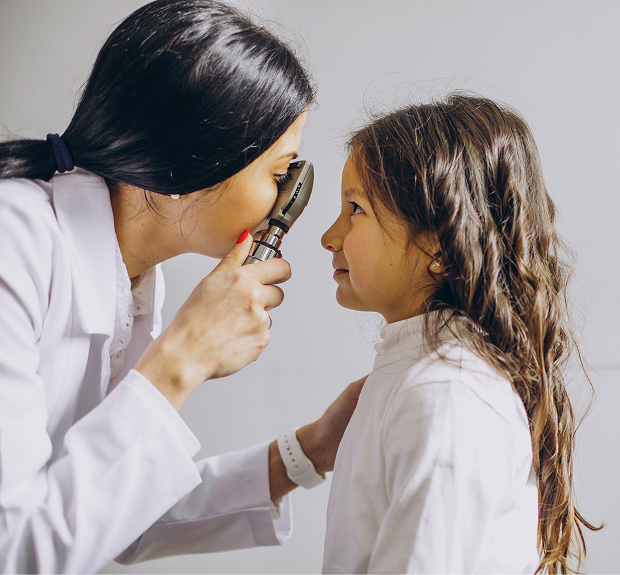
How does a doctor diagnose a broken nose?

In a modern clinical setting, the assessment process follows strict medical protocols. A high-quality diagnosis of a nasal fracture is aimed at the timely detection of hidden internal injuries. The doctor always carefully considers all the details of the incident.

Examination and collection of complaints

First, the otolaryngologist carefully examines the young patient's face and thoroughly clarifies the circumstances of the childhood injury. The doctor carefully palpates the tissues, checks the patency of the nasal passages, and assesses the condition of the mucous membrane. Accurate diagnosis of a nasal fracture at this stage helps quickly identify a dangerous septal hematoma.

When additional tests may be needed

To accurately confirm the clinical diagnosis, instrumental examinations are always prescribed. Classic X-rays in several projections clearly show the integrity of the facial bones. In complex situations, if concomitant skull injuries are suspected, a CT scan is prescribed for the most detailed visualization of the tissues.

General information

How is a broken nose treated in children?

Patient management strategies directly depend on the severity of the injuries and the time of presentation to the clinic. Modern treatment of a broken nose in children is aimed at fully restoring facial aesthetics and respiratory function. Doctors strive to use the most gentle and painless techniques.

Conservative treatment and observation

If the bones are not displaced and normal breathing is fully preserved, a careful, watchful waiting approach is used. The doctor prescribes special vasoconstrictor drops, safe painkillers, and local cold compresses.

Effective treatment of a broken nose always begins with an accurate diagnosis and the reduction of inflammation. This type of treatment requires regular outpatient follow-up.

When is repositioning necessary?

If the nose is severely crooked, surgery is indicated to restore the facial shape. In this situation, repositioning is performed—gently returning the bone fragments to their natural position.

The procedure is performed under adequate anesthesia to completely alleviate the child's fear.
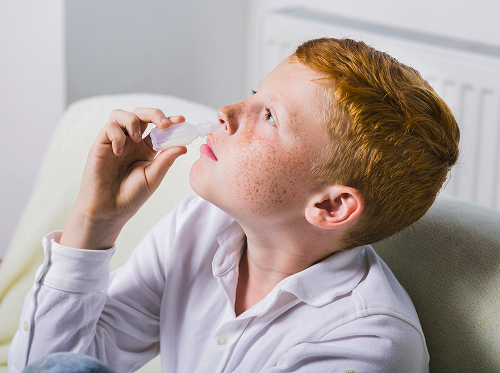
How is a broken nose treated in children?

Possible complications with delayed treatment

Ignoring obvious symptoms of injury often leads to extremely unpleasant consequences. Various complications negatively impact the patient's quality of life during a period of active growth. An untreated nasal fracture entails the need for complex surgeries in the future.

Deviated septum

Improperly fused bones and damaged cartilage permanently alter the internal anatomy of the respiratory cavity. A persistent deviated septum develops, requiring complex surgical correction in adolescence. This is a direct consequence of the lack of timely medical attention on the day of the injury.

Breathing problems and frequent inflammation

Distorted internal structures physically impede the normal flow of air. Chronic oxygen deprivation occurs, causing the child's brain to suffer from hypoxia. Against this unfavorable background, protracted rhinitis, purulent sinusitis, and painful otitis often develop.

Nasal deformity and repeated bleeding

Notable changes in facial profile can cause serious psychological complexes in a growing teenager. Furthermore, the thinned and damaged mucous membrane becomes extremely vulnerable to any irritants. Any physical exertion provokes spontaneous bleeding from the nasal passages.

Possible complications with delayed treatment

Recovery after a broken nose in a child

The rehabilitation period requires all family members to strictly adhere to the prescribed medical instructions. Proper recovery after a broken nose ensures a child's rapid return to a full and active life. Careful care during this period is extremely important.

When is a follow-up examination needed?

Follow-up visits to the clinic are scheduled by the attending physician according to a strictly individualized schedule. Typically, an ENT specialist thoroughly examines the patient one week and then one month after completing the course of treatment. This allows the doctor to be completely certain that the professional treatment of a broken nose in children was successful.

Recovery after a broken nose in a child

FAQ from parents

How can you tell if your child has a broken nose and not a severe bruise?

Answer: Only a doctor can make a definitive diagnosis, but signs of severe pain, significant swelling, bleeding, a change in the shape of the nose, difficulty breathing, and tenderness to the touch should be cause for concern. With a bruise, there is usually no noticeable deformity, and breathing is better maintained. A specialist should be consulted if your child has a broken nose. Even a simple bruise requires a professional examination.

What should you do immediately after a child's nose injury?

First, sit the child calmly. Apply cold with a cloth. Keep the child's head elevated. If a nosebleed begins, difficulty breathing develops, or the nose appears deformed, a doctor's examination is necessary as soon as possible. A nasal injury requires careful handling in the first few hours. Avoid strong clamping and avoid attempting to straighten the nose yourself.

Should a child's nose be realigned after a fracture?

The decision is made by an ENT specialist after a thorough visual and instrumental examination. Realignment isn't always necessary: ​​sometimes observation, swelling reduction, and monitoring are sufficient. If there is a misalignment, the doctor determines the optimal strategy to avoid a deviated septum.

Why is it important to seek medical attention immediately?

Because a broken nose in a child can quickly lead to breathing difficulties, permanent deformity, and septal problems. The sooner professional treatment for a broken nose is started, the higher the chance of avoiding complications. An early visit to the doctor prevents serious complications. Remember that every nasal fracture in a child is unique and requires an expert approach.

"In pediatric practice, it's especially important not to try to reset the nose at home. Even if only swelling is visible externally, there may be displacement or a septal hematoma internally. Early examination helps initiate treatment more quickly and reduces the risk of complications."


Our doctors

Polovnikova (Kroshkina) Valeria Alexandrovna
Experience 15 years
Make an appointment
Polovnikova (Kroshkina)
Valeria Alexandrovna
Traumatologist-orthopedist, pediatric
Lopatin Kirill Alexandrovich
Experience 16 years
Make an appointment
Lopatin
Kirill Alexandrovich
Traumatologist-orthopedist, pediatric
All specialists
2GIS Award
2GIS Award

This award is given to clinics with the highest ratings according to user ratings, a large number of requests from this site, and in the absence of critical violations.

«Good place» according to Yandex

This award is given to clinics with the highest ratings according to user ratings. It means that the place is known, loved, and definitely worth visiting.

Our doctors are laureates of the ProDoctors Award

The ProDoctors portal collected 500 thousand reviews, compiled a rating of doctors based on them and awarded the best. We are proud that our doctors are among those awarded.

Make an appointment at a convenient time on the nearest date

Price

Initial appointment with a pediatric traumatologist-orthopedist
from 8 950 ₽
Follow-up appointment with a pediatric traumatologist-orthopedist
from 7 950 ₽

Other Services

Treatment of hip sprain in a child Ankle injury in a child: treatment and recovery Calf muscle strain in children: symptoms and treatment Treatment of sprains in children: symptoms, first aid and recovery Treatment of pectoral muscle strain in children Treatment of muscle strains in children Hip sprain in children: symptoms and treatment Sprained Foot in Children: Treatment, Symptoms, First Aid, and Recovery Treatment of Achilles tendon strain in children First aid for bleeding in children: how to act quickly and safely Neck Strain in Children: Symptoms, Treatment, and Recovery Subungual hematoma in children: symptoms, first aid, and treatment in Moscow Wrist sprain in a child: symptoms, treatment, and recovery Subcutaneous hematoma in a child: symptoms, treatment, and first aid Treatment of the consequences of trauma in children Orthopedic rehabilitation for children in Moscow: recovery from injuries, surgeries, and musculoskeletal disorders Reduction of subluxations and dislocations in children Plaster cast application for a child: procedure, types of casts, and care Treatment for a child's shoulder sprain Soft tissue hematoma in a child: symptoms, first aid, and treatment Application of an immobilization bandage to children Swelling after a bruise in a child: treatment and first aid Hip contusion in a child: symptoms, first aid, and treatment Head injury in children: treatment, symptoms, and first aid Chest contusion in a child: symptoms, first aid, and treatment A child's post-injury hematoma: how to treat it, when to see a doctor, and what to do in the first few hours Hematoma on a child's arm: causes, symptoms, and treatment Treatment of a child's hand contusion: symptoms, first aid, and recovery Hematoma on a child's finger: first aid, treatment, and when to see a doctor Knee contusion in a child: treatment, symptoms, and first aid Bruised tailbone in a child: symptoms, first aid, and treatment in Moscow Elbow bruise in a child: symptoms, first aid and treatment Bruised leg in a child: symptoms, first aid and treatment Hematoma on a child's leg: causes, symptoms, first aid, and treatment Hematoma on a child's face: causes, first aid, and treatment in Moscow Treatment of groin strain in children Bruised nail in a child: treatment, first aid, symptoms, and recovery Hematoma on the head of a child: treatment and symptoms Eye hematoma in a child: treatment, first aid, and when to see a doctor Bruised ribs in children: treatment, symptoms, and first aid Back strain in children: symptoms, treatment, and recovery Soft tissue contusion in a child: symptoms, first aid, and treatment Treatment of a joint contusion in a child in Moscow: symptoms, first aid, diagnosis, and recovery Bruised nose in a child: treatment, first aid, and when to see a doctor Bruised Foot in a Child: Symptoms, First Aid, and Treatment in Moscow Bruised finger in a child: treatment, first aid, and when to see a doctor Back injury in a child: symptoms, first aid, and treatment in Moscow Bruised arm in a child: symptoms, first aid, and treatment Shoulder contusion in a child: symptoms, first aid and treatment Bruised ribs in children: symptoms, treatment, and first aid Treatment of fractures in children in Moscow Treatment of a jaw fracture in a child Compression fracture of the thoracic spine in children: treatment, diagnosis and recovery Humeral neck fracture in children: treatment, symptoms, and recovery Coccyx fracture in children: symptoms, treatment, and recovery Patella fracture: treatment in children Sacral fracture in children: symptoms, diagnosis and treatment Treatment of metatarsal fractures in children Zygomatic bone fracture in a child: symptoms, diagnosis, treatment and recovery Conservative treatment of fractures in children: how is treatment performed without surgery? Functional method of treating fractures in children 24-hour trauma care for children: when urgent help is needed Emergency traumatology for children: urgent care for injuries
Make an appointment

Appointment to the doctor
Fill out the form, our managers will contact you within 15 minutes
Почему К+31?
К + 31 — full-cycle multidisciplinary medical centers, including the possibility of providing medical services of European quality level.
К + 31 — are leading doctors and diagnostics using high-tech equipment from world manufacturers (Karl Storz, Olympus, Siemens, Toshiba, Bausch&Lomb, Technolas, Zeiss, Topcon).
К + 31 — is ethical. The staff of K+31 clinics maintain open relationships with patients and partners. An individual approach to each patient is the basis of our service standards.
К + 31 — is modernity. On call 24/7: call center operators will answer your questions at any time and book you an appointment with doctors. Contact us by phone, through the feedback form on the website and Max.

Our clinics

Address K+31 on Lobachevskogo

st. Lobachevskogo, 42/4

Contacts

+7 499 999-31-31

Opening hours

Mon-Fri: 08:00 – 21:00
Weekend: 09:00 – 19:00
Didn't find the service you were looking for?

Экстренная помощь