
First aid for bleeding in children: how to act quickly and safely
Seeing your child's blood is one of the most stressful experiences for any parent. In such a situation, fear interferes with quick decision-making. However, the child's health depends on how first aid is provided for bleeding.
Below, we explain how to stop the bleeding and the peculiarities of a child's body.

specialists

equipment

treatment



Types of bleeding: how to recognize
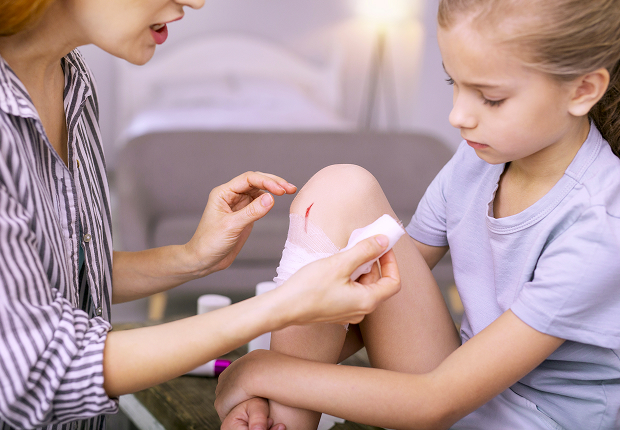
To properly administer first aid for bleeding in children, it is necessary to first determine the type of damaged vessel. This determines the method used to stop the bleeding and the urgency of seeking medical attention.
Capillary bleeding
This is the most harmless type of injury. The blood is usually dark red and stops on its own or with the application of a light bandage.
Venous bleeding
When a vein is damaged, the blood flows in a steady stream and is dark cherry in color. There is no pulsation. This type of bleeding in a child requires the application of a pressure bandage. The danger lies in the possibility of significant blood loss if the wound is deep, as well as the risk of air being drawn into the vessel (air embolism).
Arterial bleeding
The most dangerous type. The blood is bright red, spurting from the wound in a pulsating stream or fountain, rhythmically matching the heartbeat. First aid for a child in this case must be immediate. With arterial damage, every minute counts, as blood loss increases rapidly.
Nosebleeds in a child
This is a separate category, as it requires a specific procedure. A nosebleed in a child can be the result of a ruptured blood vessel in the anterior region (Kiesselbach's zone) or deeper injuries.
For clarity, a table has been provided to help parents quickly understand the types of bleeding:
| Type of bleeding | What it looks like | What to do | When to see a doctor immediately |
|---|---|---|---|
| Capillary | Blood oozing in drops all over the area | Wash, apply pressure, apply a bandage | If the wound is contaminated or does not heal |
| Venous | Dark blood flows in a steady stream | Apply direct pressure, apply a tight bandage | If the bleeding is active and does not stop |
| Arterial | Bright scarlet blood spurts in a pulsating fountain | Immediately apply pressure to the wound, apply a tourniquet (if skilled), call an ambulance | Immediately if a pulsation is detected |
| Nasal | Bleeding from one or both nostrils | Tilt your head forward and pinch the sides of your nose. | If bleeding continues for more than 15 minutes or there is an injury. |
First aid for bleeding: A step-by-step algorithm
First, stop the bleeding. This is the top priority.
What to do in the first minutes
In the first 5 minutes after the injury, your actions should be as follows:
- Reassure the child. Crying and screaming increase blood pressure, which increases the flow of blood.
- Assess the source of the blood. Quickly inspect the injury site to determine the type of bleeding.
- Apply pressure to the wound. Use any clean cloth or sterile drape.
- Elevate the limb. If an arm or leg is injured, elevate it above heart level—this will reduce blood flow to the wound. li>
- Use direct pressure. Don't check every 30 seconds to see if the bleeding has stopped; maintain constant pressure. li>
How to stop bleeding from a cut or abrasion
If it's a common household injury, wound care is minimal. Rinse it with water and apply an antiseptic. Don't use alcohol or iodine, as they can cause a chemical burn. Then apply a sterile bandage or plaster.
How to treat a deep wound
If the wound is deep and the edges are separating, don't try to irrigate it internally. Your goal is to stop the bleeding with firm packing. Place several layers of gauze over the wound and bandage it tightly. If the bandage is soaked with blood, do not remove it; apply a new one over the old one. In everyday situations, a tourniquet is rarely used on children due to the high risk of nerve and tissue damage—only in cases of massive arterial bleeding.
How to help with a nosebleed
- Sit the child and tilt their torso and head slightly forward.
- Pinch the soft sides of the nose with your fingers for 10 minutes.
- Apply a cold compress (ice in a towel) to the bridge of the nose for 10-15 minutes.
- Ask the child not to talk or cough.
When urgent medical attention is needed
If there are signs of dangerous bleeding, consult a doctor immediately.
Signs of dangerous blood loss
- Pale skin and mucous membranes
- Severe weakness and lethargy
- Dizziness, tinnitus, or brief loss of consciousness (fainting)
- Rapid, shallow breathing and cold sweat
Situations where you can't wait
Calling an ambulance is mandatory in the following situations:
- The blood is pulsating and bright red
- The child's bleeding does not stop within 15 minutes
- There is a knife, glass, or splinter in the wound: do not remove them yourself, this may provoke a strong gush of blood
- The wound is located in the neck, head, chest, or Abdominal
When to call emergency medical services
If a child has been injured as a result of a fall from a height or a car accident, internal bleeding is possible. Signs of this include sharp abdominal pain, vomiting blood (the color of "coffee grounds"), or black stool. In these cases, emergency medical care is the only way to save a life.
General information
What not to do during a bleeding: Common mistakes parents make
The biggest mistake is panic. The second is using "folk" remedies. Don't apply soil, plantain, cotton wool (its lint is extremely difficult to remove later), or dirty clothing to the wound. Don't touch the wound with dirty hands; if possible, wear gloves or use sterile material.
Mistakes to Avoid During a Nosebleed
Never tilt your head back. This creates the illusion that the bleeding has stopped, but in reality, it flows down the nasopharynx into the stomach or, more dangerously, into the respiratory tract. Also, don't allow your child to blow their nose immediately after the bleeding has stopped—this will break up the clot, and the nosebleed will start again.
Mistakes in Wound Care
Don't pour iodine or brilliant green on a deep wound. These substances are intended only for treating the edges of the skin around the injury. Also, don't try to "sew" or glue the wound yourself with household glue. Remember: wound care must be gentle.
"In my practice, parents most often waste time not because of the wound itself, but because of panic. When a child is bleeding, you first need to calmly stop the bleeding and only then assess the severity of the injury," says a pediatrician.
Frequently asked questions
How can I stop bleeding in a child at home?
What should you do if your child has a nosebleed?
When should you seek immediate help for bleeding?
Can a tourniquet be used for bleeding in a child?
Proper first aid for bleeding in children allows for a quick return to active life.



This award is given to clinics with the highest ratings according to user ratings, a large number of requests from this site, and in the absence of critical violations.

This award is given to clinics with the highest ratings according to user ratings. It means that the place is known, loved, and definitely worth visiting.

The ProDoctors portal collected 500 thousand reviews, compiled a rating of doctors based on them and awarded the best. We are proud that our doctors are among those awarded.
Make an appointment at a convenient time on the nearest date
Price
Other Services

Appointment to the doctor





Our clinics


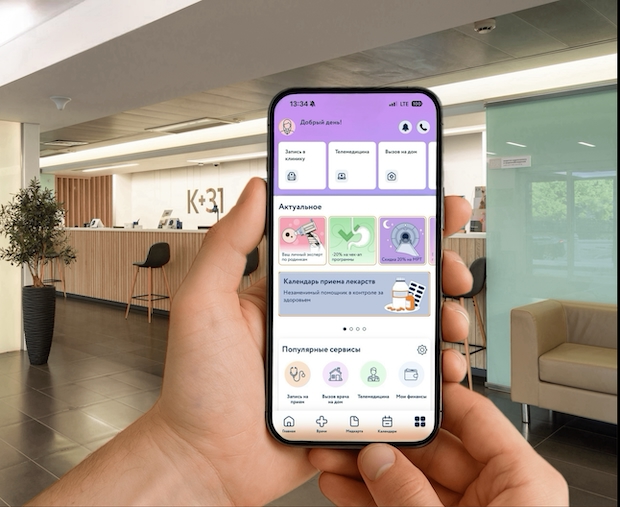
Application “Personal Account K+31”











What is bleeding and why is it dangerous for a child?
Bleeding is the leakage of blood outside the vascular bed due to damage to the vessel walls. In children, this process requires special attention due to their high metabolic rate and the characteristics of the circulatory system.
Why bleeding may develop faster in children
Bleeding in children occurs differently than in adults. There are several reasons for this:
Main causes: cuts, falls, nosebleeds.
Most often, injuries occur at home or during walks. The main causes include: