
Treatment of Achilles tendon strain in children
Children are restless, so Achilles tendon strains are a common problem. With timely treatment, young patients can quickly return to an active lifestyle.

specialists

equipment

treatment



The Achilles tendon is the strongest in the human body. Despite its strength, the tendon is easily stretched due to active growth and intense physical activity.
What role does the Achilles tendon play in walking, running, and jumping?
This anatomical structure is responsible for plantar flexion of the foot. It allows a person to push off the ground. Any load on the foot activates this tendon: it acts like a spring, accumulating energy upon landing and releasing it during push-off. Without proper Achilles tendon function, jumping, running fast, and even normal foot roll during walking are impossible.
How is a strain different from a tear or rupture?
In medicine, the term "strain" refers to microscopic damage to collagen fibers. The structural integrity of the organ is preserved. However, the clinical picture may be similar to more severe conditions. To understand the severity of the situation, doctors use the following classification:
| Symptom | Strain | Tear | Rupture |
|---|---|---|---|
| Pain | Moderate | Severe | Sharp, severe |
| Swelling | Possible | Often present | Often pronounced |
| Weight bearing | Usually possible | Difficulty | Severely limited |
| Tactics | Rest, treatment, rehabilitation | A doctor's examination is mandatory | Urgent diagnosis |
A sprain only stretches the fibers. A tendon rupture is a complete tear of the tissue. In the first case, conservative treatment is sufficient, while in the second, surgery is the only solution.
Why do children get Achilles tendon injuries?
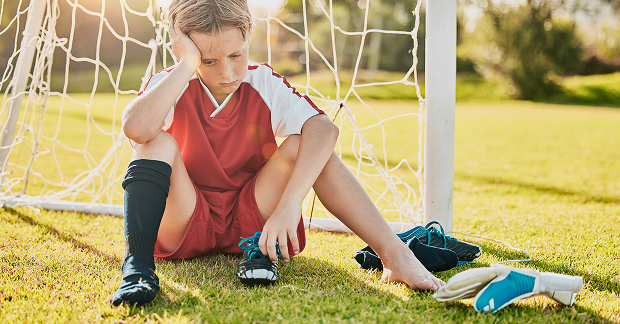
Children's bodies are constantly changing. There are several key factors that can make the Achilles tendon vulnerable.
Sports and sudden increases in activity
A tendon rupture is primarily a sports injury. It occurs when a child doesn't warm up sufficiently before jumping or running. It can also occur after a long period of rest (for example, if the child didn't play sports during the holidays).

Inappropriate footwear and uneven surfaces
Flat-soled shoes with no cushioning or, conversely, shoes with a too-soft heel counter don't provide adequate heel support. Running on rough terrain, sand, or slippery surfaces increases the range of motion in the ankle, causing critical tissue strain.
Insufficient warm-up and recovery errors
Warming up warms up the tendon, making it more elastic. If the calf muscles are tight or cold, the force of the impact is transferred to the tendon.
Children need rest between workouts. Daily training is a surefire way to injury. The muscles don't have time to recover, so all the stress is transferred to the tendon.
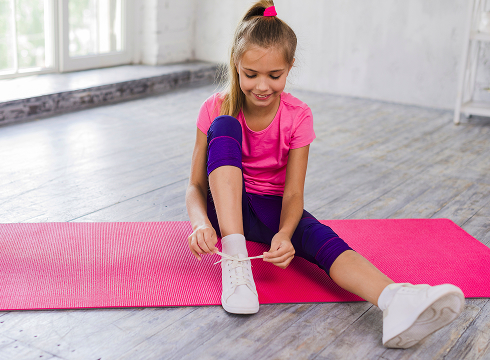
Symptoms of an achilles tendon strain in a child
Parents and coaches need to know the symptoms of a strain. If you don't see a doctor promptly, healing the Achilles tendon will take longer.
Pain, swelling, a feeling of tightness and stiffness
The first symptom is pain in the heel or just above it, along the back of the leg. The child may complain of a pulling sensation in the leg, especially in the morning. Swelling in the ankle area also appears.
Limping, refusal to run or jump
A child's characteristic limp occurs because they instinctively try not to fully land on their heel or roll their foot when pushing off. Children may refuse familiar games because jumping causes severe discomfort.
Signs that indicate a more serious injury
There are symptoms that require immediate differential diagnosis. If a distinct click or crunch was heard at the time of injury, and swelling increases rapidly, this may indicate a rupture. A "sag" in the tendon area and the inability to stand on tiptoes are also dangerous. In such cases, pediatric traumatology requires additional instrumental examinations.
General information
How does a doctor diagnose an Achilles tendon strain?
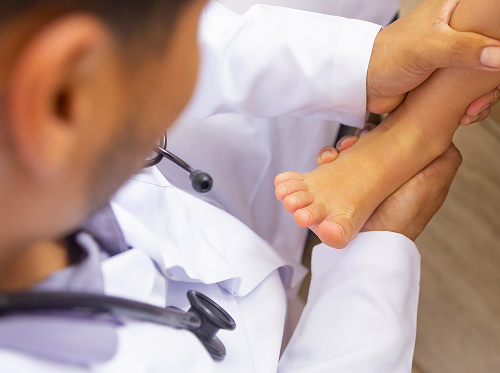
If a ligamentous injury is suspected, a specialist consultation is necessary. A qualified orthopedic traumatologist begins the consultation by collecting a medical history and clarifying the mechanism of injury.
Examination and functional tests
The doctor will palpate the tendon along its entire length. They will check its integrity and determine the location of the pain. The doctor will also conduct mobility tests to assess the extent of flexion function.
When is an ultrasound, X-ray, or MRI prescribed?
To clarify the diagnosis, instrumental tests may be prescribed:
- X-ray – to rule out an avulsion fracture of the calcaneus.
- Ultrasound of the Achilles tendon – allows one to see the tissue structure, the presence of swelling, and microtears. This is a quick and safe method for children.
- MRI – is prescribed in complex cases when the clinical picture is ambiguous or a complete rupture is suspected.
Some situations require emergency intervention. A visit to the clinic should not be delayed if:
- The child is unable to put weight on their foot at all.
- A large hematoma (bruise) has appeared in the heel area.
- The heel is deformed or severely swollen.
- Severe ankle pain persists even when resting.
These symptoms often indicate a tendon rupture, which in childhood can lead to developmental delays in the limb without surgical treatment.
FAQ
Can an Achilles tendon strain be treated with ointments?
When can a child return to exercise?
The exercise regimen should be appropriate for the child's age; don't force them to exercise beyond their strength or fatigue.
Warm-up, shoes, exercise regime, and recovery
A warm-up is essential before any workout. Warm up for at least 10 minutes. Buy your child high-quality shoes with good foot and ankle support. And don't forget about rest after workouts: muscles need time to recover.
"In my practice, parents often contact me after their child has resumed running despite the pain. With an Achilles tendon injury, it's important not only to relieve the symptoms but also to gradually reintroduce exercise to reduce the risk of re-injury," says an orthopedic traumatologist.
A reminder for parents: first steps after an injury
- Stop the activity and sit your child down
- Apply ice or something cold that's readily available
- If your child can't walk, carry them to the car and seek medical attention immediately
The primary treatment for an Achilles tendon strain is rest. Take your time, allow your child to recover, and return to sports after the doctor clears.



This award is given to clinics with the highest ratings according to user ratings, a large number of requests from this site, and in the absence of critical violations.

This award is given to clinics with the highest ratings according to user ratings. It means that the place is known, loved, and definitely worth visiting.

The ProDoctors portal collected 500 thousand reviews, compiled a rating of doctors based on them and awarded the best. We are proud that our doctors are among those awarded.
Make an appointment at a convenient time on the nearest date
Price
Other Services

Appointment to the doctor








Our clinics


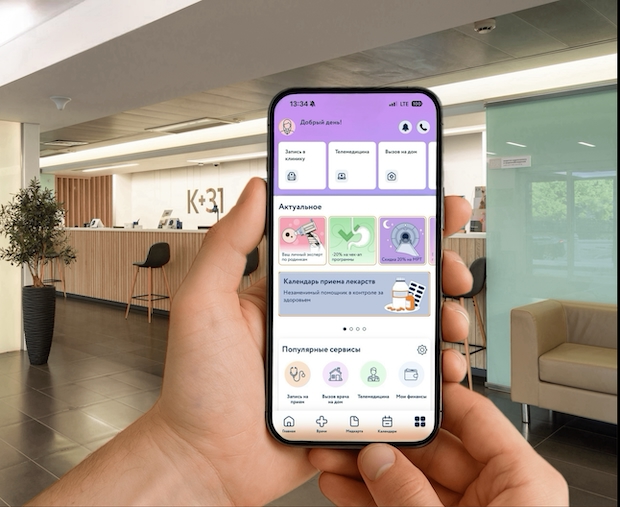
Application “Personal Account K+31”










First aid for Achilles tendon injury
Prompt first aid for an injury significantly reduces the recovery time and minimizes the risk of complications.
Rest, reduce stress, and apply cold during the first few hours
As soon as a child experiences heel pain, stop physical activity. Sit or lay the child down and apply ice or frozen vegetables to the sore spot for 10-15 minutes. This will reduce internal bleeding and swelling.
Immobilization, elevated leg
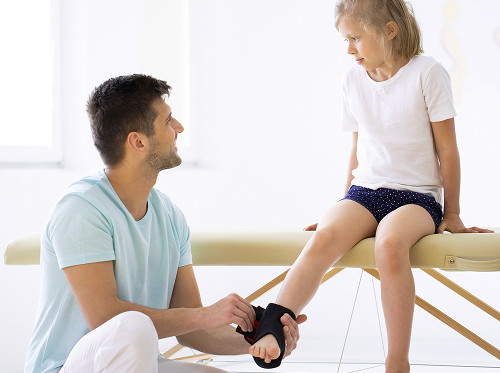
It is advisable to immobilize the ankle with an elastic bandage, being careful not to tighten it too tightly to avoid impeding circulation. The leg should be elevated above heart level to allow excess fluid to drain from the inflamed area.
What you shouldn't do at home
What you shouldn't do at home: