
Calf muscle strain in children: symptoms and treatment
The calf muscle is used with every step, jump, or toe rise. It can withstand enormous strain. However, any sudden movements or excessive pressure can damage its fibers.

specialists

equipment

treatment






Causes of sprains in children
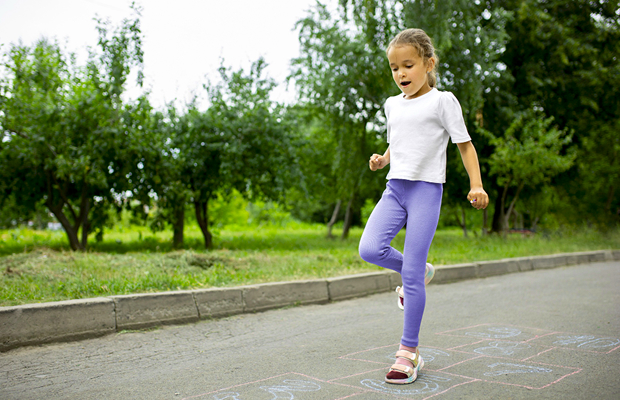
There are several reasons: from improper exercise technique to the child's rapid growth.
Running, jumping, accelerating abruptly
The main causes of strains in children are related to impulsive exercise. A sudden start, a long jump, or an attempt to brake abruptly while playing tag create a jerking effect. The muscle doesn't have time to contract smoothly and becomes damaged.
Insufficient warm-up before exercise
Cold muscles are less elastic. Without a warm-up, they are less able to withstand stretching. Even 5-10 minutes of gentle warm-up significantly reduces the risk of micro-tears.
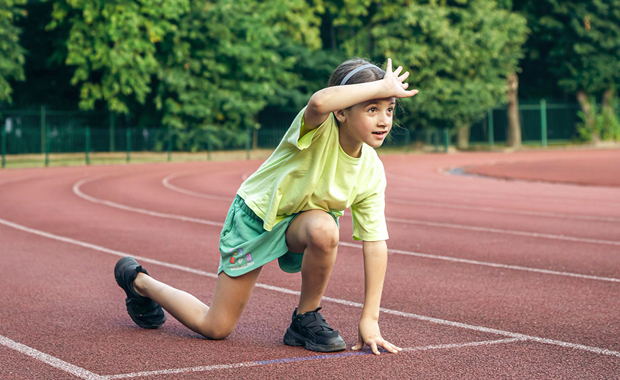
Overuse in sports and active games
When a child plays sports daily or attends multiple sports clubs, muscles don't have time to recover. Due to overexertion, they are less able to cope with the load, and any incorrect movement can cause injury.
Uncomfortable Shoes and Anatomical Peculiarities
Flat soles, lack of cushioning, or shoes that are too tight alter the biomechanics of the gait. This causes the calf muscle to function incorrectly. Flat feet, valgus, and varus are defects that also place undue strain on the calf muscles.
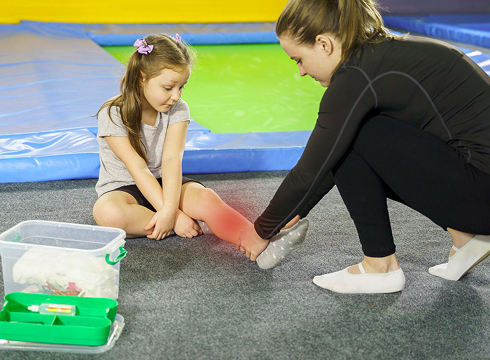
Symptoms of a calf muscle strain
Signs of injury depend on the severity, but the overall clinical picture is usually quite clear.
Calf pain when walking and putting weight on the leg
The first and most important sign is calf pain in a child. It is acute at the time of injury and becomes aching at rest. When attempting to stand on the toes or simply resting on the heel, the discomfort intensifies sharply. The child may describe it as a feeling of "being hit" on the back of the leg.
Swelling, muscle tension, and tenderness
Swelling of the calf increases rapidly. The muscle becomes firm to the touch, hot, and sensitive even to the lightest touch. This occurs due to the influx of lymph and blood to the site of injury.
Limping and limited movement
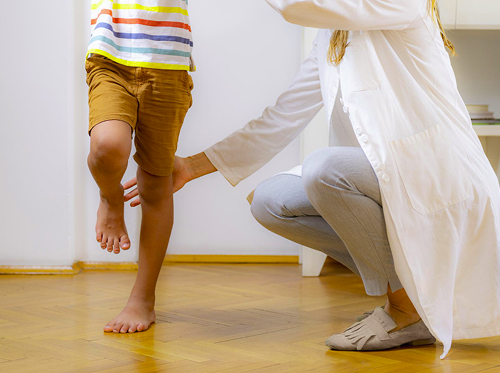
Limping occurs due to pain. The child is afraid to put weight on the injured leg and inadvertently transfers weight to the other leg. This is the body's defense mechanism aimed at immobilizing the injured area.
A bruise or hematoma as a sign of a more severe injury
If the injury affects the blood vessels within the muscle, a bruise or extensive hematoma will appear after some time (from several hours to a day). This indicates that this is not just a spasm or mild strain, but a partial muscle tear.
How to distinguish a sprain from a cramp, bruise, or strain
It's important for parents to understand what exactly they're dealing with, as the treatment methods for these conditions differ dramatically.
Differences from a short-term cramp
A cramp is an involuntary, painful muscle contraction that lasts from a few seconds to a couple of minutes. After the muscle relaxes (for example, after pulling a toe toward you), the pain goes away almost completely. With a sprain, the pain lingers for hours and days, intensifying with any attempt to use the leg.
What's the difference between a shin sprain and a shin bruise?
A shin sprain occurs from a direct impact (for example, colliding with a swing or being hit by a ball). In this case, the main pain is localized at the point of contact, often on the anterior surface, where the bone is close to the skin. A shin sprain, on the other hand, is an internal injury, the pain of which is felt deep in the muscle belly on the back of the shin.
Signs of a muscle tear and rupture
If a muscle is partially or completely torn, the symptoms will be much more severe. The child may hear a distinct popping sound. The pain becomes unbearable, swelling increases rapidly, and a "gap" or, conversely, an unnatural ridge may be felt where the muscle was. If the rupture is complete, the foot becomes unresponsive, and the child cannot even move it in certain directions.
When urgent diagnosis is needed
There are a number of situations in which home remedies are not sufficient. This table will help determine the severity of the condition:
| Symptom | Mild sprain | Tear | Rupture |
|---|---|---|---|
| Pain severity | Moderate, worsens with movement | Severe, sharp | Unbearable, abrupt |
| Swelling | Little or no swelling | Noticeable, moderate | Severe, rapidly increasing |
| Ability to walk | Yes, with a slight limp | Difficulty, severe pain | Inability to put weight on the leg |
| Hematoma | Absent or small | Appears after 1-2 days | Extensive, appears quickly |
| What to do | Rest, cool, observe | See a doctor | Urgent visit to a traumatologist |
First aid for a strained calf muscle
First aid should be provided within the first 30-60 minutes after the injury. Otherwise, rehabilitation will take longer.
Stop exertion and ensure rest
As soon as the child complains of pain, any activity should be stopped. Continuing to run or play forcefully will turn a minor sprain into a serious strain. It is essential to lay the child down and provide complete rest for the limb.
Apply cold in the first few hours
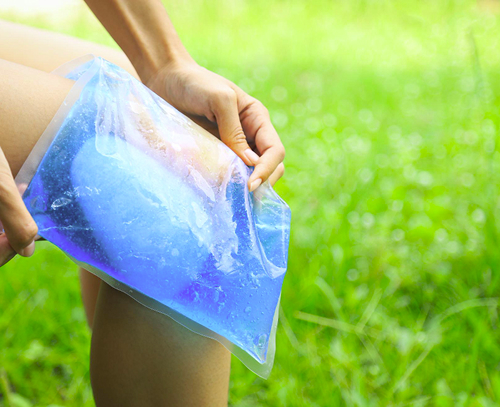
Cold in the first few hours is excellent for reducing pain and swelling. Ice or a freezer pack wrapped in a towel should be applied to the calf for 15 minutes.
Elevate the leg and limit movement
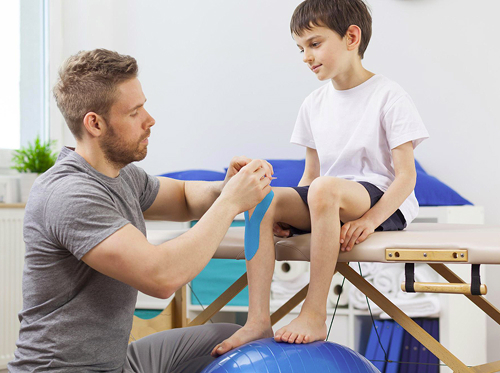
The injured leg should be elevated (such as a pillow or bolster). This will facilitate venous return and reduce throbbing pain. To prevent your child from accidentally jerking their leg, you can apply a soft, supportive bandage using an elastic bandage, but don't tighten it too tightly.
What you shouldn't do immediately after an injury
Avoid applying heat to the muscle for the first 48 hours. Compresses and warm baths are prohibited, as this will only increase swelling and pain.
General information
How a doctor diagnoses an injury
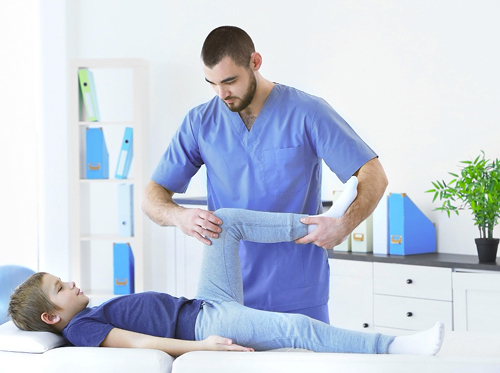
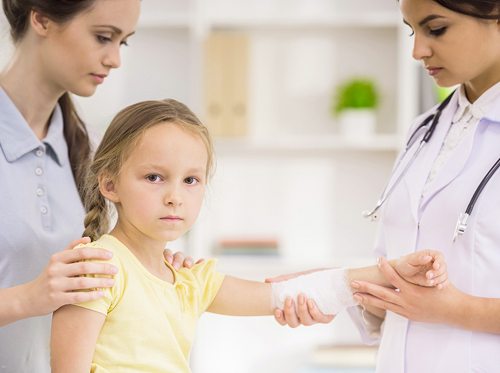
If the pain persists or the child is limping severely, it's necessary to go to the emergency room. A pediatric traumatologist-orthopedist will conduct a professional assessment of the limb.
Examination and questioning of the child and parents
The doctor determines the circumstances of the injury and conducts functional tests: asking the child to move their foot and bend their knee. Palpation allows the exact location of the torn muscle fibers to be determined and muscle tone to be assessed.
When ultrasound, X-ray, or MRI are prescribed
Instrumental methods are needed to clarify the diagnosis:
- Ultrasound is the primary method for visualizing soft tissue structure, the presence of hematomas, and the extent of fiber damage.
- X-ray is prescribed if there is a suspicion that the injury is accompanied by bone damage (e.g., an avulsion fracture).
- MRI is rarely required, usually if a complete rupture or damage to deep ligaments is suspected.
How to rule out more serious injuries.
It is important for the doctor to ensure that the calf muscle pain is caused by a sprain, and not by thrombosis or nerve damage. The specialist checks the pulse in the arteries of the foot and skin sensitivity.
Some symptoms indicate that the situation is out of control. These include:
- Inability to take even a few steps independently
- Numbness in the heel or toes
- Sudden coldness or blueness of the foot
- Muscle contour deformation (appearance of a lump or depression)
- Fever due to injury
Frequently asked questions
How do you know if it's a sprain?
How many days of rest are needed?
When can I resume sports?
A calf muscle strain in a child is always accompanied by pain. Maximum rest is essential during the first few days. Don't rush to return to sports, even if your child says they're fine.



This award is given to clinics with the highest ratings according to user ratings, a large number of requests from this site, and in the absence of critical violations.

This award is given to clinics with the highest ratings according to user ratings. It means that the place is known, loved, and definitely worth visiting.

The ProDoctors portal collected 500 thousand reviews, compiled a rating of doctors based on them and awarded the best. We are proud that our doctors are among those awarded.
Make an appointment at a convenient time on the nearest date
Price
Other Services

Appointment to the doctor





















Our clinics


Application “Personal Account K+31”












What is a calf muscle strain?
This is a partial injury or excessive tension of the muscle fibers, accompanied by micro-tears.
The gastrocnemius muscle consists of two heads (medial and lateral). When injured, the integrity of individual muscle bundles is disrupted, causing inflammation, pain, and swelling.
How does injury occur?
Injury occurs due to a sudden or forceful contraction of the muscle at the point of maximum tension. This most often occurs when a child pushes off the ground.
Why does this happen? It's simple: due to active skeletal growth, the muscles sometimes don't have time to adapt to the length of the bones, which creates additional tension.
Which areas are most often affected?
The medial (inner) head of the gastrocnemius muscle is most often injured. Another vulnerable area is the muscle-tendon junction—the so-called musculoskeletal junction. This is where the fibers experience the greatest stress during jerking movements. If a shin injury is localized in this area, recovery may take longer due to the peculiarities of the connective tissue's blood supply.
Why are injuries especially common in children?
Children's bodies are constantly in a state of restructuring. Poor coordination, lack of self-control during gambling, and physiological immaturity of the ligamentous apparatus make children vulnerable. Furthermore, children often neglect safety precautions, jumping from heights or performing sudden accelerations without first warming up the tissues.