
Foot fracture in a child: symptoms, treatment, recovery
A child's foot fracture cannot be assessed solely by the severity of pain or the appearance of the foot. After a fall, blow, or an unsuccessful jump, a child may limp, protect their foot, and refuse to put weight on it.
In such a situation, it's better not to wait for the problem to "go away on its own" but to take the child to a traumatologist. Treating a child's foot fracture helps to properly align the bone structures, maintain the foot's shape, and reduce the risk of gait problems during growth.

specialists

equipment

treatment






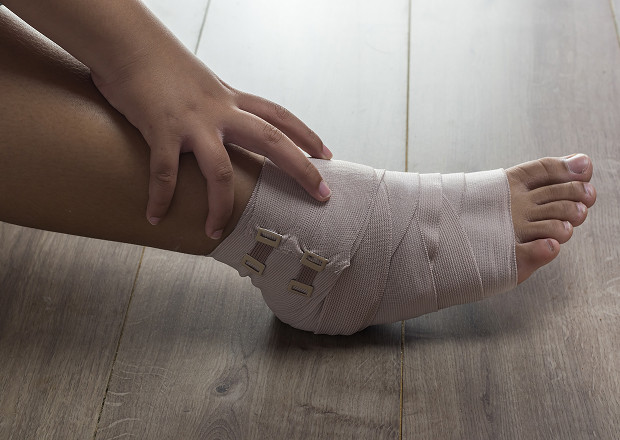
Fractures of the Toes, Metatarsals, Heel, and Other Parts of the Foot
The anatomy of the lower leg includes many small joints. Doctors often diagnose a toe fracture, which occurs with a direct impact on a hard surface or furniture. Much less common are fractures of the metatarsal, talus, or calcaneus, which are usually associated with a hard fall from a height.
Displaced and Non-Displaced Fractures
Under strong mechanical stress, fragments can shift their normal position within the tissue. In such cases, a displaced foot fracture is diagnosed, requiring careful repositioning of the fragments. If the structure retains its proper axis, the doctor fixes the fracture as non-displaced, making conservative treatment simpler and faster.
First aid for suspected foot fracture

The subsequent well-being of the injured person depends on the actions of adults in the first few minutes. Proper first aid for a foot fracture significantly reduces the risk of additional complications.
What to do before seeing a doctor
First aid for a foot fracture is rest. The child should be seated or laid down. Avoid putting weight on the injured leg.
Procedure:
- Avoid putting weight on the foot
- Immobilize the leg without pressure or sudden movements
- Apply cold through a thick cloth for 10-15 minutes
- Do not try to reset the deformed area
- Seek medical attention immediately
The main thing is not to worsen the condition before the examination. A doctor will perform further procedures.
Symptoms of a foot fracture in a child
The clinical picture depends heavily on the location and severity of the injury. It's crucial for parents to know the main symptoms of a foot fracture so they can respond promptly and avoid wasting precious time.
Pain, swelling, lameness, and inability to bear weight
Sudden and severe pain in a child's foot after an injury is the very first sign of a serious problem. Significant swelling of the foot appears soon after the incident, and the soft tissues may take on a bluish tint. Adults should also be alerted by a child's limp or complete refusal to bear weight on the injured leg.
When symptoms may be vague and resemble a bruise
Frequently, a foot fracture in a child is hidden, especially if the dense periosteum has held the bone together. In such situations, visual changes are minimal, and mild discomfort is attributed to a simple sprain. Below is a comparative table to help you get a preliminary understanding of the symptoms.
| Symptom | Common bruise | Possible fracture |
|---|---|---|
| Pain | Usually moderate, gradually subsiding | Often severe, sharply intensifies with weight-bearing |
| Swelling | May be localized | Often severe and extensive |
| Weight-bearing on the leg | Sometimes possible with force | Difficult or completely impossible |
| Deformation | Rare | May be visible to the naked eye |
| What to do | Observation and gentle rest | Doctor's examination, diagnosis, and fixation |
It is important to understand that this table is for informational purposes only. A precise diagnosis can only be made by a specialist after conducting instrumental examinations.
General information
How a Doctor Diagnoses a Foot Fracture
An accurate diagnosis always begins with a detailed interview and clarification of the circumstances of the incident. The doctor carefully evaluates external changes in the skin and checks the basic sensitivity of the nerve endings.
Examination by a Pediatric Orthopedic Traumatologist
During the initial consultation, a qualified pediatric traumatologist carefully palpates the injured area. An experienced doctor can detect the symptoms of a foot fracture during a manual examination, assessing circulation and motor function. The specialist is careful to consider the age-related nuances of the skeleton of a growing body.
X-rays and Additional Examinations
To fully confirm the diagnosis, an instrumental examination is prescribed. A standard X-ray of the foot is performed in at least two projections for a detailed study of the bone anatomy. If the X-ray does not provide a comprehensive picture, the patient may be referred for a CT scan.

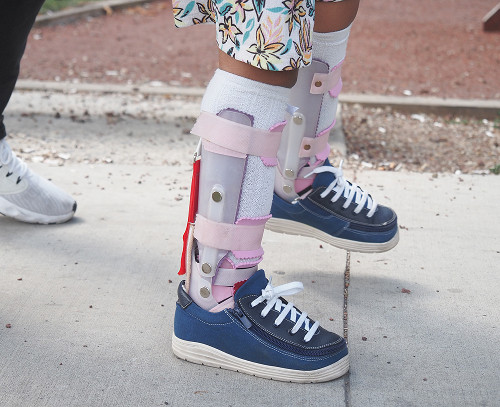
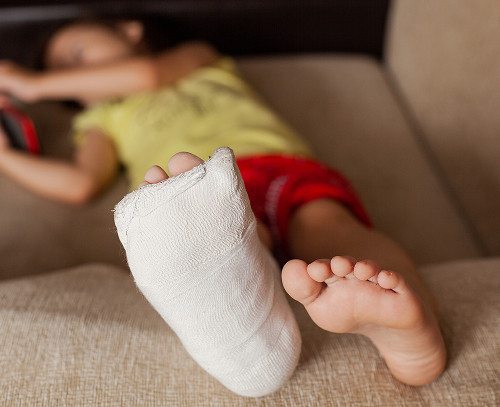

A child can't grow without active play and movement, so accidental falls are inevitable. But many things can be prevented. Simple safety measures help reduce the risk of serious injuries and dangerous consequences.
How to Reduce the Risk of Re-Injury at Home and in Sports
Provide your child with high-quality, well-fitting shoes with secure ankle support. Regularly discuss safety rules with your children during sports activities and outdoor games. Prompt treatment of foot fractures in children with previous injuries and completion of a rehabilitation course will strengthen the bones, reducing the likelihood of recurrence.
Frequently Asked Questions from Parents
How can I tell the difference between a foot fracture and a bruise?
How long does it take for a child's foot fracture to heal?
Can a child walk with a foot fracture?
When is surgery necessary for a foot fracture?



This award is given to clinics with the highest ratings according to user ratings, a large number of requests from this site, and in the absence of critical violations.

This award is given to clinics with the highest ratings according to user ratings. It means that the place is known, loved, and definitely worth visiting.

The ProDoctors portal collected 500 thousand reviews, compiled a rating of doctors based on them and awarded the best. We are proud that our doctors are among those awarded.
Make an appointment at a convenient time on the nearest date
Price
Other Services

Appointment to the doctor
















Our clinics


Application “Personal Account K+31”












What is a foot fracture and why do children need special treatment tactics?
How does a fracture in children differ from an injury in adults?
The bone tissue of children and adolescents is highly elastic. It is covered by a dense membrane called the periosteum, which often holds the fragments together during an impact, preventing them from separating. Because of this, an isolated injury can masquerade as a normal, severe bruise for a long time.
Why is it important to consider growth plates?
In children, bones are still growing. Areas of cartilage called growth plates are responsible for limb length. If a fracture occurs near these areas or directly affects them, it is important for the doctor not only to immobilize the foot but also to monitor its subsequent recovery.
As a pediatric traumatologist explains:
"In a child, we evaluate not only the fracture itself but also the condition of the cartilaginous structures. Even a minor foot injury may require more careful fixation and dynamic monitoring because the foot is still growing."