
Pubic bone fracture in a child: symptoms, treatment and recovery
A pubic bone fracture in a child requires accurate diagnosis and observation by a specialist. It is impossible to independently determine the extent of the injury. Pain, limited mobility, and difficulty walking or standing should prompt immediate medical attention.

specialists

equipment

treatment






Why is this injury especially important in children?
Children's bodies are constantly growing, changing, and developing. A child's bone tissue is more elastic and flexible due to the presence of so-called growth plates and a higher percentage of cartilage. Because of these unique anatomical features, pelvic fractures in children follow a completely different course.
Modern pediatric traumatology treats these injuries separately from adult fractures. Pelvic fractures in children usually require inpatient observation, pain management, assessment of movement, the condition of internal organs, and subsequent recovery.
Causes and typical mechanisms of injury
A pubic bone fracture can occur in several situations:
- A traffic accident where the child was a pedestrian, passenger, or riding a bicycle
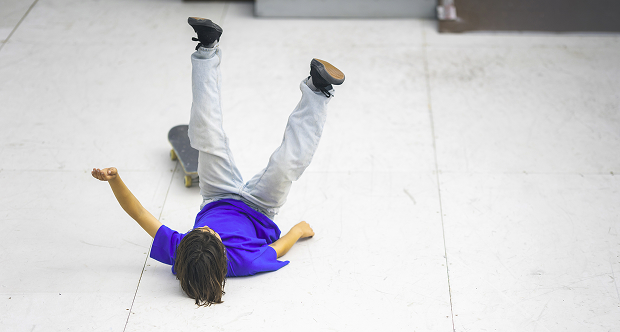
- A fall from a height—from a tree, garage roof, ladder, or high structure on a playground
- Compression of the pelvic area by heavy objects or structures

Symptoms of a pubic bone fracture in a child
Timely recognition of the problem plays a key role in successful treatment and minimizing risks. Early detection of the symptoms of a pubic bone fracture is crucial. If a pubic bone fracture occurs in children, the clinical picture usually develops rapidly.
Pain and limitation of movement
This pain is localized in the groin, directly above the pubis, or in the lower third of the abdomen. The child instinctively tries to assume a forced, gentle position.
Any attempt to change position causes a sharp shooting pain. Severe limitation of movement occurs: the baby is physically unable to sit up, roll over, or stand up on their own.
Signs that require urgent medical attention
See a doctor immediately if:
- Severe pain
- Inability to stand/walk
- Suspected displacement
- Blood in the urine
- Severe weakness/numbness/sharp pain in the lower abdomen
Detection of even one of the above warning signs requires an immediate call to an ambulance. In such situations, every minute counts.
How is a pubic bone fracture diagnosed?
Examination by a pediatric orthopedic traumatologist
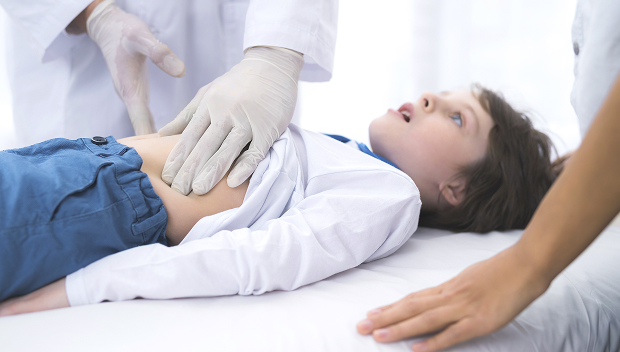
In the hospital emergency room, the patient is first examined by the on-call specialist. Typically, the pediatric traumatologist performs a very gentle but informative palpation.
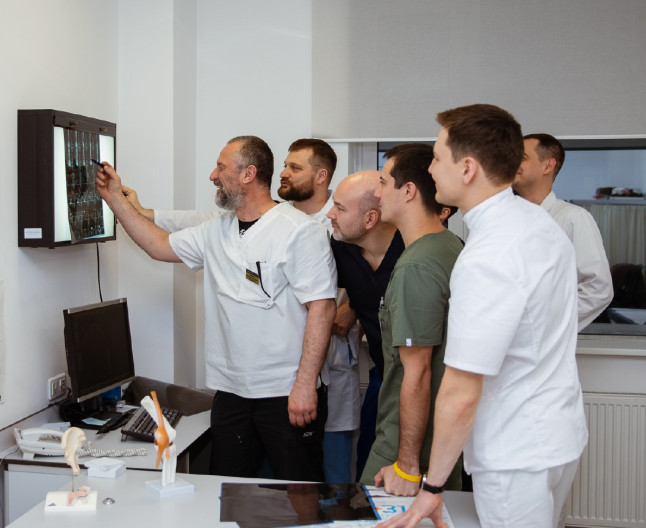
An experienced pediatric orthopedic traumatologist gently palpates the pelvic area, assesses the symmetry of bony landmarks, and checks reflexes and the neurological status of the legs.
X-rays and additional diagnostic methods
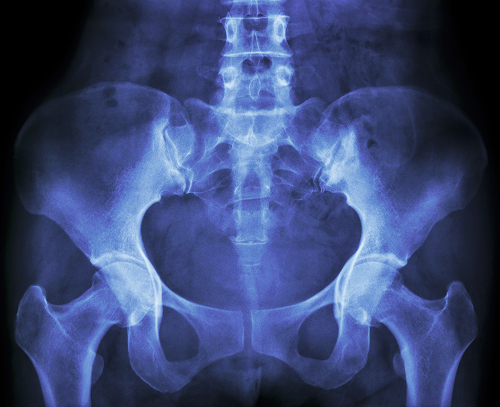
Pelvic X-rays are the gold standard for primary diagnostics worldwide. However, X-rays don't reveal everything. If the clinical picture remains unclear, or there is a serious suspicion of hip damage or complex comminuted wounds, the patient is prescribed a CT (computed tomography) scan.
MRI is additionally used to assess the condition of soft tissues, major blood vessels, nerves, and pelvic organs. This comprehensive, multi-step approach allows specialists to select the most effective and safe protocol for further action.
General information
Treatment of a pubic bone fracture in children
If a pubic bone fracture is confirmed, treatment is selected based on the child's age, bone growth patterns, and overall condition following the injury. For some children, a strict regimen, pain relief, and observation may be sufficient, while others may require more complex medical approaches.
First aid before seeing a doctor
Proper first aid involves carefully laying the child flat on a hard, flat surface (such as the floor, a board, or a wide plank) and lying flat on their back.
Place a small bolster made from a rolled-up blanket or jacket under the knees. This will relax the hip and pelvic muscles, significantly reducing pain.
Conservative treatment
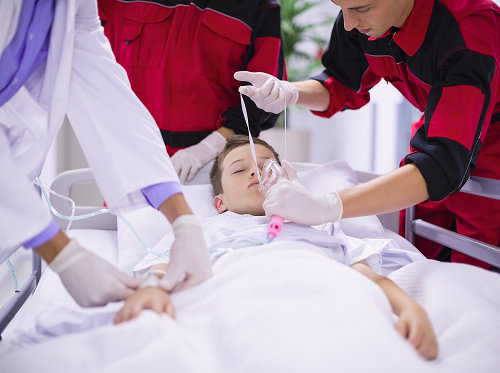
If a child is diagnosed with a pubic bone fracture, treatment may include prolonged bed rest, pain medication, and regular monitoring. Immobilization is especially important: the body is fixed in a position that keeps the pelvic ring still.
Conservative and surgical treatment: what's the difference?
| Parameter | Conservative treatment | Surgical treatment |
|---|---|---|
| When used | Stable fractures | Unstable, displaced |
| Method | Rest, pain relief, weight limitation | Fixation of fragments (screws, plates) |
| Duration | Several weeks of rest | Hospitalization + rehabilitation |
Pain relief and weight-bearing restriction
If a pubic bone fracture has occurred, treatment must be carried out under strict patient discipline.
To summarize all of the above, let's look at the basic algorithm of specialist actions.
What is typically included in the treatment of a pubic bone fracture in a child:
- Physician's examination
- Pain relief
- Rest and weight-bearing restriction
- Follow-up observation
- Recovery and exercise therapy
These sequential steps are the undisputed gold standard of medical care in pediatric practice worldwide.
Doctor's quote:
"In my practice, children with stable pubic bone fractures can usually avoid surgery. The most important thing is to make a timely diagnosis, properly manage the child's pain, and prevent premature stress."



When rollerblading, scootering, cycling, or snowboarding, it's absolutely necessary to wear protective gear, including special shorts with pads. Furthermore, a competent pediatric traumatologist always recommends developing a child's natural agility, flexibility, and coordination through regular, moderate physical activity. An athletic, strong child is much better able to brace themselves during falls, significantly reducing the risk of serious injury.
FAQ
How is a pubic bone fracture treated in a child?
First, the doctor assesses the nature of the injury. One fracture may be stable and respond well to conservative treatment. Another is displaced, disrupts the stability of the pelvic ring, and requires more careful monitoring.
Typically, the child is prescribed pain relief, bed rest, weight-bearing restrictions, and observation. If the fracture is unstable, this approach may not be sufficient. In this case, the traumatologist considers surgery to restore the correct bone alignment and reduce the risk of complications.
Is surgery always necessary?
When can I return to sports and active play?
Returning to sports may not be possible immediately after the child's condition improves. First, the child should be examined by a specialist. The doctor will assess pain, movement, stability, and the results of follow-up diagnostic tests.
If recovery is pain-free, exercise is gradually increased. Jumps, jerks, falls, and intense training should be avoided. Even brief overexertion can interfere with normal healing.



This award is given to clinics with the highest ratings according to user ratings, a large number of requests from this site, and in the absence of critical violations.

This award is given to clinics with the highest ratings according to user ratings. It means that the place is known, loved, and definitely worth visiting.

The ProDoctors portal collected 500 thousand reviews, compiled a rating of doctors based on them and awarded the best. We are proud that our doctors are among those awarded.
Make an appointment at a convenient time on the nearest date
Price
Other Services

Appointment to the doctor




Our clinics


Application “Personal Account K+31”












What is a pubic bone fracture?
The pelvic ring consists of several tightly interconnected elements. The anterior portion of this complex and robust framework is formed by the pubic bone (also known as the pubic bone in medical terminology).
Any disruption of the structural integrity of this ring is classified as a pelvic injury. In pediatric practice, such injuries are significantly less common than common bruises or fractures of the arms and legs.