Treatment of Tibial Fractures in Children

Timely treatment of tibia fractures is performed exclusively under medical supervision. After all, the skeletal system at an early age has unique anatomical features. Therefore, a tibia fracture in a child presents differently than a similar injury in an adult.

Proper patient management can help avoid severe orthopedic complications.

Best specialists
Best
specialists
Expert equipment
Expert
equipment
Advanced diagnostic treatment
Advanced diagnostic
treatment
Sign up
Fill out the entry form on the page and we will call you back
Sign up Позвонить
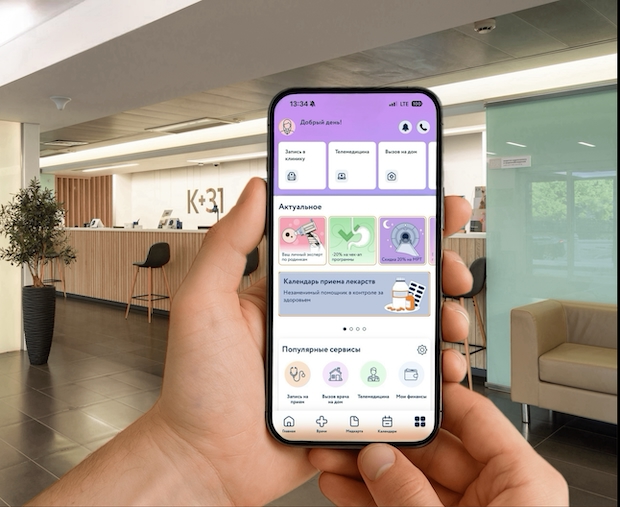
Download the application “Personal Account K+31”
Everything about your health in one click!
Subscribe to social networks K+31
To keep up to date with current offers and receive useful advice about your health.

What is the tibia and why does a fracture in a child require a special approach?

The tibia is the main supporting structure of the human lower limb. It bears the entire weight of the body:

  • Walking
  • Running
  • Jumping

Because of this functional load, any fracture of the tibia is considered a serious injury. The bone tissue of children and adolescents is covered with a thick periosteum, which often prevents the fragments from separating too much.

Modern pediatric traumatology takes into account the presence of cartilage at the ends of bones, which forms the growth plate. Damage to these areas can lead to delayed or arrested limb development.

An experienced pediatric traumatologist always develops a treatment plan that preserves the normal anatomy of the leg. This is why the treatment of tibia fractures in children differs fundamentally from medical protocols for adults.

What is the tibia and why does a fracture in a child require a special approach?

Causes and types of tibial fractures in children
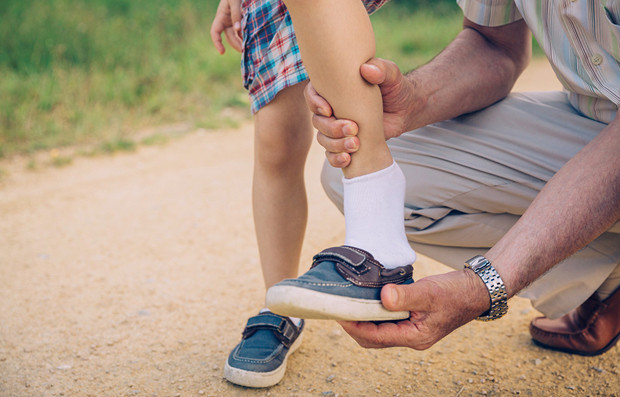
The tibia bears the brunt of the weight when walking, running, and jumping. In children, injuries are most often associated with active play, sports, or traffic accidents. The bone can break with a direct blow, a fall, or a sharp twisting of the leg. After examination, a doctor determines the type of fracture based on the location, direction of the fracture line, and the presence of displacement.

Closed and Open Fractures

Closed fractures are more common in children. With this type of fracture, the skin remains intact, reducing the risk of infection, and treatment is usually more straightforward. With an open fracture, the bone breaks the skin, creating a wound. In this situation, immediate assistance is needed: a doctor must treat the wound, assess the damage, and reduce the risk of infection.
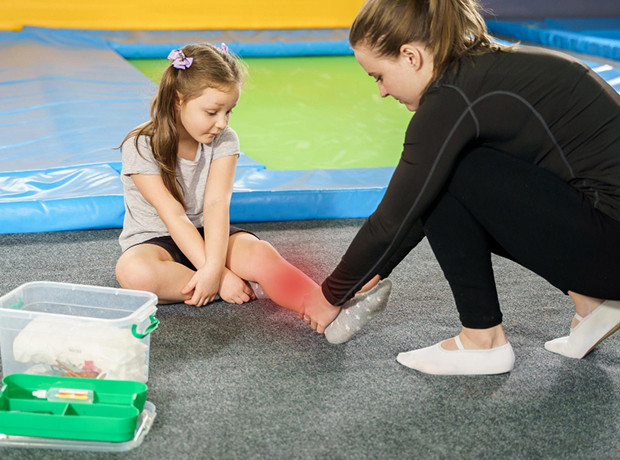
Displaced and Non-Displaced Fractures

Sometimes bone fragments remain in their anatomical positions thanks to a tight periosteal sheath. In other situations, displacement occurs, with the fragments shifting laterally, at an angle, or overlapping each other. The latter condition significantly complicates the medical task. The doctor must return the bones to their natural position for proper healing.

Periarticular and Diaphyseal Injuries

The fracture line can run through the middle portion of the bone, called the diaphysis. The injury can also affect the area near the knee or ankle joint. Periarticular injuries are considered the most dangerous, as they disrupt the mechanics of the joint. In such cases, a tibia fracture requires particularly careful diagnosis to rule out concomitant ligament tears.

Symptoms of a fracture that should alert parents

The clinical picture of leg injuries is usually quite pronounced. A child is physically unable to hide the discomfort, and external changes become noticeable immediately after the incident. It is important for parents to recognize these warning signs promptly.

A timely response will help quickly arrange for the injured person to be transported to a specialized clinic.

Pain, swelling, deformity

At the moment of injury, acute pain occurs that does not subside with complete rest. Swelling around the injured area begins to rapidly increase, and soft tissues noticeably increase in volume. In severe mechanical injuries, an unnatural curvature of the leg axis is visually noticeable.

Limping and refusal to put weight on the leg

The victim instinctively protects the injured limb from the slightest pressure or shock. Severe lameness is the first sign of skeletal dysfunction. The child completely refuses to put weight on the injured leg, preferring to move by hopping.

When urgent care is needed

Immediate medical attention is necessary if the toes become pale or blue. Loss of sensation indicates compression of nerves and major blood vessels. In such emergency cases, treatment for a tibia fracture in children begins with the immediate restoration of normal blood flow. Any delay can lead to irreversible damage to the limb tissue.

General information

How a Doctor Diagnoses a Tibial Fracture

Evidence-based pediatric traumatology relies exclusively on objective instrumental data. An accurate diagnosis is never made based on a visual examination alone. The specialist requires reliable images of the internal structures of the limb. Only after obtaining these can a final plan of action be formulated.

Examination and History Taking

During the initial consultation, the doctor gently palpates the injury site and checks for pulsation in the major vessels. The doctor asks the parents or the child detailed questions about the mechanism of the injury. This information helps the specialist understand the direction of the traumatic force. Based on the data obtained, the doctor determines the preliminary nature of the damage.

X-rays and Additional Examinations

A standard X-ray is performed in two projections to obtain a complete picture of the injury. The images show the exact location of the fracture line and the presence of bone fragments. An intact tibia has smooth contours, while an injury reveals a structural defect on the image. In complex clinical cases, the doctor may order a CT scan.

How a Doctor Diagnoses a Tibial Fracture

How is a tibial fracture treated in children?

Proper treatment of a tibial fracture is based on the principles of precise alignment of the fragments and their secure support. The choice of a specific treatment method directly depends on the severity of the injury and the patient's age. The main goal of medical procedures is to ensure absolute immobility of the bone.

When choosing a treatment strategy, specialists analyze all available clinical options. Each method has its own medical indications and strict limitations. The table below demonstrates the main treatment approaches.

Method When used Advantages What is important in children
Plaster fixation For stable fractures or after reduction Reliable immobilization Control of swelling and bone position is necessary
Orthosis During the recovery phase or with a stable injury More convenient for hygiene and rehabilitation Not always suitable, the decision is made by a doctor
Reposition and fixation When Displacement of bone fragments Helps restore the limb axis X-ray monitoring is required

Using these methods in various combinations helps achieve a full recovery. The treatment plan may be adjusted by the doctor depending on the healing rate.

Immobilization and restoration of bone position

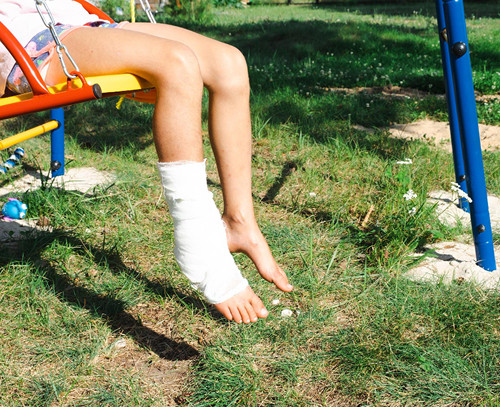
With this type of injury, the main thing is to prevent the fragments from moving. Therefore, a tibia fracture in a child is treated with mandatory leg immobilization.

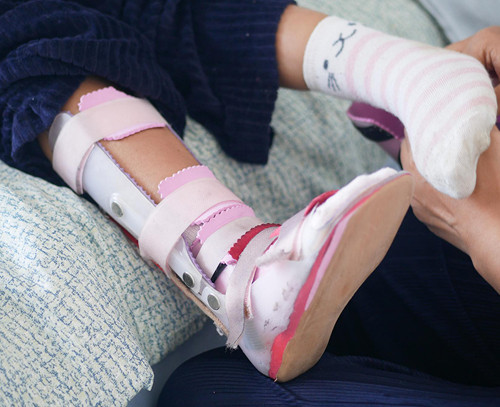
Immobilization reduces the load on the injured area and creates conditions for healing. For this purpose, the doctor may apply a plaster cast: a plaster cast holds the leg in the desired position. If there is displacement, reduction is required first, followed by final fixation before the follow-up examination.

Orthoses and Fusion Monitoring

In the later stages of therapy, a heavy plaster cast can be replaced by a modern semi-rigid orthosis. It weighs significantly less, provides air access to the skin, and allows for hygienic procedures. During conservative therapy, the doctor regularly assesses the progress of physiological bone fusion.

How is a tibial fracture treated in children?

Treatment Features for Children of Different Ages

Children's bodies possess enormous biological potential for cellular regeneration. Bones in young children heal several times faster than in adults.

However, this physiological process requires close medical supervision. Age-related anatomical nuances dictate their own strict rules of medical management.

"When a child has a tibia fracture, I first assess not only the fracture line itself, but also the growth plate, the leg axis, and a control X-ray. This is precisely what helps avoid malunion and unnecessary problems in the future," says a pediatric traumatologist.

The Role of the Growth Plate

Doctors always pay special attention to the cartilaginous layers that help the bone lengthen. The damaged growth plate can close prematurely, which will inevitably lead to irreversible shortening of one leg.

Therefore, treatment of tibia fractures in children with growth plate injuries requires long-term follow-up. An experienced pediatric orthopedist monitors this process for several years.

Healing Time and Monitoring

A dense bone callus gradually forms at the site of the structural fracture, reliably connecting the fragments. To ensure its strength, the treating physician orders a follow-up X-ray several weeks after the incident.

Only X-ray confirmation allows the physician to officially proceed to the next steps. Removing the plaster cast allows the rehabilitation process to begin.

Treatment Features for Children of Different Ages

What not to do when administering first aid

Parents' erroneous intuitive actions often worsen the underlying clinical picture. It is strictly forbidden to palpate, stretch, or massage the injured area. Warm compresses or hot water bottles should not be used in the acute post-traumatic period.

Even a false move can damage blood vessels, so a broken tibia requires extreme care.

What not to do when administering first aid

Rehabilitation after a fracture

Removal of fixing devices does not mean the end of the therapeutic process. Adequate rehabilitation is absolutely necessary to restore full joint motion and muscle strength.

A proper recovery after a fracture takes several weeks to several months. A daily exercise program is always developed by the treating physician.

Exercise therapy, gradual loading, return to sports

Specialized exercise therapy helps gradually rehabilitate joints that have been immobilized for a long time. In the initial stages, strict load restrictions are imposed to prevent damage to the still-fragile bone tissue. Gradually, the intensity of the exercises increases. Returning to full-scale sports training is permitted only after full medical approval.

Nutrition and Recovery Regime

A child's daily diet should be enriched with foods high in easily digestible calcium and vitamin D. A good night's sleep and proper nutrition significantly accelerate cellular regenerative processes.

Proper recovery after a fracture directly depends on the overall energy resources of the child's body. A proper diet is the foundation for the construction of new tissue.

Rehabilitation after a fracture

Injury prevention in children

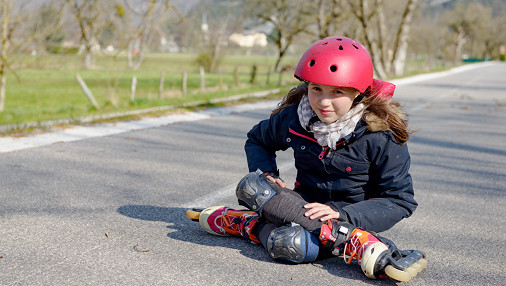
Creating a safe environment and adequate physical training can help reduce the risk of severe skeletal injuries. Children should always wear protective gear when rollerblading or cycling. Regular exercise strengthens the muscular corset, which protects the fragile skeleton from mechanical stress.

If a tibia fracture occurs, early diagnosis is the best defense against complications. Any tibia fracture in a child requires long-term observation until complete recovery.
Frequently Asked Questions

Parents often experience intense anxiety and ask specialists numerous clarifying questions about their children's health. Understanding the physiological processes occurring in the body helps effectively relieve stress. Below are detailed answers to the most common parental concerns.

How long does it take for a child's tibia fracture to heal?

The healing time depends on age, fracture type, and whether the fracture is displaced. On average, healing takes several weeks, but the doctor determines the exact time based on an examination and follow-up X-rays.

Can I put weight on my foot with a tibia fracture?

No, I shouldn't put any weight on it until the doctor clears me. Even if the pain has subsided, premature weight-bearing can disrupt healing.

When are follow-up X-rays needed?

Follow-up X-rays are taken as prescribed by a traumatologist to assess the bone alignment, the healing process, and rule out dislocation.

What should I do if swelling increases or my foot becomes numb after fixation?

You should see a doctor immediately. This could be a sign of too-tight fixation or poor circulation.

Our doctors

Polovnikova (Kroshkina) Valeria Alexandrovna
Experience 15 years
Make an appointment
Polovnikova (Kroshkina)
Valeria Alexandrovna
Traumatologist-orthopedist, pediatric
Lopatin Kirill Alexandrovich
Experience 16 years
Make an appointment
Lopatin
Kirill Alexandrovich
Traumatologist-orthopedist, pediatric
All specialists
2GIS Award
2GIS Award

This award is given to clinics with the highest ratings according to user ratings, a large number of requests from this site, and in the absence of critical violations.

«Good place» according to Yandex

This award is given to clinics with the highest ratings according to user ratings. It means that the place is known, loved, and definitely worth visiting.

Our doctors are laureates of the ProDoctors Award

The ProDoctors portal collected 500 thousand reviews, compiled a rating of doctors based on them and awarded the best. We are proud that our doctors are among those awarded.

Make an appointment at a convenient time on the nearest date

Price

Initial appointment with a pediatric traumatologist-orthopedist
from 8 950 ₽
Follow-up appointment with a pediatric traumatologist-orthopedist
from 7 950 ₽

Other Services

Treatment of hip sprain in a child Ankle injury in a child: treatment and recovery Calf muscle strain in children: symptoms and treatment Treatment of sprains in children: symptoms, first aid and recovery Treatment of pectoral muscle strain in children Treatment of muscle strains in children Hip sprain in children: symptoms and treatment Sprained Foot in Children: Treatment, Symptoms, First Aid, and Recovery Treatment of Achilles tendon strain in children First aid for bleeding in children: how to act quickly and safely Neck Strain in Children: Symptoms, Treatment, and Recovery Subungual hematoma in children: symptoms, first aid, and treatment in Moscow Wrist sprain in a child: symptoms, treatment, and recovery Subcutaneous hematoma in a child: symptoms, treatment, and first aid Treatment of the consequences of trauma in children Orthopedic rehabilitation for children in Moscow: recovery from injuries, surgeries, and musculoskeletal disorders Reduction of subluxations and dislocations in children Plaster cast application for a child: procedure, types of casts, and care Treatment for a child's shoulder sprain Soft tissue hematoma in a child: symptoms, first aid, and treatment Application of an immobilization bandage to children Swelling after a bruise in a child: treatment and first aid Hip contusion in a child: symptoms, first aid, and treatment Head injury in children: treatment, symptoms, and first aid Chest contusion in a child: symptoms, first aid, and treatment A child's post-injury hematoma: how to treat it, when to see a doctor, and what to do in the first few hours Hematoma on a child's arm: causes, symptoms, and treatment Treatment of a child's hand contusion: symptoms, first aid, and recovery Hematoma on a child's finger: first aid, treatment, and when to see a doctor Knee contusion in a child: treatment, symptoms, and first aid Bruised tailbone in a child: symptoms, first aid, and treatment in Moscow Elbow bruise in a child: symptoms, first aid and treatment Bruised leg in a child: symptoms, first aid and treatment Hematoma on a child's leg: causes, symptoms, first aid, and treatment Hematoma on a child's face: causes, first aid, and treatment in Moscow Treatment of groin strain in children Bruised nail in a child: treatment, first aid, symptoms, and recovery Hematoma on the head of a child: treatment and symptoms Eye hematoma in a child: treatment, first aid, and when to see a doctor Bruised ribs in children: treatment, symptoms, and first aid Back strain in children: symptoms, treatment, and recovery Soft tissue contusion in a child: symptoms, first aid, and treatment Treatment of a joint contusion in a child in Moscow: symptoms, first aid, diagnosis, and recovery Bruised nose in a child: treatment, first aid, and when to see a doctor Bruised Foot in a Child: Symptoms, First Aid, and Treatment in Moscow Bruised finger in a child: treatment, first aid, and when to see a doctor Back injury in a child: symptoms, first aid, and treatment in Moscow Bruised arm in a child: symptoms, first aid, and treatment Shoulder contusion in a child: symptoms, first aid and treatment Bruised ribs in children: symptoms, treatment, and first aid Treatment of fractures in children in Moscow Treatment of a jaw fracture in a child Compression fracture of the thoracic spine in children: treatment, diagnosis and recovery Humeral neck fracture in children: treatment, symptoms, and recovery Coccyx fracture in children: symptoms, treatment, and recovery Treatment of a broken nose in a child Patella fracture: treatment in children Sacral fracture in children: symptoms, diagnosis and treatment Treatment of metatarsal fractures in children Zygomatic bone fracture in a child: symptoms, diagnosis, treatment and recovery Conservative treatment of fractures in children: how is treatment performed without surgery? Functional method of treating fractures in children 24-hour trauma care for children: when urgent help is needed Clavicle fracture in a child Fracture of the tibial condyles in children Emergency traumatology for children: urgent care for injuries Pubic bone fracture in a child Sciatic bone fracture: treatment in children Olecranon fracture in children: treatment, symptoms, recovery Treatment of humeral fracture in children Sternal fracture in children Foot fracture in a child Cervical vertebrae fractures in children
Make an appointment

Appointment to the doctor
Fill out the form, our managers will contact you within 15 minutes
Почему К+31?
К + 31 — full-cycle multidisciplinary medical centers, including the possibility of providing medical services of European quality level.
К + 31 — are leading doctors and diagnostics using high-tech equipment from world manufacturers (Karl Storz, Olympus, Siemens, Toshiba, Bausch&Lomb, Technolas, Zeiss, Topcon).
К + 31 — is ethical. The staff of K+31 clinics maintain open relationships with patients and partners. An individual approach to each patient is the basis of our service standards.
К + 31 — is modernity. On call 24/7: call center operators will answer your questions at any time and book you an appointment with doctors. Contact us by phone, through the feedback form on the website and Max.

Our clinics

Address K+31 on Lobachevskogo

st. Lobachevskogo, 42/4

Contacts

+7 499 999-31-31

Opening hours

Mon-Fri: 08:00 – 21:00
Weekend: 09:00 – 19:00
Didn't find the service you were looking for?

Экстренная помощь