
Bruised tailbone in a child: symptoms, first aid, and treatment in Moscow
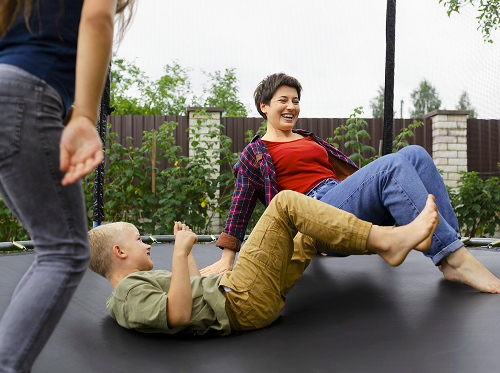
Children are constantly on the move. They run, jump, explore playgrounds, and often fall. Most of these falls result in a mild scar or a small abrasion. However, landing on the buttocks often leads to injury to the lower spine.
Parents should remember that a contused tailbone in a child is not a short-term pain that can be ignored. This injury should be monitored to prevent future problems.

specialists

equipment

treatment






Symptoms of a bruised tailbone in a child
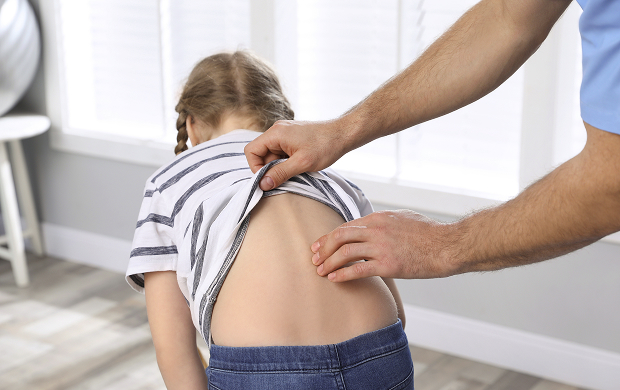
Parents need to be observant. A child may not always be able to accurately describe where and how the pain is. Young children may simply be capricious or refuse to sit on a chair, which should be a warning sign. Therefore, a bruised tailbone in a child can manifest itself in different ways.
Pain when sitting, standing, and walking
The most obvious sign is a complaint of discomfort. Typically, tailbone pain after a fall intensifies when the child tries to sit on a hard surface or get up from one. The pain may be dull or aching while walking.
If the injury is severe, the child will tend to shift weight to one side or walk with small steps to avoid disturbing the sacral area.
Swelling, bruising, or hematoma in the tailbone area
Visual signs don't appear immediately. Swelling of the tailbone can develop several hours after a fall. If you notice redness or swelling in the skin between your buttocks, it means vascular damage has occurred. A severe bruise on the tailbone indicates ruptured small capillaries.
Sometimes a dense mass can be felt under the skin—a hematoma, a collection of blood that can compress tissue and increase pain.
How can trauma manifest in toddlers and schoolchildren?
In children under 3 years of age, trauma often manifests as crying during bowel movements or when moving in the crib. They may not be able to tell where the pain is, but their behavior changes.
Schoolchildren may hide the fact that they fell, fearing they'll be scolded or banned from using gadgets. In this case, it's worth paying attention to how the child does their homework: if they constantly fidget, put their leg under them, or try to do everything standing up, they're likely suffering from symptoms of a tailbone contusion.
What to do immediately after a bruise
The first minutes and hours after an injury greatly influence how quickly the child recovers. If parents act correctly, swelling is usually less, and the risk of complications is reduced.
Rest and limitation of activity
If a child hits their tailbone, the first thing to do is immediately stop all activity. Don't ask them to move or continue playing. It's best to lay the child on their stomach on a flat surface. This way, the injured area rests, and swelling of the soft tissues usually decreases.
Cold in the first hours after the blow
First aid for a bruised tailbone begins with cold. Ice, a bag of frozen vegetables, or a special gel pack are suitable for this. A cold compress should not be applied directly to the skin, so it should be wrapped in a thin cloth or towel.
Next, parents should proceed calmly and in order:
- Lay the child on their stomach on a flat surface.
- Apply a cold compress to the affected area for 10-15 minutes.
- Take a 20-minute break and repeat.
- Avoid running, jumping, and other vigorous movements for 24 hours.
- Monitor the child's skin color and general condition.
This first aid for a bruised tailbone helps reduce pain and swelling. If the child does not feel better within an hour and the pain only gets worse, it is better not to limit yourself to home treatment.
How to help a child at home safely
The main rule in the first few days is to avoid heating the injured area. Many people mistakenly apply a heating pad or warming ointment to relieve pain. This should be avoided in the first 2-3 days, as heat dilates blood vessels and increases swelling and inflammation.
To make your child feel better, it's acceptable to use children's anti-inflammatory medications, but only if they are age-appropriate and there are no contraindications.
How a doctor diagnoses a coccyx injury
When you come to the clinic, it's important to describe in as much detail as possible how exactly the fall occurred. This will help the specialist understand the mechanics of the injury.
Examination and complaints
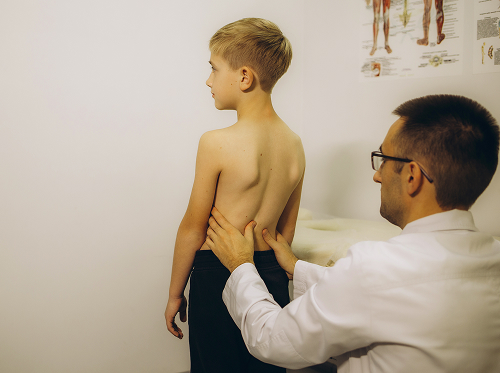
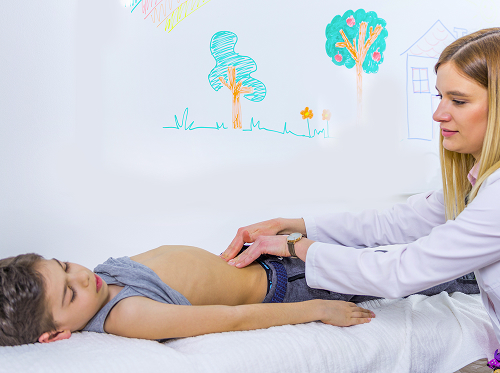
The attending traumatologist or pediatrician first performs a visual examination. The doctor checks for deformities, assesses the degree of swelling, and localizes the pain through palpation. The doctor may ask the child to:
- Bend the legs
- Bend over
- Walk around
This is necessary to check the range of motion in the hip joints and lower back.
When X-rays or other tests are prescribed
If bone damage is suspected, the doctor will order an X-ray of the coccyx. This test is considered standard and helps determine whether there are cracks or displacements.
If the situation is more complex and ligaments, nerve plexuses, and soft tissues need to be assessed, an MRI may also be prescribed. It provides a more detailed picture of this area.
Bruise or fracture: why it's important not to guess on your own
It's almost impossible to tell the difference between a bruise and a fractured coccyx on your own. Even an experienced doctor can't always give a 100% guarantee without an X-ray. With a fracture, the pain is often diffuse and radiates to the perineum or legs, while with a contusion, it's more localized. However, you shouldn't risk your child's health: an improperly healed fracture can lead to chronic pain in adulthood and spinal problems.
| Symptom | Bruise | Possible fracture/crack | What to do |
|---|---|---|---|
| Pain | Moderate, worsens when sitting | Sharp, acute pain, inability to sit | If a fracture is suspected, consult a traumatologist immediately. |
| Swelling/hematoma | Localized swelling, bruising Coccyx | Severe swelling, extensive hematoma | Immediately stop exertion |
| Function | Walking is possible, discomfort | Severe pain when walking, inability to bend | Moscow: Call an ambulance or see a doctor immediately |
| Additional Signs | Goes away within a few days | Numbness, problems with bowel movements | Urgent hospitalization |
General information
Treatment of a contused tailbone in a child
What to do if you have a contused tailbone? If a contusion is diagnosed, treatment is usually carried out at home under the supervision of a doctor. The main goal of rehabilitation is to reduce inflammation and allow the tissue to heal.
Pain Relief and a Gentle Exercise
Treatment of a contused tailbone in a child primarily requires rest and limited activity. In the first few days, it is advisable for the child to lie down more and move less. If the pain is severe and interferes with sleep or walking, the doctor will prescribe pain relief. Nonsteroidal anti-inflammatory drugs (NSAIDs) are usually used in the form of suppositories, syrups, or ointments, provided there are no breaks in the skin. They should be used strictly according to the instructions and not longer than the recommended period.
How to Sit and Sleep During Recovery
During treatment of a contused tailbone, sitting should be limited as much as possible. If a child needs to exercise, it's best to use a special ring-shaped orthopedic pillow. This allows the body weight to be transferred to the ischial tuberosities, leaving the tailbone "in the air." Sleeping on the side or stomach is recommended to avoid putting unnecessary pressure on the injured area.
How long does it usually take for a bruise to heal?
The acute condition of such a childhood injury usually resolves within 3-5 days. Full tissue recovery can take from two weeks to a month.
During this period, it's not recommended to return to exercise or physical education. A gradual return to activity is only possible once any pain in the tailbone after the fall has completely disappeared, including when applying pressure.
FAQ
How can you tell if your child has a bruised tailbone and not a fracture?
What should you do in the first few hours after a tailbone injury?
How long does a tailbone bruise last?
When should you urgently seek medical attention?



This award is given to clinics with the highest ratings according to user ratings, a large number of requests from this site, and in the absence of critical violations.

This award is given to clinics with the highest ratings according to user ratings. It means that the place is known, loved, and definitely worth visiting.

The ProDoctors portal collected 500 thousand reviews, compiled a rating of doctors based on them and awarded the best. We are proud that our doctors are among those awarded.
Make an appointment at a convenient time on the nearest date
Price
Other Services

Appointment to the doctor



Our clinics


Application “Personal Account K+31”












What is a tailbone contusion and why is it common in children?
The coccygeal region is located in the lower part of the spine. It is formed by several fused or semi-mobile vertebrae. This area is not purely functional: it is the attachment site for muscles and ligaments associated with the pelvic organs and genitourinary system. In children, this region is considered more vulnerable because the body is still growing.
How does a bruise differ from more serious injuries?
It is important to distinguish between simple soft tissue damage and bone integrity disruption in childhood trauma. A bruise damages the muscles, subcutaneous tissue, and blood vessels, while the coccygeal segments themselves remain in place.
If a fracture or dislocation occurs, vertebral displacement may occur, which threatens the normal functioning of the pelvic floor. In this case, coccyx pain after a fall will have a different character – it becomes sharp, shooting, and rarely subsides with rest.
It is extremely difficult to understand the difference on your own. Therefore, any suspicious injury requires examination by a specialist.