
Bruised finger in a child: treatment, first aid, and when to see a doctor
A finger bruise in a child is a closed injury to the finger, which damages the soft tissue without an obvious bone fracture. It occurs with a blow, fall, or compression. It is one of the most common childhood injuries: children bruise their hands or feet while playing, running, or at home.
At first glance, a finger bruise may seem minor. However, in children, anatomical differences make even a minor injury potentially more serious. A bruise may mask a finger fracture, a bone fracture, or a finger dislocation.

specialists

equipment

treatment






Symptoms of a bruised finger in a child
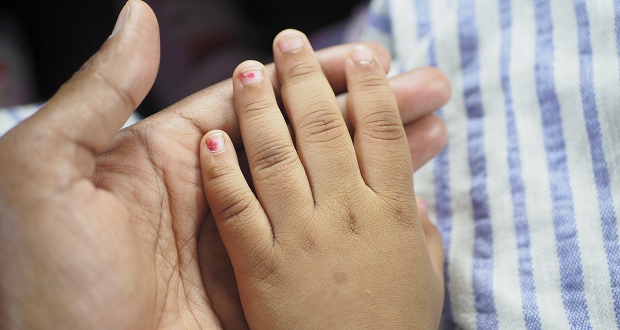
Clinical manifestations can vary in severity, but there are typical signs that suggest a finger contusion.
Pain, swelling, and redness
The first symptom is finger pain. It occurs immediately after the injury and intensifies when attempting to move the finger. If the child remains still, the finger does not hurt.
Swelling of the finger then appears. It can be localized (located at the site of the impact) or spread to the entire finger. The skin becomes red and hot.
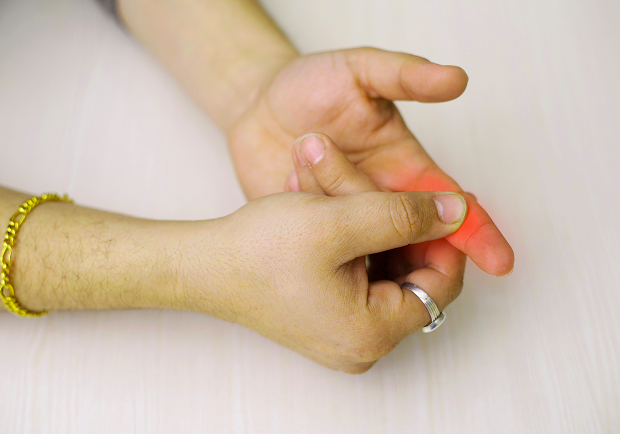
Bruise, hematoma, and limited motion
After some time, a bruise appears on the finger as a result of damaged blood vessels. Sometimes, a large hematoma develops.
Movement becomes painful:
- Limited mobility occurs
- The child spares the injured finger
- Pain increases with movement
Nail Injury and Subungual Hematoma
If the injury affects the nail plate, a subungual hematoma may develop. The nail darkens, and throbbing pain develops.
Nail injury is a serious problem. In some cases, removal of the nail plate is required to remove pus.
How to provide first aid for a bruised finger
First aid for a bruised finger should be provided immediately after the injury. This reduces swelling and pain.
What to do in the first minutes after the injury
First aid for a bruised finger should be provided immediately after the injury. Parents should:
- Stop playing and calm the child
- Examine the finger to determine if there is a bruise or deformity
- Apply a cold compress through a cloth (you can use ice or frozen vegetables from the refrigerator)
- Ask the child not to move the arm or leg with the injured finger
- If severe pain, swelling, or inability to bend the finger occurs, consult a doctor
Cold, rest, and elevate the limb
A cold compress should be applied for 10-15 minutes with breaks. This will reduce pain in the finger and stop the swelling from spreading.
Ask the child to elevate the leg or arm with the injured finger. This is necessary to reduce the strain on the joint and ligaments.
What not to do
If you bruise your finger, do not:
- Warm the injured area (at least for the first 24 hours)
- Massage the injured area
- Lance a subungual hematoma yourself
- Bandage it tightly (unless prescribed by a doctor)
- Endure severe pain and ignore the deformity
How does a doctor determine whether it is a bruise, fracture, or dislocation?
Sometimes, distinguishing a finger bruise from a more serious injury is only possible after an examination.
Examination and assessment of complaints
The doctor evaluates:
- The nature of the pain (sharp, aching, constant, or with movement)
- The degree of swelling
- The presence of a hematoma
- The range of motion
The doctor also clarifies how exactly the child injured the finger.
When an X-ray or additional diagnostics are needed
An X-ray is prescribed if a finger fracture or bone fracture is suspected. Indications:
- Severe pain
- Severe swelling
- Deformity
- Inability to move
X-rays can accurately rule out bone damage.
Why is it important not to miss hidden injuries in children?
Children can have "hidden" injuries, especially in the growth plate. Even a seemingly minor finger bruise may have a fracture.
"In my practice, a finger bruise in children often appears harmless, but severe pain or a subungual hematoma can conceal a more serious injury. Therefore, it is important to evaluate not only the appearance but also the function of the finger."

General information
How to treat a bruised finger in a child
Treatment for a bruised finger depends on the severity of symptoms and the presence of complications.
Treatment for a Mild Bruise
If symptoms are moderate, treatment for a bruised finger includes:
- Rest
- Cold compress for the first 24 hours
- Limit weight-bearing
- Monitoring
This treatment for a bruised finger is effective, and the condition improves within a few days.
What to do if there is severe pain and swelling
If symptoms are severe, you may need:
- Immobilization of the finger
- Pain relief
- Doctor's supervision
In this case, treatment of the finger contusion is carried out under the supervision of a specialist.
Treatment considerations for nail injuries
If there is a hematoma in the subungual plate, a consultation with a traumatologist or dermatologist is necessary. Do not attempt to open or pierce the hematoma yourself.
An injured nail may grow abnormally, so self-medication is dangerous; a doctor's help is needed.
How long does recovery usually take?
Recovery from an injury is usually straightforward. A mild finger contusion heals in 3-5 days. If surgical intervention was required, healing may take up to 2-3 weeks.
If symptoms persist, a follow-up examination by a doctor is necessary.


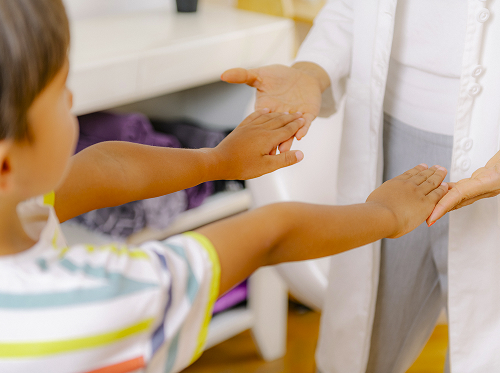
It's impossible to completely eliminate injuries, but the risk can be reduced.
How to reduce the risk of household injuries
It's important to ensure your child has a safe place to play and move around at home, free of unnecessary factors that could easily cause a finger injury.
Parents should:
- Make your home safe: remove rugs and place soft corner guards
- Remove unstable furniture and objects from reach
- Buy your child comfortable, non-slip shoes
- Clear passageways so your child can play indoors
What's important to explain to your child
Explain safety precautions. It's best to use simple phrases and repeat them in familiar situations: at the door, on the playground, during active play at home.
Explain that they shouldn't put their fingers in doors, cracks in furniture, drawers, or moving mechanisms. When playing, they should watch where they place their hands and feet, avoid running in dark rooms, and avoid touching heavy or unstable objects unless an adult is nearby.
Explain that if a finger hurts, swells, or bruises, they shouldn't hide it from adults. Any injury should be reported to a parent immediately, even if the bruise seems minor.
Table: How to distinguish between a bruise, fracture, and dislocation
| Symptom | Bruise | Fracture | Dislocation |
|---|---|---|---|
| Pain | Moderate, relieved by rest | Sharp, constant | Severe |
| Swelling | Localized | Severe | Rapid |
| Movements | Limited | Sharply painful | Impaired |
| Deformity | None | Possible | Often present |
| Tactics | Rest, cold | X-ray, treatment | Reduction by a doctor |
FAQ
How can you tell if your child has a bruised finger and not a fracture?
What should you do immediately after a child bruises their finger?
Should I get an X-ray if I bruise my finger?
How long does it take for a child's finger bruise to heal?



This award is given to clinics with the highest ratings according to user ratings, a large number of requests from this site, and in the absence of critical violations.

This award is given to clinics with the highest ratings according to user ratings. It means that the place is known, loved, and definitely worth visiting.

The ProDoctors portal collected 500 thousand reviews, compiled a rating of doctors based on them and awarded the best. We are proud that our doctors are among those awarded.
Make an appointment at a convenient time on the nearest date
Price
Other Services

Appointment to the doctor










Our clinics


Application “Personal Account K+31”












What is a finger contusion and why is it dangerous for children?
Why a child's injury may appear more severe than an adult's
Tissue reactions in children are more pronounced. Finger swelling quickly appears, a bruise forms on the finger, and pain intensifies even with minor impact. This is due to the active blood supply and sensitivity of soft tissues.
An additional factor is the presence of a growth plate. It can be damaged during an injury, which is not always immediately apparent. Therefore, a finger bruise in a child requires observation, even with moderate symptoms.
Which fingers are most often injured?
Children most often injure their fingers. This occurs for various reasons, including being pinched by doors, blows, or falls.
The thumb, index finger, and little finger are most often affected.
A stubbed toe can occur when running barefoot or hitting a hard surface.