
Subcutaneous Hematoma in Children: Symptoms, Treatment, and First Aid
Any childhood injury requires careful attention. When a child is injured, parents first pay attention to the skin. If the skin is intact, but a dark spot and swelling appear, this indicates a blood clot in the tissue. Prompt first aid for a hematoma can significantly shorten the recovery period and prevent complications.

specialists

equipment

treatment



Why does subcutaneous hematoma appear in children?
Children's bodies have their own anatomical characteristics: their blood vessels are more fragile, and their subcutaneous tissue is looser than that of adults. This contributes to the development of extensive hemorrhages under the skin even with minor impact.
Contusions, Falls, and Household Injuries
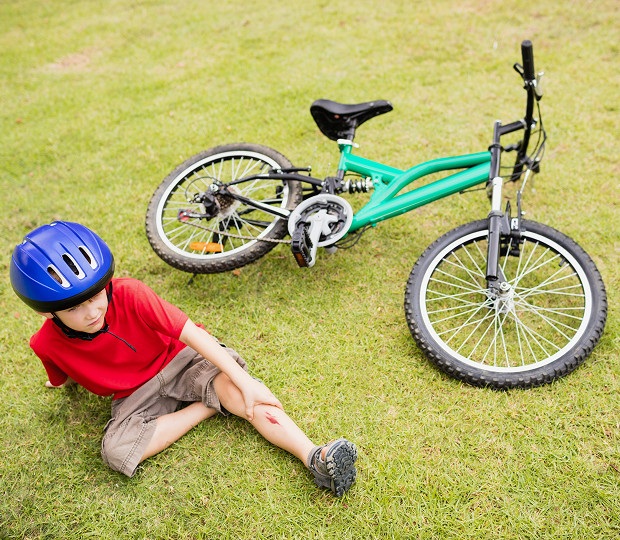
A hematoma after a bruise is a common accompaniment to falls at home or outdoors. Children hit themselves on the corner of a table, fall off a sofa, or get their foot caught in a door. The shins, forearms, and forehead are most often affected.
Sports and Active Play
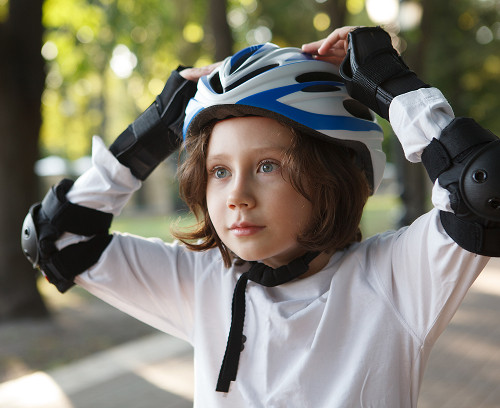
Collisions and falls from bicycles, scooters, or swings lead to more serious consequences. In this case, the child develops a hematoma, abrasions, and swelling.
When the cause may be other than a bruise
If you notice bruises appearing for no apparent reason or with the slightest touch, consult a doctor. This is the first sign of a vitamin deficiency (such as C or K) or a blood disorder. Your pediatrician will order tests to rule out systemic diseases.
What does a subcutaneous hematoma look like and what symptoms are considered normal?
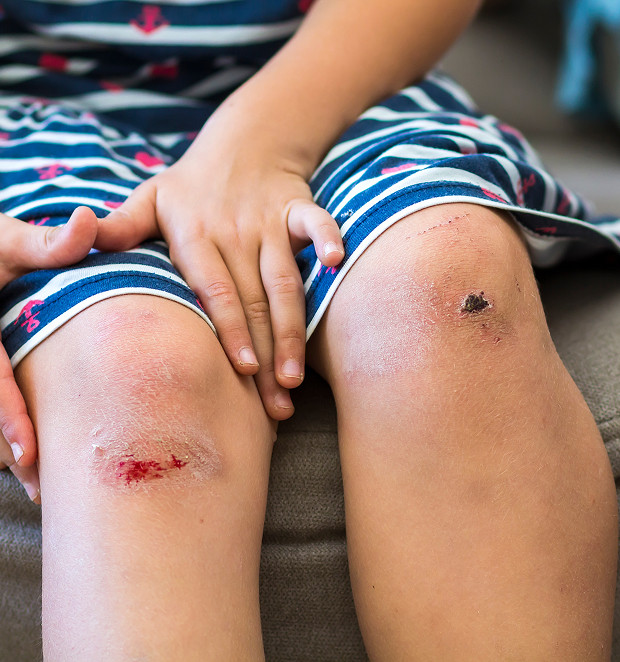
The majority of symptoms appear in the first minutes and hours after the impact. There's no need to panic; this is a natural reaction.
Color, Size, and Soreness
Immediately after the injury, the skin may simply turn red. After some time, a purple or bluish tint appears. Soreness develops. Pain may intensify over the next 48 hours, which is also normal.
Swelling, Puffiness, and Induration
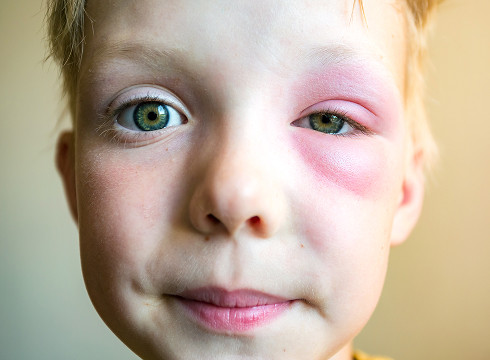
Swelling is the body's protective response. Swelling usually resolves within 2-5 days. If this doesn't happen, the child should be seen by a doctor again.
How a Hematoma Changes as It Resolves
One of the unique characteristics of a hematoma is its color change as hemoglobin breaks down. This process is called the "blooming" of a bruise:
- Days 1–2: Blue, purple, or crimson color
- Days 3–5: Blue-green tint
- Days 7–10: Yellowish or brown color
Gradual absorption indicates that the body is coping with the effects of the injury on its own.
When a subcutaneous hematoma in a child is dangerous
It's important to look not only at the site of the injury, but also at the child's general behavior.
Signs of complications
If the blood inside the hematoma becomes infected, suppuration begins. In this case, the redness around the injury site intensifies, the skin becomes hot to the touch, and the pain becomes throbbing.
Worrying symptoms after a blow
Signs that require urgent medical attention
- The hematoma is rapidly increasing in size
- The pain does not subside after taking painkillers and interferes with the child's sleep.
- There is limited movement; the child is afraid to move the injured body part.
- The skin at the site of the blow is hot and throbbing.
- The child hit their head and is vomiting, pale, drowsy, or lethargic.
- Body temperature has risen above 37.5°C.
When urgent care is needed.
If the hematoma is located near the eye, ear, neck, or groin, consult a doctor. mandatory regardless of the extent of the damage.
First Aid for Subcutaneous Hematoma
Correct actions in the first 15–20 minutes after an injury determine the extent of the hematoma and how quickly recovery occurs.
Cold compress in the first hours
The most effective remedy is a cold compress. Cold causes blood vessels to constrict, which stops bleeding into the tissue. The ice or cold object should be wrapped in a clean cloth to prevent frostbite. The cold should be applied for 10-15 minutes.
Rest and Monitor the Child
After an injury, a child needs rest. If the leg is bruised, it's best to lie down, elevating the limb on a pillow—this will reduce blood flow and swelling. Monitor the child's progress: if the swelling hasn't increased and the child has calmed down, there's no reason to panic.
What Not to Do at Home
- Avoid applying heat to the bruised area for the first two days, as this will only increase swelling.
- Avoid massaging or rubbing the swelling, as this may cause bleeding.
- Avoid opening or puncturing the skin, as this can introduce an infection.
General information
How a Doctor Diagnoses a Subcutaneous Hematoma
If home remedies don't help or the injury appears serious, you should contact an emergency room or clinic. A specialist will conduct a professional assessment of the injury.
Examination and Collection of Complaints
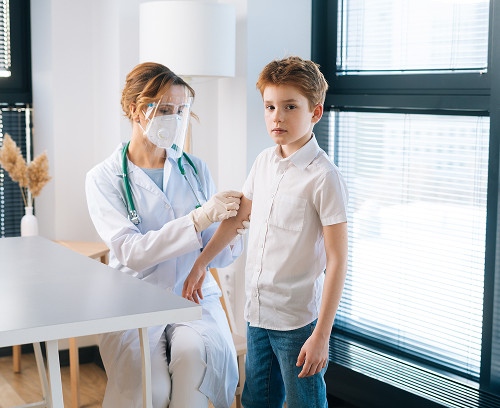
The traumatologist begins the appointment with a visual examination and palpation. The doctor checks for preserved skin sensitivity and for signs of damage to deep structures such as muscles, tendons, or periosteum. It is important to be honest about how the injury occurred and what first aid for the hematoma was administered at home.
When Additional Tests Might Be Needed
If the swelling is very large and there is a suspicion of internal organ damage (in the case of abdominal or back contusions), an ultrasound of the soft tissues or abdominal organs is performed. This allows for an accurate determination of the volume of accumulated blood.
Frequently Asked Questions
How does a subcutaneous hematoma differ from a regular bruise?
When is a hematoma in a child dangerous?
Can a subcutaneous hematoma be treated at home?
How long does a subcutaneous hematoma in a child last?
Small hematomas resolve in 5-7 days. Large ones take 2-3 weeks. If there is no improvement within a week, consult a doctor.
"In pediatric practice, I always look not only at the size of the hematoma but also at its dynamics: is the swelling growing, is the pain increasing, can the child move normally, and have any general symptoms developed. This is what helps determine whether urgent care is needed or whether home observation is sufficient," the pediatric traumatologist emphasizes.
A subcutaneous hematoma in a child is most often treated with a cold compress. If you have any doubts about the safety of the injury, consult a traumatologist.



This award is given to clinics with the highest ratings according to user ratings, a large number of requests from this site, and in the absence of critical violations.

This award is given to clinics with the highest ratings according to user ratings. It means that the place is known, loved, and definitely worth visiting.

The ProDoctors portal collected 500 thousand reviews, compiled a rating of doctors based on them and awarded the best. We are proud that our doctors are among those awarded.
Make an appointment at a convenient time on the nearest date
Price
Other Services

Appointment to the doctor





Our clinics


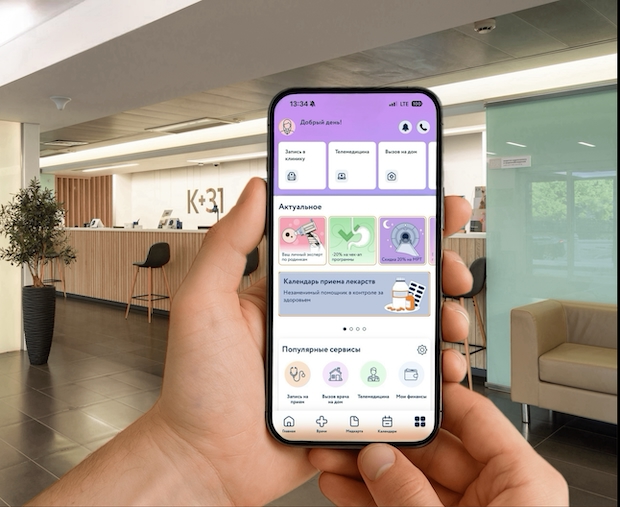
Application “Personal Account K+31”











What is a subcutaneous hematoma in a child?
In medical practice, a subcutaneous hematoma is a collection of blood that occurs due to damage to blood vessels in the subcutaneous fat or muscle. Unlike superficial injuries, this is an internal process that has its own stages of development.
How a subcutaneous hemorrhage occurs
When a severe bruise occurs, mechanical force ruptures the walls of small capillaries or larger vessels. Blood leaks out under pressure and soaks into the surrounding soft tissue or forms a cavity. If the vessel was large, a noticeable thickening occurs. The volume of blood leaked directly affects the severity of pain and the length of healing.
How a subcutaneous hematoma differs from a regular bruise
Many parents use these terms interchangeably, but there is a difference. A common bruise in a child is a superficial blood saturating the skin, not accompanied by significant volume. A subcutaneous hematoma is characterized by a blood-filled cavity, more pronounced tissue bulging, and noticeable tenderness when pressure is applied. A hematoma is always accompanied by swelling and a localized increase in temperature at the site of the impact.