
Swelling after a bruise in a child: treatment and first aid
Children don't sit still. This is normal. Jumping, running, or falling from a regular chair often leads to injuries. And usually, parents immediately notice swelling after a child's injury. This can be frightening, because it's not immediately clear whether it's time to go to the hospital or whether they can handle it themselves.
Here's the main rule: a child's injury is not something to panic about. You need to act quickly and without unnecessary fuss.

specialists

equipment

treatment






First aid for a child after a bruise
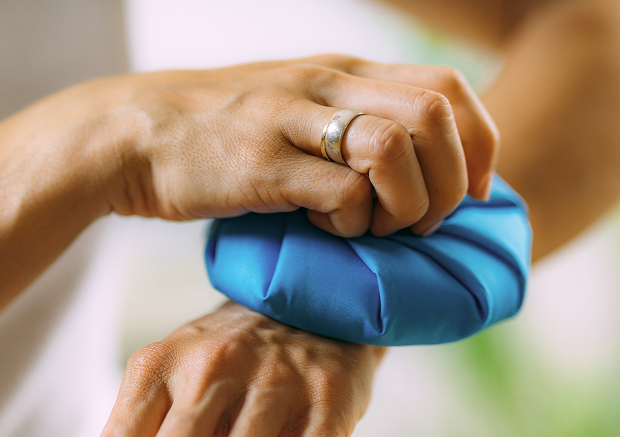
The speed of your reaction in the first few minutes determines how severe the swelling will be later. Proper first aid for a bruise helps constrict blood vessels and reduce the amount of effusion in the tissue. This significantly shortens the recovery time.
Cold in the First Hours
Cold is needed within the first few minutes after the impact. Take something from the freezer and wrap it in a napkin or cloth. Applying ice directly to the skin is not recommended, as it can cause frostbite.
The key is physiological: cold constricts blood vessels. Blood flow to the injured area is reduced.
A cold compress is applied in short sessions of 10-15 minutes. Repeat the procedure every half hour for the first 24 hours. This is the most effective treatment. Forget about heat for a while: it will dilate blood vessels, causing the area of the impact to swell even more.

Rest and reduce stress
After applying cold, keep your child resting. If the injury is to a leg, avoid running and jumping for at least the next 24 hours. Excessive stress on damaged soft tissue can lead to recurrent microbleeds.
Try to engage your child in quiet activities: reading, watching cartoons, or drawing. If the injury was to an arm, it's best to immobilize it in a bent position with a sling. This will relieve excess tension on the muscles and ligaments.
Elevate the limb
To help fluid drain more quickly from the inflamed area, use gravity. Elevating the injured body part helps improve venous and lymphatic drainage.
- If the leg is bruised, place a pillow or bolster under it so that the foot is slightly above heart level.
- If the arm is injured, also try to keep it elevated when the child is lying down.
These simple steps help reduce swelling after an injury much faster than using many expensive ointments.
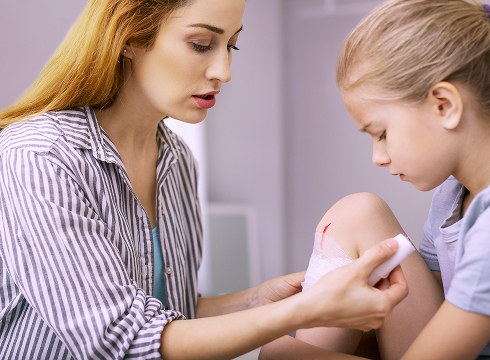
How to treat swelling after a bruise
Once the acute phase of the first few hours has passed, planned therapy begins. The goal of our clinic's doctors is to select safe recovery methods.
We tailor treatment individually to ensure the injury is not ignored and to completely eliminate unnecessary medication loads on the child's body.
When home care is sufficient
When the consequences of a child's injury manifest themselves solely as a small bruise and mild swelling, a visit to the doctor is not necessary. The main task of parents during this period is to closely monitor the child's condition. By the second day, the swelling should stop increasing or begin to subside.
To speed up recovery, the use of topical medications is permitted:
- Heparin-containing medications promote the absorption of bruises.
- Herbal ointments with arnica provide an anti-inflammatory effect.
- Cooling gels reduce the feeling of tissue distension.
These medications should only be applied to intact skin. If scratches or open abrasions are present, their use is contraindicated until the epidermis has completely healed.
Which medications should only be used as prescribed by a doctor?
Many parents, when shopping at the pharmacy, forget that pain relief for children has strict dosages and restrictions. Nonsteroidal anti-inflammatory drugs (NSAIDs) in tablet or syrup form should be prescribed by a pediatrician.
The same applies to strong ointments with hormonal components or a warming effect. The latter should not be used at all during the first two days. If you feel that conventional measures are not helping, do not try to prescribe a medication on your own: make an appointment with a specialist.
How long does swelling usually last?
Recovery times are always individual. They depend on the force of the blow, the location of the injury, and the child's physical characteristics. Swelling after a bruise in a child typically peaks 24–48 hours after the incident. After this, the subsidence phase begins:
- Days 1–3: The swelling is firm and may be tender to the touch.
- Days 4–7: The swelling softens and begins to subside, and the bruise changes color.
- Days 7–10: In most children, signs of the injury disappear completely.
If, after three days, the swelling has not subsided or, conversely, has become hard and hot, this is cause for concern.
General information
When to see a doctor urgently
Even the most ordinary blow can lead to problems. To avoid missing a serious injury, it's important to monitor your child's well-being and know when it's time to go to the hospital.
Signs of a Fracture or Dislocation
If a fracture occurs, the first thing that affects mobility is the ability to move. If a child is sparing an arm or leg or can't use it, this is a serious sign.
Seek medical attention if you see:
- A bone or joint has clearly changed shape
- The limb has become too mobile
- The pain does not subside, but throbs
- A characteristic crunching sound was heard
Dangerous symptoms after a blow
If the blow hits vital areas, swelling from the bruise is secondary. In such cases, a soft tissue bruise can be dangerous due to hidden consequences.
Call an ambulance immediately if your child:
- Vomiting or severe nausea begins
- They become drowsy or lethargic
- Their pupils are different sizes
- The skin has suddenly turned pale
- Severe abdominal pain
When is diagnostic testing needed?
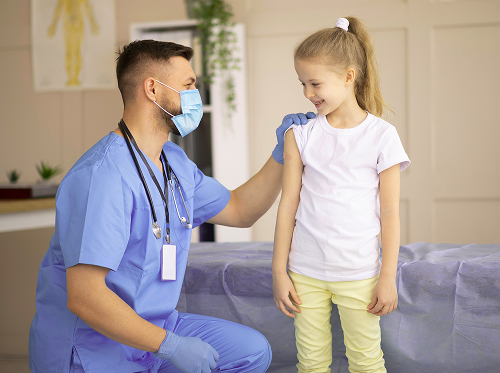
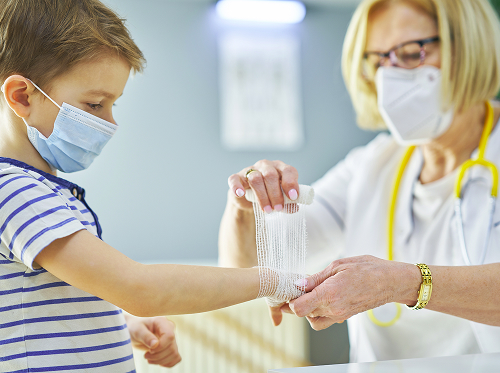
If your child's bruise doesn't heal quickly, it's time to see a doctor. A traumatologist will assess the condition and determine if further tests are needed.
We use:
- X-rays: to check bone integrity
- Soft tissue ultrasound: to detect deep lesions
- MRI or CT scan: for in-depth analysis of joints and internal organs
Diagnostics help rule out complications and ensure the child is doing well.
FAQ from parents
Pediatricians and traumatologists often ask certain questions. We've compiled them here for your convenience.
How long does it take for swelling to subside after a child's injury?
Can I apply heat to a bruise in the first 24 hours?
What should you do immediately after an injury?
When should you urgently seek medical attention?
Doctor's quote:
"In pediatric practice, we always look not only at swelling but also at how the child moves the limb. If the swelling increases and the pain doesn't subside, it's best not to wait and take the child to the doctor."
Any soft tissue injury is a test for a parent's nervous system. However, your reassurance and correct actions help the child cope with stress and pain more quickly.
Remember: most childhood injuries heal without leaving a trace if proper first aid is provided promptly and recovery recommendations are followed.
Be attentive to your children and don't be afraid to seek professional help when necessary.



This award is given to clinics with the highest ratings according to user ratings, a large number of requests from this site, and in the absence of critical violations.

This award is given to clinics with the highest ratings according to user ratings. It means that the place is known, loved, and definitely worth visiting.

The ProDoctors portal collected 500 thousand reviews, compiled a rating of doctors based on them and awarded the best. We are proud that our doctors are among those awarded.
Make an appointment at a convenient time on the nearest date
Price
Other Services

Appointment to the doctor





















Our clinics


Application “Personal Account K+31”












Why does swelling appear after a bruise?
When a collision with a hard surface occurs, the blood vessels and subcutaneous tissue are the first to suffer. The skin may remain intact, but certain processes begin internally.
Swelling after a bruise is not a random occurrence, but the result of damage to small capillaries and lymphatic vessels. Fluid from these vessels leaks into the surrounding space, causing the tissue to swell.
What happens in tissues during a bruise
A blow causes sudden compression. Soft tissues are literally pressed against the bones. The pressure ruptures small vessels. Blood and lymph leak out, causing swelling. A bruise in a child is severe: their fatty tissue is loose, and the vessel walls are too thin.
The body immediately activates a defense mechanism: inflammation. This is necessary for tissue repair. The site of the injury becomes hot. Blood flow there slows, and a hematoma forms. It will change color from purple to yellow as it heals. This is a normal physiological process.
When is swelling considered a normal reaction?
Mild swelling in the first hours after a fall is normal. If the child is active, doesn't cry out in pain, and moves their leg or arm comfortably, there's no reason to panic. A bruise usually heals on its own.
Signs that the injury is healing properly:
In such cases, swelling after a bruise is treated at home. The main thing is to follow the procedure and not try questionable methods on the child.