
Subungual hematoma in children: symptoms, first aid, and treatment in Moscow
Children's play is associated with falls and injuries. One of the most painful and frightening situations for parents is a child's finger injury.
A subungual hematoma is a collection of blood in the space between the nail bed and the nail plate itself. Due to the confined space, the blood presses on the nerve endings, causing pain.
If you experience these symptoms, you should go to the emergency room. The doctor will examine the finger and, if necessary, order an X-ray.

specialists

equipment

treatment



How to recognize a subungual hematoma in a child
Symptoms appear almost immediately after the injury. The key is to properly assess the extent of the damage.
Main symptoms: pain, darkening of the nail, swelling
Pain occurs at the moment of impact. You will then notice a darkening of the nail—first red, then bluish or black. A characteristic symptom is a throbbing pain that intensifies when lowering the arm or leg. Severe swelling of the finger is also common, making it difficult for the child to bend the phalanx.
When to suspect a more serious injury
If the finger appears deformed, the child cannot move it, or the swelling extends to the entire hand or foot, a fracture may be present. In such cases, a subungual hematoma in a child is just the tip of the iceberg. If a large area of damage (more than 50% of the nail surface) is visible under the nail, the risk of damage to the nail bed is very high, requiring specialist intervention.
How does a subungual hematoma differ from a regular bruise?
With a regular soft tissue bruise, the bruise is located on the skin. With a hematoma, the blood is trapped under the hard tissue. To help parents understand the differences, we've provided a comparison table.
| Condition | Main symptoms | Recommended actions |
|---|---|---|
| Mild bruise | Mild pain, redness of the skin, no darkening under the nail | Apply cold, observe at home |
| Subungual hematoma | Dark spot under the nail plate, throbbing pain, severe swelling | Consult a doctor; if pain occurs, drain the nail |
| Suspected fracture | Severe pain, finger deformity, abnormal mobility | Urgent finger X-ray and surgical examination |
First aid after a blow or pinched finger
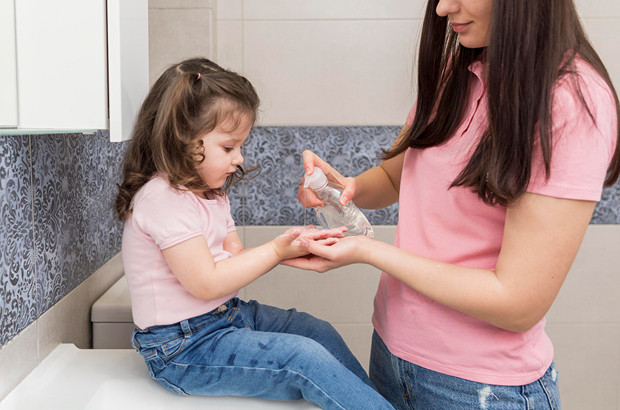
First aid is aimed at disinfecting the wound.
What can be done at home in the first hours
First, apply cold (ice through a cloth) for 10-15 minutes. This will constrict blood vessels and reduce the volume of bleeding. If the skin is damaged, treat the wound with an antiseptic (chlorhexidine, miramistin). It's best to keep the injured limb elevated—this will help reduce swelling of the finger.
What not to do: puncture, heat, or apply pressure
Do not attempt to pierce the hematoma or squeeze out the blood. Maintaining sterility at home is impossible, which can lead to infection. Also, avoid applying heat to the bruised area, as heat dilates blood vessels and increases the volume of the hematoma, increasing pain.
When to Call a Doctor Right Away
Contact a doctor immediately if your child notices:
- Severe pain that interferes with sleep
- There is an open wound or a suspected fracture
- A hematoma does not resolve over a long period of time
- The nail has begun to peel or become loose
General information
How a Doctor Diagnoses an Injury
When you bring your child to the clinic, a pediatric traumatologist conducts a thorough examination. In Moscow, medical centers are equipped to quickly diagnose the injury on the same day.
Finger Examination and Pain Assessment
The doctor checks sensitivity, joint mobility, and the degree of hematoma pressure on the tissue. The integrity of the nail folds and the presence of signs of inflammation are assessed.
When an X-ray is needed
A finger X-ray is almost always ordered if the blow was severe or if the finger was pinched by a heavy door. This is the only reliable way to rule out a fracture of the distal (nail) phalanx, which often accompanies such injuries.
How to Rule Out a Fracture and Damage to the Nail Plate
The X-ray will show the presence of cracks or comminuted fractures. If the bone is normal, but the nail plate is damaged or torn, fixation or partial removal is required to restore the nail bed.


It's impossible to completely protect a child from injury, but you can minimize the risks at home.
Safety at Home and While Out
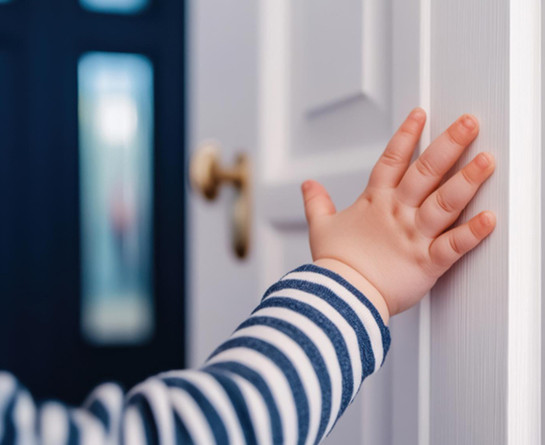
Children most often injure their toes when closing doors. To prevent this, explain safety precautions to your child and install door stops. Buy your child high-quality shoes with a hard toe cap to protect their toes from accidentally hitting rocks or curbs.
How to Reduce the Risk of Re-Injury
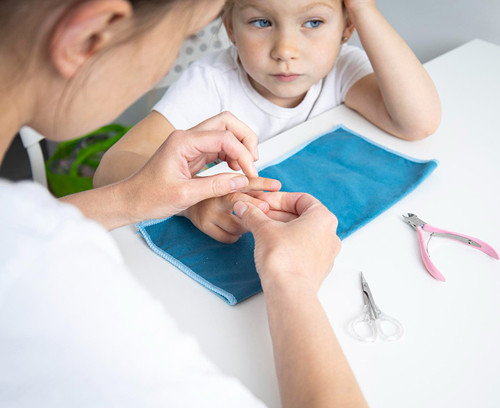
Explain safety rules to your child: don't put your fingers in door cracks and close cabinets carefully. If your child has already injured their toe, it's important to trim the nail as it grows to prevent it from getting caught on clothing and further peeling.
Frequently Asked Questions
How can I tell if my child has a subungual hematoma?
Should I drain a subungual hematoma at home?
When is an X-ray needed after a finger injury?
How should I care for my finger after treatment?
Conclusion
A subungual hematoma in a child can be very painful. Parents are responsible for monitoring their child and their condition.
Proper treatment of a subungual hematoma can help return a child to a normal, active life.
"In children, even a minor finger injury can mask a more serious injury. We always first assess the pain, the condition of the nail, and rule out a fracture before choosing a treatment plan," notes a pediatric traumatologist.
If you encounter this problem in Moscow, do not self-medicate. Seeking medical attention within the first few hours after the injury will ensure proper nail recovery and peace of mind for your child's health.



This award is given to clinics with the highest ratings according to user ratings, a large number of requests from this site, and in the absence of critical violations.

This award is given to clinics with the highest ratings according to user ratings. It means that the place is known, loved, and definitely worth visiting.

The ProDoctors portal collected 500 thousand reviews, compiled a rating of doctors based on them and awarded the best. We are proud that our doctors are among those awarded.
Make an appointment at a convenient time on the nearest date
Price
Other Services

Appointment to the doctor






Our clinics


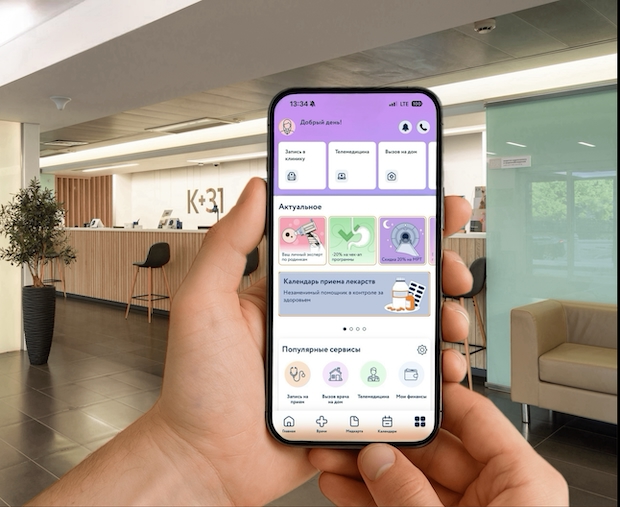
Application “Personal Account K+31”











What is a subungual hematoma and why does it occur in children?
A subungual hematoma is usually dark blue, purple, or black. It's not a simple bruise; it's a rupture of small blood vessels in the nail bed.
How does blood form under the nail?
When a finger is hit or compressed forcefully, the soft tissues are pressed against the hard phalanx. The blood vessels rupture, and the blood that spills out under the nail is unable to escape. Because the nail plate is dense and inelastic, even a small amount of fluid creates high pressure. This pressure is the primary source of excruciating pain, described as bursting.
Why are such injuries common in children?
A child's skeleton and soft tissues are still developing, and motor coordination may be imperfect as they grow. The most common situations in children with finger injuries include: