
Treatment of the consequences of trauma in children
Childhood trauma is common, due to children's high activity and curiosity. Prompt treatment of the aftermath of trauma can prevent chronic pain and functional impairment in the future.

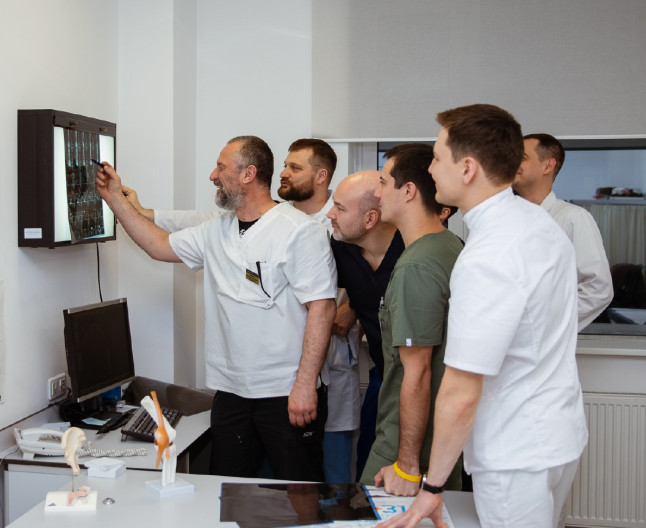
specialists

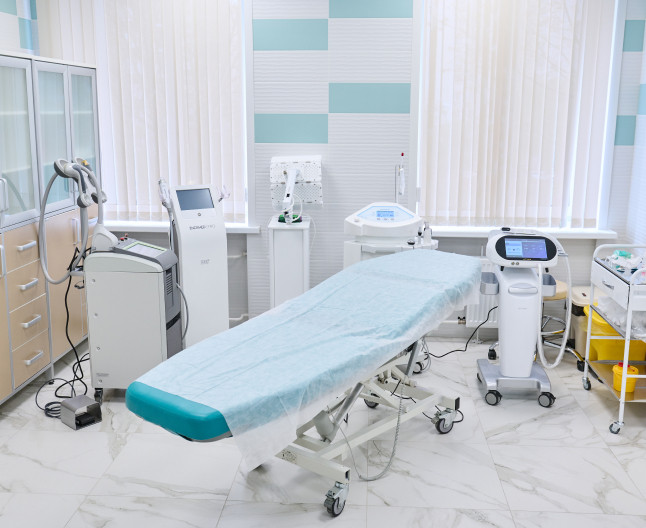
equipment

treatment



What injuries most often lead to consequences?
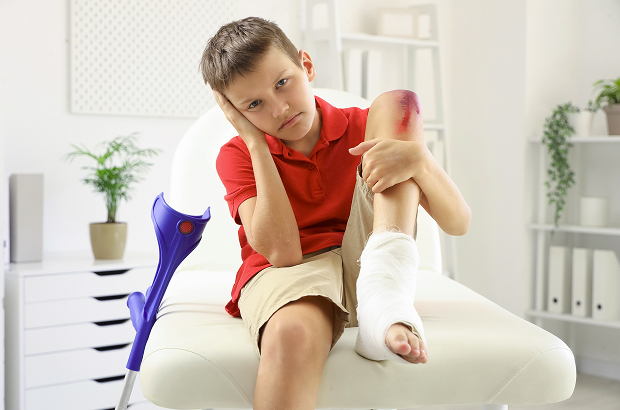
Not all injuries heal without leaving a trace. Some types of injuries require long-term monitoring by specialists, such as a pediatric traumatologist or orthopedic traumatologist.
Fractures and fractures
The consequences of a fracture vary. Some are associated with muscle weakness, others with stiffness. Recovery from a fracture should begin immediately after the cast is removed.
Dislocations and subluxations
Every dislocation is accompanied by a stretch or rupture of the joint capsule. If mobility is not fully restored, the joint may become unstable, leading to habitual dislocations and the early development of osteoarthritis.
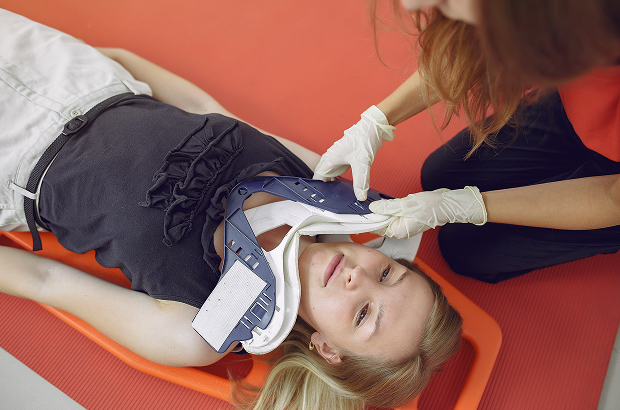
Contusions, sprains, and soft tissue injuries
Even a severe bruise or sprain can leave scarring in the muscles. This reduces tissue elasticity and makes the child more vulnerable to re-injury during sports. Persistent swelling or hidden hematoma in the tissues can compress nerve endings, causing chronic discomfort.
Traumatic brain injuries and their possible consequences
Head injuries require special monitoring. If the child is not seen by a doctor, they may develop impaired coordination, fatigue, and difficulty concentrating.
How to recognize the consequences of an injury in a child
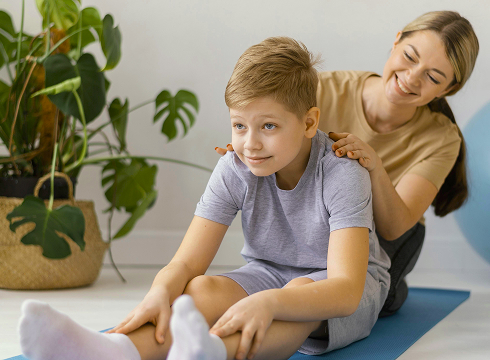
It is important for parents to closely monitor their child's behavior and physical condition for six months after the injury has healed. The following clinical signs may indicate underlying problems.
Pain, swelling, and stiffness
If pain from an injury returns with physical activity or a change in weather, this is a reason to consult a doctor. Morning stiffness or swelling in the joint area indicate that the inflammatory process has not completely resolved or the tissue has healed with a defect.
Limited motion and lameness
Limited motion is a classic symptom. A child may not complain of pain, but subconsciously try to protect their leg or arm. Limping is the main sign of injury. If you notice that your child is not putting weight on their leg or using their arm normally, consult a doctor immediately, as such defects disrupt the biomechanics of the entire body.
Asymmetry, poor posture, and decreased activity
Signs that a child needs a follow-up evaluation after an injury:
- Visible difference in limb length or shoulder height
- Pain does not improve over time
- Limping persists
- Limited joint movement
- Body asymmetry appears
- The child tires quickly or avoids usual activities
Decreased strength, coordination, and endurance
If the child begins to fall more frequently, has decreased coordination, or is unable to lift an object with the injured arm, this is a reason to check muscle tone and nerve conduction.
Diagnosis and assessment of the condition
To establish an accurate diagnosis, a series of examinations is necessary. Modern pediatric rehabilitation relies on objective data from instrumental tests.
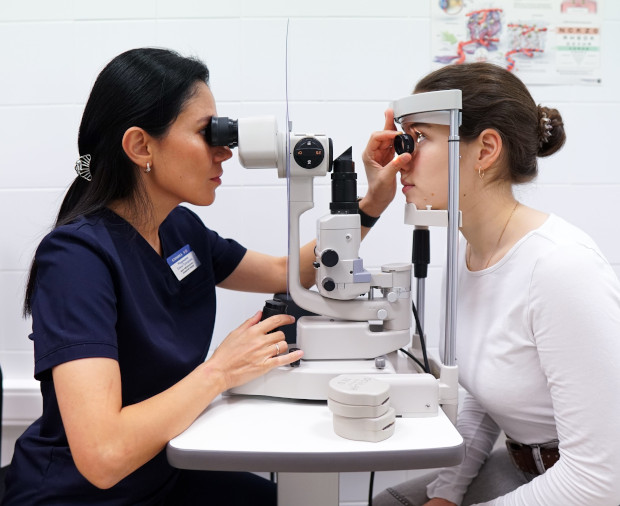
Examination by a pediatric orthopedic traumatologist
During the appointment, the orthopedic traumatologist assesses the range of passive and active motion, palpates the injured area, and performs functional tests. This helps identify hidden disorders that are not visible at rest.
Instrumental examination methods
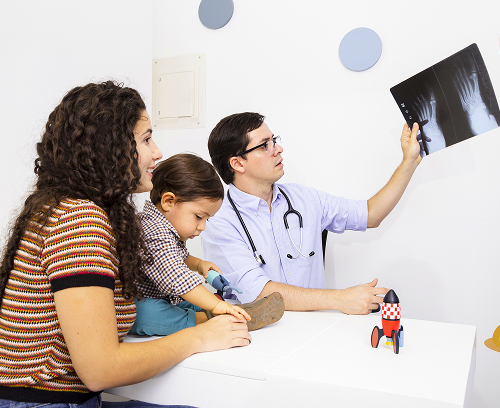
X-rays are used to visualize bone structures. If the condition of soft tissues, ligaments, and tendons needs to be assessed, ultrasound or MRI is prescribed. These methods allow us to detect cicatricial changes and hidden inflammation.
Functional assessment of recovery
Doctors assess the extent to which joint function has been restored and the child's overall endurance.
General information
Treatment features for children and adolescents
Treatment of injuries in children is fundamentally different from that of adults. The key factor here is growth potential.
Why the Approach Differs from Treatment for Adults
Children's muscles and joints recover quickly, but the risk of malunion is much higher. While rest is often sufficient for adults, children require rehabilitation and physical therapy.
How to Consider Growth, Development, and Load on the Musculoskeletal System
When planning therapy, the doctor takes into account growth spurts. For example, during periods of active skeletal extension, the load on the joints must be strictly controlled. Any load adjustment is made with care to avoid overstraining the bone growth zones.
Why Follow-up is Important
A single visit to the doctor after an injury is not enough. Traumatology requires monitoring of the patient's condition at 3, 6, and 12 months. This allows for early detection of skeletal developmental abnormalities and adjustment of the treatment plan.
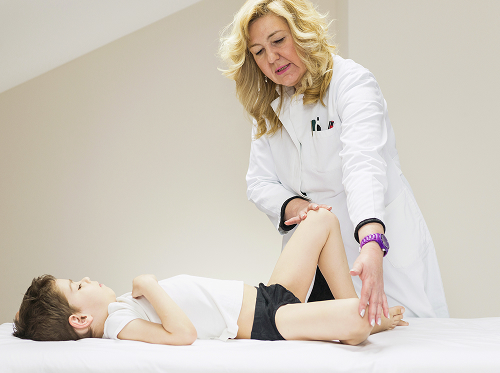
All actions must be coordinated with a doctor. Self-medication can have serious consequences, which may require surgical intervention.
What helps reduce the risk of re-injury
The main preventative measure is regular physical activity. Strong muscles and flexible ligaments better protect bones during falls. It is also important to choose the right shoes and use protective equipment when cycling or rollerblading.
How parents can monitor recovery
Physical therapy sessions should be conducted according to the schedule prescribed by the doctor. Parents should encourage their child to move, but avoid putting pressure on them: if there is pain, the exercises should be gentle.
Don't forget about nutrition: give more calcium and protein.
FAQ
Is it possible for a child to fully recover from an injury?
When should a child be shown to a doctor after an injury?
What rehabilitation methods are most commonly used for children?
How long does recovery from an injury take?
Rehabilitation after an injury ensures that a child will not face limitations in their future career choices or sports activities. Restoring mobility allows the child's body to cope with virtually any consequences of the injury.


This award is given to clinics with the highest ratings according to user ratings, a large number of requests from this site, and in the absence of critical violations.

This award is given to clinics with the highest ratings according to user ratings. It means that the place is known, loved, and definitely worth visiting.

The ProDoctors portal collected 500 thousand reviews, compiled a rating of doctors based on them and awarded the best. We are proud that our doctors are among those awarded.
Make an appointment at a convenient time on the nearest date
Price
Other Services

Appointment to the doctor
Our clinics


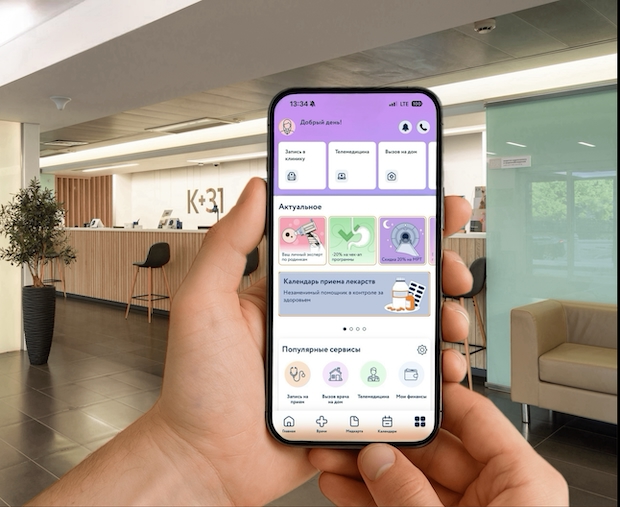
Application “Personal Account K+31”










What are the consequences of trauma and why can't they be ignored?
Consequences are pathological conditions that persist or develop after the primary tissue defect has been corrected. These may include scarring, circulatory problems, or abnormal load distribution on the musculoskeletal system. The consequences of injuries in children are insidious because they can manifest themselves months or even years after the incident.
What are the dangers of late consequences after healing?
If the injury affects bone growth zones or ligaments, limb deformities may occur during the child's development. Untreated contracture (limited joint mobility) leads to muscle atrophy, and adjacent parts of the spine begin to compensate for the lack of movement, which leads to poor posture.
Why are children at higher risk of complications?
The child's skeleton is in a constant state of growth. Any injury to a child, especially to the epiphyseal plates (growth zones), can lead to a slower or faster growth of the injured bone. Furthermore, the high elasticity of the ligaments sometimes masks serious internal injuries, which parents mistake for a common bruise, missing the opportunity to begin correction.