
Treatment for a child's shoulder sprain
The shoulder joint is the most mobile in the human body and the most vulnerable to external influences. If a child is diagnosed with a shoulder injury, it is important to see a doctor as soon as possible.
Timely treatment of a shoulder sprain in children is the key to quickly restoring arm function.

specialists

equipment

treatment




Causes and risk factors in children
Childhood injuries are rarely accidental; they are most often associated with certain types of activity or anatomical features of the growth period.
Falls, active play, and sports
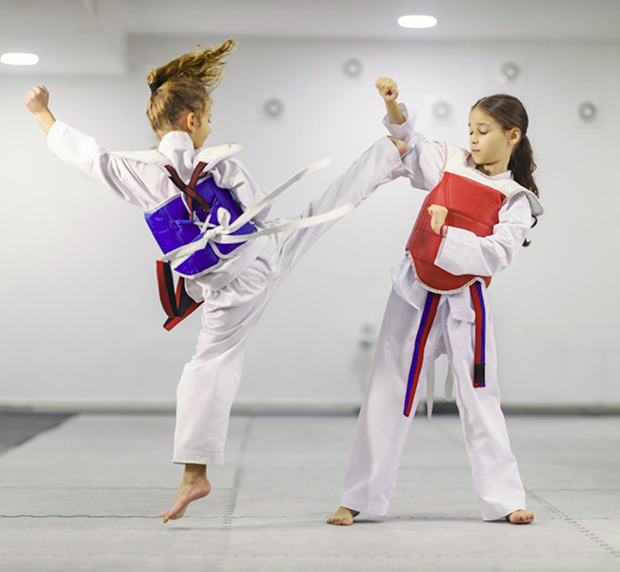
Most injuries occur during active play on playgrounds or during sports. Falling on an outstretched arm or elbow is a classic mechanism for causing a shoulder strain in a child. Children at risk include those involved in wrestling, gymnastics, volleyball, and swimming, where the load on the shoulder girdle is greatest.
Sudden movements and overload of the shoulder joint
Sometimes, an injury occurs without a fall. A sudden jerk of the arm (for example, when an adult tries to catch a child who has tripped) can cause a shoulder sprain. For teenagers who begin actively exercising in the gym, the cause is chronic overload and poor exercise technique.
Symptoms of a shoulder strain in a child
Signs of injury may not appear immediately, but may worsen over several hours after the incident.
Pain, swelling, bruising, and limited motion
The primary complaint in children is always shoulder pain. It intensifies when attempting to raise the arm or move it behind the back. Objective signs include:
- Swelling of the shoulder, which makes the contours of the joint less clear
- Hematoma or bruise, indicating rupture of small vessels
- Limited arm movement: the child spares the limb, presses it to the body and refuses to play
Signs that require urgent help
There are so-called "red flags" that require immediate attention at the emergency room:
- Visible deformity (the shoulder appears lower than the other or bulges)
- Numbness of the fingers or the entire hand, a "crawling" sensation
- The skin of the hand has become pale or cold to the touch
- The child is completely unable to move his fingers or with a brush
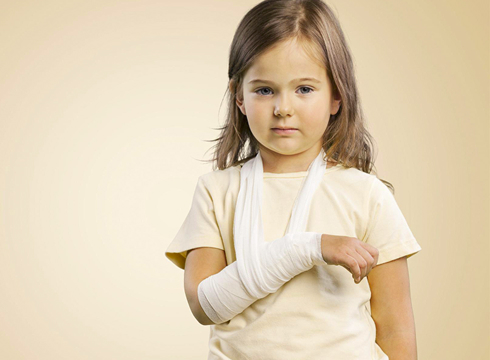
First aid for a suspected shoulder sprain
The success of subsequent treatment largely depends on how well first aid is provided for a shoulder sprain. The main goal is to prevent the injury from worsening.
What to do in the first hours after the injury
To reduce pain, you should:
- Keep the child calm: stop all active play.
- Apply cold: apply an ice pack wrapped in a cloth for 10-15 minutes. This will reduce shoulder swelling and dull the pain.
- Immobilize your arm: use a sling to keep your arm bent and pressed against your stomach.
- Assess your condition: if the pain persists or worsens, see a pediatric traumatologist.
What not to do.
To speed up your recovery from a shoulder sprain, remember the basic rules:
- Avoid heating your shoulder: baths, heating pads, and warming ointments increase swelling in the first 2-3 days.
- Don't try to reposition the joint: if you feel like the joint has "popped out," go to the emergency room immediately.
- Don't give strong painkillers: a doctor should prescribe medication.
- Don't ignore your symptoms: if the pain has subsided slightly, that doesn't mean you don't need to see a doctor.
How does a doctor diagnose a shoulder strain?
For an accurate diagnosis, a professional examination is necessary. The doctor must rule out more severe bone and labral injuries.
Examination and mobility assessment
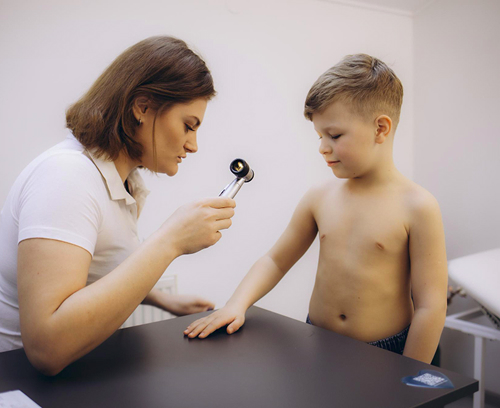
First, a visual examination and mobility assessment are performed. The orthopedist or traumatologist asks the child to perform simple movements, checks skin sensitivity, and checks the radial artery pulse. It is important to accurately localize the site of maximum pain.
When are X-rays, ultrasound, or MRI needed?
The following are used for diagnosis:
- X-ray: needed if a shoulder fracture or dislocation is suspected.
- Ultrasound: helps assess the condition of the muscles and ligaments, as well as the presence of fluid in the joint.
- MRI: prescribed when pain persists for a long time.
General information
How is a shoulder sprain treated in children?
If a child's shoulder sprain is confirmed, the treatment will be comprehensive, aimed at reducing inflammation and gradually returning function.
Immobilization and Gentle Regimen
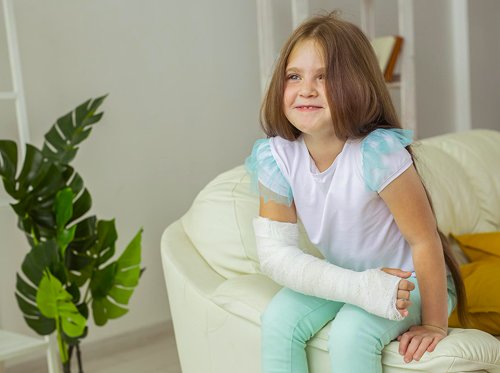
The first step is always immobilization. Depending on the severity, a soft brace or sling may be used. This prevents unnecessary movement, allowing the ligaments to heal. A gentle regimen involves temporarily avoiding wearing a backpack on the sore shoulder and active play.
Pain relief and anti-inflammatory therapy
Ibuprofen- or paracetamol-based medications (in age-appropriate dosages) can be used to alleviate the condition. In the first few days, ointments with an anti-inflammatory effect, but without a warming component, may be recommended.
Rehabilitation: Physical therapy, gradual reinstatement of loads
Rehabilitation begins after 5-7 days.
The following is used to restore the shoulder:
- Physical therapy: special exercises to restore range of motion
- Physical therapy: magnetic therapy or electrophoresis to accelerate tissue regeneration
The load should be increased gradually; this is the only way to fully restore the joint.

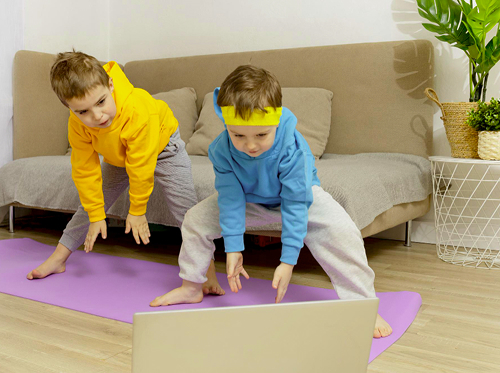
"In my practice, the most common mistake parents make is trying to 'work out' the shoulder through pain. Rest, an accurate diagnosis, and only then gentle rehabilitation are needed," notes a pediatric traumatologist and orthopedist. Remember that a child's body is actively growing, and any untreated injury can impact the development of posture and joints in the future.
Frequently asked questions
How can you tell if your child has a sprain and not a dislocation?
When is it necessary to see a doctor?
When can I return to sports?
Treatment for a shoulder sprain will be successful if you follow all your doctor's recommendations.



This award is given to clinics with the highest ratings according to user ratings, a large number of requests from this site, and in the absence of critical violations.

This award is given to clinics with the highest ratings according to user ratings. It means that the place is known, loved, and definitely worth visiting.

The ProDoctors portal collected 500 thousand reviews, compiled a rating of doctors based on them and awarded the best. We are proud that our doctors are among those awarded.
Make an appointment at a convenient time on the nearest date
Price
Other Services

Appointment to the doctor





Our clinics


Application “Personal Account K+31”












What is a shoulder strain and how does it occur?
In medicine, the term shoulder sprain refers to micro-tears in the fibers of the ligamentous apparatus. Shoulder sprains occur when the load on the tissues exceeds their physiological elasticity. Ligaments hold the bones in the joint, and when they are damaged, the stability of the entire arm is disrupted.
How does a sprain differ from a bruise, dislocation, and fracture?
To choose the right treatment, it is important to understand the nature of the injury. The following injuries are distinguished:
Why injuries may present differently in children than in adults?
Children's skeletons are still growing, and the shoulder joint is surrounded by more elastic ligaments than in adults. While this protects them from severe injuries, it also masks serious problems. Subperiosteal fractures (greenstick fractures) are common in adolescents and young children, and they can resemble a common shoulder sprain. Therefore, any complaint of shoulder pain in a child requires careful attention.