Treatment of a closed fracture in a child: symptoms, first aid, diagnosis, treatment, and recovery

Treatment of a closed fracture in children begins with proper post-injury care. It's important for parents not to examine the arm or leg through pain, but rather to ensure rest, immobilize the limb, and take the child to a doctor. Without an examination and imaging, a closed fracture in a child can easily be mistaken for a bruise.

Best specialists
Best
specialists
Expert equipment
Expert
equipment
Advanced diagnostic treatment
Advanced diagnostic
treatment
Sign up
Fill out the entry form on the page and we will call you back
Sign up Позвонить
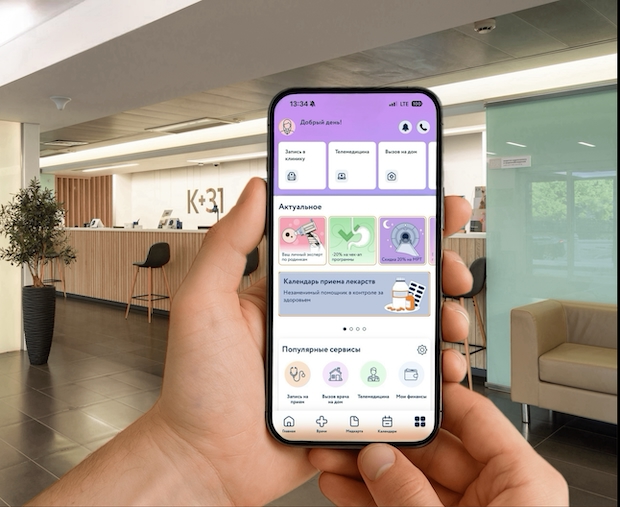
Download the application “Personal Account K+31”
Everything about your health in one click!
Subscribe to social networks K+31
To keep up to date with current offers and receive useful advice about your health.

What is a closed fracture and why does it require attention?
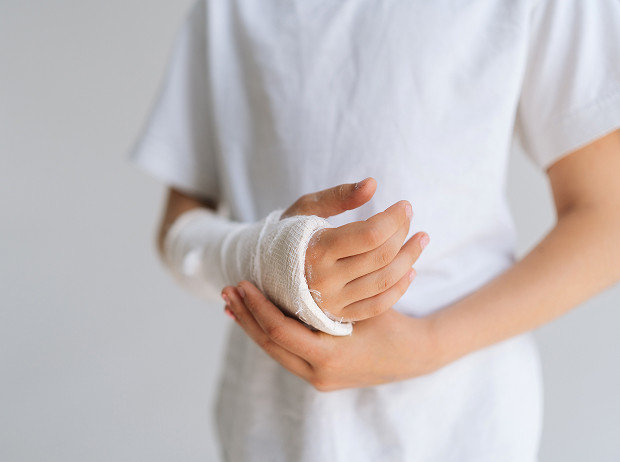
What is a closed fracture and why does it require attention?

A closed fracture is a bone injury without an open wound at the site of injury. The skin remains intact, but swelling, pain, or displacement may occur.

How is a closed fracture different from an open fracture?

With a closed injury, there is no wound connecting the bone to the outside world. With an open fracture, the skin is damaged, and the risk of infection is high.

Why do children have different bone healing characteristics?

Children's bones are more elastic than adults', so incomplete fractures and "greenstick" fractures are possible. If there is displacement or injury near the growth plate, treatment of the fracture in a child should be carried out under the supervision of a doctor.
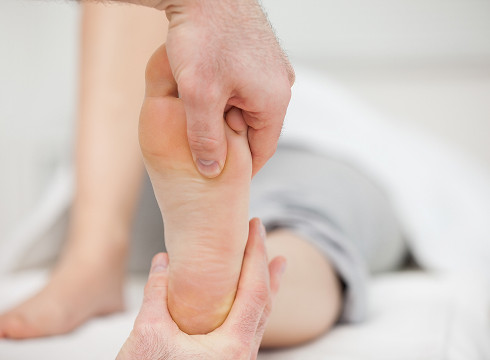
How to recognize a closed fracture in a child

Parents often notice their child's behavior rather than the bone injury itself: they protect their arm or leg, cry when moving, or refuse to step. These symptoms of a fracture in a child require an examination.

Main symptoms: pain, swelling, limited movement

The main signs are severe swelling and pain, tenderness to the touch, and limited movement. The child may resist bending the joint, refuse to put weight on the foot, or react sharply to attempts to change position.

How to distinguish a fracture from a bruise or sprain

At home, it can be difficult to determine whether parents are dealing with a bruise or a fracture. This chart can help, but it does not replace a doctor's advice.

Symptom Contusion Sprain Closed Fracture
Pain Moderate with movement Severe
Swelling Minor Moderate Severe
Movement preserved limited sharply painful
Deformity no no possible

If the pain does not subside, the swelling increases, and the child does not use the limb, an examination is necessary. A traumatologist can confirm or rule out a fracture in a child.

When is immediate medical attention needed?

Consult a doctor immediately if the pain intensifies sharply, the limb appears deformed, or the fingers become numb, pale, or bluish. A cold hand or foot, as well as an inability to step on the foot or support the arm normally, should raise concern.

How to recognize a closed fracture in a child
First Aid for Suspected Closed Fractures

First Aid for Suspected Closed Fractures

Before being examined by a doctor, it is important not to aggravate the injury. First aid for a fracture consists of rest, immobilization, and careful transportation.

What is important to do if you suspect a closed fracture in a child:

  • Ensure rest
  • Immobilize the limb
  • Apply cold with a cloth
  • Do not heat or massage the sore area
  • See a doctor

After these steps, do not ask the child to move the arm or put weight on the leg.

How to properly immobilize an injured limb

Immobilize the limb in the position after the injury. Do not straighten the limb by force.

Immobilization should limit movement in the injured area and adjacent joints. The bandage should not compress the tissue.

What to do and what not to do before a doctor's examination

You can calm the child, position them in a lying or sitting position, and apply cold with a cloth for a short time. If the pain is severe, it's best to discuss pain relief with a doctor or emergency services.

Do not attempt to reset the bone, pull the limb, apply heat to the injury, or forcefully remove clothing. First aid for a fracture involves protecting the injured area until diagnosis.

General information

Diagnosis of a Closed Fracture

Diagnosis begins with a discussion of how the injury occurred. The doctor clarifies the mechanism of injury, pain, movement after the fall, and the rate of swelling.

Traumatologist Examination and Medical History

The traumatologist assesses the shape of the limb, swelling, sensation, skin color, circulation, and movement in adjacent joints. The examination is performed gently, without applying harsh pressure.

After a severe fall, the doctor may examine more than just the affected arm or leg. In pediatric traumatology, it is important not to miss associated injuries.

X-rays and Other Examinations

The primary method for confirming the diagnosis is an X-ray. X-rays are usually taken in two projections; if necessary, an ultrasound, CT scan, or MRI may be ordered.

If a standard X-ray is insufficient, the doctor may order an ultrasound, CT scan, or MRI. The method is selected based on the injury site, the child's age, and the clinical presentation.

When are control x-rays needed?

A control x-ray is needed when it's important to ensure the bone remains in its proper position. This is most often the case after displacement, reduction, injury near the growth plate, or fixation.

Repeat x-rays are taken when the results may change the treatment plan: extend the fixation, replace it, or allow weight-bearing.
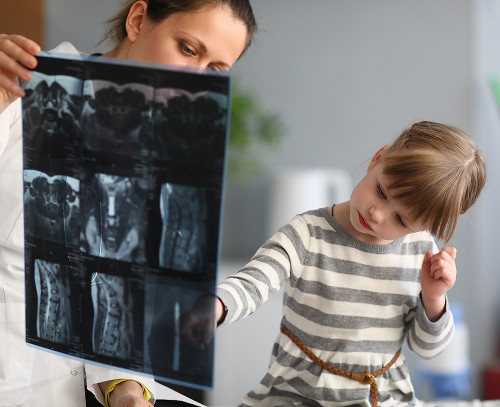
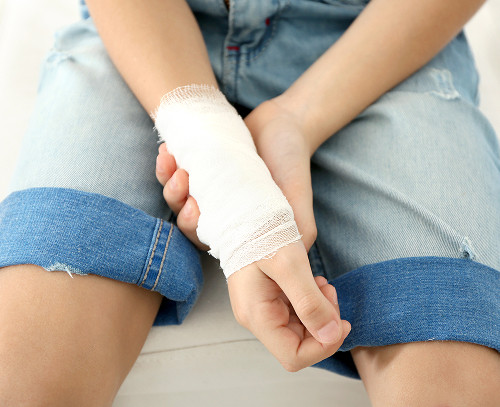
Diagnosis of a Closed Fracture

How is a closed fracture treated in children?

Treatment of a closed fracture depends on the location of the injury, the child's age, and the displacement and stability of the injury. Sometimes fixation is sufficient, while other times, correction of the fragments is necessary.

Conservative therapy and immobilization

Most often, fractures in children are treated without surgery. The doctor selects a cast, polymer cast, splint, or orthosis based on the type of fracture.

Immobilization reduces pain, keeps the bone in the correct position, and protects the injury site. Parents are instructed on how to care for the cast and fingers.

Reduction in case of displacement of bone fragments

If the fragments are displaced, reduction may be necessary. This is the process of restoring the position of the bone fragments; the procedure is only performed by a doctor.

After reduction, a cast or other immobilizing dressing is usually applied. In the first few days, monitor for pain, swelling, and toes.

When might surgery be needed?

Surgery is not always necessary. Surgical treatment of a closed fracture is considered in cases of unstable displacement, intra-articular injury, or growth plate damage.

The goal of the intervention is to restore the bone's position. After surgery, the child also requires monitoring and gradual rehabilitation.

How is a closed fracture treated in children?

How long does it take for a closed fracture to heal in a child?

The healing time depends on the bone, age, displacement, and general condition of the child. A minor fracture in children can heal in a few weeks.

What determines recovery time?

The recovery time is influenced by the location of the injury, the quality of fixation, nutrition, regimen, and adherence to recommendations. In young children, bones often heal faster, but the cast should not be removed prematurely.

Recovery from a fracture proceeds more smoothly when the child does not put weight on the limb until the doctor says yes. If pain and swelling return after activity, the weight-bearing capacity is reduced.

How to tell if the bone is healing properly?

The doctor evaluates the patient's complaints, examination, movement, imaging data, and the formation of new tissue. At a certain stage, a bone callus appears—a normal part of healing.

The child may feel better before the bone is ready for full weight-bearing. Therefore, return to activity is determined not by sensations, but by the results of monitoring.

How long does it take for a closed fracture to heal in a child?

Rehabilitation after a closed fracture

After the immobilization is removed, the limb may feel weaker. Stiffness and moderate discomfort sometimes persist.

Gradual return to activity

Return to normal activity should be gradual. Start with everyday movements, then walks, activities, sports, and active games.

Recovery after a fracture should not be rushed. If a child is limping, protecting their arm, or complaining of pain, it is best to stop and discuss the condition with a doctor.

Physical therapy, massage, and medical supervision

Physical therapy helps restore movement, strength, and confidence in the limb. Exercises are selected based on age, fracture location, and healing time.

Massage is not always used. Rehabilitation should be gentle, without pain or harsh pressure. A doctor's monitoring can help detect stiffness or improper loading.

Nutrition and routine during the recovery period

The child needs sleep, a normal diet, protein, calcium, and vitamin D according to age norms. Supplements are given only as prescribed by a doctor.

If immobilization is prescribed, the cast is not removed without permission. Bathing, school, walks, and sports are discussed separately.

Rehabilitation after a closed fracture

Prevention of fractures in children

Prevention of fractures in children

It's impossible to completely eliminate injuries. Children run, fall, play sports, and learn new movements. But some risks can be reduced.

How to Reduce the Risk of Injuries at Home, Outdoors, and in Sports

At home, it's important to remove slippery rugs, secure furniture, and maintain proper stair access. Outdoors, wearing appropriate footwear, a properly functioning bicycle, scooter, or roller skates are helpful.

Sports require equipment appropriate for the child's age and level of activity. If a child has previously suffered a closed fracture, it's best to consult with a doctor before returning to sports.

Frequently Asked Questions

How can I tell if my child has a closed fracture and not a bruise?

A fracture usually causes severe pain, swelling, limited motion, and increased pain when trying to bear weight. Sometimes, deformity is visible. A doctor confirms the exact diagnosis.

What should I do if my child has been injured?

Ensure rest, immobilize the injured area, apply cold with a cloth, and consult a doctor. Do not attempt to reset the bone, massage the injury, or test movement through pain.

How long does recovery take?

The recovery time depends on the child's age, location, displacement, and fixation. It usually takes weeks. A child's fracture treatment is assessed based on the examination, complaints, and follow-up data.

When can I return to activity after a fracture?

Let's resume activity only after confirmation of healing and the doctor's approval. Everyday movements should begin, followed by sports and active games.

Our doctors

Polovnikova (Kroshkina) Valeria Alexandrovna
Experience 15 years
Make an appointment
Polovnikova (Kroshkina)
Valeria Alexandrovna
Traumatologist-orthopedist, pediatric
Lopatin Kirill Alexandrovich
Experience 16 years
Make an appointment
Lopatin
Kirill Alexandrovich
Traumatologist-orthopedist, pediatric
All specialists
2GIS Award
2GIS Award

This award is given to clinics with the highest ratings according to user ratings, a large number of requests from this site, and in the absence of critical violations.

«Good place» according to Yandex

This award is given to clinics with the highest ratings according to user ratings. It means that the place is known, loved, and definitely worth visiting.

Our doctors are laureates of the ProDoctors Award

The ProDoctors portal collected 500 thousand reviews, compiled a rating of doctors based on them and awarded the best. We are proud that our doctors are among those awarded.

Make an appointment at a convenient time on the nearest date

Price

Initial appointment with a pediatric traumatologist-orthopedist
from 8 950 ₽
Follow-up appointment with a pediatric traumatologist-orthopedist
from 7 950 ₽

Other Services

Treatment of hip sprain in a child Ankle injury in a child: treatment and recovery Calf muscle strain in children: symptoms and treatment Treatment of sprains in children: symptoms, first aid and recovery Treatment of pectoral muscle strain in children Treatment of muscle strains in children Hip sprain in children: symptoms and treatment Sprained Foot in Children: Treatment, Symptoms, First Aid, and Recovery Treatment of Achilles tendon strain in children First aid for bleeding in children: how to act quickly and safely Neck Strain in Children: Symptoms, Treatment, and Recovery Subungual hematoma in children: symptoms, first aid, and treatment in Moscow Wrist sprain in a child: symptoms, treatment, and recovery Subcutaneous hematoma in a child: symptoms, treatment, and first aid Treatment of the consequences of trauma in children Orthopedic rehabilitation for children in Moscow: recovery from injuries, surgeries, and musculoskeletal disorders Reduction of subluxations and dislocations in children Plaster cast application for a child: procedure, types of casts, and care Treatment for a child's shoulder sprain Soft tissue hematoma in a child: symptoms, first aid, and treatment Application of an immobilization bandage to children Swelling after a bruise in a child: treatment and first aid Hip contusion in a child: symptoms, first aid, and treatment Head injury in children: treatment, symptoms, and first aid Chest contusion in a child: symptoms, first aid, and treatment A child's post-injury hematoma: how to treat it, when to see a doctor, and what to do in the first few hours Hematoma on a child's arm: causes, symptoms, and treatment Treatment of a child's hand contusion: symptoms, first aid, and recovery Hematoma on a child's finger: first aid, treatment, and when to see a doctor Knee contusion in a child: treatment, symptoms, and first aid Bruised tailbone in a child: symptoms, first aid, and treatment in Moscow Elbow bruise in a child: symptoms, first aid and treatment Bruised leg in a child: symptoms, first aid and treatment Hematoma on a child's leg: causes, symptoms, first aid, and treatment Hematoma on a child's face: causes, first aid, and treatment in Moscow Treatment of groin strain in children Bruised nail in a child: treatment, first aid, symptoms, and recovery Hematoma on the head of a child: treatment and symptoms Eye hematoma in a child: treatment, first aid, and when to see a doctor Bruised ribs in children: treatment, symptoms, and first aid Back strain in children: symptoms, treatment, and recovery Soft tissue contusion in a child: symptoms, first aid, and treatment Treatment of a joint contusion in a child in Moscow: symptoms, first aid, diagnosis, and recovery Bruised nose in a child: treatment, first aid, and when to see a doctor Bruised Foot in a Child: Symptoms, First Aid, and Treatment in Moscow Bruised finger in a child: treatment, first aid, and when to see a doctor Back injury in a child: symptoms, first aid, and treatment in Moscow Bruised arm in a child: symptoms, first aid, and treatment Shoulder contusion in a child: symptoms, first aid and treatment Bruised ribs in children: symptoms, treatment, and first aid Treatment of fractures in children in Moscow Treatment after a fracture in children: how recovery and rehabilitation proceed Treatment of a jaw fracture in a child Compression fracture of the thoracic spine in children: treatment, diagnosis and recovery Humeral neck fracture in children: treatment, symptoms, and recovery Treatment of radius fracture in children Coccyx fracture in children: symptoms, treatment, and recovery Treatment of a broken nose in a child Patella fracture: treatment in children Sacral fracture in children: symptoms, diagnosis and treatment Treatment of a broken little finger in children: symptoms and recovery Treatment of metatarsal fractures in children Zygomatic bone fracture in a child: symptoms, diagnosis, treatment and recovery Ulna fracture in children: treatment, symptoms and recovery Humeral tubercle fracture in children: treatment and recovery Conservative treatment of fractures in children: how is treatment performed without surgery? Functional method of treating fractures in children 24-hour trauma care for children: when urgent help is needed Clavicle fracture in a child Fracture of the tibial condyles in children Emergency traumatology for children: urgent care for injuries Ankle fracture in children: symptoms, treatment and recovery Treatment of spinal fractures in children Pubic bone fracture in a child Hip fracture in children: treatment, diagnosis and recovery Pelvic bone fracture in children: treatment, symptoms, and recovery Traumatic brain injury in children: treatment, symptoms, and recovery Sciatic bone fracture: treatment in children Olecranon fracture in children: treatment, symptoms, recovery Treatment of humeral fracture in children Scapula fracture in children: symptoms, diagnosis and treatment Calcaneal fracture in a child: treatment, symptoms, and recovery Broken toe in a child: symptoms, treatment and recovery Sternal fracture in children Treatment of tibia fracture in children Foot fracture in a child Cervical vertebrae fractures in children
Make an appointment

Appointment to the doctor
Fill out the form, our managers will contact you within 15 minutes
Почему К+31?
К + 31 — full-cycle multidisciplinary medical centers, including the possibility of providing medical services of European quality level.
К + 31 — are leading doctors and diagnostics using high-tech equipment from world manufacturers (Karl Storz, Olympus, Siemens, Toshiba, Bausch&Lomb, Technolas, Zeiss, Topcon).
К + 31 — is ethical. The staff of K+31 clinics maintain open relationships with patients and partners. An individual approach to each patient is the basis of our service standards.
К + 31 — is modernity. On call 24/7: call center operators will answer your questions at any time and book you an appointment with doctors. Contact us by phone, through the feedback form on the website and Max.

Our clinics

Address K+31 on Lobachevskogo

st. Lobachevskogo, 42/4

Contacts

+7 499 999-31-31

Opening hours

Mon-Fri: 08:00 – 21:00
Weekend: 09:00 – 19:00
Didn't find the service you were looking for?

Экстренная помощь