Correcting Bowed Legs in Children: When to See an Orthopedist

The shape of a child's legs often becomes noticeable not during a physical examination, but in everyday life. While walking. On a stroll. After running, when the child tires more quickly, begins to turn their feet, or complains of discomfort. A slight arch at an early age may be part of normal growth, but correcting bowed legs cannot be postponed if the legs are changing unevenly, pain develops, or the gait changes.

An orthopedist looks not just at a photograph, but at the child's age, symmetry, foot position, muscle tone, and load. After the examination, parents can determine whether they only need observation or whether it's time to begin correction.

Best specialists
Best
specialists
Expert equipment
Expert
equipment
Advanced diagnostic treatment
Advanced diagnostic
treatment
Sign up
Fill out the entry form on the page and we will call you back
Sign up Позвонить
Download the application “Personal Account K+31”
Everything about your health in one click!
Subscribe to social networks K+31
To keep up to date with current offers and receive useful advice about your health.

What is bow legs and how does it differ from the norm?

Curvature is a change in the line along which the thigh, knee, lower leg, and foot bear weight during walking. Bowed legs in children are not always associated with a medical condition, as the skeleton grows gradually, and the shape of the legs changes with age. The doctor pays attention to pain, symmetry, stability, and gait.

Age-related characteristics of leg axis formation

In childhood, the leg axis does not remain uniform from the first steps. At first, an outward curve may be noticeable, then the knees move closer together, and with growth, the line gradually evens out. When parents have questions, the doctor checks the entire axis of the lower extremities, as the cause may be related not to a single area, but to the overall load.

Physiological and pathological curvature

Physiological curvature is usually symmetrical. It does not interfere with movement and decreases with growth. This occurs without pain or persistent lameness. The abnormal curvature of the legs increases and persists longer than the age norm or differs between the right and left.

Criterion Physiological curvature Pathological curvature
Age Corresponds to the growth stage Persists longer than expected
Symmetry The right and left legs are similar There is often a difference between the sides
Pain No complaints Pain may occur after exercise
Gait No persistent changes Gait disturbance may occur
Tactics Scheduled monitoring Orthopedic examination and testing
What is bow legs and how does it differ from the norm?

Why might a child's legs become crooked?
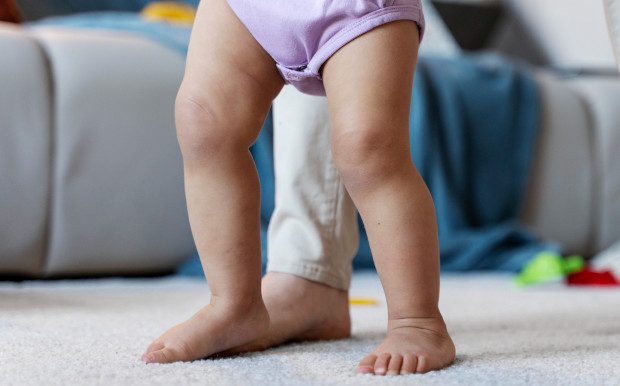
The causes vary. In one child, the shape is related to growth, while in another, it's due to heredity, deficiencies, trauma, muscle weakness, or bone disease.

Therefore, bowed legs in a child shouldn't be assessed from a photo. Don't judge based on forums or other people's stories. An in-person examination is necessary. Also, if necessary, follow-up.

Hereditary and intrauterine factors

Family skeletal structure influences the shape of the shins, knees, and feet. The doctor will determine whether the parents had similar characteristics. During the appointment, they will ask about the pregnancy and birth, and whether there was a prematurity. Details alone don't establish a diagnosis. However, they can help assess the risk.
Vitamin D Deficiency and Growth Characteristics

A child's bones need nutrition, exercise, calcium, and vitamin D. With severe deficiency, bone tissue becomes softer. The strain of walking increases the deformity. Sometimes varus deformity is combined with muscle weakness or delayed onset of walking, as well as pain.

Muscle Tone, Posture, and Load Disorders

The shape of the legs depends on more than just the bones. It is influenced by:

  1. Muscle imbalance
  2. Weakness of the core
  3. Habitual postures
  4. Excess weight
  5. Load distribution

If flat feet are added, the foot holds its stride less well and tires more quickly.
What signs require an examination by a pediatric orthopedist

What signs require an examination by a pediatric orthopedist?

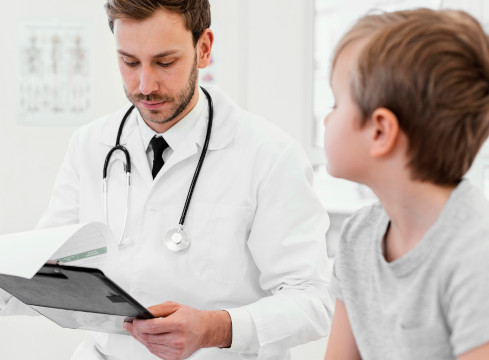
A consultation isn't about anxiety. It's about getting a precise answer. A pediatric orthopedist checks symmetry, joints, foot position, muscle strength, and weight-bearing capacity. Early diagnosis is especially important when the shape changes quickly. The sooner the cause is determined, the more gentle the correction.

Bow-legged and knock-kneed

If the feet are together but the knees are apart, it's called bow-legged and varus. If the knees touch but the ankles remain apart, it's called knock-kneed and valgus. This is what a hallux valgus deformity looks like if the load line is pulled inward. In children, both types sometimes develop. However, persistent varus deformity after a period of alignment requires evaluation.

Asymmetry, pain, and fatigue

One leg should not be noticeably different from the other in shape, position, or load. If this is accompanied by knee or shin pain, a refusal to walk, or rapid fatigue during walks, an orthopedic examination is necessary. It is better to have the child examined earlier than to wait for symptoms to worsen.

Changes in gait and foot position

Gait reveals how the legs work under load. If a child has a clubfoot, twists their feet, frequently stumbles, or wears shoes on one side, the doctor will look for a cause beyond the knees. Hallux valgus is sometimes combined with inward rolling of the foot.

General information

How is the diagnosis performed?

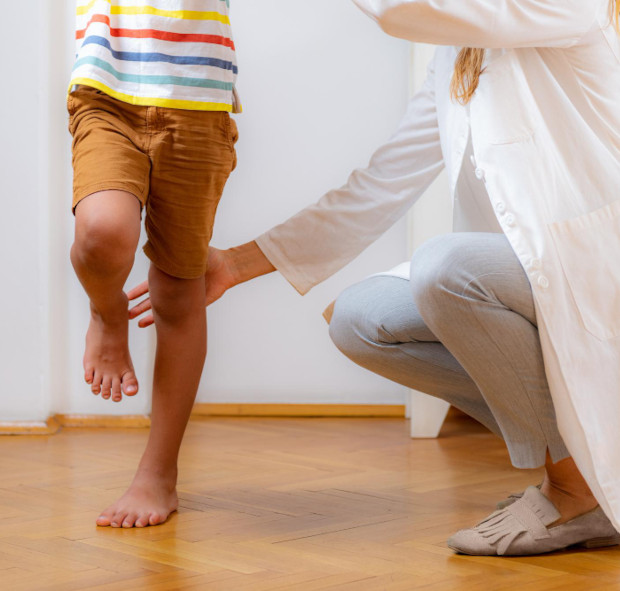
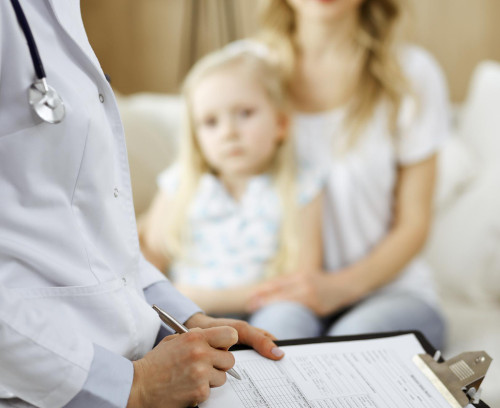
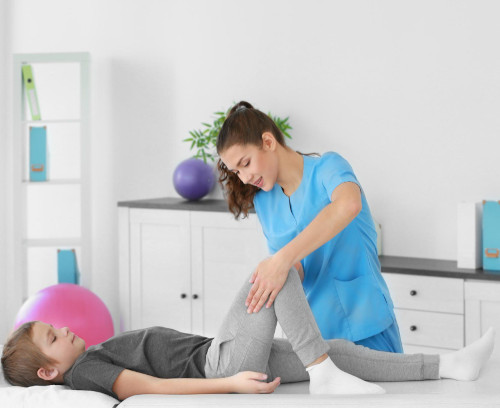
The diagnosis begins with a routine examination. The child walks around the office. They stand up straight and bend and straighten their legs. The doctor examines the child's height, weight, joints, feet, and muscles. During the appointment, the pediatric orthopedist explains the boundaries between the age norm and the need for treatment.

Examination and history taking

The examination begins with questions about the child's development. When did they sit? When did they stand? When did they walk? Any injuries, rickets, pain, or follow-up with a neurologist. The doctor then checks the child's movement, tone, symmetry, and weight-bearing characteristics of their legs. If the bowed legs do not interfere with their mobility and gradually become less noticeable, a follow-up examination is usually scheduled.

Tests based on indications

Tests are selected after the examination. If the child is active, doesn't complain of pain, and the shape of the legs changes with age, imaging may not be necessary. X-rays are performed when indicated, such as when there is asymmetry, pain, persistent deformity, injury, or issues with bone growth. If rickets is suspected, the doctor may order calcium and phosphorus tests.

Doctor's quote:

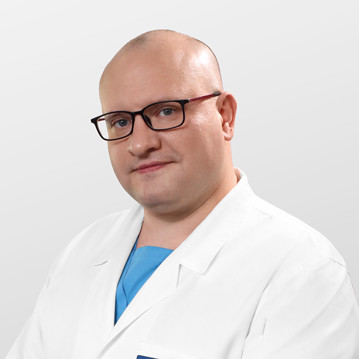
"In my experience, the best results are achieved when parents come at the first noticeable changes. In childhood, it is often possible to choose gentle measures if the examination is not delayed without unnecessary fear."
How is the diagnosis performed?

How to Correct Bowed Legs in Children

The plan depends on the cause, age, and severity of the deformity. Treatment for bowed legs may include observation, exercise therapy, exercise regimen, foot work, correction of deficiencies, or treatment of the underlying condition. There is no universal treatment plan. Therefore, correction of bowed legs begins with a diagnosis, not with purchasing shoes.

Observation and Dynamic Monitoring

When the leg shape is appropriate for age, treatment does not begin immediately. The doctor prescribes observation, scheduled visits, and dynamic gait monitoring. Sometimes parents are advised to take photos in the same position to compare changes without guesswork. This makes it easier to understand whether the bowed legs are improving or worsening.

Remedial Therapy and Exercises

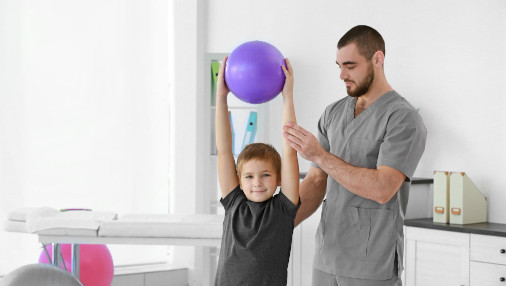
For functional disorders, the doctor may prescribe therapeutic exercise. Exercises are selected to strengthen the muscles of the thighs, shins, feet, and core. This ensures a more even distribution of the load during walking. Leg exercises are performed calmly, without pain, jerking, or attempts to forcefully "straighten" the legs.

Massage and Physiotherapy

Massage is used as an adjunct. It helps improve muscle tone, but does not by itself change the bone shape. Therefore, promises to "straighten your legs in one treatment" are unrealistic.

Orthopedic Regimen and Shoe Selection

Shoes should fit properly, support the foot, and not interfere with movement. Orthopedic shoes are not needed for every child, but only as prescribed by a specialist.

Rigid models without a prescription can reduce comfort and fail to address the underlying cause. In case of doubt, the doctor evaluates the feet in motion, not just the fit of the shoes.

Tactics for Severe Deformities

For severe deformities, routine observation is not enough. The doctor evaluates age, growth zones, angle of deviation, pain, activity, and examination data.

Sometimes treatment for bowed legs requires long-term monitoring, and in rare cases, surgical correction. Therefore, the doctor does not promise quick results, but explains the growth monitoring timeframe.

How to Correct Bowed Legs in Children

What Parents Can Do at Home

At home, it's important to observe rather than treat randomly. Parents can watch how their child walks, whether they wear their shoes evenly, and whether they complain of pain after a walk. If their child's bowed legs are more noticeable, it's best to schedule an appointment with a doctor before the scheduled date. Early detection often allows for gentler measures.

Safe Habits and Physical Activity

Walks, active play, swimming, and moderate age-appropriate exercise are beneficial. It's important for the child to move painlessly and without early overexertion. If leg exercises are prescribed, do them in short bursts to prevent fatigue.

What Not to Do

Don't immobilize the legs with belts, tightly bandage them, force them to walk through pain, or buy orthoses without a prescription. Don't trust promises that treatment for bowed legs is always quick and consistent. Vitamins, insoles, and procedures do not replace diagnostics.

What Parents Can Do at Home

Prevention of Deformities in Childhood

Prevention reduces the risks, although it does not protect against all orthopedic problems. Nutrition, exercise, monitoring of deficiencies, comfortable footwear, and regular checkups are important. If bowed legs already exist in children, prevention boils down to monitoring growth and weight-bearing activity.

Exercise and Growth Monitoring

Walking, running, climbing, swimming, and varying activities are beneficial for children. Repetitive exercise is worse, especially with weak muscles, excess weight, or pain. Parents should monitor height, weight, footwear, and take photos of their feet every few months.

Regular Checkups with a Specialist

A routine checkup with a specialist is important when a child begins to walk, grows rapidly, or complains of fatigue. The doctor examines the joints, muscles, feet, and signs of overuse. If necessary, he schedules a follow-up appointment and explains which changes should be considered alarming.

Prevention of Deformities in Childhood

Frequently Asked Questions

Until what age is bow legs considered normal in a child?

In young children, the shape of their legs can change with age. Bow legs are more noticeable in toddlers, while knock-knees appear later as the skeleton grows and loads change. If the deformity persists longer than normal, worsens, or is accompanied by pain, a doctor should be consulted.

Can bow legs be corrected in children without surgery?

In many cases, surgery is not necessary. If the cause is functional, observation, exercise regimen, physical therapy, foot work, and growth monitoring can help. However, correcting bow legs without an examination should not be planned.

Do exercises and massage help with bow legs?

Yes, but only as part of a plan. Exercises strengthen muscles and improve stability, and massage helps improve tone. For bone deformities, treatments alone are not enough.

When should I urgently see a doctor?

Schedule an appointment quickly if I experience pain, lameness, swelling, asymmetry, or a rapid deterioration in the shape of my legs. Deformation following an injury is also dangerous. If a child's bowed legs are accompanied by weakness, frequent falls, or a refusal to walk, it's time to wait.

Conclusion

Bowed legs in children often frighten parents, but it doesn't always indicate a pathology. More important:

  • Age
  • Symmetry
  • Dynamics
  • Pain
  • Gait and foot position

It's safer to have bowed legs evaluated by a doctor, as seemingly similar situations have different causes.

A calm approach, without extremes, yields the best results. A pediatric orthopedist can help you choose the safest path: monitoring, exercises, a regimen, appropriate footwear, or more serious correction. Effective correction of bowed legs is based on diagnosis, observation, and an individualized plan.

Our doctors

Polovnikova (Kroshkina) Valeria Alexandrovna
Experience 15 years
Make an appointment
Polovnikova (Kroshkina)
Valeria Alexandrovna
Traumatologist-orthopedist, pediatric
Lopatin Kirill Alexandrovich
Experience 16 years
Make an appointment
Lopatin
Kirill Alexandrovich
Traumatologist-orthopedist, pediatric
All specialists
2GIS Award
2GIS Award

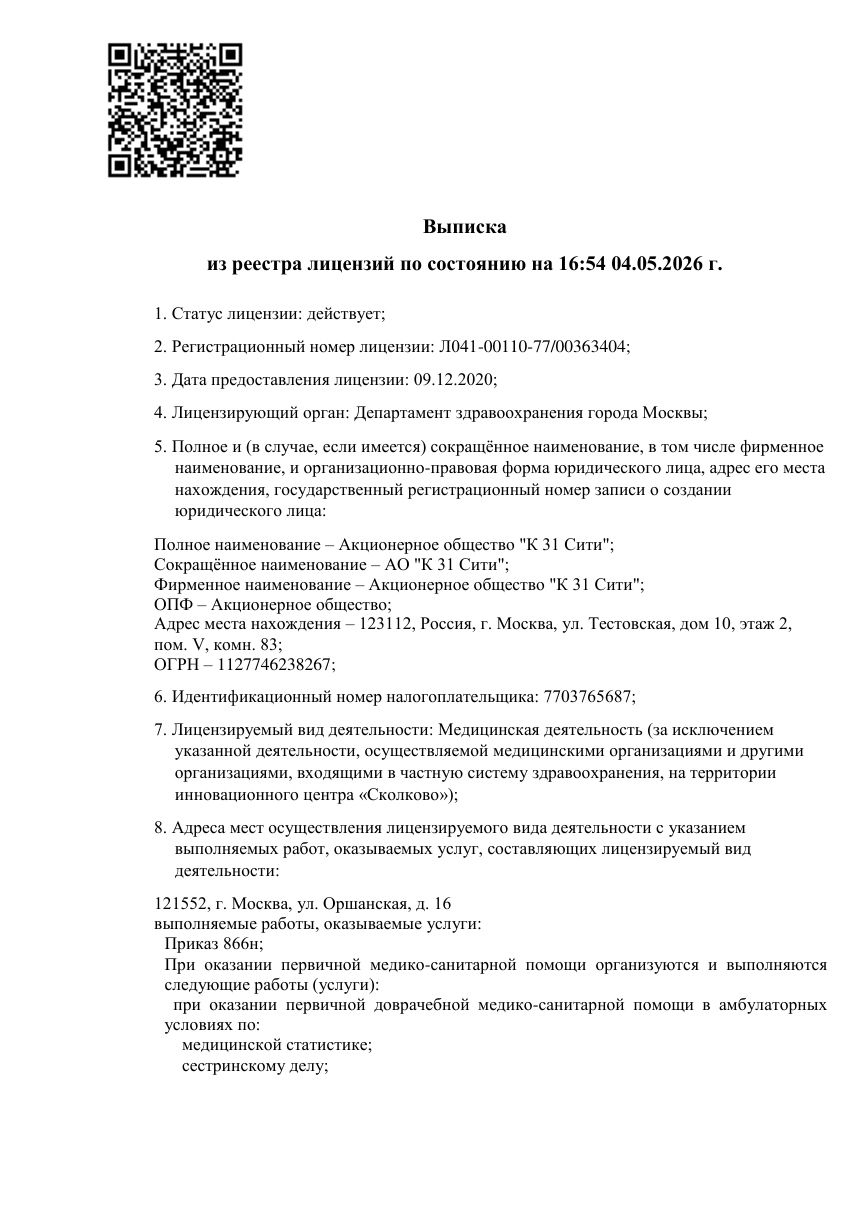
This award is given to clinics with the highest ratings according to user ratings, a large number of requests from this site, and in the absence of critical violations.

«Good place» according to Yandex

This award is given to clinics with the highest ratings according to user ratings. It means that the place is known, loved, and definitely worth visiting.

Our doctors are laureates of the ProDoctors Award

The ProDoctors portal collected 500 thousand reviews, compiled a rating of doctors based on them and awarded the best. We are proud that our doctors are among those awarded.

Make an appointment at a convenient time on the nearest date

Price

Initial appointment with a pediatric traumatologist-orthopedist
from 8 950 ₽
Follow-up appointment with a pediatric traumatologist-orthopedist
from 7 950 ₽

Other Services

Treatment of hip sprain in a child Ankle injury in a child: treatment and recovery Calf muscle strain in children: symptoms and treatment Treatment of sprains in children: symptoms, first aid and recovery Treatment of pectoral muscle strain in children Treatment of muscle strains in children Hip sprain in children: symptoms and treatment Sprained Foot in Children: Treatment, Symptoms, First Aid, and Recovery Treatment of Achilles tendon strain in children First aid for bleeding in children: how to act quickly and safely Neck Strain in Children: Symptoms, Treatment, and Recovery Subungual hematoma in children: symptoms, first aid, and treatment in Moscow Wrist sprain in a child: symptoms, treatment, and recovery Subcutaneous hematoma in a child: symptoms, treatment, and first aid Treatment of the consequences of trauma in children Orthopedic rehabilitation for children in Moscow: recovery from injuries, surgeries, and musculoskeletal disorders Reduction of subluxations and dislocations in children Plaster cast application for a child: procedure, types of casts, and care Treatment for a child's shoulder sprain Soft tissue hematoma in a child: symptoms, first aid, and treatment Application of an immobilization bandage to children Swelling after a bruise in a child: treatment and first aid Hip contusion in a child: symptoms, first aid, and treatment Head injury in children: treatment, symptoms, and first aid Chest contusion in a child: symptoms, first aid, and treatment A child's post-injury hematoma: how to treat it, when to see a doctor, and what to do in the first few hours Hematoma on a child's arm: causes, symptoms, and treatment Treatment of a child's hand contusion: symptoms, first aid, and recovery Hematoma on a child's finger: first aid, treatment, and when to see a doctor Knee contusion in a child: treatment, symptoms, and first aid Bruised tailbone in a child: symptoms, first aid, and treatment in Moscow Elbow bruise in a child: symptoms, first aid and treatment Bruised leg in a child: symptoms, first aid and treatment Hematoma on a child's leg: causes, symptoms, first aid, and treatment Hematoma on a child's face: causes, first aid, and treatment in Moscow Treatment of groin strain in children Bruised nail in a child: treatment, first aid, symptoms, and recovery Hematoma on the head of a child: treatment and symptoms Eye hematoma in a child: treatment, first aid, and when to see a doctor Bruised ribs in children: treatment, symptoms, and first aid Back strain in children: symptoms, treatment, and recovery Soft tissue contusion in a child: symptoms, first aid, and treatment Treatment of a joint contusion in a child in Moscow: symptoms, first aid, diagnosis, and recovery Bruised nose in a child: treatment, first aid, and when to see a doctor Bruised Foot in a Child: Symptoms, First Aid, and Treatment in Moscow Bruised finger in a child: treatment, first aid, and when to see a doctor Back injury in a child: symptoms, first aid, and treatment in Moscow Bruised arm in a child: symptoms, first aid, and treatment Shoulder contusion in a child: symptoms, first aid and treatment Bruised ribs in children: symptoms, treatment, and first aid Treatment of fractures in children in Moscow Knee sprains in children: symptoms, treatment, and recovery Leg fracture in a child: treatment, symptoms, and recovery Treatment after a fracture in children: how recovery and rehabilitation proceed Treatment of a closed fracture in a child: symptoms, first aid, diagnosis, treatment and recovery Treatment of a jaw fracture in a child Compression fracture of the thoracic spine in children: treatment, diagnosis and recovery Humeral neck fracture in children: treatment, symptoms, and recovery Treatment of radius fracture in children Coccyx fracture in children: symptoms, treatment, and recovery Treatment of a broken nose in a child Patella fracture: treatment in children Sacral fracture in children: symptoms, diagnosis and treatment Treatment of a broken little finger in children: symptoms and recovery Treatment of metatarsal fractures in children Zygomatic bone fracture in a child: symptoms, diagnosis, treatment and recovery Ulna fracture in children: treatment, symptoms and recovery Humeral tubercle fracture in children: treatment and recovery Conservative treatment of fractures in children: how is treatment performed without surgery? Functional method of treating fractures in children 24-hour trauma care for children: when urgent help is needed Clavicle fracture in a child Fracture of the tibial condyles in children Emergency traumatology for children: urgent care for injuries Ankle fracture in children: symptoms, treatment and recovery Treatment of spinal fractures in children Pubic bone fracture in a child Hip fracture in children: treatment, diagnosis and recovery Pelvic bone fracture in children: treatment, symptoms, and recovery Traumatic brain injury in children: treatment, symptoms, and recovery Sciatic bone fracture: treatment in children Olecranon fracture in children: treatment, symptoms, recovery Treatment of humeral fracture in children Scapula fracture in children: symptoms, diagnosis and treatment Calcaneal fracture in a child: treatment, symptoms, and recovery Broken toe in a child: symptoms, treatment and recovery Sternal fracture in children Treatment of tibia fracture in children Foot fracture in a child Cervical vertebrae fractures in children
Make an appointment

Appointment to the doctor

Fill out the form, our managers will contact you within 15 minutes
Почему К+31?
К + 31 — full-cycle multidisciplinary medical centers, including the possibility of providing medical services of European quality level.
К + 31 — are leading doctors and diagnostics using high-tech equipment from world manufacturers (Karl Storz, Olympus, Siemens, Toshiba, Bausch&Lomb, Technolas, Zeiss, Topcon).
К + 31 — is ethical. The staff of K+31 clinics maintain open relationships with patients and partners. An individual approach to each patient is the basis of our service standards.
К + 31 — is modernity. On call 24/7: call center operators will answer your questions at any time and book you an appointment with doctors. Contact us by phone, through the feedback form on the website and Max.

Our clinics

Address K+31 on Lobachevskogo

st. Lobachevskogo, 42/4

Contacts

+7 499 999-31-31

Opening hours

Mon-Fri: 08:00 – 21:00
Weekend: 09:00 – 19:00
Didn't find the service you were looking for?

Экстренная помощь