Sacral fracture in children: symptoms, diagnosis and treatment

Child injuries are a common problem for parents of active children. Sacral fractures are less common in children than arm and leg injuries, but this doesn't mean adults should ignore back injuries.

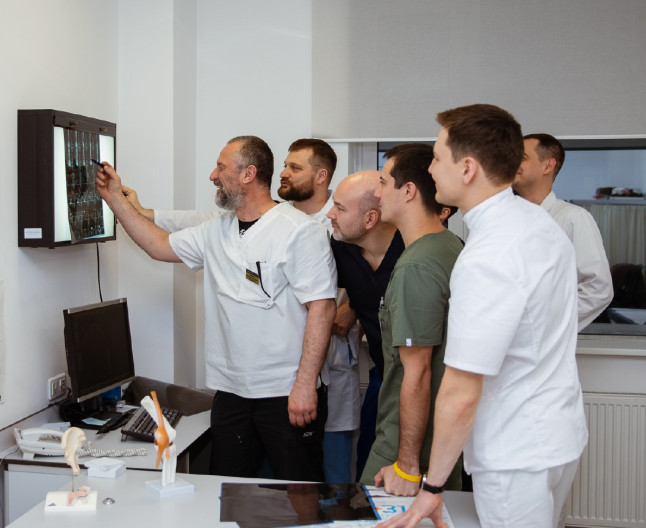
Best specialists
Best
specialists
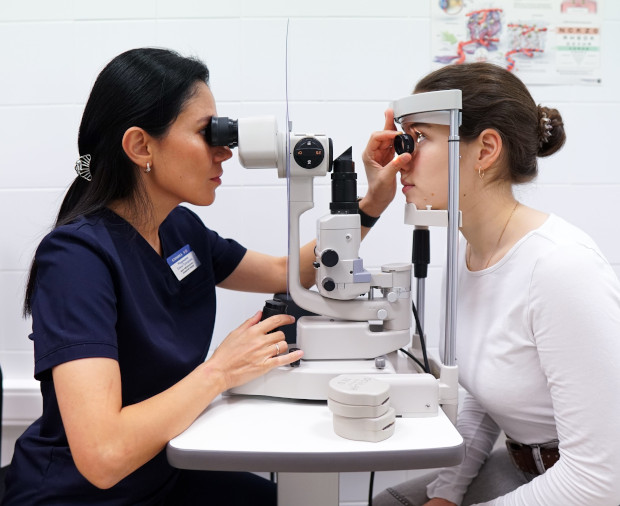
Expert equipment
Expert
equipment
Advanced diagnostic treatment
Advanced diagnostic
treatment
Sign up
Fill out the entry form on the page and we will call you back
Sign up Позвонить
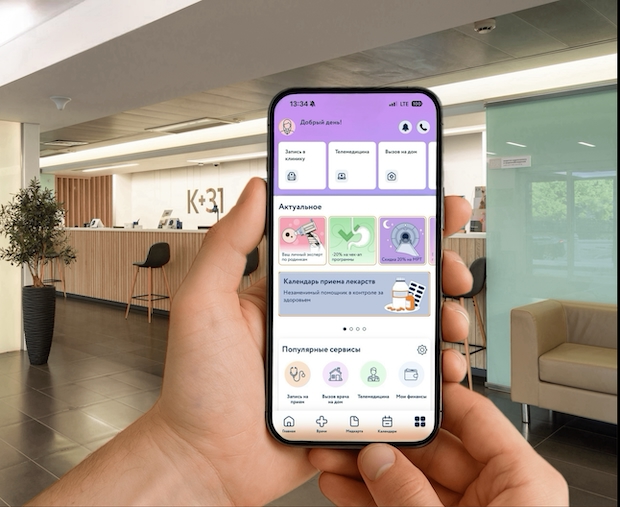
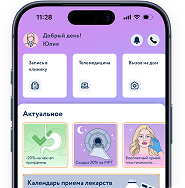
Download the application “Personal Account K+31”
Everything about your health in one click!
Subscribe to social networks K+31
To keep up to date with current offers and receive useful advice about your health.

What is a sacral fracture and why is it dangerous in childhood?

The sacrum is a large, wedge-shaped bone located at the base of the spine. It connects the spinal column to the pelvic bones and provides stability to the entire skeleton. In childhood, the sacrum consists of individual vertebrae separated by cartilaginous tissue, which do not fully fuse until 18–25 years of age.

A sacral fracture in children is a dangerous injury. The main danger lies in damage to the nerve structures passing through the sacral foramina. Even a slight displacement of bone fragments can lead to compression of the nerves responsible for pelvic function and sensation in the lower extremities.

Furthermore, the sacrum is an important part of the pelvic ring. This means that any pelvic injury (if not properly treated) can impair a child's gait and cause organ displacement.

What is a sacral fracture and why is it dangerous in childhood?
Causes of sacral injury in children

Causes of sacral injury in children

The main cause of injury is a fall or impact (including a car accident). Children have more flexible bones, so fractures are rare.

Fall and impact to the pelvis

The most common cause is a fall on the butt from standing height or higher. This can happen on a playground, on slippery ice, or while jumping. A direct blow to the sacrum can also cause a crack or fracture, especially if the impact occurs on a hard object.

Sports and household injuries

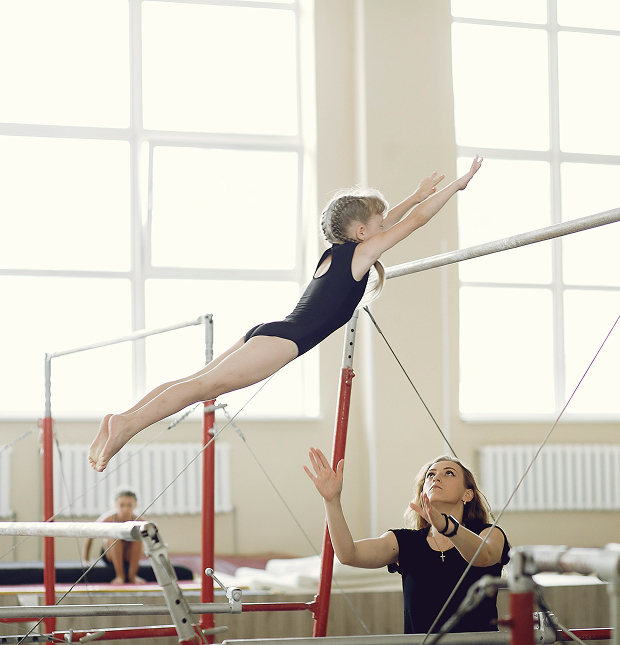
Sports injuries are a common cause of injury in adolescents involved in contact sports, gymnastics, horseback riding, or cycling. At home, injuries can occur from falling down stairs or furniture.

Road traffic and high-energy injuries

The most severe sacral fractures in children occur in road traffic accidents or falls from a great height. In such cases, the spinal and pelvic injuries are combined, requiring emergency hospitalization and a multidisciplinary approach to treatment.

Symptoms of a sacral fracture in children

Symptoms of a sacral fracture in children

The clinical picture can be vague, especially if the fracture is incomplete (cracked). It is important for parents to pay attention to any unusual behavior in their child after the injury.

Pain in the sacrum and buttocks

The main symptom is severe pain in the sacrum. The child may complain of a throbbing or aching pain in the lower back.

It is important to note that the pain can migrate. From the sacrum, it can move to the buttocks or groin. In this case, the pain intensifies with pressure and movement.
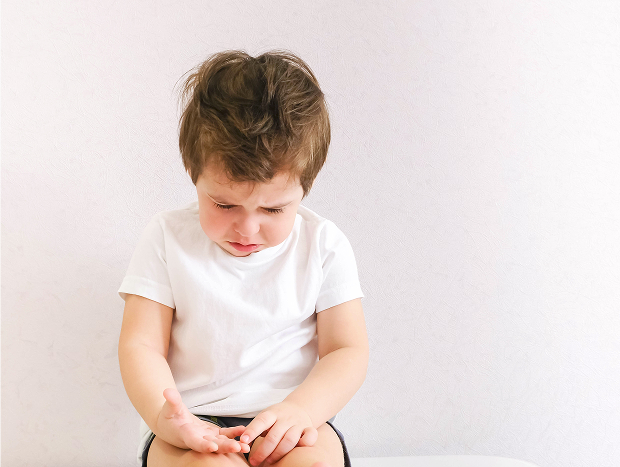
Limited movement, pain when sitting and walking

Limited movement, pain when sitting and walking

Immediately after the injury, movement is limited: the child finds it painful to sit on a hard chair or on the floor, and they tend to shift their weight to one side.

The child's gait becomes unsteady, and they limp for no apparent reason. Severe pain occurs when attempting to lift the leg.

When neurological symptoms appear

Neurological symptoms appear if the nerve roots are affected. Numbness in the perineum and stabbing pain in the feet or calf muscles appear.

The most alarming symptom is impaired control over urination and defecation, which indicates critical compression of the nerve endings.

General information

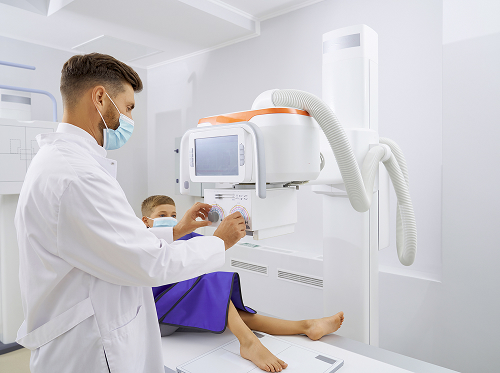
How is a sacral fracture diagnosed?

Timely diagnosis of a sacral fracture is complicated by the fact that small cracks can be hidden behind intestinal loops on routine imaging. Therefore, the examination must be comprehensive.

Examination by a pediatric traumatologist-orthopedist

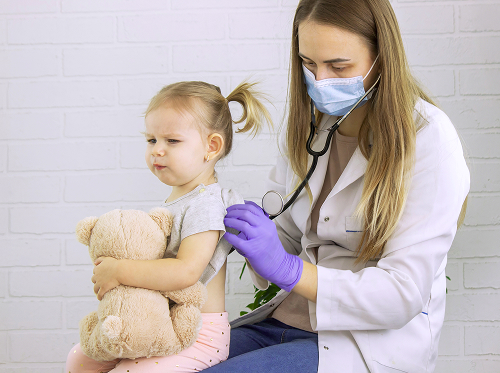
The first step is always a clinical examination. The pediatric traumatologist assesses pelvic symmetry, range of motion in the hip joints, and checks the integrity of reflexes. The orthopedic traumatologist also collects a medical history to understand the force and direction of the impact.

X-rays: when are they sufficient?

Plain radiography in two projections is the standard method of initial examination. This is the only way the doctor can detect skeletal displacement and signs of a fracture.

But there's a caveat: due to the peculiarities of bone structure, X-rays don't always provide a 100% diagnostic result.

CT and MRI: When are they prescribed?

If the X-ray reveals nothing and the pain persists, a CT scan is prescribed. This is the only way to see the pelvic bones and assess the extent of the fracture.

Magnetic resonance imaging (MRI) is necessary if damage to soft tissues, ligaments, and nerve roots is suspected.

How is a sacral fracture diagnosed?

Treatment of a sacral fracture in a child

The choice of treatment depends on the stability of the injury and the presence of displacement of bone fragments.

Conservative treatment

If an uncomplicated sacral fracture is diagnosed, conservative treatment is performed. In this case, the main goal is to ensure natural bone healing.

Pain relief and gentle rest

With a fracture, the child experiences pain. Therefore, the doctor's primary goal is to relieve the pain and advise on a gentle rest regimen. In the first few weeks, the doctor may prescribe bed rest to avoid putting stress on the pelvic ring.

If the pain subsides, standing and walking are permitted; sitting is prohibited for 4-6 weeks.

When is surgical treatment required?

Surgical treatment is prescribed for unstable fractures, significant displacement of fragments, or increasing neurological symptoms. The goal of the surgery is to decompress (release) the nerves and fix the bones with special screws or plates.

The following table is provided for comparison of treatment methods:

Conservative and surgical treatment of sacral fractures

TacticsWhen usedWhat it includes
Conservative treatmentFor a stable fracture without significant displacementGentle regimen, pain relief, observation, recovery
Surgical treatmentFor instability, displacement, neurological disordersSurgical fixation, postoperative observation, rehabilitation
Treatment of a sacral fracture in a child

Recovery and rehabilitation

Once the primary callus has formed, the rehabilitation phase begins, which determines the child's health and gait.

Loading regimen and movement control

Recovery after a sacral fracture begins slowly. Initially, the child is allowed to sit on special orthopedic cushions with a hole in the middle (this helps reduce pressure on the sacrum).

Limited movement includes not only a reduction in overall activity but also a prohibition on sudden bending.

Physical therapy and a gradual return to activity

Physical therapy (PT) is necessary for the development of joints that have been immobile for a long time. PT can strengthen the muscles of the pelvic floor, back, and hips. This is the only way to relieve stress on the spine. Physical therapy sessions should be supervised by a specialist, beginning with minimal range of motion.

Follow-up examinations and recovery timelines

Follow-up examinations are scheduled at 1, 3, and 6 months after the injury. The doctor evaluates the healing rate based on X-ray results. On average, full recovery takes 3 to 6 months, but professional sports may be suspended for up to a year.

Recovery and rehabilitation

Possible complications and prognosis

With timely treatment, the prognosis is favorable in most cases. However, ignoring recommendations can lead to complications, including chronic sacral pain, gait disturbance, or the development of post-traumatic radiculitis. In girls, severe pelvic trauma may require special attention when planning a future pregnancy.

Possible complications and prognosis

When to seek immediate medical attention

Parents should be aware of the "red flags" that indicate a serious need for immediate medical attention. Seek immediate medical attention if, after an injury:

  • There is severe pain
  • The child cannot stand or support themselves
  • Neurological symptoms (numbness in the legs or pelvic area) develop
  • Any urinary or bowel problems occur
  • The pain does not subside even with rest
When to seek immediate medical attention

Preventing sacral injuries in children

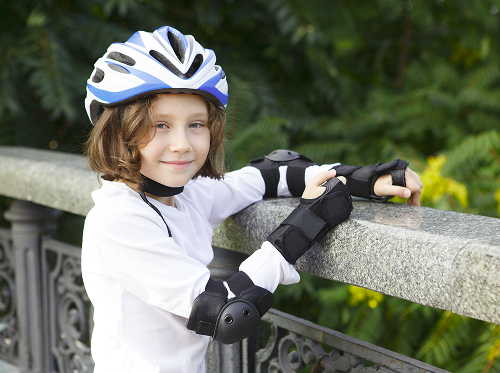
Prevention means teaching your child safety techniques. If they like rollerblading or cycling, insist that they wear appropriate equipment. If they play sports, ask a coach to teach them how to fall safely.

Preventing sacral injuries in children
Conclusion

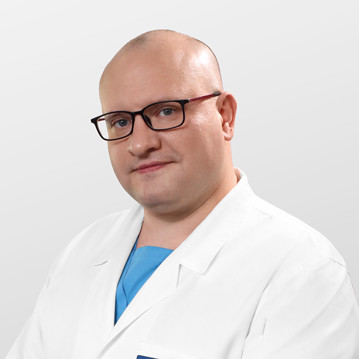
A sacral fracture in children is a serious injury that requires professional diagnosis and patience. As the expert notes:

"In pediatric traumatology, it's especially important not to rely solely on the severity of pain: even moderate complaints in a child can conceal a serious injury. Therefore, we always assess not only the fracture itself, but also the condition of the pelvis, nerve structures, and range of motion."

With appropriate treatment for a sacral fracture, a child's body is capable of complete regeneration without compromising quality of life. Remember that early diagnosis of a sacral fracture is the key to a successful recovery.

Questions and answers

How does a sacral fracture manifest in children?

Symptoms of a sacral fracture include lower back pain. This pain intensifies when attempting to sit, stand, or walk. The child experiences discomfort, and the pain may radiate to the buttocks. In severe cases, weakness in the legs or difficulty going to the toilet may occur.

How is a sacral fracture diagnosed?

First, an orthopedic traumatologist conducts an examination and analyzes the patient's symptoms. X-rays are used to confirm the diagnosis. If the case is complex or nerve damage is suspected, a CT scan or MRI is prescribed.

Is surgery always necessary for a sacral fracture?

No. In childhood, treatment primarily involves bed rest, relaxation, and pain relief. Surgery is necessary for displaced fractures or when the injury threatens the nervous system.

How long does recovery from a sacral fracture take?

Recovery from a sacral fracture is an individual process. It all depends on age and the severity of the injury. Typically, it requires several months of gentle exercise under a doctor's supervision, gradually introducing exercises.

Our doctors

Polovnikova (Kroshkina) Valeria Alexandrovna
Experience 15 years
Make an appointment
Polovnikova (Kroshkina)
Valeria Alexandrovna
Traumatologist-orthopedist, pediatric
Lopatin Kirill Alexandrovich
Experience 16 years
Make an appointment
Lopatin
Kirill Alexandrovich
Traumatologist-orthopedist, pediatric
All specialists
2GIS Award
2GIS Award

This award is given to clinics with the highest ratings according to user ratings, a large number of requests from this site, and in the absence of critical violations.

«Good place» according to Yandex

This award is given to clinics with the highest ratings according to user ratings. It means that the place is known, loved, and definitely worth visiting.

Our doctors are laureates of the ProDoctors Award

The ProDoctors portal collected 500 thousand reviews, compiled a rating of doctors based on them and awarded the best. We are proud that our doctors are among those awarded.

Make an appointment at a convenient time on the nearest date

Price

Initial appointment with a pediatric traumatologist-orthopedist
from 8 950 ₽
Follow-up appointment with a pediatric traumatologist-orthopedist
from 7 950 ₽

Other Services

Treatment of hip sprain in a child Ankle injury in a child: treatment and recovery Calf muscle strain in children: symptoms and treatment Treatment of sprains in children: symptoms, first aid and recovery Treatment of pectoral muscle strain in children Treatment of muscle strains in children Hip sprain in children: symptoms and treatment Sprained Foot in Children: Treatment, Symptoms, First Aid, and Recovery Treatment of Achilles tendon strain in children First aid for bleeding in children: how to act quickly and safely Neck Strain in Children: Symptoms, Treatment, and Recovery Subungual hematoma in children: symptoms, first aid, and treatment in Moscow Wrist sprain in a child: symptoms, treatment, and recovery Subcutaneous hematoma in a child: symptoms, treatment, and first aid Treatment of the consequences of trauma in children Orthopedic rehabilitation for children in Moscow: recovery from injuries, surgeries, and musculoskeletal disorders Reduction of subluxations and dislocations in children Plaster cast application for a child: procedure, types of casts, and care Treatment for a child's shoulder sprain Soft tissue hematoma in a child: symptoms, first aid, and treatment Application of an immobilization bandage to children Swelling after a bruise in a child: treatment and first aid Hip contusion in a child: symptoms, first aid, and treatment Head injury in children: treatment, symptoms, and first aid Chest contusion in a child: symptoms, first aid, and treatment A child's post-injury hematoma: how to treat it, when to see a doctor, and what to do in the first few hours Hematoma on a child's arm: causes, symptoms, and treatment Treatment of a child's hand contusion: symptoms, first aid, and recovery Hematoma on a child's finger: first aid, treatment, and when to see a doctor Knee contusion in a child: treatment, symptoms, and first aid Bruised tailbone in a child: symptoms, first aid, and treatment in Moscow Elbow bruise in a child: symptoms, first aid and treatment Bruised leg in a child: symptoms, first aid and treatment Hematoma on a child's leg: causes, symptoms, first aid, and treatment Hematoma on a child's face: causes, first aid, and treatment in Moscow Treatment of groin strain in children Bruised nail in a child: treatment, first aid, symptoms, and recovery Hematoma on the head of a child: treatment and symptoms Eye hematoma in a child: treatment, first aid, and when to see a doctor Bruised ribs in children: treatment, symptoms, and first aid Back strain in children: symptoms, treatment, and recovery Soft tissue contusion in a child: symptoms, first aid, and treatment Treatment of a joint contusion in a child in Moscow: symptoms, first aid, diagnosis, and recovery Bruised nose in a child: treatment, first aid, and when to see a doctor Bruised Foot in a Child: Symptoms, First Aid, and Treatment in Moscow Bruised finger in a child: treatment, first aid, and when to see a doctor Back injury in a child: symptoms, first aid, and treatment in Moscow Bruised arm in a child: symptoms, first aid, and treatment Shoulder contusion in a child: symptoms, first aid and treatment Bruised ribs in children: symptoms, treatment, and first aid Treatment of fractures in children in Moscow Treatment of a jaw fracture in a child Compression fracture of the thoracic spine in children: treatment, diagnosis and recovery Humeral neck fracture in children: treatment, symptoms, and recovery Coccyx fracture in children: symptoms, treatment, and recovery Treatment of a broken nose in a child Patella fracture: treatment in children Treatment of metatarsal fractures in children Zygomatic bone fracture in a child: symptoms, diagnosis, treatment and recovery Conservative treatment of fractures in children: how is treatment performed without surgery? Functional method of treating fractures in children 24-hour trauma care for children: when urgent help is needed Emergency traumatology for children: urgent care for injuries
Make an appointment

Appointment to the doctor
Fill out the form, our managers will contact you within 15 minutes
Почему К+31?
К + 31 — full-cycle multidisciplinary medical centers, including the possibility of providing medical services of European quality level.
К + 31 — are leading doctors and diagnostics using high-tech equipment from world manufacturers (Karl Storz, Olympus, Siemens, Toshiba, Bausch&Lomb, Technolas, Zeiss, Topcon).
К + 31 — is ethical. The staff of K+31 clinics maintain open relationships with patients and partners. An individual approach to each patient is the basis of our service standards.
К + 31 — is modernity. On call 24/7: call center operators will answer your questions at any time and book you an appointment with doctors. Contact us by phone, through the feedback form on the website and Max.

Our clinics

Address K+31 on Lobachevskogo

st. Lobachevskogo, 42/4

Contacts

+7 499 999-31-31

Opening hours

Mon-Fri: 08:00 – 21:00
Weekend: 09:00 – 19:00
Didn't find the service you were looking for?

Экстренная помощь