Broken Leg in a Child: Treatment, Symptoms, and Recovery

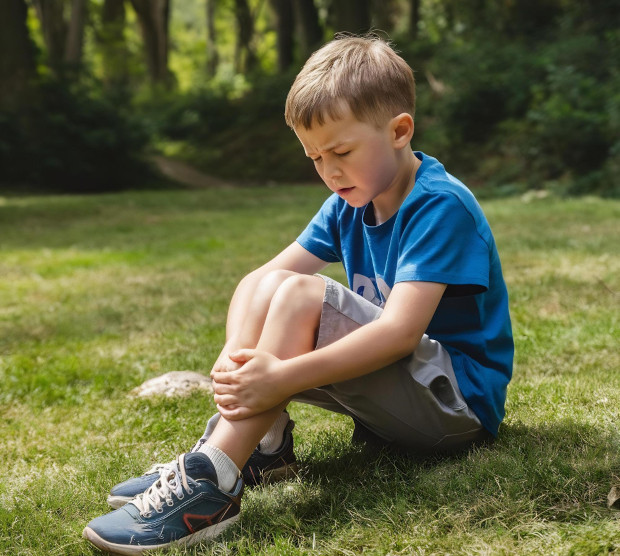
A child's leg injury always worries parents, especially after a fall, a jump, or active play. If you suspect a broken leg in a child early, you can seek help sooner and reduce the risk of complications.

In the first few minutes, pain, swelling, inability to put weight on the leg, and changes in the shape of the limb are important. This is how the symptoms of a broken leg in a child most often manifest, whether it's a foot fracture or a more severe hip fracture.

In this article, we'll discuss how a broken leg is treated, when weight-bearing restrictions are necessary, how recovery proceeds, and when a scheduled appointment cannot be expected.

Best specialists
Best
specialists
Expert equipment
Expert
equipment
Advanced diagnostic treatment
Advanced diagnostic
treatment
Sign up
Fill out the entry form on the page and we will call you back
Sign up Позвонить
Download the application “Personal Account K+31”
Everything about your health in one click!
Subscribe to social networks K+31
To keep up to date with current offers and receive useful advice about your health.

What is a broken leg in a child?

Which leg bones can be injured?

The lower limb consists of several major functional sections, each susceptible to specific injuries from unfortunate falls or direct impacts. In everyday medical practice, a child's tibia fracture is quite common, occurring from a strong twisting of the leg or a direct physical impact.

A complex hip fracture in a child is much less commonly diagnosed, as it typically requires a high traumatic force, such as a fall from a great height. A closed foot fracture can also occur in a child from an unsuccessful jump from a step or from a heavy object falling on it.

Why is the growth plate especially important?

At the ends of the long tubular bones in children are areas of cartilage. This allows the bone to gradually grow in length. The growth plate is less durable than dense bone tissue and therefore more easily damaged by injury.

If the fracture line passes through the cartilaginous plate, the risk of early closure increases. A preserved growth plate helps the limb develop correctly, without shortening or curvature.

What is a broken leg in a child?

How to recognize a broken leg

How to recognize a broken leg

Main Symptoms of a Leg Fracture

After a nasty fall or blow, a child often cries and categorically refuses to put weight on the injured limb. Classic symptoms of a leg fracture include increasing localized swelling of the soft tissues and sharp pain at the slightest touch of the skin.

The throbbing pain in the leg does not subside at rest and intensifies with any attempt at movement. The skin over the injury may become abnormally red or, conversely, pale due to localized circulatory problems.

Signs of a Displaced Fracture

Sometimes fragments of a broken bone become significantly displaced relative to their normal anatomical axis, damaging surrounding tissue. In such cases, a clearly visible deformity of the limb, its obvious shortening, or a completely abnormal joint position is clearly visible.

An acute displaced leg fracture is always accompanied by extensive subcutaneous hematomas and severe muscle tension. The victim experiences excruciating pain even when completely immobile.

First aid before seeing a doctor
First aid before seeing a doctor

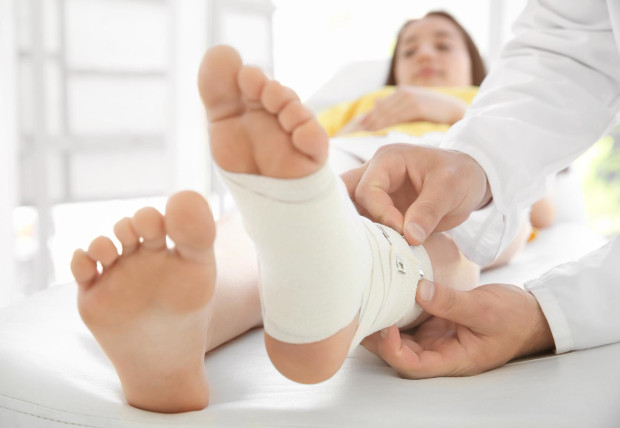
First aid for an injury influences subsequent treatment. The main goal in the first few minutes is to immobilize the injured area and minimize pain.

How to properly immobilize a leg

To prevent further separation of the bone fragments, immobilization of the limb is necessary. Immobilization should be done in the exact position it was in after the injury. Any sturdy materials can be used. For example, carefully bandaging the leg to a straight board, umbrella, or thick cardboard.

Immobilization should be applied not only to the injured area but also to the two adjacent joints—above and below the injury. The bandage should be moderately tight, so that the bandage holds and does not cut off the blood supply to the foot tissues.

General information

Diagnosing a Leg Fracture

An accurate and definitive diagnosis is made only in a specialized medical facility after an instrumental examination.

Examination by a Pediatric Traumatologist

In a modern clinic, the specialist begins with a careful visual assessment of the limb. A medical history is also collected from accompanying adults.

The pediatric traumatologist gently palpates the suspected injury site. They check vascular pulsation and neurological sensitivity of the foot. The doctor evaluates the range of possible motion, provided it doesn't cause unbearable suffering to the little patient.

"In my practice, a fracture in children doesn't always look 'obvious' from the outside: sometimes the deformity is minimal, but the growth plate is damaged. Therefore, if you experience any suspicious pain or a refusal to put weight on your foot, it's best not to wait, but to immediately undergo an examination and diagnosis," says an orthopedic traumatologist.

X-rays and additional tests

The absolute gold standard for diagnosing bone injuries is classical radiographic imaging. To accurately confirm a leg fracture in a child, a digital X-ray (in two different projections) is always performed. The resulting images show:

  1. Fracture line
  2. Number of fragments
  3. Their spatial arrangement

In the most complex cases, especially if joint or ligament damage is suspected, a CT or MRI scan is prescribed.
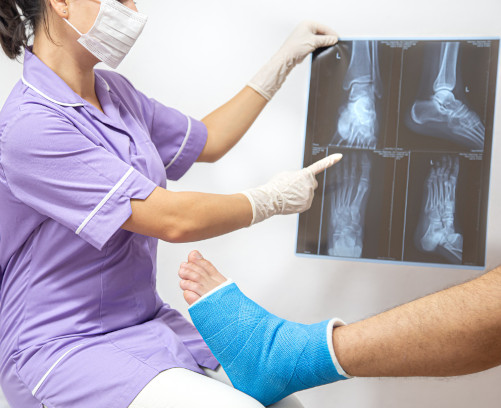
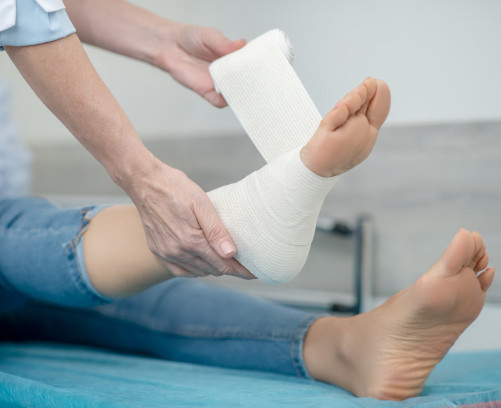
Diagnosing a Leg Fracture

What determines the treatment strategy?

The medical approach to each specific injury is strictly individualized. It is based on a combination of diagnostic results.

Child's age

In children under three years of age, bones heal extremely quickly due to their naturally high metabolic rate. Therefore, initial treatment for a leg fracture in a young child is most often limited to simple external fixation for a relatively short period. In adolescents, the recovery period objectively takes much longer and requires more rigorous stage-by-stage monitoring.

Fracture location and type

The therapeutic approach varies significantly depending on the specific anatomical part of the leg that is injured. In cases where a stable, closed, non-displaced fracture is diagnosed, applying a tight polymer cast or a lightweight, modern brace may be sufficient.

At the same time, a severe tibia fracture in a child may require a more robust external structure to securely hold the unstable fragments. The doctor always weighs all the risks before choosing an immobilization method.

What determines the treatment strategy?

How to Treat a Child's Leg Fracture

Modern orthopedic medicine offers a variety of proven fixation options, clearly favoring the most gentle and effective methods. Competent doctors always explain in detail to parents how a leg fracture is treated in their specific clinical case.

Conservative Treatment: Plaster, Splint, Orthosis

In the vast majority of typical cases, a safe, non-surgical approach is used. A traditional circular cast reliably and firmly immobilizes the limb, completely eliminating any microscopic movement of the fragments.

A lighter and more comfortable option is a plaster or polymer splint, which covers only one side of the leg and is secured with elastic bandages. At the final stage of follow-up care, the doctor may prescribe a rigid, removable orthosis that can be easily removed for hygiene procedures.

Reduction in case of displacement

If the bone fragments have become significantly displaced, they must be urgently returned to their correct physiological position. The closed reduction procedure is always performed under light general anesthesia or effective local anesthesia to prevent pain shock.

Once the fragments are perfectly aligned, a rigid fixing bandage is applied to the damaged segment. A control X-ray is then taken in the X-ray room to ensure the correct surgical procedure.

When surgery may be required

Full-scale surgical intervention becomes inevitable in cases of open fractures, multiple fragments, and concomitant damage to major blood vessels.

Emergency surgery is also prescribed if closed manual reduction has failed to produce the desired result or unstable fragments have re-displaced under the cast. An experienced surgeon fixes the bones from the inside using special medical pins, titanium screws, or plates.

For a clear understanding of the differences in medical tactics, see the table below.

Comparison table:

Type of injury What may be visible What is usually done What to look for
Fracture without displacement Pain, swelling, limited motion Fixation, observation Monitoring of union
Fracture with displacement Deformity, severe pain Reposition, Fixation Repeat examination, imaging
Open fracture Wound, bleeding, pain Emergency care Risk of infection, urgency

This table clearly helps you understand the basic algorithms of medical actions for different levels of injury.

How to Treat a Child's Leg Fracture

Healing Time and Recovery Monitoring

The natural process of forming new, dense bone tissue requires time and systematic medical monitoring. It's important to understand that treating a leg fracture requires a comprehensive medical approach at all stages of recovery.

What Determines Healing Time

The total period of wearing a rigid brace varies from a few weeks to several long months. The rate of complete consolidation is directly affected by:

  • Severity of the injury
  • Accuracy of initial fragment alignment
  • Individual immune system characteristics

Complete treatment of a child's leg fracture also depends largely on strict adherence to the prescribed orthopedic home regimen.

Why are follow-up examinations necessary?

Even with a technically perfect cast, fragile fragments can suddenly shift due to the natural subsidence of soft tissue swelling. To promptly detect this undesirable phenomenon, a pediatric traumatologist schedules strict scheduled clinic visits.

Midway through the treatment course, a repeat x-ray is usually taken, detailing the quality of new callus formation. Based on this objective data, the treating physician makes an informed decision about removing the fixation.

Healing Time and Recovery Monitoring

Rehabilitation after a fracture

The long-awaited removal of a cast is only half the difficult road to a full and complete recovery. Only competent and consistent rehabilitation after a fracture can restore the limb's former muscle strength and joint mobility.

Return to active play and sports

Parents often rush their child back to their favorite sports club, but any rush is extremely dangerous. Fresh bone callus remains vulnerable to strong impact or twisting loads for quite some time.

The decision on the safe resumption of intense exercise is made exclusively by the attending physician after a final X-ray. High-quality rehabilitation after a fracture must be fully and successfully completed before returning to sports.

When is urgent care needed?

There are certain alarming clinical signs that always require an immediate call for emergency medical assistance. Closely monitor the victim's general condition.

Be sure to consult a doctor if the following symptoms are observed:

  • Severe leg deformity
  • Severe pain
  • The child is unable to put weight on the foot
  • Severe swelling
  • The foot is pale, cold, or numb
  • There is an open wound

These symptoms clearly indicate the severity of the injury and the risk of rapidly developing dangerous complications.

Rehabilitation after a fracture

Frequently Asked Questions

In the doctor's office, anxious parents regularly ask similar questions about the course of treatment. We've compiled the most common ones and prepared easy-to-understand answers.

Can a child walk with a broken leg?

Generally, no: the doctor determines the weight-bearing capacity of the leg after an examination and x-ray. Independent weight-bearing on the injured leg is prohibited. For some types of fractures, minimal weight-bearing is permitted, but only with the use of crutches with the express permission of an orthopedist.

How long should a cast be worn?

The length of time depends on the type of fracture, the child's age, the presence of displacement, and the growth plate. The exact length of time is determined by the doctor after monitoring the healing process. This period typically lasts from three to six weeks, depending on the progress of the recovery.

When can I return to sports?

Only after confirmed healing and the doctor's approval. Rushing increases the risk of re-injury. Activities should only be started with minimal weight-bearing under the strict supervision of an experienced trainer.

Are repeat x-rays necessary?

In most cases, yes, if the doctor wants to assess the position of the fragments and the progress of healing, especially in cases of displaced fractures and growth plate injuries. Regular radiographic examinations ensure that your leg fracture treatment is progressing according to the correct and safe plan.

Our doctors

Polovnikova (Kroshkina) Valeria Alexandrovna
Experience 15 years
Make an appointment
Polovnikova (Kroshkina)
Valeria Alexandrovna
Traumatologist-orthopedist, pediatric
Lopatin Kirill Alexandrovich
Experience 16 years
Make an appointment
Lopatin
Kirill Alexandrovich
Traumatologist-orthopedist, pediatric
All specialists
2GIS Award
2GIS Award

This award is given to clinics with the highest ratings according to user ratings, a large number of requests from this site, and in the absence of critical violations.

«Good place» according to Yandex

This award is given to clinics with the highest ratings according to user ratings. It means that the place is known, loved, and definitely worth visiting.

Our doctors are laureates of the ProDoctors Award

The ProDoctors portal collected 500 thousand reviews, compiled a rating of doctors based on them and awarded the best. We are proud that our doctors are among those awarded.

Make an appointment at a convenient time on the nearest date

Price

Initial appointment with a pediatric traumatologist-orthopedist
from 8 950 ₽
Follow-up appointment with a pediatric traumatologist-orthopedist
from 7 950 ₽

Other Services

Treatment of hip sprain in a child Ankle injury in a child: treatment and recovery Calf muscle strain in children: symptoms and treatment Treatment of sprains in children: symptoms, first aid and recovery Treatment of pectoral muscle strain in children Treatment of muscle strains in children Hip sprain in children: symptoms and treatment Sprained Foot in Children: Treatment, Symptoms, First Aid, and Recovery Treatment of Achilles tendon strain in children First aid for bleeding in children: how to act quickly and safely Neck Strain in Children: Symptoms, Treatment, and Recovery Subungual hematoma in children: symptoms, first aid, and treatment in Moscow Wrist sprain in a child: symptoms, treatment, and recovery Subcutaneous hematoma in a child: symptoms, treatment, and first aid Treatment of the consequences of trauma in children Orthopedic rehabilitation for children in Moscow: recovery from injuries, surgeries, and musculoskeletal disorders Reduction of subluxations and dislocations in children Plaster cast application for a child: procedure, types of casts, and care Treatment for a child's shoulder sprain Soft tissue hematoma in a child: symptoms, first aid, and treatment Application of an immobilization bandage to children Swelling after a bruise in a child: treatment and first aid Hip contusion in a child: symptoms, first aid, and treatment Head injury in children: treatment, symptoms, and first aid Chest contusion in a child: symptoms, first aid, and treatment A child's post-injury hematoma: how to treat it, when to see a doctor, and what to do in the first few hours Hematoma on a child's arm: causes, symptoms, and treatment Treatment of a child's hand contusion: symptoms, first aid, and recovery Hematoma on a child's finger: first aid, treatment, and when to see a doctor Knee contusion in a child: treatment, symptoms, and first aid Bruised tailbone in a child: symptoms, first aid, and treatment in Moscow Elbow bruise in a child: symptoms, first aid and treatment Bruised leg in a child: symptoms, first aid and treatment Hematoma on a child's leg: causes, symptoms, first aid, and treatment Hematoma on a child's face: causes, first aid, and treatment in Moscow Treatment of groin strain in children Bruised nail in a child: treatment, first aid, symptoms, and recovery Hematoma on the head of a child: treatment and symptoms Eye hematoma in a child: treatment, first aid, and when to see a doctor Bruised ribs in children: treatment, symptoms, and first aid Back strain in children: symptoms, treatment, and recovery Soft tissue contusion in a child: symptoms, first aid, and treatment Treatment of a joint contusion in a child in Moscow: symptoms, first aid, diagnosis, and recovery Bruised nose in a child: treatment, first aid, and when to see a doctor Bruised Foot in a Child: Symptoms, First Aid, and Treatment in Moscow Bruised finger in a child: treatment, first aid, and when to see a doctor Back injury in a child: symptoms, first aid, and treatment in Moscow Bruised arm in a child: symptoms, first aid, and treatment Shoulder contusion in a child: symptoms, first aid and treatment Bruised ribs in children: symptoms, treatment, and first aid Treatment of fractures in children in Moscow Correcting Bowed Legs in Children: When to See an Orthopedist Knee sprains in children: symptoms, treatment, and recovery Treatment after a fracture in children: how recovery and rehabilitation proceed Treatment of a closed fracture in a child: symptoms, first aid, diagnosis, treatment and recovery Treatment of a jaw fracture in a child Compression fracture of the thoracic spine in children: treatment, diagnosis and recovery Humeral neck fracture in children: treatment, symptoms, and recovery Treatment of radius fracture in children Coccyx fracture in children: symptoms, treatment, and recovery Treatment of a broken nose in a child Patella fracture: treatment in children Sacral fracture in children: symptoms, diagnosis and treatment Treatment of a broken little finger in children: symptoms and recovery Treatment of metatarsal fractures in children Zygomatic bone fracture in a child: symptoms, diagnosis, treatment and recovery Ulna fracture in children: treatment, symptoms and recovery Humeral tubercle fracture in children: treatment and recovery Conservative treatment of fractures in children: how is treatment performed without surgery? Functional method of treating fractures in children 24-hour trauma care for children: when urgent help is needed Clavicle fracture in a child Fracture of the tibial condyles in children Emergency traumatology for children: urgent care for injuries Ankle fracture in children: symptoms, treatment and recovery Treatment of spinal fractures in children Pubic bone fracture in a child Hip fracture in children: treatment, diagnosis and recovery Pelvic bone fracture in children: treatment, symptoms, and recovery Traumatic brain injury in children: treatment, symptoms, and recovery Sciatic bone fracture: treatment in children Olecranon fracture in children: treatment, symptoms, recovery Treatment of humeral fracture in children Scapula fracture in children: symptoms, diagnosis and treatment Calcaneal fracture in a child: treatment, symptoms, and recovery Broken toe in a child: symptoms, treatment and recovery Sternal fracture in children Treatment of tibia fracture in children Foot fracture in a child Cervical vertebrae fractures in children
Make an appointment

Appointment to the doctor
Fill out the form, our managers will contact you within 15 minutes
Почему К+31?
К + 31 — full-cycle multidisciplinary medical centers, including the possibility of providing medical services of European quality level.
К + 31 — are leading doctors and diagnostics using high-tech equipment from world manufacturers (Karl Storz, Olympus, Siemens, Toshiba, Bausch&Lomb, Technolas, Zeiss, Topcon).
К + 31 — is ethical. The staff of K+31 clinics maintain open relationships with patients and partners. An individual approach to each patient is the basis of our service standards.
К + 31 — is modernity. On call 24/7: call center operators will answer your questions at any time and book you an appointment with doctors. Contact us by phone, through the feedback form on the website and Max.

Our clinics

Address K+31 on Lobachevskogo

st. Lobachevskogo, 42/4

Contacts

+7 499 999-31-31

Opening hours

Mon-Fri: 08:00 – 21:00
Weekend: 09:00 – 19:00
Didn't find the service you were looking for?

Экстренная помощь