
Treatment of joint contusions in children in Moscow: symptoms, first aid, diagnosis, and recovery
Children are very active, so joint contusions are common in childhood. After a blow, parents don't always understand the severity of the injury, as the contusion can resemble a more serious injury. Therefore, it's important not to jump to conclusions but to carefully assess pain, swelling, and mobility. This assessment is the beginning of treatment for joint contusions in children, as it determines the subsequent course of action.
When the nature of the injury is clear, it's easier to seek help promptly, avoid complications, and prevent a delayed recovery. In this situation, a pediatric traumatologist will confirm the diagnosis and select a safe rehabilitation treatment based on the child's age.

specialists

equipment

treatment



The main symptoms of a joint contusion in children
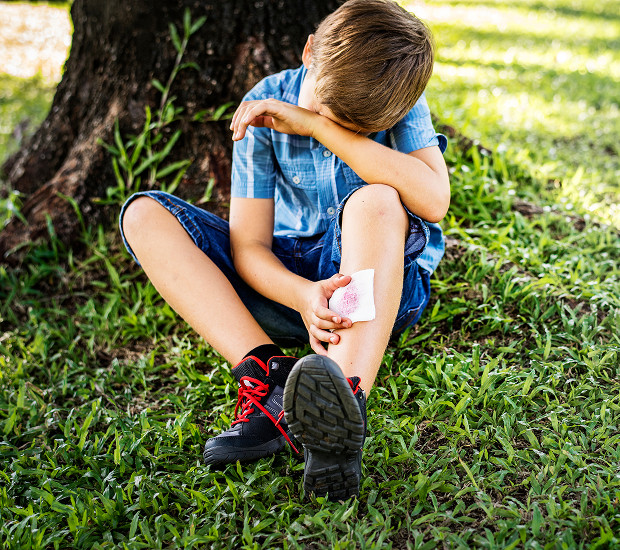
The clinical picture manifests itself quickly. The body reacts to mechanical damage with a standard set of signals. It is important for parents to notice external changes promptly.
Pain and Swelling
The primary symptom is joint pain in a child after an impact. Painful sensations arise immediately due to irritation of receptors. After a short period of time, swelling of the joint develops. The tissues increase in volume, the skin becomes taut and hot to the touch. The severity of the swelling depends on the force of the mechanical impact and the location of the injury.
Bruise, Swelling, and Limitation of Motion
Bruise and swelling after a contusion occur due to damage to small capillaries in the area of the impact. As the tissue heals, the color of the hematoma gradually changes: at first, it is usually darker, then turns greenish-yellow. Limitation of motion after the injury is also understandable. This way, the body reduces the load on the painful area and protects it from repeated irritation. For this reason, the child begins to spare the arm or leg and temporarily abandons their usual activity.
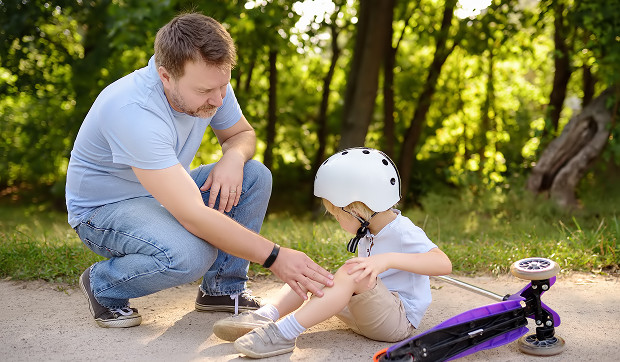
When Symptoms May Resemble a Fracture
Distinguishing a joint bruise from a crack or fracture without an examination can be difficult. Externally, such injuries can look similar, especially in the first hours after the impact.
A more serious injury is usually indicated by severe pain that prevents the child from putting weight on the arm or leg. A noticeable change in the position of the limb, as well as mobility in an area where it shouldn't be, should also be alarming.
With a bruise, movement is also painful, but usually does not completely disappear, and gently repositioning the limb is usually successful.
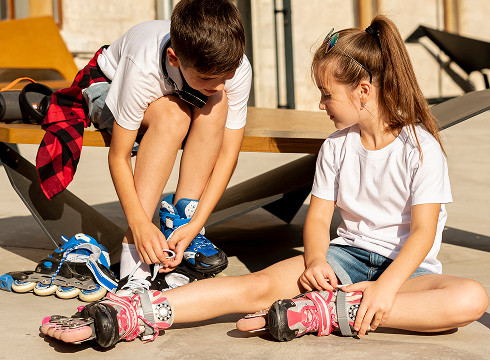
First Aid for a Joint Contusion
Proper actions in the first minutes after an incident determine the speed of recovery. Mistakes at the initial stage often lead to increased pain. It is important to act quickly.
Rest and Immobilization
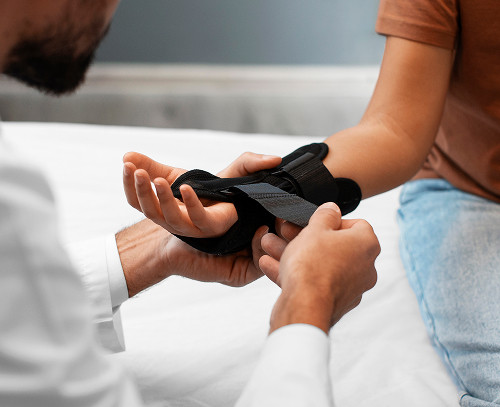
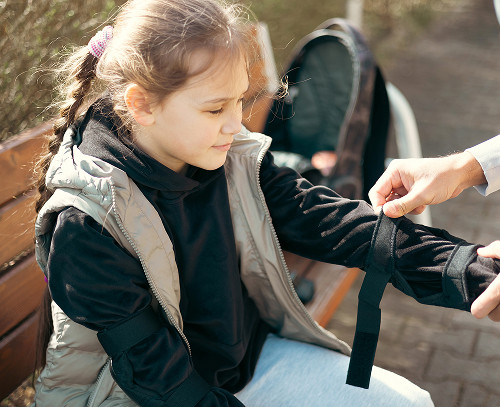
Proper first aid for a joint contusion minimizes the risk of complications. The injured limb is kept completely immobile. Using an elastic bandage helps stabilize the area without putting too much pressure on the blood vessels. It is advisable to place the limb on an elevated surface (pillow or bolster). This position promotes the outflow of lymph and venous blood, reducing the increasing pressure within the tissues.
Cold in the First Hours after an Injury
Cold application constricts blood vessels and slows the formation of a hematoma. A cold compress is applied for 10-15 minutes with breaks to prevent frostbite. Repeating the procedure within the first two hours after the incident significantly reduces the intensity of pain.
What not to do after a bruise
Applying heat or heating pads is strictly prohibited. Warming ointments should also not be used during the first 24 hours. High temperatures dilate blood vessels, increasing bleeding and causing extensive inflammation. Massage of the affected area is also contraindicated. Mechanical stress on damaged vessels can aggravate the internal hematoma.
"In most cases of a joint bruise in a child, the first few hours are crucial. During this time, rest, cold, and monitoring of symptoms are essential. If the pain intensifies or the child cannot move the limb normally, an examination cannot be postponed," says the pediatric traumatologist.
General information
How a doctor confirms a diagnosis
Accurately determining the type of injury eliminates treatment errors. The specialist must ensure the integrity of the bone structures. A proper medical diagnosis is the foundation for a successful recovery.
Examination and collection of complaints
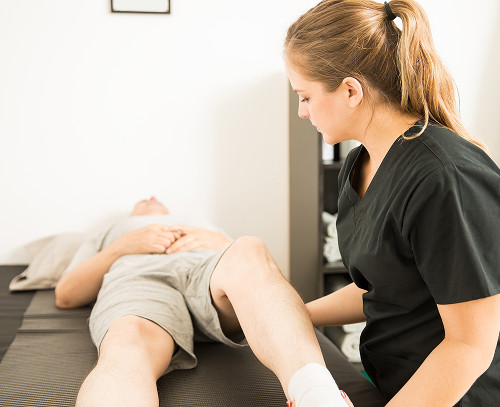
A qualified specialist begins the appointment with a visual assessment and palpation. The pediatric traumatologist carefully checks the range of motion and identifies points of maximum pain. The doctor will always ask the parents about the circumstances of the injury. This is necessary to rule out the risk of concomitant damage to internal organs or the head if a fall occurred from a height.
When are X-rays, ultrasound, or other tests needed?
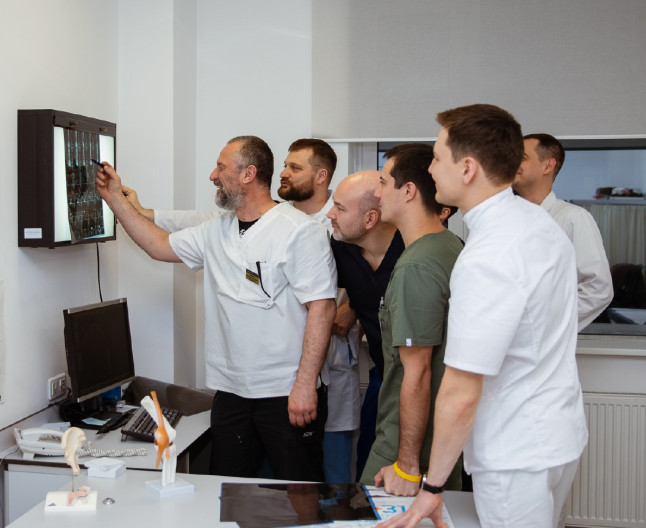
Objective diagnosis requires visualization of internal structures. X-rays are prescribed for trauma to rule out damage to the bone plates. If there is a suspicion of ligament or meniscus damage, or fluid accumulation within the joint, an ultrasound is performed.
In complex clinical cases, Moscow clinics use MRI. Diagnostics make it possible to study in detail the condition of soft tissues and cartilage.
Frequently Asked Questions
How can I tell the difference between a joint contusion and a fracture in a child?
Can I apply heat to the contusion?
How long does it take for a joint contusion to heal in a child?
When should I see a doctor after a joint contusion?
If the pain is severe, swelling increases, the child cannot move the limb, a deformity develops, or the symptoms do not subside within 24 hours, a specialist examination is necessary. Professional treatment for a joint contusion in Moscow guarantees a quick recovery.
The first few minutes after a joint contusion are especially important, as this is the time to reduce swelling without worsening the condition. For this reason, the child needs rest at first.
Next, apply cold to the contusion through a cloth to avoid irritating the skin, and elevate the limb slightly if possible.
Once first aid has been provided, it's important to determine whether movement in the joint is maintained and how painful it is. If the pain is severe, swelling becomes more noticeable, or the condition is questionable, the child should be seen by a doctor.
After an injury, much depends on how attentive parents are to their child's condition and how closely they follow the doctor's recommendations. This approach helps reduce the risk of unpleasant consequences and prevent a delayed recovery.
Caring for joints in childhood is also important in the long term, as it determines normal mobility in the future. This is why proper diagnosis is so important. It helps us understand what's happening to the joint in a timely manner and ensure that a child's joint injury doesn't affect their activity and normal development.



This award is given to clinics with the highest ratings according to user ratings, a large number of requests from this site, and in the absence of critical violations.

This award is given to clinics with the highest ratings according to user ratings. It means that the place is known, loved, and definitely worth visiting.

The ProDoctors portal collected 500 thousand reviews, compiled a rating of doctors based on them and awarded the best. We are proud that our doctors are among those awarded.
Make an appointment at a convenient time on the nearest date
Price
Other Services

Appointment to the doctor

Our clinics


Application “Personal Account K+31”










What is a joint contusion and why is it dangerous for a child?
A contusion is a closed soft tissue injury in which the skin and bones appear to be undamaged. In children, the joint area is well supplied with blood vessels and nerve endings, so even after a strong blow, the tissue reaction can be quite pronounced. This often leads to internal hemorrhage. If blood accumulates in the soft tissue or within the joint, it begins to compress the surrounding structures and interferes with normal local circulation.
The main difficulty is that a seemingly ordinary contusion can sometimes conceal more serious changes. While ligaments in children are indeed more elastic, bone growth zones remain sensitive to injury.
If left untreated, inflammation and limited mobility may develop. Therefore, prompt treatment of a joint contusion is important not only for pain relief but also for preventing synovitis, which is when excess fluid accumulates in the joint cavity, making movement difficult.