
Bruised Hand in a Child: Symptoms, First Aid, and Treatment
Children are active and not always attentive. They are more likely to bruise their hands than adults. If such an accident does occur, it's important not to panic, but to act appropriately.

specialists

equipment

treatment




How to distinguish a bruise from a fracture, dislocation, or ligament injury
| Symptom | Bruise | Fracture | Dislocation | Ligament Injury |
|---|---|---|---|---|
| Pain | Moderate, aching | Severe, sharp | Sharp, especially when trying to move the arm | Pain with movement, especially in the joint |
| Swelling | Slight or Moderate | Severe, often with deformation | Severe, with a change in the shape of the joint | Swelling around the joint, may be moderate |
| Bruising | Occurs frequently | Not always | Rarely | Sometimes |
| Movements | Preserved, but painful | Severely limited or impossible | Impossible or severely limited | Limited, Especially in the joint |
| Deformity | No | Often present | Yes | No |
| Cracking/clicking sound | No | Can be heard with injury | Often heard with injury | Sometimes instability is felt |
If the child complains of severe pain and cannot move their arm or fingers, If there is a significant deformity, be sure to take him to see a doctor. Only a doctor can accurately determine the nature of the injury and prescribe the correct treatment for a hand contusion.
"A hand contusion in a child is one of the most common injuries that parents seek medical attention for. In most cases, it resolves without sequelae, but sometimes a simple contusion can actually be a crack or fracture," notes a pediatric traumatologist.
Main Symptoms of a Hand Contusion
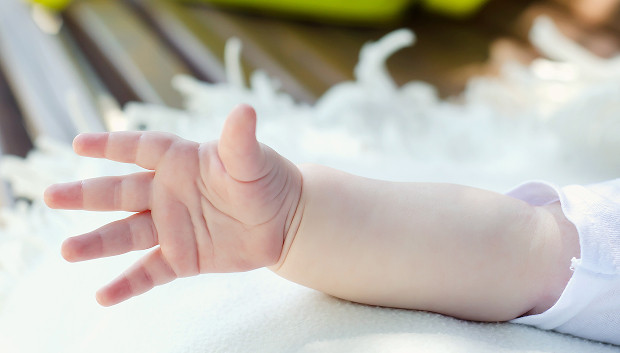
After a hand contusion, swelling and bruising usually appear at the site of impact. This is due to damage to small blood vessels, allowing some blood to seep under the skin. The skin may feel warm to the touch, and the hand itself may ache or hurt when moving or pressing. Most often, the child can move the hand, but this causes discomfort.
Severe pain usually subsides fairly quickly, but bruising and swelling can last for several days. If the hand is severely swollen, the child cannot move it, or the pain persists, this is a reason to seek medical attention.
Signs that suggest a fracture
Let's look at how to suspect a fracture in a child. If the arm looks abnormal after an injury—for example, bent at an abnormal angle or deformed—this is a serious sign that bone damage may have occurred. Severe, sharp pain and swelling, especially if the child is unable to move the arm or fingers, can also indicate a fracture. If the arm is severely swollen, a large hematoma has developed, the skin has become pale or bluish, or there is numbness or tingling in the fingers, it is important to take the child to a doctor immediately for proper treatment of the arm injury.
When to suspect a dislocation or ligament injury
A dislocation may be suspected if, after an injury, the arm appears unusual—the joint appears "out of place" or "protrudes" differently than before. Swelling is usually significant. Sometimes the arm quickly swells and becomes hot to the touch. Movement in the joint is severely limited or impossible, and pain intensifies sharply when attempting to move the arm. A clicking sound may be heard or felt at the moment of injury.
First aid for a child's bruised arm

If a child has injured their arm, it's important to provide first aid quickly and correctly. Prompt action will help prevent complications.
What to do immediately after an injury
First, calm the child and examine the injury. If there are no open wounds, apply something cold to the injured area—ice wrapped in a cloth or a special cold pack. Do not hold the cold for longer than 15–20 minutes to avoid over-chilling the skin.
Afterward, it's important to immobilize the arm: ask the child not to move the limb and keep it elevated.
What not to do: common mistakes parents make
Using heat in the first 24 hours after an injury can increase swelling and pain. During this period, it's recommended to use only cold. Attempting to immediately "exert" the arm or force the child to actively move it while experiencing pain can lead to complications. If your child complains of discomfort, avoid pushing for movement or massaging the injured area. Self-prescribing painkillers unless absolutely necessary is also not recommended. Ignoring warning signs is another common mistake. If swelling is severe, skin discoloration changes, or the child is unable to move the arm, don't assume it will resolve on its own—it's best to consult a specialist.
When is urgent medical attention needed?
Urgent care is required if, after an injury, the hand is severely swollen, turns blue, or, conversely, white, and causes severe pain when touched. A child's inability to move their fingers or hand should also be a cause for concern.
Pay special attention to wounds: if there is an open injury with persistent bleeding, or if bone fragments are visible in the wound, immediate action is required. Loss of sensation in the hand, numbness, or tingling is also cause for concern. A pediatrician will examine the child and provide parents with a clear, step-by-step plan for action after a hand injury.
General information
How a Doctor Diagnoses a Hand Contusion in Children
When visiting a doctor, it's important not only to receive first aid but also to ensure that your child's hand injury is not serious. The doctor conducts an examination to distinguish a simple bruise from a fracture, crack, or dislocation.
Examination and Collection of Complaints
First, the doctor determines how the injury occurred, then moves on to the physical examination. The doctor carefully examines the site of the hand contusion, assessing skin color, swelling, bruising, and abrasions. Particular attention is paid to the mobility of the joints and fingers: the doctor carefully checks whether the child can move the hand and whether there is any sharp pain.
When are X-rays or other tests prescribed?
Additional diagnostic tests are prescribed if, after the examination, there are still doubts about the nature of the injury. If a fracture, bone crack, or dislocation is suspected, an X-ray is essential. Is the contusion accompanied by a wound? It's important to ensure there are no foreign objects in the soft tissues. The images obtained during the examination help the doctor see the full picture of the injury and choose the appropriate treatment.


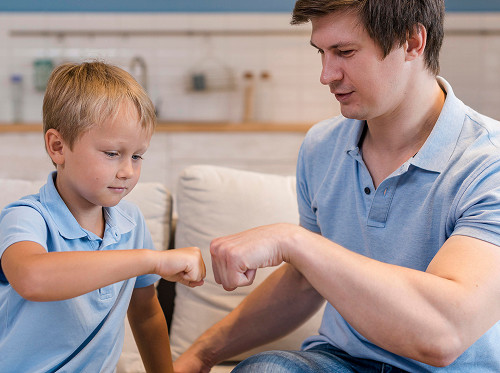
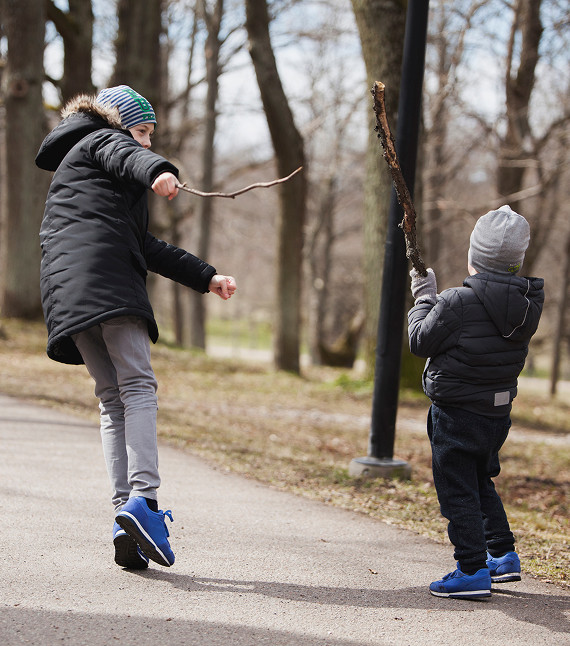
It's difficult to completely protect a child from bruises and abrasions, but it's possible to reduce the risk of serious hand injuries. Basic preventative measures:
- A safe environment. Make sure there are no sharp corners in the home that could be hit. Place safety pads on sharp furniture edges. Make sure floors are not slippery, especially in the bathroom and kitchen.
- Proper clothing. In cold weather, ensure that the sleeves of jackets and sweatshirts aren't too long and don't interfere with the child's walking or playing, so they don't trip or fall.
- Teach caution. From an early age, explain to your child why it's wrong to run with sharp objects, push themselves on slides, or jump from great heights.
- Protection during sports. If your child plays sports, rollerblades, rides a scooter, or bikes, be sure to use protective equipment: elbow pads, gloves, and a helmet. This significantly reduces the risk of not only bruises but also more serious injuries.
The key is to lead by example. If parents follow safety rules themselves, their children will adopt these good habits.
FAQ
How can you tell the difference between a severe bruise and a bone fracture?
What should you do if a child's bruise persists for a long time after a bruise?
How can you help a child regain normal psychological health after a hand injury?



This award is given to clinics with the highest ratings according to user ratings, a large number of requests from this site, and in the absence of critical violations.

This award is given to clinics with the highest ratings according to user ratings. It means that the place is known, loved, and definitely worth visiting.

The ProDoctors portal collected 500 thousand reviews, compiled a rating of doctors based on them and awarded the best. We are proud that our doctors are among those awarded.
Make an appointment at a convenient time on the nearest date
Price
Other Services

Appointment to the doctor





Our clinics


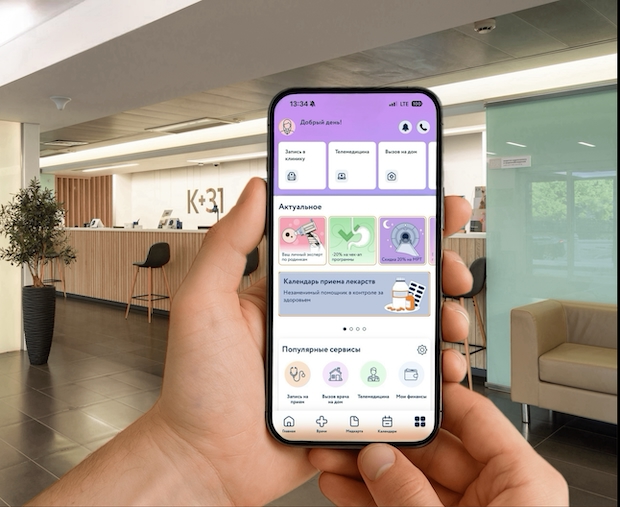
Application “Personal Account K+31”












What is a chest contusion and why does it occur in children?
A hand injury in a child occurs when a blow or fall damages soft tissues such as skin, muscles, and small blood vessels. Bruising and swelling typically appear in the affected area, and movement may cause pain. Such injuries are common in children, as they are not always careful.
Even if a hand injury seems minor, it should be treated with care. The bones and joints of children are growing, and sometimes a simple injury can disguise itself as a serious problem. This could be a fracture or ligament damage. The situation is further complicated by the fact that children often cannot express the severity of the pain they are experiencing or what is happening to their body. Prompt medical attention can help avoid complications.