Zygomatic bone fracture in children: symptoms, diagnosis, treatment, and recovery

Zygomatic bone fractures are the second most common facial bone injuries after nasal injuries. This is a very complex injury, as the zygomatic bone connects the frontal, temporal, and maxillary bones.

Treating a zygomatic bone fracture in children not only preserves the child's appearance but also ensures proper visual and dental function.

Best specialists
Best
specialists
Expert equipment
Expert
equipment
Advanced diagnostic treatment
Advanced diagnostic
treatment
Sign up
Fill out the entry form on the page and we will call you back
Sign up Позвонить
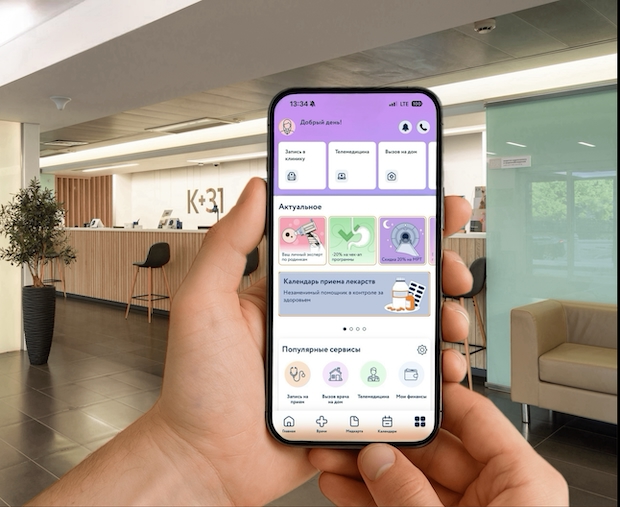
Download the application “Personal Account K+31”
Everything about your health in one click!
Subscribe to social networks K+31
To keep up to date with current offers and receive useful advice about your health.

What is a zygomatic bone fracture?

This is a fracture of the zygomatic bone or its processes. The zygomatic bone forms the lateral portion of the midface, contributing to the floor and outer wall of the orbit, as well as the zygomatic arch. A zygomatic bone fracture is rarely isolated; more often, it involves adjacent structures, creating a so-called zygomatic-orbital fracture.

Characteristics of the Child's Facial Skeleton

The child's facial skeleton is unique. It differs from the adult skeleton in its high degree of vascularization (blood supply). Children's bones heal and fuse more quickly. However, not everything is so rosy: even the slightest impact can cause cheek swelling in children.

Children's bones are more flexible. When struck, they do not break, as in adults, but rather crack (similar to the breaking of a fresh branch). Underdevelopment of the maxillary sinuses in young children makes the zygomatic region more monolithic. A blow of great force is required to fracture it.

What is the danger of injury to the zygomatic-orbital region?

The zygomatic-orbital region is a strategic area. The main danger of a fracture here is the risk of damage to the orbital contents. Displacement of fragments can cause entrapment of the inferior extraocular muscles, leading to diplopia. Furthermore, the zygomaticofacial and zygomaticotemporal nerves pass through the zygomatic bone, and just below, the infraorbital nerve. Trauma to these nerves leads to long-term sensory loss. Another danger is the formation of a bony blockade of the coronoid process of the mandible, which causes persistent limitation of mouth opening.

What is a zygomatic bone fracture?

Causes of Trauma in Children

The causes of maxillofacial injuries evolve as a child ages, moving from everyday carelessness to injuries sustained in a fight.

Falls and household blows

For younger children (under 7 years old), the main factor is poor motor coordination. Falling from a crib, high chair, or hitting an unprotected corner of furniture often causes a child's cheekbone fracture. In everyday life, injuries often occur as a direct blow, with all the energy impacting the protruding part of the cheekbone.

Sports injuries

Between the ages of 8 and 14, organized and spontaneous sports activities become more common. Maxillofacial trauma is common in hockey, martial arts, and football (elbow or ball strikes). The danger of sports injuries is that they often occur at high speeds, increasing the risk of bone fragment displacement. Even with protection, a sharp side impact can cause a zygomatic arch fracture.

Road traffic and severe impact injuries

Road accidents are the most severe category of injuries. Even with child safety seats, sudden braking or airbag deployment can cause a blow to a child's face. In these cases, a child's zygomatic bone fracture is often accompanied by a traumatic brain injury, jaw fractures, and soft tissue damage. Such combined injuries require immediate intervention by a surgical team.

Symptoms of a zygomatic bone fracture

Clinical signs can vary from subtle to pronounced, depending on the impact vector and the patient's age.

Pain, Swelling, and Hematoma

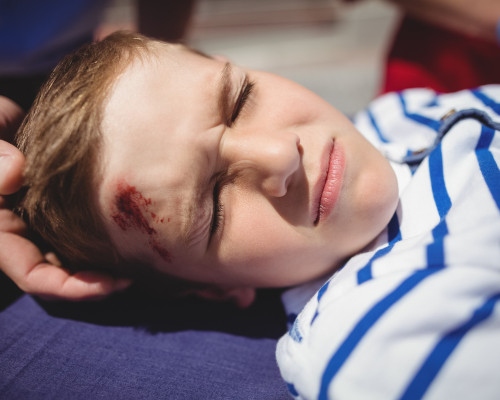
Swelling of the cheek appears immediately. It quickly spreads to the eyelids. The eye may become red, and a periorbital hematoma appears on the lower eyelid.

The child experiences pain, which intensifies when attempting to speak or change facial expressions. They may also complain of a throbbing in the cheekbone area.

Facial Asymmetry and Deformity

A characteristic symptom is a "flattening" of the cheekbone on the affected side. When looking at the child's face from above, tissue depression is noticeable. However, it is important to remember that after 1-2 hours, increasing swelling can completely obscure this symptom, creating a false appearance of well-being. Therefore, facial asymmetry should be assessed dynamically.

Limited Mouth Opening and Chewing

The displaced bone presses against the lower jaw, preventing the child from opening the mouth normally. A little later, contracture spasm of the masticatory muscles develops, preventing the child from chewing even soft foods.

The pain when chewing becomes unbearable. Any attempt to open the mouth wide is accompanied by a characteristic clicking sound or locking of the joint.

Numbness, malocclusion, and visual complaints

Damage to the infraorbital nerve causes numbness in the cheek and upper lip. This frightens the child, who no longer feels their face.

If the inferior orbital wall is affected, double vision (diplopia) and enophthalmos (sunken eye) occur.

An abnormal bite is another consequence of trauma. Because the teeth don't close properly, the upper jaw becomes deformed.
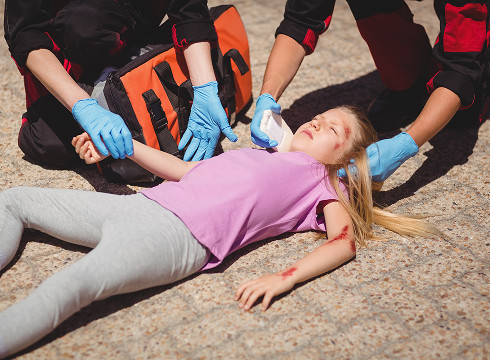
Какие признаки требуют осмотра детского ортопеда

When Urgent Help Is Needed

Parents often underestimate the severity of a blow to the face, dismissing it as a simple bruise. However, there are conditions that require immediate medical attention.

Warning signs that require more attention

Contact a doctor immediately if you notice any of the following symptoms in your child:

  • Double vision: the child sees two identical objects instead of one.
  • They have no feeling in their upper jaw.
  • The pupils are different sizes, and the eye moves poorly.
  • Bleeding from the nose or mouth.
  • Numbness in the cheek that does not go away within an hour after the blow.
  • The mouth opens less than the width of one finger.

What to do before the doctor's examination.

Place the child so that the head is elevated (this reduces blood flow and swelling). Apply a cold compress to the cheekbones. If the teeth are damaged or there is bleeding from the mouth, help them rinse with cool water.

What not to do

It is strictly forbidden:

  1. Trying to "feel" the fracture site with your fingers - this may lead to further displacement.
  2. Applying heating pads or alcohol compresses.
  3. Asking the child to clench their jaws tightly to "check their bite."
  4. Using ointments like "badyagi" or warming gels before a diagnosis is made.
  5. Allowing the child to actively blow their nose, as this can cause subcutaneous emphysema (inflation of the face with air).

General information

Fracture Diagnosis

Diagnostic work in pediatric maxillofacial surgery should be as quick and atraumatic as possible.

Specialist Examination

A pediatric traumatologist or maxillofacial surgeon begins with palpation of the "bone steps"—uneven areas along the orbital and cheekbone margins. An important step is checking visual function and the sensitivity of the trigeminal nerve innervation zones. The doctor also examines the oral cavity for the integrity of the alveolar process.

X-ray and CT scan of the facial skeleton

X-ray of the facial skeleton in axial and AP projections is a basic diagnostic method that does not reveal all fractures.

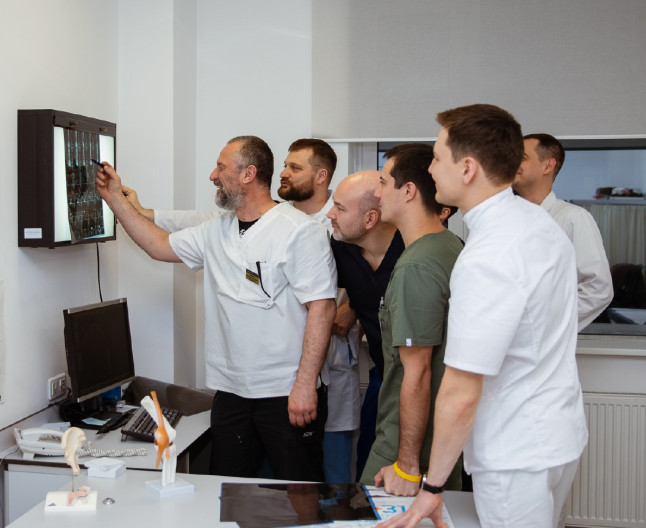
Today, doctors recommend CT scans of the facial skeleton with 3D reconstruction. Computed tomography (CT) scans allow us to visualize cracks in the thin orbital walls and assess the condition of the maxillary sinus. This is critical for deciding whether to perform surgery.

Specifics of Child Examination

Considering the patient's age, doctors try to avoid unnecessary stress. If the child is too young to lie still for 5-10 minutes, the CT scan is performed under light sedation. The feasibility of the examination is always assessed to ensure a diagnosis with minimal radiation exposure.
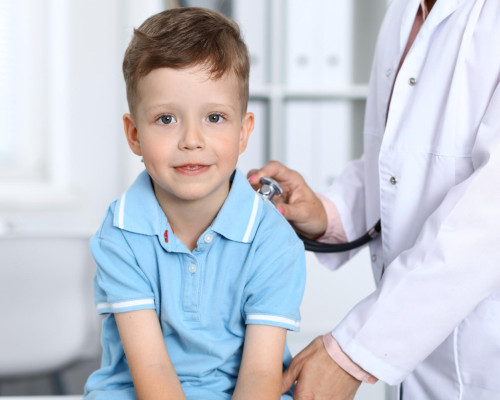
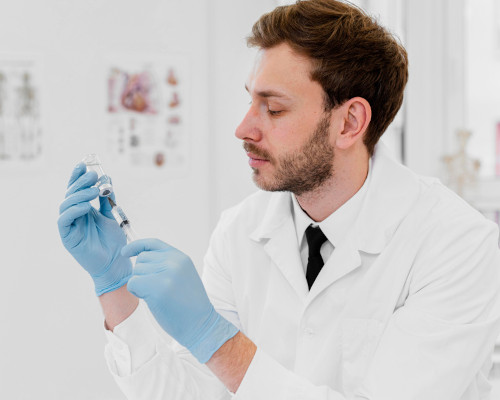
Fracture diagnosis

Treatment of Zygomatic Fractures in Children

The primary treatment paradigm is the earliest possible restoration of anatomy to prevent delayed facial bone growth.

Conservative Management for Mild Injuries

In cases where a zygomatic fracture is diagnosed without displacement or with minimal deviation (up to 1-2 mm), doctors adopt a wait-and-see approach. Treatment of zygomatic fractures in children in this case includes antibiotic therapy (if the sinus is involved), vasoconstrictor nasal drops, and complete rest. Follow-up examinations are performed at 3, 7, and 14 days.

Reposition of Fragments

If there is displacement, but the fragments are large and stable, the fragments are repositioned. Using a special Limberg hook or elevator, the surgeon "lifts" the bone through a small puncture in the skin or through the mouth and places it in the correct position. In children, bones often hold together naturally due to the good adhesion of their edges, and additional fixation is not required.

When surgery is required

For comminuted fractures or bone instability, a full surgical treatment of the zygomatic bone fracture is performed. Through incisions in the natural folds of the eyelid or inside the mouth, the surgeon exposes the bone and secures it with titanium or absorbable plates. This is necessary to restore support for the eyeball and restore the facial contours.

Tactics

When used

What is important to know

Conservative

For fractures and no displacement

A strict diet and rest are required.

Reposition

For recent fractures with displacement

Effective in the first 7-10 days after injury.

Surgical

For orbital destruction or chronic injuries.

Guarantees restoration of facial symmetry.

Pain relief and care during treatment.

All procedures in children are performed under general anesthesia. After the procedure, the child is provided with meticulous soft tissue care. Painkillers (NSAIDs in pediatric doses) and physiotherapy (UHF, magnetic therapy) are prescribed to accelerate the resorption of hematomas.

Treatment of zygomatic bone fracture in children

Recovery and Rehabilitation

The period after discharge from the hospital requires parents to strictly monitor their child's behavior.

Healing Time

Children experience intensive bone regeneration. Bone callus begins to form by the end of the first week. However, complete recovery from injury and bone remodeling takes up to six months. During this time, the cheekbone remains vulnerable to repeated impacts.

Diet, Diet, and Restrictions

The diet should be as gentle as possible. For the first two weeks, give your child broths, yogurts, and pureed soups. Then, introduce foods that do not require biting or intense chewing.

Explain to your child that sleeping on their side is not recommended now, as this can cause the bone fragments to shift again under the weight of their head. Avoid saunas, hot baths, and prolonged sun exposure.

Follow-up examinations and return to activity

The first month is the most critical. Visit your doctor every week. You can return to school after 10-14 days. However, the child is exempt from physical education classes for at least two months.

You can return to professional sports no sooner than six months later.

Recovery and rehabilitation

Possible Complications

Unfortunately, delayed treatment can lead to irreversible changes in appearance and health.

Malounion

If a zygomatic bone fracture is not reduced in time, it will heal in an abnormal position. This leads to permanent facial deformity. This can only be corrected by osteotomy—an artificial fracture of the bone, which is a very traumatic surgery.

Bite and Facial Symmetry Problems

Due to the close connection of the zygomatic bone to the upper jaw, its incorrect position causes misalignment of the teeth. This leads to problems with the temporomandibular joint, headaches, and the need for long-term orthodontic treatment. Facial asymmetry becomes especially noticeable during the period of active growth in a child during puberty.

Vision and Sensitivity Problems

Prolonged nerve compression leads to chronic neuralgia or persistent numbness. Ocular problems may include ptosis (drooping of the eyelid) or strabismus due to scarring of the orbital muscles.

Possible complications

Injury Prevention in Children

Injury prevention is a complex task for parents and coaches.

Home Safety

Use soft corners, secure heavy equipment and furniture. Ensure that children do not run on slippery floors in socks. Teach children how to fall correctly: this can protect their face from a direct hit.

Safety in Sports and on Walks

When cycling, skateboarding, or rollerblading, wearing a protective helmet with a visor or a full-face helmet (for extreme sports enthusiasts) reduces the risk of cheekbone injury by 80%. In team sports, teach your child not to expose their face to flying balls.

"Even a small fracture of the zygomatic bone can cause facial asymmetry. If your child has suffered such an injury, be sure to take them to a doctor," the pediatric traumatologist emphasizes.

Injury prevention in children

Frequently Asked Questions

Should a child undergo a CT scan if a cheekbone fracture is suspected?

Yes, a CT scan allows us to assess the nature of the injury and determine whether there is any displacement. A regular X-ray does not show minor damage to the orbital floor, which is critical for preserving vision.

Is surgery always necessary?

No. It all depends on whether the eye and jaw function are preserved.

How long does recovery take?

The recovery time depends on the severity of the injury, the child's age, and the treatment method. On average, active recovery takes 3-4 weeks, but full bone maturation takes months.

Conclusion

A zygomatic bone fracture in a child is a dangerous injury. However, X-rays and CT scans of the facial skeleton can help detect the problem early and prescribe the correct treatment.

Any maxillofacial injury should be examined by a doctor. Do not self-medicate; trust your child's health to specialists.

Our doctors

Polovnikova (Kroshkina) Valeria Alexandrovna
Experience 15 years
Make an appointment
Polovnikova (Kroshkina)
Valeria Alexandrovna
Traumatologist-orthopedist, pediatric
Lopatin Kirill Alexandrovich
Experience 16 years
Make an appointment
Lopatin
Kirill Alexandrovich
Traumatologist-orthopedist, pediatric
All specialists
2GIS Award
2GIS Award

This award is given to clinics with the highest ratings according to user ratings, a large number of requests from this site, and in the absence of critical violations.

«Good place» according to Yandex

This award is given to clinics with the highest ratings according to user ratings. It means that the place is known, loved, and definitely worth visiting.

Our doctors are laureates of the ProDoctors Award

The ProDoctors portal collected 500 thousand reviews, compiled a rating of doctors based on them and awarded the best. We are proud that our doctors are among those awarded.

Make an appointment at a convenient time on the nearest date

Price

Initial appointment with a pediatric traumatologist-orthopedist
from 8 950 ₽
Follow-up appointment with a pediatric traumatologist-orthopedist
from 7 950 ₽

Other Services

Treatment of hip sprain in a child Ankle injury in a child: treatment and recovery Calf muscle strain in children: symptoms and treatment Treatment of sprains in children: symptoms, first aid and recovery Treatment of pectoral muscle strain in children Treatment of muscle strains in children Hip sprain in children: symptoms and treatment Sprained Foot in Children: Treatment, Symptoms, First Aid, and Recovery Treatment of Achilles tendon strain in children First aid for bleeding in children: how to act quickly and safely Neck Strain in Children: Symptoms, Treatment, and Recovery Subungual hematoma in children: symptoms, first aid, and treatment in Moscow Wrist sprain in a child: symptoms, treatment, and recovery Subcutaneous hematoma in a child: symptoms, treatment, and first aid Treatment of the consequences of trauma in children Orthopedic rehabilitation for children in Moscow: recovery from injuries, surgeries, and musculoskeletal disorders Reduction of subluxations and dislocations in children Plaster cast application for a child: procedure, types of casts, and care Treatment for a child's shoulder sprain Application of an immobilization bandage to children Swelling after a bruise in a child: treatment and first aid Hip contusion in a child: symptoms, first aid, and treatment Head injury in children: treatment, symptoms, and first aid Chest contusion in a child: symptoms, first aid, and treatment Treatment of a child's hand contusion: symptoms, first aid, and recovery Knee contusion in a child: treatment, symptoms, and first aid Bruised tailbone in a child: symptoms, first aid, and treatment in Moscow Elbow bruise in a child: symptoms, first aid and treatment Bruised leg in a child: symptoms, first aid and treatment Treatment of groin strain in children Bruised nail in a child: treatment, first aid, symptoms, and recovery Back strain in children: symptoms, treatment, and recovery Soft tissue contusion in a child: symptoms, first aid, and treatment Treatment of a joint contusion in a child in Moscow: symptoms, first aid, diagnosis, and recovery Bruised nose in a child: treatment, first aid, and when to see a doctor Bruised Foot in a Child: Symptoms, First Aid, and Treatment in Moscow Bruised finger in a child: treatment, first aid, and when to see a doctor Back injury in a child: symptoms, first aid, and treatment in Moscow Bruised arm in a child: symptoms, first aid, and treatment Shoulder contusion in a child: symptoms, first aid and treatment Bruised ribs in children: symptoms, treatment, and first aid
Make an appointment

Appointment to the doctor
Fill out the form, our managers will contact you within 15 minutes
Почему К+31?
К + 31 — full-cycle multidisciplinary medical centers, including the possibility of providing medical services of European quality level.
К + 31 — are leading doctors and diagnostics using high-tech equipment from world manufacturers (Karl Storz, Olympus, Siemens, Toshiba, Bausch&Lomb, Technolas, Zeiss, Topcon).
К + 31 — is ethical. The staff of K+31 clinics maintain open relationships with patients and partners. An individual approach to each patient is the basis of our service standards.
К + 31 — is modernity. On call 24/7: call center operators will answer your questions at any time and book you an appointment with doctors. Contact us by phone, through the feedback form on the website and Max.

Our clinics

Address K+31 on Lobachevskogo

st. Lobachevskogo, 42/4

Contacts

+7 499 999-31-31

Opening hours

Mon-Fri: 08:00 – 21:00
Weekend: 09:00 – 19:00
Didn't find the service you were looking for?

Экстренная помощь