
Bruised ribs in children: symptoms, treatment, and first aid
One of the most common childhood injuries is a rib bruise. Although the bone is not broken, it still requires close attention. The chest protects vital organs—the lungs and heart—so any injury to this area should be assessed for possible internal complications.
We discuss the symptoms of rib bruises, first aid procedures, and modern rehabilitation methods.

specialists

equipment

treatment




Why do children get bruised ribs?
These injuries occur for several reasons. Here are the most common:
- Falls: from standing height, from swings, slides, bicycles, or scooters.
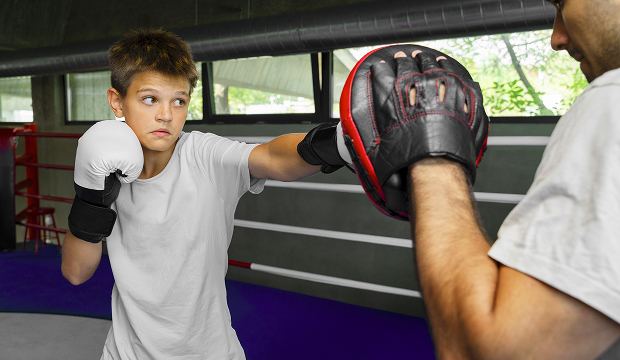
- Sports: contact martial arts, football, gymnastics, where body blows or accidental elbow/kicks from a partner are possible.
- Everyday: hitting furniture and the floor.
- Car accidents: even if a child is sitting in a car seat, they can still be injured in an accident.
Symptoms of a rib bruise
Parents need to know how to recognize injuries. Symptoms may not appear immediately. This can be due to shock.
Main Signs of Injury
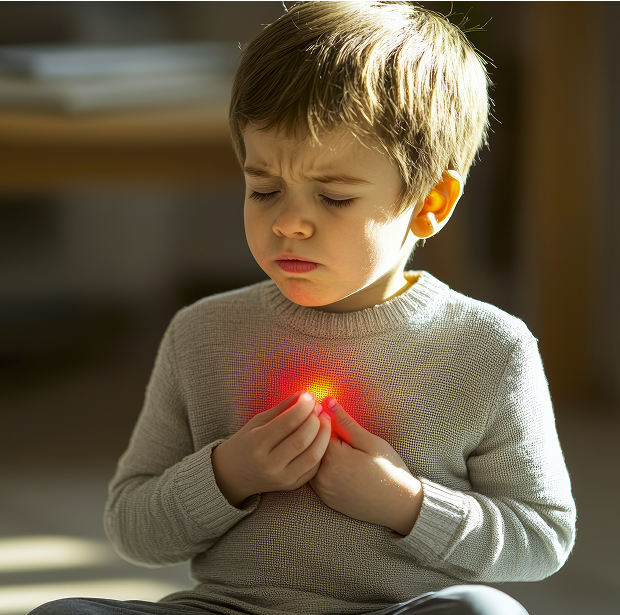
When a child sustains an injury, they usually complain of sharp, localized pain. Gradually, swelling and a hematoma (bruise) develop at the site of the injury. The skin may turn purple or bluish.
Discomfort occurs during physical activity, turning the body, and deep breathing. Pain occurs upon palpation—even a light touch to the affected rib causes the child to cry out or pull away.
How to Distinguish a Rib Bruise from a Rib Fracture
This is the main question that worries parents. It's impossible to make a definitive diagnosis on your own, but there are a number of differences that can help you get a handle on the situation before visiting a clinic.
A rib fracture is always accompanied by severe pain. Sometimes a child can't accurately describe their condition, but if it's painful to breathe and move, it's time to see a traumatologist.
When a fracture occurs, the femur becomes deformed (a dimple or protrusion appears) and a characteristic crunching sound (crepitus) is heard.

First aid for bruised ribs
Proper first aid for bruised ribs can reduce pain and limit swelling in the soft tissues.
What can be done at home
The first priority is to calm the child. Crying and screaming cause the chest to move vigorously, which increases pain.
- Ensure complete rest for the child. It's best to seat them in a semi-upright position supported by pillows—this makes breathing easier.
- Apply cold. An ice pack or cold compress wrapped in a thin towel will do. Apply cold for 10-15 minutes every half hour for the first two hours.
- Monitor the color of the skin and lips. Any bluish discoloration or noticeable pallor is a reason to call an ambulance.
- Check the breathing pattern. It should be even, without wheezing.
What not to do
Errors in providing first aid can worsen the child's condition.
- Do not tightly bandage the chest. This was previously practiced, but modern research has shown that tight bandaging limits lung excursion and can cause hypoxia or pneumonia.
- Do not apply heat to the injury site. Using heating pads, warming ointments, or saunas in the first 48–72 hours will increase swelling and inflammation. li>
- Don't give medications without consultation. Don't self-select a pain reliever, especially if the injury is recent and the diagnosis hasn't been confirmed. li>
- Don't ignore complaints. If a child says they're having trouble breathing, it's not always because they're being cranky—it could be a symptom of pneumothorax. li>
How does a doctor make a diagnosis?
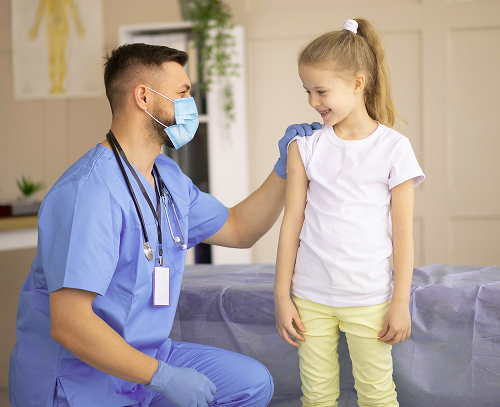
A doctor's examination is an important step. If the pain is not severe, the child can be referred to a pediatrician. However, a pediatric traumatologist is most often needed.
Examination and complaints
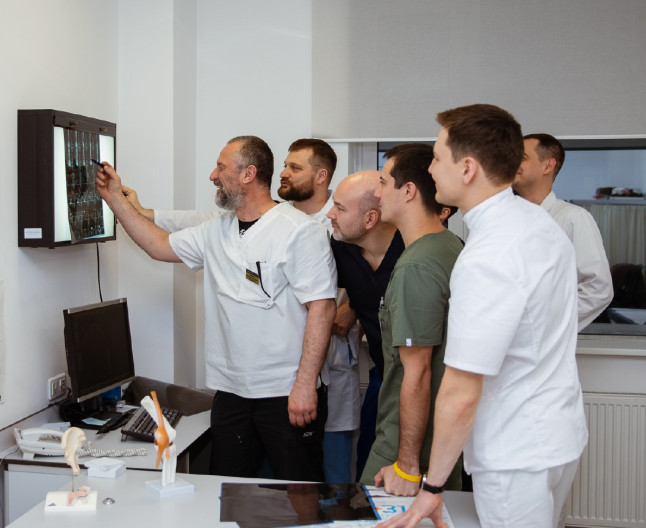
The doctor asks the parents about the circumstances of the injury: how and from what height the child fell, and whether the impact was direct. The doctor palpates the entire chest, checks for symmetry of breathing, and listens to the lungs (auscultation) to ensure there are no sounds typical of pleural injury.
When are X-rays and additional tests needed?
If during the examination the doctor detects signs of bone instability or if the pain is severe, an X-ray is ordered. This is the "gold standard" of diagnosis, allowing for a precise diagnosis of a crack or fracture. In complex cases where internal organ injury is suspected, an ultrasound of the pleural cavities or a computed tomography (CT) scan may be ordered. The doctor also evaluates general blood counts if the chest injury was accompanied by a large hematoma.
General information
Treatment of a bruised rib in a child
After the doctor has ruled out a fracture or internal organ damage, home treatment for a bruised rib in a child is prescribed. This treatment is aimed at relieving pain and preventing congestion in the lungs.
Rest and Limiting Activity
For the first 3-5 days, the child needs rest. Avoid running, jumping, physical exercise, and active play. However, this doesn't mean they should lie in bed all day. They can walk around the house and go outside.
Pain Relief and Local Cold
If the bruised rib is causing severe discomfort, the doctor will prescribe a safe pain reliever in an age-appropriate dosage (usually ibuprofen or paracetamol). Cold should be continued in short courses for the first two days to reduce swelling. Starting on the third day, if there are no contraindications, the doctor may allow the use of ointments to help dissolve hematomas.
Breathing Monitoring and Recovery
Monitor your child's breathing. The doctor may prescribe breathing exercises, such as blowing bubbles or gently inhaling through the nose and exhaling through the mouth. This helps the lungs fully expand despite the existing chest wall contusion.



- Use protective equipment when playing contact sports
- Teach your child how to fall correctly (sideways, not chest-first)
- Make the child's room safe (soft corner pads)
- Check the condition of bicycle and scooter brakes
FAQ
How can you tell the difference between a rib contusion and a fracture in a child?
What should you do in the first hours after a blow?
Is an X-ray necessary for a rib contusion?
How long does it take for a child's rib contusion to heal?
A rib contusion in a child is most often treated at home. A trip to the hospital is only necessary if a fracture or crack is suspected.
"In my practice, rib contusions in children often look like a regular bruise, but pain when inhaling or coughing is a reason to immediately seek an examination. The sooner we rule out a fracture, the safer the recovery," the pediatrician emphasizes.
A doctor's examination is an important step. Only a doctor can make a diagnosis and return the child to an active life.



This award is given to clinics with the highest ratings according to user ratings, a large number of requests from this site, and in the absence of critical violations.

This award is given to clinics with the highest ratings according to user ratings. It means that the place is known, loved, and definitely worth visiting.

The ProDoctors portal collected 500 thousand reviews, compiled a rating of doctors based on them and awarded the best. We are proud that our doctors are among those awarded.
Make an appointment at a convenient time on the nearest date
Price
Other Services

Appointment to the doctor



Our clinics


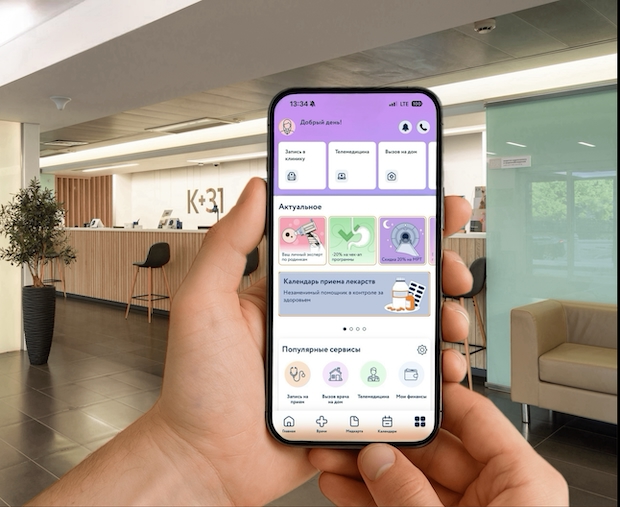
Application “Personal Account K+31”











What is a rib contusion and why is it dangerous in children?
Medically, a bruise is defined as a closed tissue injury without significant disruption of its structure. However, rib contusions in children present differently than in adults. Children's ribs are more elastic and contain more cartilage, so fractures are less common, but the force of a blow is more easily transmitted to internal organs.
The main danger is that an external bruise may conceal a pulmonary contusion or blood accumulation in the pleural cavity. Furthermore, due to severe pain, the child begins to breathe shallowly. Limited inhalation leads to impaired pulmonary ventilation, which in rare cases can trigger congestion or post-traumatic pneumonia. Therefore, treatment of rib contusions in children should include not only pain relief but also monitoring of breathing quality.