Back Strain in Children: Symptoms, Treatment, and Recovery

If your child falls or jerks suddenly while playing and then begins complaining of lower back pain, this shouldn't be ignored. It's likely a back strain.

Parents often think it will heal on its own, but without treatment, tissues take a long time to recover. This interferes with the child's normal sleep and movement. To avoid future posture problems, it's important to begin treating a back strain immediately.

Let's look at how to recognize a back strain and how to properly treat it in the first few hours.

Best specialists
Best
specialists
Expert equipment
Expert
equipment
Advanced diagnostic treatment
Advanced diagnostic
treatment
Sign up
Fill out the entry form on the page and we will call you back
Sign up Позвонить
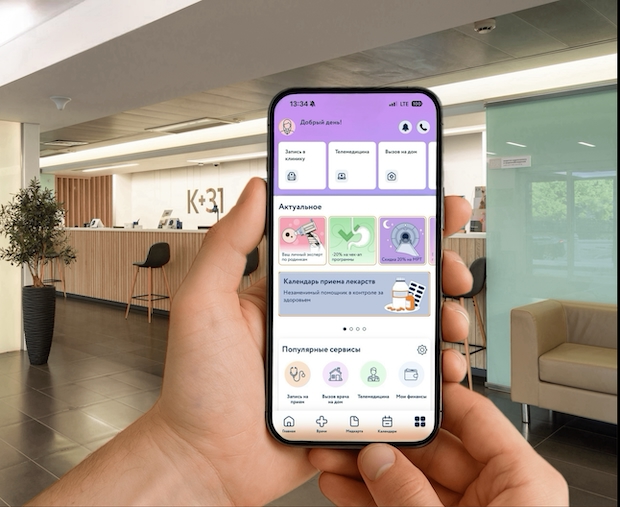
Download the application “Personal Account K+31”
Everything about your health in one click!
Subscribe to social networks K+31
To keep up to date with current offers and receive useful advice about your health.

What is a back strain in a child?

In reality, ligaments and muscles barely stretch. By the term "strain," doctors mean microscopic tears in the fibers that support the spine.

When the back experiences a strain greater than the tissues can withstand, damage occurs. These small tears trigger inflammation and back pain in children. The tissues are actually injured, not just temporarily lengthened.

How is a strain different from a bruise and muscle spasm?

A bruise affects soft tissue and skin, where a bruise is usually immediately visible. A strain, on the other hand, affects deeper layers—ligaments and muscle fibers. Muscle spasms often occur when a muscle suddenly contracts and "freezes" in one position. Spasms accompany back muscle strains, as the body attempts to immobilize the injured area.

A sprain is a structural injury, while a spasm is a response to pain.

Why it's important not to confuse an injury with a more serious injury

You can't take risks with your spine. A simple complaint of pain can sometimes mask a compression fracture, which in children can occur without any immediate symptoms.

If a child has fallen on their back or landed on it from a height, ointments alone won't help. It's important to ensure that the bones and spinal cord are intact. This requires an in-person examination. During the appointment, the doctor will check reflexes and rule out vertebral damage.

What is a back strain in a child?

Why do children get back strains?
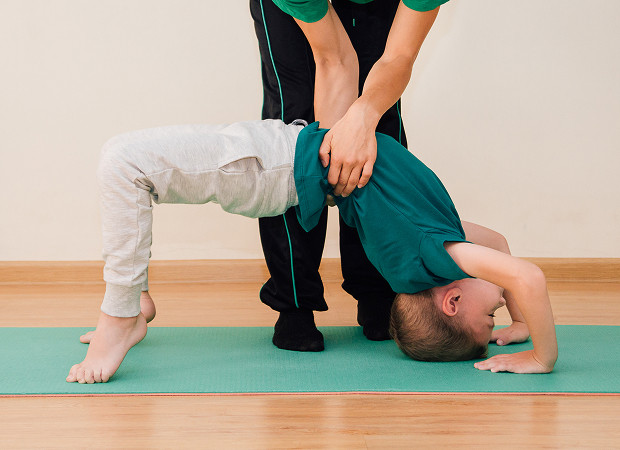
Injuries are usually caused by the fact that a child's skeleton grows faster than their muscles strengthen. This creates an imbalance, which distributes the load incorrectly.

Sports, active games, and sudden movements

Gymnastics, acrobatics, or wrestling place extreme strain on the spine and soft tissues. Injuries often occur during sudden movements:

  • Bridge
  • Tumbling
  • Jerking during a tackle

It is during these moments that back muscle strains are often recorded. In football or basketball, injuries are usually associated with collisions or sudden changes in direction, when the tissues don't have time to react to the jerk and tear.
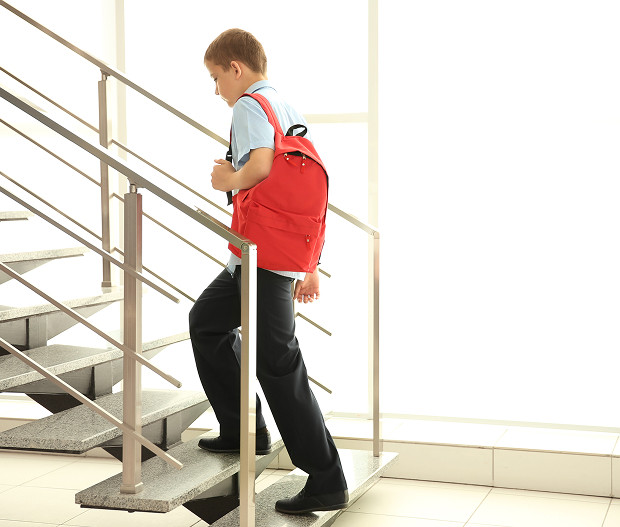
Falls, awkward turns, carrying heavy objects

Back injuries in children can occur due to minor incidents. A child might awkwardly reach for a toy, suddenly lift a heavy backpack, or trip on the stairs.

Even an awkward twist of the torso while playing with friends can cause a micro-tear. If the muscles were relaxed at the time, the risk of injury increases.

Weak core muscles and poor posture

Children who are sedentary are prone to injury. If a child spends a lot of time sitting at a computer or desk, poor posture develops.

Back muscles become weak and inelastic. In this situation, any slight strain can cause a strain on the child's back. A weak core muscle cannot hold the spine in the correct position during sudden movements.
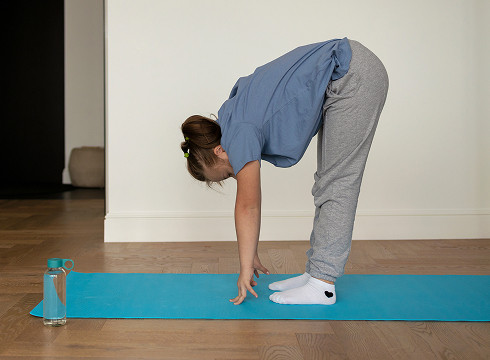
Symptoms of a Back Strain in a Child

Symptoms of a Back Strain in a Child

You can tell what's wrong by your child's behavior. Usually, symptoms of a back strain appear immediately, but sometimes the pain only intensifies the next morning when swelling sets in.

Main Signs of Injury

First, watch how your child moves. The pain usually intensifies with any activity and subsides when lying down. Your child may have difficulty bending over or straightening their back.

Swelling and bruising may appear at the site of the injury, although bruising is not always visible. The muscles may feel tight and hard—this is a sign of muscle spasm. To avoid pain, the child walks very carefully, trying not to move their body unnecessarily.

How to understand that urgent help is needed

There are situations when you can't wait. An urgent pediatric traumatologist is needed if the child is having difficulty breathing due to pain or if they complain of weakness in the legs and numbness in the fingers.

A very alarming sign is if the child has lost control of their bladder. Also, go to the hospital immediately if severe pain causes nausea, fainting, or if any new lumps or bumps are noticeable on the back itself.

When pain may indicate another problem

Sometimes back pain in a child is not related to the muscles. It can be referred, for example, due to kidney problems. If there was no injury, but the back hurts on its own and a fever develops, it is not a sprain. In such cases, you need to see a pediatrician.

General information

Diagnosis: How a Doctor Confirms a Diagnosis

The doctor must ensure that the spine is intact and that the pain is caused by soft tissue.

Examination by a Pediatric Traumatologist or Orthopedist

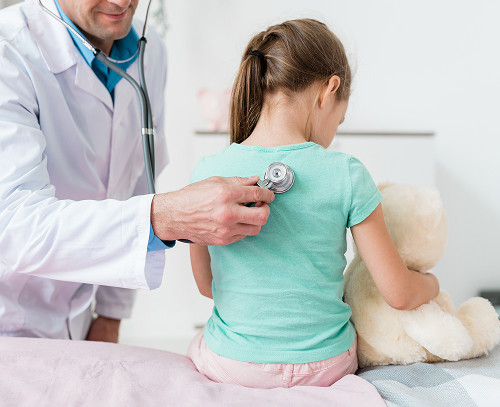
During the appointment, the pediatric traumatologist asks the child to show where the pain is and gently palpates the spine. The doctor checks the strength in the legs and knee reflexes. This is necessary to rule out pinched nerves. Often, a pediatric orthopedist makes a diagnosis after a visual examination and mobility tests.

When X-rays, MRI, or other tests are needed

If bone damage is suspected, an X-ray is prescribed. This will show cracks or displacements of the vertebrae. If the pain is severe, but the X-ray is clear, an MRI is required. The examination allows us to examine:

  • Ligaments
  • Disks
  • Nerve roots

Ultrasound is prescribed less frequently, usually to assess the condition of large muscles.
Diagnosis: How a Doctor Confirms a Diagnosis

Treatment of a Back Strain in a Child

Once the diagnosis is confirmed, the doctor will prescribe a treatment plan. Treating a back strain requires patience, as ligaments heal slowly.

The First Hours After an Injury: Emergency Care

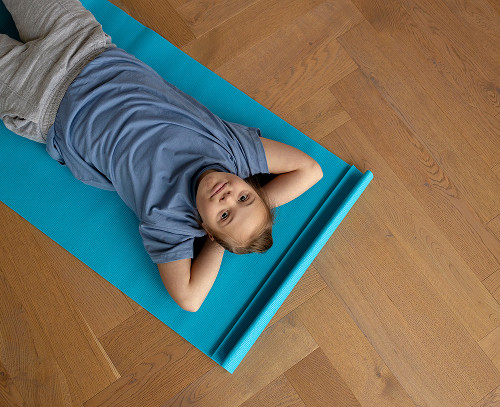
Keep your child calm and horizontal—restrict all activity. Place them on a firm mattress or a flat floor. Avoid any movement. Bending or turning is prohibited at this time.

Applying cold in the first few hours will help relieve pain and swelling. Use ice wrapped in a thick cloth. Hold the cold compress on the affected area for about 10–15 minutes. Do not allow your child to engage in any activity, even if they no longer complain. The tissues are very vulnerable after a strain. Therefore, any stress should be avoided.

What a Doctor Usually Prescribes

For pain relief, use children's gels or patches. In some cases, a doctor will prescribe medication to relieve muscle spasms. However, the primary treatment for a back strain is a regimen. During the first few days, the child should sit less and lie down more. Wearing a soft corset for support is sometimes recommended.

What not to do

Do not heat the back or rub it with alcohol immediately after the injury. Heat will increase blood flow, increasing swelling and pain. Avoid forcing the child to "work" the back.

If it hurts, the tissues haven't healed yet. Any force will cause further tears.

Treatment of a Back Strain in a Child

Recovery and Re-Injury Prevention

Once the acute pain has subsided, the rehabilitation period begins.

How to gradually reintroduce exercise

Don't immediately return to exercise. Exercise restrictions must be observed.

Short walks are allowed at first. If pain returns during movement, it means the exercise load was increased too early. The process should be smooth, without jumping or jerking.

Exercise Therapy, Routine, and Home Recommendations

The main focus of rehabilitation is on exercise therapy for the back. Exercises help strengthen muscles and restore ligament elasticity. A doctor will select a set of gentle bends and stretches that won't overload the joints.

Monitor a sleep schedule: a good orthopedic mattress is essential for proper recovery. Also, explain to your child how to safely lift heavy objects. Instead of a deep forward bend, use a squat—this is a basic rule for preventing spinal injuries.

How to Reduce the Risk of Recurrent Strain

To prevent a child from getting a back injury again, regular physical activity is essential. If the muscles are toned, they can withstand occasional jerks. It is also important to notice poor posture in a timely manner and correct it.

Sign How a sprain manifests itself Signs of a dangerous injury
Nature of pain It hurts only when cold or under stress; it is easier for the child to feel better in a comfortable position The pain is unbearable, does not go away after rest, and intensifies with any touch
Swelling The site of the injury may ache slightly and swell only in the evening or morning Severe swelling occurs, the skin becomes stretched, and a large bruise may appear Dark bruise
Mobility The child has difficulty straightening up, but can walk or stand independently Movement is almost impossible; the child freezes and is afraid to even breathe
Body contours Visually, the spine and muscles appear completely symmetrical A deformity is noticeable, a joint or bone is uneven, a dislocation or fracture is suspected
Recovery and Re-Injury Prevention

Frequently Asked Questions

Can a back strain be treated at home?

If the injury is minor, first aid can be administered at home: lay the child down, restrain them from active movement, and apply ice. However, a doctor's visit is still necessary to confirm the diagnosis. Only a specialist can determine for sure that it is simply a strain and not an underlying spinal injury.

How long does it take for a child to recover?

The recovery time largely depends on the extent of the tissue damage. If the strain is minor, the child will feel better in a couple of days. However, full recovery from an injury usually takes one to three weeks.

When can I return to sports?

You can resume exercise only after the pain has completely subsided and the doctor has cleared weight-bearing activity. A proper return to sports should be gradual. Start with simple warm-ups and only then gradually increase the intensity of your activities.

Do I need imaging for a back strain?

X-rays or MRIs are not required for every child. Typically, these tests are only prescribed if the pain is very severe or the doctor suspects something more serious than a simple strain. The pediatric orthopedist decides everything after examining the patient and checking the reflexes.

What to do if you have back pain

What to do if you have back pain

If your child is injured, follow this algorithm:

  1. Immediately stop all activity and play
  2. Place your child down and ensure complete rest
  3. Be sure to use cold during the first few hours (apply ice through a layer of cloth)
  4. Avoid massage or applying heat to the injured area
  5. If the pain persists or worsens, call a doctor
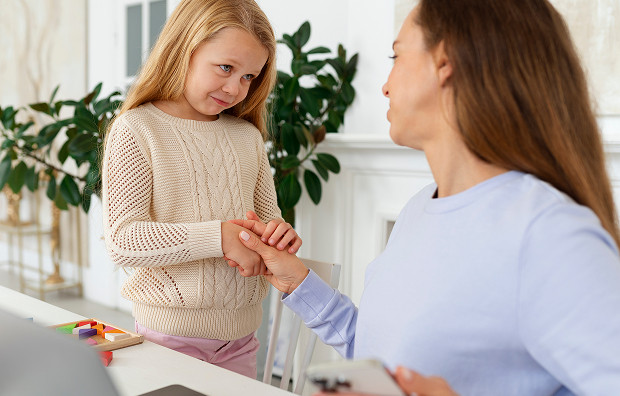
What to do if you have back pain

"Tissue strains in children heal well if the load is removed promptly. The key is not to confuse the injury with a fracture, so if the pain is severe, a consultation with a pediatric traumatologist is essential," the specialist reminds.

Any back strain in a child is not something you can simply wait out. It's important to recognize the symptoms early and immediately give the muscles a rest.

Providing timely first aid for a back injury prevents severe inflammation from developing, meaning the child will return to their normal routine more quickly.

In medicine, a ligament strain is always a microtrauma that should not be ignored. If you're unsure what to do about back pain, it's best to take your child to a doctor immediately.

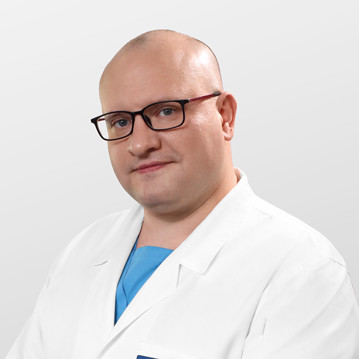
Our doctors

Polovnikova (Kroshkina) Valeria Alexandrovna
Experience 15 years
Make an appointment
Polovnikova (Kroshkina)
Valeria Alexandrovna
Traumatologist-orthopedist, pediatric
Lopatin Kirill Alexandrovich
Experience 16 years
Make an appointment
Lopatin
Kirill Alexandrovich
Traumatologist-orthopedist, pediatric
All specialists
2GIS Award
2GIS Award

This award is given to clinics with the highest ratings according to user ratings, a large number of requests from this site, and in the absence of critical violations.

«Good place» according to Yandex

This award is given to clinics with the highest ratings according to user ratings. It means that the place is known, loved, and definitely worth visiting.

Our doctors are laureates of the ProDoctors Award

The ProDoctors portal collected 500 thousand reviews, compiled a rating of doctors based on them and awarded the best. We are proud that our doctors are among those awarded.

Make an appointment at a convenient time on the nearest date

Price

Initial appointment with a pediatric traumatologist-orthopedist
from 8 950 ₽
Follow-up appointment with a pediatric traumatologist-orthopedist
from 7 950 ₽

Other Services

Treatment of hip sprain in a child Ankle injury in a child: treatment and recovery Calf muscle strain in children: symptoms and treatment Treatment of sprains in children: symptoms, first aid and recovery Treatment of pectoral muscle strain in children Treatment of muscle strains in children Hip sprain in children: symptoms and treatment Sprained Foot in Children: Treatment, Symptoms, First Aid, and Recovery Treatment of Achilles tendon strain in children First aid for bleeding in children: how to act quickly and safely Neck Strain in Children: Symptoms, Treatment, and Recovery Subungual hematoma in children: symptoms, first aid, and treatment in Moscow Wrist sprain in a child: symptoms, treatment, and recovery Subcutaneous hematoma in a child: symptoms, treatment, and first aid Treatment of the consequences of trauma in children Orthopedic rehabilitation for children in Moscow: recovery from injuries, surgeries, and musculoskeletal disorders Reduction of subluxations and dislocations in children Plaster cast application for a child: procedure, types of casts, and care Treatment for a child's shoulder sprain Application of an immobilization bandage to children Swelling after a bruise in a child: treatment and first aid Hip contusion in a child: symptoms, first aid, and treatment Head injury in children: treatment, symptoms, and first aid Chest contusion in a child: symptoms, first aid, and treatment Treatment of a child's hand contusion: symptoms, first aid, and recovery Knee contusion in a child: treatment, symptoms, and first aid Bruised tailbone in a child: symptoms, first aid, and treatment in Moscow Elbow bruise in a child: symptoms, first aid and treatment Bruised leg in a child: symptoms, first aid and treatment Treatment of groin strain in children Bruised nail in a child: treatment, first aid, symptoms, and recovery Soft tissue contusion in a child: symptoms, first aid, and treatment Treatment of a joint contusion in a child in Moscow: symptoms, first aid, diagnosis, and recovery Bruised nose in a child: treatment, first aid, and when to see a doctor Bruised Foot in a Child: Symptoms, First Aid, and Treatment in Moscow Bruised finger in a child: treatment, first aid, and when to see a doctor Back injury in a child: symptoms, first aid, and treatment in Moscow Bruised arm in a child: symptoms, first aid, and treatment Shoulder contusion in a child: symptoms, first aid and treatment Bruised ribs in children: symptoms, treatment, and first aid Zygomatic bone fracture in a child: symptoms, diagnosis, treatment and recovery
Make an appointment

Appointment to the doctor
Fill out the form, our managers will contact you within 15 minutes
Почему К+31?
К + 31 — full-cycle multidisciplinary medical centers, including the possibility of providing medical services of European quality level.
К + 31 — are leading doctors and diagnostics using high-tech equipment from world manufacturers (Karl Storz, Olympus, Siemens, Toshiba, Bausch&Lomb, Technolas, Zeiss, Topcon).
К + 31 — is ethical. The staff of K+31 clinics maintain open relationships with patients and partners. An individual approach to each patient is the basis of our service standards.
К + 31 — is modernity. On call 24/7: call center operators will answer your questions at any time and book you an appointment with doctors. Contact us by phone, through the feedback form on the website and Max.

Our clinics

Address K+31 on Lobachevskogo

st. Lobachevskogo, 42/4

Contacts

+7 499 999-31-31

Opening hours

Mon-Fri: 08:00 – 21:00
Weekend: 09:00 – 19:00
Didn't find the service you were looking for?

Экстренная помощь