Shoulder contusion in a child: symptoms, first aid and treatment

Childhood injuries are common. Active play, sports, and simple curiosity often lead to falls, collisions, and shoulder contusions. Although this injury may seem less serious to parents than a fracture, it requires careful attention, proper first aid, and monitoring of the child's condition to avoid future complications.

Best specialists
Best
specialists
Expert equipment
Expert
equipment
Advanced diagnostic treatment
Advanced diagnostic
treatment
Sign up
Fill out the entry form on the page and we will call you back
Sign up Позвонить
Download the application “Personal Account K+31”
Everything about your health in one click!
Subscribe to social networks K+31
To keep up to date with current offers and receive useful advice about your health.

What is a shoulder contusion and how is it different from other injuries?

This is a closed injury to soft tissues (skin, subcutaneous tissue, muscles) that is not accompanied by significant disruption of the integrity of bones or joint structures. The impact ruptures small blood vessels, leading to blood leakage into the tissue and the formation of a hematoma.

It is important to understand that a shoulder contusion in a child differs from other types of injuries in the depth and nature of the injury:

  • A sprain affects the ligaments or tendons near the joint, most often occurring with a sharp jerk (even when serving a ball).
  • A dislocation is a displacement of the joint, causing the arm to assume an unnatural position.
  • A fracture is a disruption of the bone's integrity, in which case a cast is applied.

Unlike these conditions, with a soft tissue contusion, the main load falls on the muscle layer and capillary network, while the joint remains stable.

What is a shoulder contusion and how is it different from other injuries?

Main symptoms: pain, swelling, bruising, limited motion

The main symptoms of a shoulder contusion are:

  1. Shoulder pain. Immediately after the impact, it is sharp, then becomes aching. The pain may intensify when attempting to raise the arm or move it behind the back.
  2. Swelling. Swelling occurs due to the accumulation of interstitial fluid and blood. The shoulder may increase in size.
  3. Bruise or hematoma. The skin color changes from bright red to bluish-purple. A hematoma may not appear immediately, but several hours after the injury.
  4. Limited motion. The child protects his arm, tries to keep it close to his body, and avoids active play.

How to distinguish a bruise from a fracture, dislocation, and strain

For a preliminary assessment, you can use the comparison method. The main differences are listed below:

Condition Main symptoms What can be done at home When to see a doctor immediately
Contusion Pain, swelling, bruising, partial movement Cold, rest, elevated position If pain is severe and you cannot raise your arm
Sprain Pain with movement, without significant deformity Rest, ice, gentle immobilization If the pain does not subside within 1-2 days
Dislocation Sharp pain, limited movement, possible deformity Immobilization, ice, do not attempt to reduce the joint on your own Urgent! Traumatologist
Fracture Severe pain, swelling, inability to move the arm, sometimes deformity Splint, ice, rest Immediately! X-ray, plaster cast

The main sign is the ability to move the fingers. With a bruise, a child can bend a fist despite the pain, but with a fracture or dislocation, they will not be able to do so due to severe pain and bone damage.
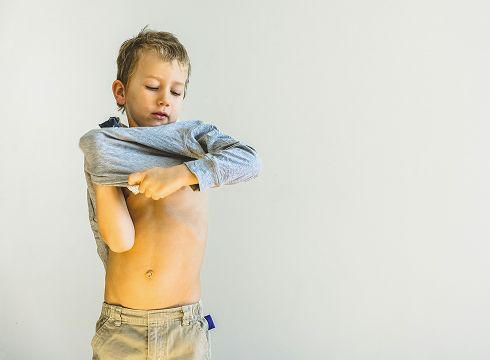
First aid for a shoulder contusion

First aid for a shoulder contusion

Proper actions in the first minutes after an injury significantly reduce the subsequent recovery time and the risk of developing large hematomas.

What to do in the first hours after an injury

First aid for a shoulder contusion should be aimed at relieving pain and stopping internal bleeding in the soft tissues. Action plan for parents:

  • Reassure the child and stop any physical activity.
  • Remove tight clothing from the shoulder to prevent it from compressing the swelling.
  • Visually inspect the area of ​​the impact for abrasions or wounds (these should be treated with an antiseptic).

How to apply cold correctly.

A cold compress is most effective in the first 24 hours. Low temperatures cause vasospasm, which slows the formation of a bruise and reduces swelling.

To speed up the recovery process:

  • Use ice, a heating pad with ice water, or a bag of frozen vegetables.
  • Be sure to wrap the cold source in a cloth (towel or blanket) to prevent frostbite.
  • Apply ice for 10-15 minutes, then take a break for 20-30 minutes.

When arm immobilization and rest are needed.

To speed up the healing of a shoulder contusion, the injured limb requires complete rest. If a child continues to actively move the arm, this can provoke repeated microbleeds. Immobilizing the arm with a sling relieves stress on the shoulder joint and muscles. Immobilization at home is usually required for 1-2 days until the acute pain subsides.

When to see a doctor for a shoulder contusion

Not every bruise requires a trip to the hospital, but it's best to be extra vigilant in children. There are certain markers that indicate a serious injury.

Worrying symptoms in a child

Parents should take their child to the emergency room if:

  • Pain doesn't subside with prescribed painkillers
  • Swelling increases and interferes with sleep
  • The hand is numb, and the fingers are tingling
  • The skin over the injured joint is hot to the touch and reddened

When an examination is important

A specialist examination is essential if the injury occurred as a result of a fall from a great height or a strong impact at high speed (for example, while riding a scooter or bicycle). In such cases, a shoulder contusion may be associated with hidden damage to the capsular-ligamentous apparatus, which is not visible to the naked eye.

When to see a doctor for a shoulder contusion

How does a doctor diagnose an injury?
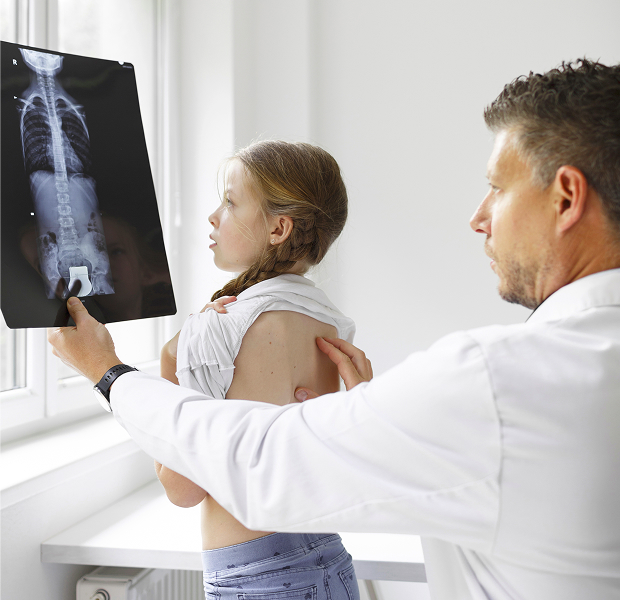
How does a doctor diagnose an injury?

A professional diagnosis begins in the doctor's office, where a traumatologist performs a clinical assessment of the injured child's condition.

Examination and collection of complaints

The doctor assesses the range of passive and active movement, checks the sensitivity of the limb, and the integrity of bony landmarks. They clarify the circumstances of the injury: how exactly the child fell, whether there was a crunching sound at the moment of impact. This helps rule out dislocation and nerve damage.

X-rays, ultrasound, and other diagnostic methods

To confirm the diagnosis of soft tissue contusion and rule out complications, instrumental examinations are prescribed:

  1. X-rays are mandatory if bone damage is suspected. It allows for the reliable differentiation of a bruise from a fracture.
  2. Ultrasound helps visualize the condition of muscles, ligaments, and the presence of blood accumulations (hematomas) within joint tissue.
  3. MRI is prescribed in complex cases when a detailed examination of cartilaginous structures is necessary.

General information

Treatment of a shoulder contusion in children

Once the doctor has ruled out fractures and dislocations, outpatient treatment for a shoulder contusion begins. It is based on the principles of conservative therapy and a gradual return to activity.

When Home Relief Is Enough

If a mild shoulder contusion is diagnosed, treatment is carried out at home. The main rules are to avoid physical activity (physical education classes, workouts) and to rest for 3-5 days.

Pain relief and topical agents

To relieve pain, give your child the medications prescribed by the doctor:

  1. Paretamol- or ibuprofen-based pain relievers in pediatric doses
  2. Starting on the second or third day, decongestant and absorbent ointments (for example, heparin-based or horse chestnut extract) can be used if there are no open wounds on the skin.

Caution. Do not increase the medication dosage on your own. If the pain still does not subside, consult your doctor again.

On the first day after the injury, avoid warming ointments or applying heat, as this will increase blood flow and enlarge the hematoma.

Recovery and rehabilitation

Once the acute pain subsides, rehabilitation begins. It includes light therapeutic exercise to restore range of motion. Recovery from a serious injury may also include physical therapy (electrophoresis, magnetic therapy), which accelerates the resorption of deep infiltrates.
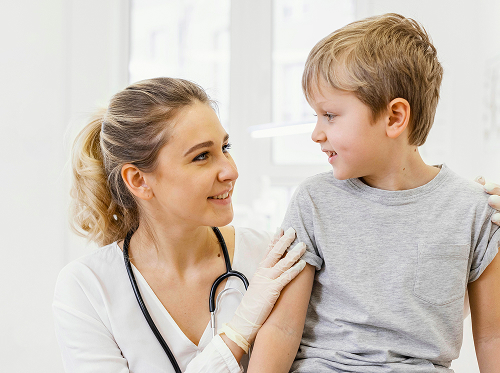
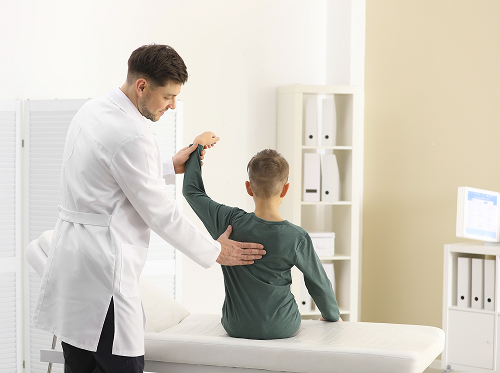
Treatment of a shoulder contusion in children

How long does it take for a shoulder bruise to heal?

The recovery time directly depends on the severity of the injury. With a mild injury, shoulder pain and discomfort disappear within 5-7 days, and the bruise will completely disappear within two weeks, changing color. However, if there was a severe blow with a large hematoma, the process can take up to 3-4 weeks. It's important to remember that even if there are no longer any external signs, the ligaments and muscles need time to fully recover.

How long does it take for a shoulder bruise to heal?

What not to do with a shoulder contusion

Not all advice from the internet can be put into practice. After an injury, avoid:

  • Warming the shoulder for the first 48 hours (no baths, compresses, or blue lights)
  • Massaging or rubbing the contusion (this can trigger ossification—the deposition of calcium salts in the muscles)
  • Moving the arm despite pain: do not force the child to lift heavy objects or swing their arm
  • Administering medications without consulting a pediatrician, especially aspirin, which thins the blood and can increase tissue bleeding.
What not to do with a shoulder contusion
Injury prevention in children

It's impossible to completely protect a child from falls, but you can minimize the risks. We recommend:

  • Use protective gear when riding a bike, scooter, or rollerblading (shoulder pads, guards)
  • Teach your child how to fall correctly (on their side, not on an outstretched arm)
  • Remove sharp corners and slippery carpets
  • Strengthen core muscles through exercise

FAQ

How can you tell the difference between a shoulder contusion and a fracture in a child?

With a contusion, the pain subsides with limited movement. A fracture hurts regardless of body position. Moreover, with a fracture, a child cannot move the arm. A doctor makes the diagnosis; one can only guess at the nature of the injury, but if the pain persists, an X-ray is necessary.

What should you do in the first few hours after a shoulder injury?

Lie your child down and ask them not to move their arm. Apply cold (ice or frozen vegetables) through a cloth for 10-15 minutes. If the pain persists, consult a traumatologist.

How long does shoulder pain last after a shoulder injury?

A mild shoulder injury may not bother a child at all (especially when they're busy with something interesting). A more severe injury resolves in 5-6 days. If the pain doesn't subside and the arm still has limited range of motion, an examination is necessary.

Should an X-ray be taken for a child's shoulder contusion?

X-rays are prescribed if a fracture or dislocation is suspected. Self-diagnosis is not recommended, especially if the child is complaining of severe pain.

"In my experience, cold and rest are the best treatments for children with a shoulder contusion. However, if the child doesn't raise their arm and the pain and swelling don't subside, they should be taken to the hospital immediately." — Traumatologist-orthopedist, 12 years of experience

This article is for informational purposes only and does not replace an in-person examination by a specialist. For any injury to a child, it is recommended to consult a doctor.


Our doctors

Polovnikova (Kroshkina) Valeria Alexandrovna
Experience 15 years
Make an appointment
Polovnikova (Kroshkina)
Valeria Alexandrovna
Traumatologist-orthopedist, pediatric
Lopatin Kirill Alexandrovich
Experience 16 years
Make an appointment
Lopatin
Kirill Alexandrovich
Traumatologist-orthopedist, pediatric
All specialists
2GIS Award
2GIS Award

This award is given to clinics with the highest ratings according to user ratings, a large number of requests from this site, and in the absence of critical violations.

«Good place» according to Yandex

This award is given to clinics with the highest ratings according to user ratings. It means that the place is known, loved, and definitely worth visiting.

Our doctors are laureates of the ProDoctors Award

The ProDoctors portal collected 500 thousand reviews, compiled a rating of doctors based on them and awarded the best. We are proud that our doctors are among those awarded.

Make an appointment at a convenient time on the nearest date

Price

Initial appointment with a pediatric traumatologist-orthopedist
from 8 950 ₽
Follow-up appointment with a pediatric traumatologist-orthopedist
from 7 950 ₽

Other Services

Treatment of hip sprain in a child Ankle injury in a child: treatment and recovery Calf muscle strain in children: symptoms and treatment Treatment of sprains in children: symptoms, first aid and recovery Treatment of pectoral muscle strain in children Treatment of muscle strains in children Hip sprain in children: symptoms and treatment Sprained Foot in Children: Treatment, Symptoms, First Aid, and Recovery Treatment of Achilles tendon strain in children First aid for bleeding in children: how to act quickly and safely Neck Strain in Children: Symptoms, Treatment, and Recovery Subungual hematoma in children: symptoms, first aid, and treatment in Moscow Wrist sprain in a child: symptoms, treatment, and recovery Subcutaneous hematoma in a child: symptoms, treatment, and first aid Treatment of the consequences of trauma in children Orthopedic rehabilitation for children in Moscow: recovery from injuries, surgeries, and musculoskeletal disorders Reduction of subluxations and dislocations in children Plaster cast application for a child: procedure, types of casts, and care Treatment for a child's shoulder sprain Soft tissue hematoma in a child: symptoms, first aid, and treatment Application of an immobilization bandage to children Swelling after a bruise in a child: treatment and first aid Hip contusion in a child: symptoms, first aid, and treatment Head injury in children: treatment, symptoms, and first aid Chest contusion in a child: symptoms, first aid, and treatment A child's post-injury hematoma: how to treat it, when to see a doctor, and what to do in the first few hours Hematoma on a child's arm: causes, symptoms, and treatment Treatment of a child's hand contusion: symptoms, first aid, and recovery Hematoma on a child's finger: first aid, treatment, and when to see a doctor Knee contusion in a child: treatment, symptoms, and first aid Bruised tailbone in a child: symptoms, first aid, and treatment in Moscow Elbow bruise in a child: symptoms, first aid and treatment Bruised leg in a child: symptoms, first aid and treatment Hematoma on a child's leg: causes, symptoms, first aid, and treatment Hematoma on a child's face: causes, first aid, and treatment in Moscow Treatment of groin strain in children Bruised nail in a child: treatment, first aid, symptoms, and recovery Hematoma on the head of a child: treatment and symptoms Eye hematoma in a child: treatment, first aid, and when to see a doctor Bruised ribs in children: treatment, symptoms, and first aid Back strain in children: symptoms, treatment, and recovery Soft tissue contusion in a child: symptoms, first aid, and treatment Treatment of a joint contusion in a child in Moscow: symptoms, first aid, diagnosis, and recovery Bruised nose in a child: treatment, first aid, and when to see a doctor Bruised Foot in a Child: Symptoms, First Aid, and Treatment in Moscow Bruised finger in a child: treatment, first aid, and when to see a doctor Back injury in a child: symptoms, first aid, and treatment in Moscow Bruised arm in a child: symptoms, first aid, and treatment Bruised ribs in children: symptoms, treatment, and first aid Treatment of fractures in children in Moscow Correcting Bowed Legs in Children: When to See an Orthopedist Knee sprains in children: symptoms, treatment, and recovery Leg fracture in a child: treatment, symptoms, and recovery Treatment after a fracture in children: how recovery and rehabilitation proceed Treatment of a closed fracture in a child: symptoms, first aid, diagnosis, treatment and recovery Treatment of a jaw fracture in a child Compression fracture of the thoracic spine in children: treatment, diagnosis and recovery Humeral neck fracture in children: treatment, symptoms, and recovery Treatment of radius fracture in children Coccyx fracture in children: symptoms, treatment, and recovery Treatment of a broken nose in a child Patella fracture: treatment in children Sacral fracture in children: symptoms, diagnosis and treatment Treatment of a broken little finger in children: symptoms and recovery Treatment of metatarsal fractures in children Zygomatic bone fracture in a child: symptoms, diagnosis, treatment and recovery Ulna fracture in children: treatment, symptoms and recovery Humeral tubercle fracture in children: treatment and recovery Conservative treatment of fractures in children: how is treatment performed without surgery? Functional method of treating fractures in children 24-hour trauma care for children: when urgent help is needed Clavicle fracture in a child Fracture of the tibial condyles in children Emergency traumatology for children: urgent care for injuries Ankle fracture in children: symptoms, treatment and recovery Treatment of spinal fractures in children Pubic bone fracture in a child Hip fracture in children: treatment, diagnosis and recovery Pelvic bone fracture in children: treatment, symptoms, and recovery Traumatic brain injury in children: treatment, symptoms, and recovery Sciatic bone fracture: treatment in children Olecranon fracture in children: treatment, symptoms, recovery Treatment of humeral fracture in children Scapula fracture in children: symptoms, diagnosis and treatment Calcaneal fracture in a child: treatment, symptoms, and recovery Broken toe in a child: symptoms, treatment and recovery Sternal fracture in children Treatment of tibia fracture in children Foot fracture in a child Cervical vertebrae fractures in children
Make an appointment

Appointment to the doctor
Fill out the form, our managers will contact you within 15 minutes
Почему К+31?
К + 31 — full-cycle multidisciplinary medical centers, including the possibility of providing medical services of European quality level.
К + 31 — are leading doctors and diagnostics using high-tech equipment from world manufacturers (Karl Storz, Olympus, Siemens, Toshiba, Bausch&Lomb, Technolas, Zeiss, Topcon).
К + 31 — is ethical. The staff of K+31 clinics maintain open relationships with patients and partners. An individual approach to each patient is the basis of our service standards.
К + 31 — is modernity. On call 24/7: call center operators will answer your questions at any time and book you an appointment with doctors. Contact us by phone, through the feedback form on the website and Max.

Our clinics

Address K+31 on Lobachevskogo

st. Lobachevskogo, 42/4

Contacts

+7 499 999-31-31

Opening hours

Mon-Fri: 08:00 – 21:00
Weekend: 09:00 – 19:00
Didn't find the service you were looking for?

Экстренная помощь