
Гематома мягких тканей у ребенка: симптомы, первая помощь и лечение
Детство неразрывно связано с высокой физической активностью, познанием мира и, как следствие, периодическими травмами. Одной из самых частых причин обращения к педиатру или детскому травматологу является гематома мягких тканей, возникающая в результате механического воздействия. Несмотря на то что в большинстве случаев подкожное кровоизлияние проходит самостоятельно, родителям важно понимать механизмы развития этой травмы, уметь вовремя распознать осложнения и оказать адекватную помощь.

специалисты

оборудование

лечения



Почему гематома появляется у детей
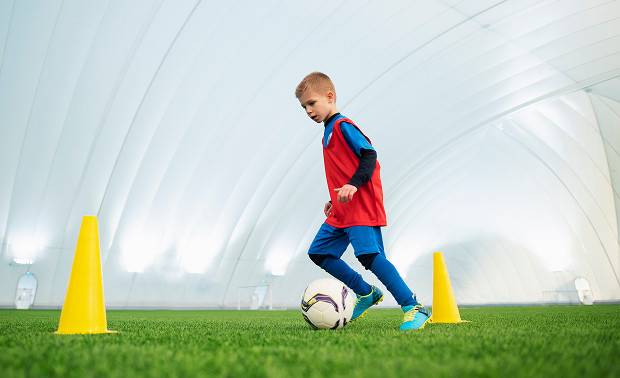
Причины возникновения гематом у детей разнообразны, но почти все они связаны с особенностями детского возраста — отсутствием чувства опасности, несовершенной координацией движений и высокой двигательной активностью.
Спортивные и бытовые травмы
Занятия спортом — футболом, единоборствами или гимнастикой — повышают риск травматизации. Синяк у ребенка может появиться в результате прямого удара мячом или спортивным инвентарем. Бытовые ситуации, такие как защемление пальца дверью или падение тяжелого предмета на ногу, также становятся частой причиной обращения в травмпункт. В этих ситуациях ушиб мягких тканей может сочетаться с повреждением связок или надкостницы.
Ушибы, падения и активные игры
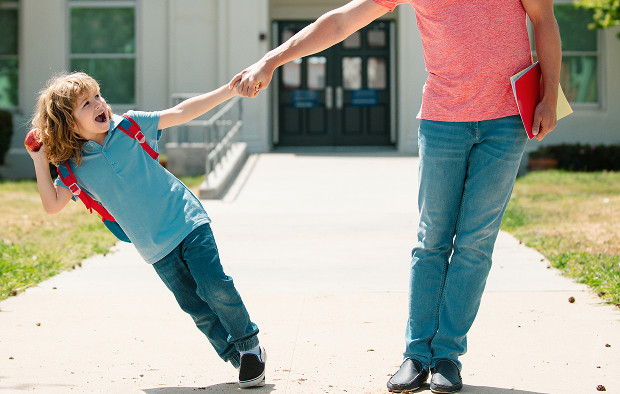
Ушиб у ребенка чаще всего появляется во время бега, лазания по деревьям или из-за столкновения с другими детьми. Падение с высоты собственного роста — еще одна причина, по которой появляется гематома после удара. Чаще всего страдают голени, локти и лоб.
Гематома после укола или процедуры
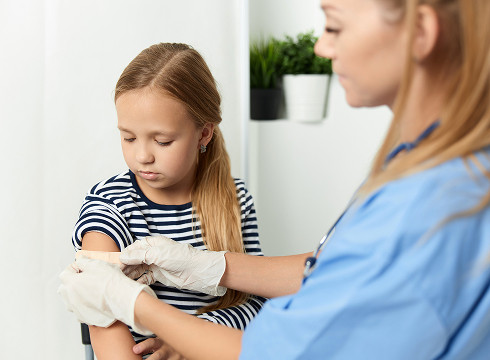
Иногда родители замечают, что появилась гематома у ребенка после забора крови из вены или внутримышечной инъекции. Это происходит, когда игла проходит сквозь сосуд или когда после извлечения иглы место прокола было недостаточно прижато. Такое повреждение сосудов обычно не требует специфического лечения и проходит в течение нескольких дней.
Как распознать гематому у ребенка
Родители должны отличать обычную ссадину от глубокого повреждения. Если самостоятельно сделать это не получается, нужен осмотр врача.
Основные признаки: боль, отек, изменение цвета кожи
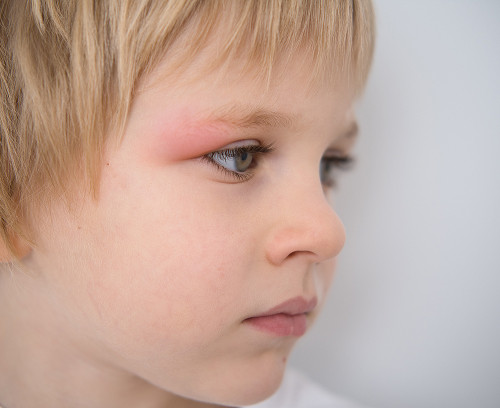
Первый симптом — боль и припухлость. Кожа в месте удара краснеет, чуть позже появляется синюшное или багровое пятно. Отек мягких тканей развивается практически сразу. Изменение цвета — это процесс распада гемоглобина: от сине-черного до зеленоватого и желтого. Кожа над поврежденным участком может быть горячей.
Чем гематома отличается от синяка и ушиба
Для многих эти понятия тождественны, однако специалисты разделяют их. Синяк (экхимоз) представляет собой пропитывание кожи кровью без формирования полости. Гематома после удара — это именно скопление крови, которое может прощупываться как флюктуирующий (зыблющийся) шарик под кожей. Ушиб у ребенка — это сам механизм травмы, следствием которого может быть как легкое покраснение, так и глубокая подкожная гематома.
Тревожные симптомы, при которых нужен врач
Родители должны внимательно следить за динамикой заживления. Существуют ситуации, когда самолечение недопустимо.
Следует немедленно обратиться за помощью, если:
- Отек продолжает увеличиваться спустя 3–4 часа после травмы
- Есть ограничение движений (ребенок не может согнуть руку или наступить на ногу)
- Боль не снимается таблетками и мазями и усиливается при малейшем прикосновении
- Кожа над гематомой стала красной и горячей
- Появились вялость, тошнота, повышение температуры тела
Общая информация
Диагностика гематомы мягких тканей
Для выбора правильной тактики, которой требует лечение гематомы мягких тканей, необходимо точно установить объем повреждения.
Осмотр и опрос родителей
Врач начинает диагностику с выяснения обстоятельств травмы: как давно это произошло, какова была сила удара и оказывалась ли первая помощь при ушибе. Во время осмотра специалист проверяет целостность костных структур, сохранность чувствительности и пульсацию сосудов ниже места повреждения.
УЗИ мягких тканей и дополнительные исследования
Если гематома у ребенка имеет большие размеры или локализуется в глубоких мышечных слоях, клинического осмотра может быть недостаточно.
- УЗИ мягких тканей: наиболее доступный и безопасный метод. Он позволяет определить точный объем излившейся крови, ее структуру (жидкая или со сгустками) и наличие связи с крупными сосудами
- Рентгенография: назначается, если есть подозрение на сопутствующий перелом или трещину кости
- МРТ: требуется в редких, сложных случаях, когда необходимо оценить состояние глубоких структур при затяжном течении болезни

Часто задаваемые вопросы
Данная статья носит информационный характер. Все травмы нужно показывать педиатру или травматологу.
Что делать при гематоме мягких тканей у ребенка в первые часы?
Когда гематома у ребенка опасна?
Сколько проходит гематома мягких тканей у детей?
Можно ли греть или массировать гематому?


Такая награда выдаётся клиникам с самым высоким рейтингом по оценкам пользователей, большим количеством обращений с данной площадки, при отсутствии критичных нарушений.

Такая награда выдается клиникам с самым высоким рейтингом по оценкам пользователей. Она означает, что место знают, любят и сюда точно нужно зайти.

Портал ПроДокторов собрал 500 тысяч отзывов, составил по ним рейтинг врачей и наградил лучших. Гордимся, что среди награжденных есть наши врачи.
Запишитесь на прием в удобное время на ближайшую дату
Стоимость
Другие услуги

Запись к врачу

Наши клиники


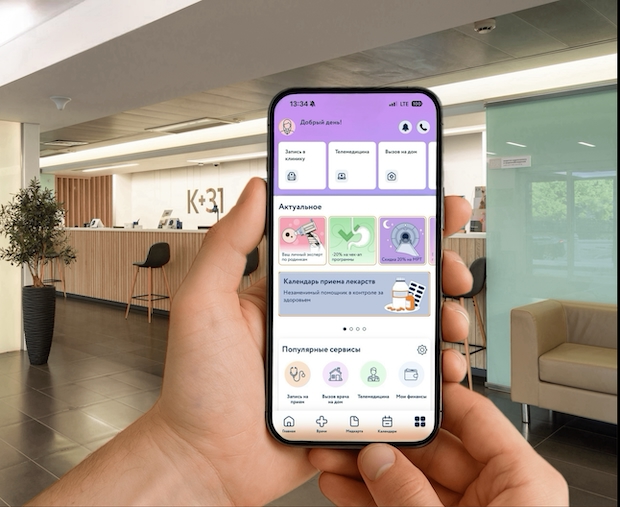
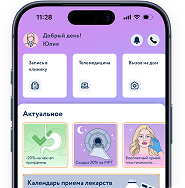
Приложение «Личный кабинет К+31»











Что такое гематома мягких тканей
В медицине под термином «гематома» понимается ограниченное скопление крови при закрытых повреждениях, сопровождающееся разрывом сосудов и образованием полости, заполненной кровью. В отличие от обычного поверхностного синяка, гематома мягких тканей затрагивает более глубокие слои: подкожно-жировую клетчатку и мышцы.
Когда происходит сильный ушиб мягких тканей, кровь из поврежденных капилляров и вен изливается в окружающее пространство. Из-за давления скопившейся жидкости возникает отек мягких тканей, который сдавливает нервные окончания, вызывая болевой синдром. У детей ткани более рыхлые, а сосудистая стенка обладает высокой проницаемостью, поэтому даже при незначительном воздействии площадь поражения может быть существенной.