Wrist Fracture Treatment in Children

Children often break their hands due to excessive activity. This is the injury that parents seek medical attention for. Running outside, playing tag, sports, and natural curiosity are all causes of falls on an outstretched hand and wrist fractures.

Best specialists
Best
specialists
Expert equipment
Expert
equipment
Advanced diagnostic treatment
Advanced diagnostic
treatment
Sign up
Fill out the entry form on the page and we will call you back
Sign up Позвонить
Download the application “Personal Account K+31”
Everything about your health in one click!
Subscribe to social networks K+31
To keep up to date with current offers and receive useful advice about your health.

What is a wrist fracture and why does it require special attention in children?

This is an injury to the lower portions of the radius and ulna. A child's wrist fracture should be treated by a traumatologist. However, before beginning treatment, the doctor must conduct a diagnosis. Errors during the first aid phase can lead to lifelong limitations in hand function.

Characteristics of a child's bone and growth plate

Falls on an outstretched hand during active play, scootering, or sports often lead to skeletal injuries. Treating a child's wrist fracture requires a special approach, as the child's body is constantly developing, and any error in treatment can impact hand function in the future.

What are the most common wrist injuries?

The growth plate is the most vulnerable area. If a child's wrist fracture affects this area, there is a risk of premature closure of the growth plate, which can lead to limb shortening or deformity.

Children are often diagnosed with "greenstick" fractures, where the bone breaks internally, but the thick periosteum holds the fragments together, preventing them from completely separating. Subperiosteal fractures or epiphysiolysis (bone displacement along the growth plate) are also common wrist injuries in children. The radius is more often affected than the ulna, as it bears the brunt of the impact during a fall.

Why you shouldn't delay a trauma examination

A fracture doesn't always result in a deformed limb. The hand may be perfectly straight, and the child may be able to move their fingers, but this doesn't mean their bones are intact.

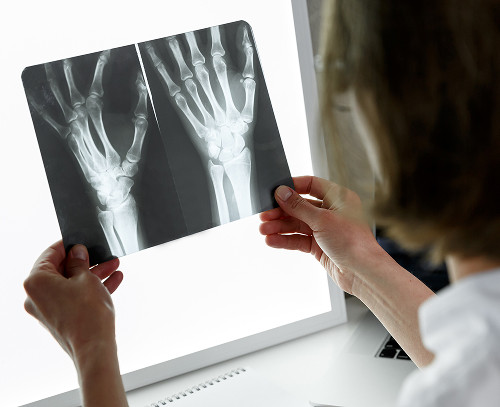
A pediatric traumatologist examines the child, orders an X-ray, and makes a diagnosis.

What is a wrist fracture and why does it require special attention in children?

Fracture Symptoms: How to Know When to See a Doctor

If the arm isn't deformed, it can be difficult for parents to determine what kind of injury their child has sustained. But there are signs to look out for.

Pain, swelling, limited motion, and deformity

The first symptom is a sharp pain that intensifies when trying to bear weight on the palm or make a fist. Rapidly increasing swelling and pain in the wrist make movement difficult. If there is deformity (the hand appears crooked or an abnormal protrusion is visible under the bone), this is a clear sign of a displaced fracture.

How to distinguish a fracture from a bruise or sprain

With a bruise, the pain subsides after a few hours, and joint mobility remains. With a fracture, lightly tapping your fist or elbow will cause the pain at the site of the injury to increase sharply.

For clarity, a comparison table of injury signs is provided:

Sign Wrist contusion Sprained ligaments Fracture
Pain Moderate, gradually subsiding Moderate or severe Severe, sharp, "throbbing"
Swelling Minor, localized Moderate Severe, rapidly increasing
Deformity Absent Absent Often visible visually
Movement Slightly limited Painful, but possible Severely limited or impossible
X-ray Does not reveal bone pathologies Shows bone integrity. Required to confirm diagnosis.

When to Seek Urgent Medical Attention

You should seek medical attention in the following situations:

  • Your fingers are numb, pale, or blue.
  • The skin over the injury is taut and shiny.
  • There is an open wound or bone fragments.

General information

Diagnosing a Wrist Fracture in a Child

To make a diagnosis, the orthopedic traumatologist assesses the condition of the soft tissues, checks the arterial pulse, and checks finger sensation.

Examination and Collection of Complaints

The doctor determines the mechanism of injury: how exactly the child fell, whether there was a crunch, and how quickly the swelling developed. It is important to inform the doctor about the child's last meal (in case anesthesia is required for reduction) and any allergies.

X-ray of the hand and wrist

To make an accurate diagnosis, an X-ray of the hand and wrist is prescribed. The image is always taken in at least two projections (AP and lateral). Only in this way can the doctor see the fracture line, the direction of displacement, and the involvement of the growth plate in the fracture process.

When additional tests may be needed

In complex cases, such as multi-fragmentary injuries or suspected damage to small wrist bones that are difficult to see on X-ray in young children (due to incomplete ossification), a computed tomography (CT) scan or MRI may be prescribed.
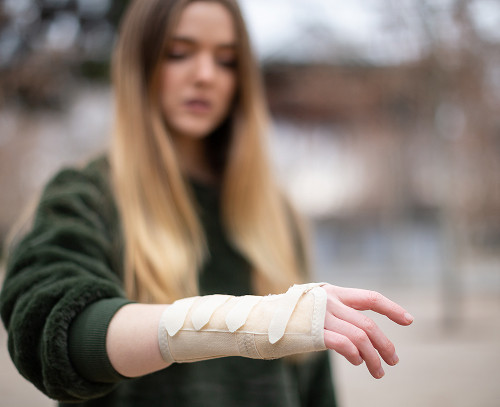
Diagnosing a Wrist Fracture in a Child

How is a wrist fracture treated in children?

The main goal of treatment is to restore bone integrity. In children, conservative methods (non-surgical) are preferred.

Immobilization: cast, splint, orthosis

The splint is not applied around the entire circumference of the arm. The doctor leaves room for possible swelling. This is necessary to avoid unnecessary pressure on the arteries and veins.

After 3-5 days, the doctor may replace the splint with a plaster cast or rigid orthosis. The use of polymeric materials (plastic cast) allows the child to feel more comfortable, as these casts are lighter and water-resistant.

Repositioning in case of bone fragment displacement

If the bones are displaced, reduction—alignment of the fragments—is necessary. Children are afraid of pain and doctors, so this procedure is usually performed under light or local anesthesia. After reduction, a control X-ray is taken to ensure the bones are correctly positioned.

When is surgery considered?

Main indications for surgery:

  • The cast does not hold the fragments in place (unstable fracture)
  • Open fracture
  • Damage to nerve trunks or major vessels

The doctor fixes the bones with Kirschner wires or special microplates.

What determines the choice of treatment strategy?

Treatment for a wrist fracture in a child is individualized. The doctor takes into account the child's age, fracture type, the presence of concomitant diseases, and the proximity of the injury to the articular surface. A different therapy is used for adolescents, since their potential for bone self-correction is lower than that of children aged 5–7 years.

How is a wrist fracture treated in children?

How long does it take for a fracture to heal and how does recovery proceed?

Children's bodies recover more quickly, so the time frame depends on their age.

Bone healing time in children

On average, a child's wrist fracture heals in 3-5 weeks. In preschoolers, a callus can form as early as the end of the second week.

However, there's a caveat: if the doctor removes the cast, this doesn't mean the hand is fully healed.

Rehabilitation: Physical therapy, gradual hand development

After the cast is removed, hand rehabilitation is necessary. The child needs to restore range of motion and muscle tone, which have weakened due to immobility.

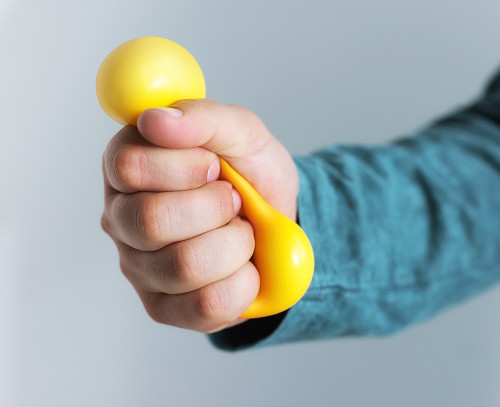
  • Physical therapy: simple exercises (squeezing a soft ball, sorting through small objects)
  • Physical therapy (magnetic therapy, electrophoresis) to improve blood flow
  • Forearm massage to relieve muscle spasms

When can I return to sports and active games?

Full restoration of mobility usually takes 1 to 2 months after the cast is removed.

It is important to remember to limit the load. The following is prohibited:

  • Hanging on a horizontal bar
  • Pull-ups and push-ups
  • Bearing weight on your palm

All of these should be avoided for approximately 3 months. You can return to sports after a follow-up examination.

How long does it take for a fracture to heal and how does recovery proceed?

Possible Complications and How to Avoid Them

If you follow your doctor's instructions, the fracture will heal quickly. However, there are always risks.

Limited Mobility and Pain After Healing

Sometimes stiffness persists after the cast is removed. To prevent this, do exercises.

If pain persists 2-3 months after treatment, it is necessary to rule out the formation of a pseudoarthrosis or post-traumatic arthrosis.

Risk of Growth Plate Problems

Epiphyseal plate damage requires long-term observation (up to 1-2 years). The traumatologist will schedule periodic follow-up examinations with X-rays to ensure the bone continues to grow symmetrically to the healthy arm.

How to Reduce the Risk of Re-Injury

A child's wrist fracture in the same location is possible until the callus has fully regenerated into mature bone.

Pay attention to the child's nutrition: provide more foods rich in calcium and vitamin D3.

"In pediatric traumatology, it is important not only to document the fracture but also to promptly rule out damage to the growth plate. Even if the pain has subsided, such an injury should not be left without an examination and X-ray."

Possible Complications and How to Avoid Them

Frequently Asked Questions

How can I tell if my child has a wrist fracture?

A wrist fracture is always a severe pain. It doesn't go away with rest and interferes with sleep. A diagnosis is made after an X-ray.

How long should I wear a splint or cast?

A splint or cast is applied for 3 to 6 weeks. Young children recover more quickly, while teenagers take longer.

Can this injury be treated at home?

A child's wrist fracture cannot be treated without a traumatologist. If the arm doesn't heal properly, the arm will have to be artificially broken.

When can I resume sports after a fracture?

Only after the cast is removed. Sports can be resumed after 3 to 4 months.

Our doctors

Polovnikova (Kroshkina) Valeria Alexandrovna
Experience 15 years
Make an appointment
Polovnikova (Kroshkina)
Valeria Alexandrovna
Traumatologist-orthopedist, pediatric
Lopatin Kirill Alexandrovich
Experience 16 years
Make an appointment
Lopatin
Kirill Alexandrovich
Traumatologist-orthopedist, pediatric
All specialists
2GIS Award
2GIS Award

This award is given to clinics with the highest ratings according to user ratings, a large number of requests from this site, and in the absence of critical violations.

«Good place» according to Yandex

This award is given to clinics with the highest ratings according to user ratings. It means that the place is known, loved, and definitely worth visiting.

Our doctors are laureates of the ProDoctors Award

The ProDoctors portal collected 500 thousand reviews, compiled a rating of doctors based on them and awarded the best. We are proud that our doctors are among those awarded.

Make an appointment at a convenient time on the nearest date

Price

Initial appointment with a pediatric traumatologist-orthopedist
from 8 950 ₽
Follow-up appointment with a pediatric traumatologist-orthopedist
from 7 950 ₽

Other Services

Treatment of hip sprain in a child Ankle injury in a child: treatment and recovery Calf muscle strain in children: symptoms and treatment Treatment of sprains in children: symptoms, first aid and recovery Treatment of pectoral muscle strain in children Treatment of muscle strains in children Hip sprain in children: symptoms and treatment Sprained Foot in Children: Treatment, Symptoms, First Aid, and Recovery Treatment of Achilles tendon strain in children First aid for bleeding in children: how to act quickly and safely Neck Strain in Children: Symptoms, Treatment, and Recovery Subungual hematoma in children: symptoms, first aid, and treatment in Moscow Wrist sprain in a child: symptoms, treatment, and recovery Subcutaneous hematoma in a child: symptoms, treatment, and first aid Treatment of the consequences of trauma in children Orthopedic rehabilitation for children in Moscow: recovery from injuries, surgeries, and musculoskeletal disorders Reduction of subluxations and dislocations in children Plaster cast application for a child: procedure, types of casts, and care Treatment for a child's shoulder sprain Soft tissue hematoma in a child: symptoms, first aid, and treatment Application of an immobilization bandage to children Swelling after a bruise in a child: treatment and first aid Hip contusion in a child: symptoms, first aid, and treatment Head injury in children: treatment, symptoms, and first aid Chest contusion in a child: symptoms, first aid, and treatment A child's post-injury hematoma: how to treat it, when to see a doctor, and what to do in the first few hours Hematoma on a child's arm: causes, symptoms, and treatment Treatment of a child's hand contusion: symptoms, first aid, and recovery Hematoma on a child's finger: first aid, treatment, and when to see a doctor Knee contusion in a child: treatment, symptoms, and first aid Bruised tailbone in a child: symptoms, first aid, and treatment in Moscow Elbow bruise in a child: symptoms, first aid and treatment Bruised leg in a child: symptoms, first aid and treatment Hematoma on a child's leg: causes, symptoms, first aid, and treatment Hematoma on a child's face: causes, first aid, and treatment in Moscow Treatment of groin strain in children Bruised nail in a child: treatment, first aid, symptoms, and recovery Hematoma on the head of a child: treatment and symptoms Eye hematoma in a child: treatment, first aid, and when to see a doctor Bruised ribs in children: treatment, symptoms, and first aid Back strain in children: symptoms, treatment, and recovery Soft tissue contusion in a child: symptoms, first aid, and treatment Treatment of a joint contusion in a child in Moscow: symptoms, first aid, diagnosis, and recovery Bruised nose in a child: treatment, first aid, and when to see a doctor Bruised Foot in a Child: Symptoms, First Aid, and Treatment in Moscow Bruised finger in a child: treatment, first aid, and when to see a doctor Back injury in a child: symptoms, first aid, and treatment in Moscow Bruised arm in a child: symptoms, first aid, and treatment Shoulder contusion in a child: symptoms, first aid and treatment Bruised ribs in children: symptoms, treatment, and first aid Treatment of fractures in children in Moscow Treatment of lumbar spine fractures in children Treatment of ankle fractures in children: symptoms, diagnosis and recovery Treatment of compression fractures in children Treatment of rib fractures in children in Moscow Ankle Sprain in Children: Symptoms, Treatment, and Recovery Correcting Bowed Legs in Children: When to See an Orthopedist Knee sprains in children: symptoms, treatment, and recovery Leg fracture in a child: treatment, symptoms, and recovery Treatment after a fracture in children: how recovery and rehabilitation proceed Treatment of a closed fracture in a child: symptoms, first aid, diagnosis, treatment and recovery Treatment of a jaw fracture in a child Compression fracture of the thoracic spine in children: treatment, diagnosis and recovery Humeral neck fracture in children: treatment, symptoms, and recovery Treatment of radius fracture in children Coccyx fracture in children: symptoms, treatment, and recovery Treatment of a broken nose in a child Patella fracture: treatment in children Sacral fracture in children: symptoms, diagnosis and treatment Treatment of a broken little finger in children: symptoms and recovery Treatment of metatarsal fractures in children Zygomatic bone fracture in a child: symptoms, diagnosis, treatment and recovery Ulna fracture in children: treatment, symptoms and recovery Humeral tubercle fracture in children: treatment and recovery Conservative treatment of fractures in children: how is treatment performed without surgery? Functional method of treating fractures in children 24-hour trauma care for children: when urgent help is needed Clavicle fracture in a child Fracture of the tibial condyles in children Emergency traumatology for children: urgent care for injuries Ankle fracture in children: symptoms, treatment and recovery Treatment of spinal fractures in children Pubic bone fracture in a child Hip fracture in children: treatment, diagnosis and recovery Pelvic bone fracture in children: treatment, symptoms, and recovery Traumatic brain injury in children: treatment, symptoms, and recovery Sciatic bone fracture: treatment in children Olecranon fracture in children: treatment, symptoms, recovery Treatment of humeral fracture in children Scapula fracture in children: symptoms, diagnosis and treatment Calcaneal fracture in a child: treatment, symptoms, and recovery Broken toe in a child: symptoms, treatment and recovery Sternal fracture in children Treatment of tibia fracture in children Foot fracture in a child Cervical vertebrae fractures in children Hip fracture in a child: treatment, symptoms, and recovery Stress fracture in children: symptoms, diagnosis and treatment
Make an appointment

Appointment to the doctor
Fill out the form, our managers will contact you within 15 minutes
Почему К+31?
К + 31 — full-cycle multidisciplinary medical centers, including the possibility of providing medical services of European quality level.
К + 31 — are leading doctors and diagnostics using high-tech equipment from world manufacturers (Karl Storz, Olympus, Siemens, Toshiba, Bausch&Lomb, Technolas, Zeiss, Topcon).
К + 31 — is ethical. The staff of K+31 clinics maintain open relationships with patients and partners. An individual approach to each patient is the basis of our service standards.
К + 31 — is modernity. On call 24/7: call center operators will answer your questions at any time and book you an appointment with doctors. Contact us by phone, through the feedback form on the website and Max.

Our clinics

Address K+31 on Lobachevskogo

st. Lobachevskogo, 42/4

Contacts

+7 499 999-31-31

Opening hours

Mon-Fri: 08:00 – 21:00
Weekend: 09:00 – 19:00
Didn't find the service you were looking for?

Экстренная помощь