
Treatment of a jaw fracture in a child
Encountering childhood injuries always causes anxiety for parents, especially if the injuries involve the face and head. Timely and competent treatment of a jaw fracture in a child is not just a matter of pain relief, but also a guarantee that the child's or adolescent's facial skeleton will develop properly in the future.
The skeletal system has its own unique characteristics during growth, so even minor injuries require the close attention of a specialist. If a child has a jaw fracture, the success of the treatment and the absence of long-term complications directly depend on the speed of treatment and the accuracy of the diagnosis.

specialists

equipment

treatment




Causes of jaw fractures in children
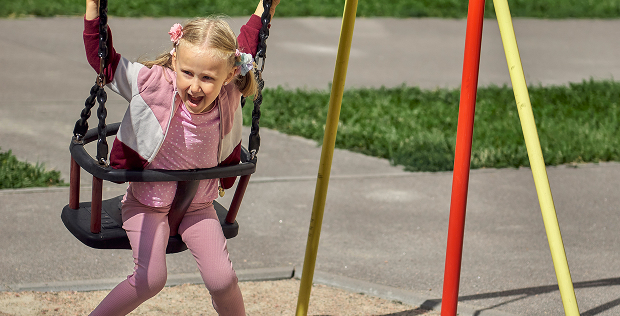
Activity and mobility are natural companions of growing up. This is why the risk of facial injury increases significantly during childhood.
Injuries most often occur from falls from standing height, bicycles, scooters, or swings. Sports training, especially contact sports and martial arts, also often result in emergency visits to the doctor. Road traffic accidents and accidental impacts with heavy objects cause the most complex combined injuries, requiring immediate intervention.
Types of jaw fractures
Classifying injuries helps the doctor quickly determine the severity of the patient's condition and choose the optimal treatment strategy. Anatomically, the maxillofacial system is divided into two major zones, each of which fractures differently.
Mandibular fracture
The mandible is mobile and protrudes forward, so it bears the brunt of impacts. The injury can be localized in the chin, angle of the jaw, or articular process.
The latter option is especially dangerous for a growing body. Professional treatment of a mandible fracture is aimed at preserving joint mobility and preventing its stiffness (ankylosis). If a mandible fracture is treated incorrectly, the patient will be unable to fully open the mouth in the future.
Upper jaw fracture
The bones of the upper jaw are immobile and firmly connected to the other bones of the skull. Such injuries are less common, but more severe, as they are often accompanied by a concussion and damage to the nasal sinuses.
Emergency treatment of a maxillary fracture requires the participation of not only a maxillofacial surgeon, but sometimes also a neurosurgeon or otolaryngologist. In some cases, treatment of a maxillary fracture is complicated by severe bleeding and breathing problems.
Displaced and non-displaced fractures
With a strong blow, the muscles reflexively contract and pull the bone fragments. This causes displacement of the fragments, which severely deforms the contours of the face and changes the occlusion of the teeth.
If the periosteum holds the bone in place, the fracture remains non-displaced—it heals faster and requires less surgical intervention. Any displacement of the fragments requires their mandatory return to their correct anatomical position (reposition).
Open and closed fractures
Depending on whether soft tissue is damaged, injuries are classified as closed or open. To help you understand the differences between the main types, we've prepared a comparison table.
| Type of injury | Main signs | What is usually required |
|---|---|---|
| Without displacement | Pain, swelling, discomfort when chewing | Observation, fixation as indicated |
| With displacement | Malocclusion, severe pain, asymmetry | More careful fixation, surgery possible |
| Open Fracture | Blood, wound, severe swelling | Urgent care, treatment, specialist treatment |
Symptoms of a jaw fracture in a child
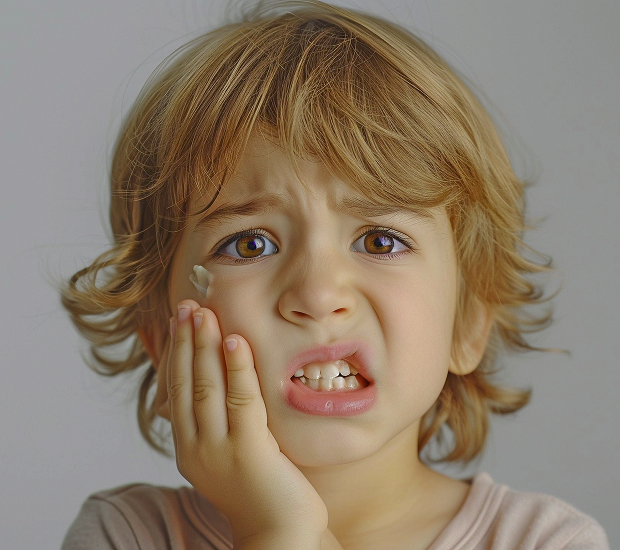
The clinical picture largely depends on the force of the impact and the exact location of the injury. Recognizing the symptoms of a jaw fracture early is the primary task for parents. Sometimes children become frightened and hide the fact of a fall, complaining only of general malaise.
Pain, swelling, hematoma
The first thing a child notices is a sharp pain that intensifies when trying to speak or swallow saliva. Within a short time, facial swelling increases, and the tissues become dense and hot to the touch.
Externally, facial swelling can distort proportions, and a large, bluish hematoma quickly forms in the area of the impact.
Bite and chewing disorders
Even if the external injuries appear minimal, pay attention to how the teeth align. Bone trauma almost always changes the bite, making the usual closure impossible or painful.
The child instinctively holds the mouth half-open, refuses to eat, and experiences severe pain when attempting to close the jaw. A malocclusion is one of the most reliable signs of a serious problem.
Tooth mobility, bleeding, crunching
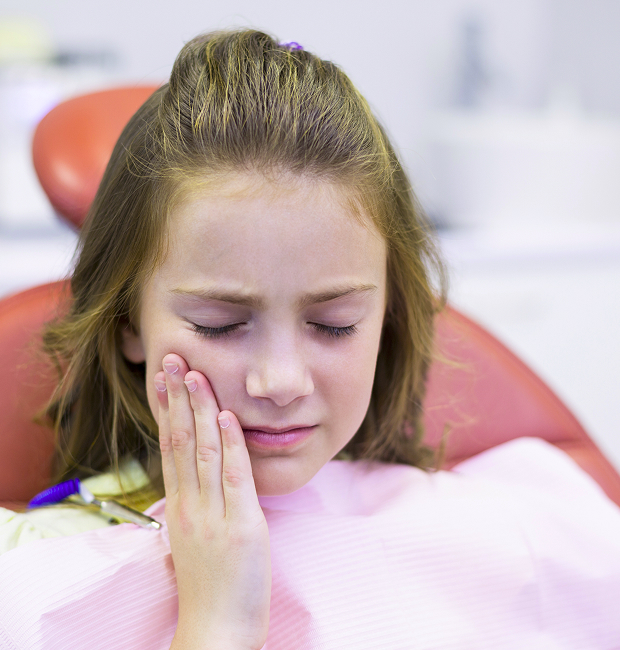
When palpating the jaw or moving it, a characteristic bone crunching sound (crepitus) may be heard. Teeth in the fractured area often become loose or even fall out. If the oral mucosa is damaged, bleeding from the gums or tooth sockets may occur.
Signs requiring urgent care
There are critical signals from the body that should never be ignored. If you notice at least one of the following signs, a jaw fracture in a child will most likely be confirmed during an examination. Urgent signs of a jaw fracture in a child:
- Severe pain
- Swelling and asymmetry of the face
- Misaligned bite
- Bleeding from the mouth or gums
- Difficulty opening the mouth
- Moveable teeth
These symptoms require immediate transport to a medical facility. Every hour lost can worsen a child's jaw fracture and trigger inflammation.
First aid for suspected fractures
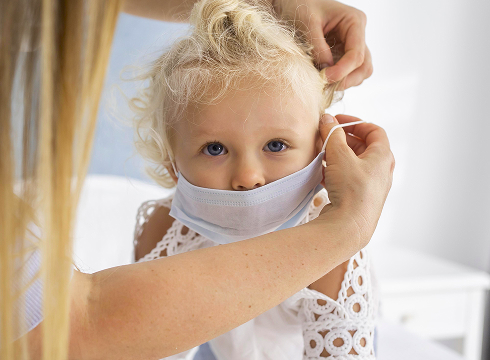
Proper actions by adults in the first minutes after an injury can significantly alleviate the victim's condition. Proper first aid for a jaw fracture minimizes pain and reduces the risk of additional bone damage during transport to the hospital.
What can be done before a doctor's examination
The main goal is to immobilize the injured area. Fold a bandage or clean cloth in several layers and create a sling, carefully tying the chin to the head. Reassure the child to prevent crying and facial tension. Applying cold to the suspected fracture site through a thick layer of tissue for 10-15 minutes can provide some pain relief and help stop internal bleeding. Prompt first aid for a jaw fracture is essential to preventing further displacement of the fragments.
What not to do
Adults can make mistakes under stress.
- Do not attempt to reset the jaw or "set" the teeth yourself.
- Do not give your child hard, hot, very cold, or crumbly foods before being examined by a doctor.
- Do not delay seeking medical attention if there is severe pain, facial asymmetry, bleeding, or difficulty opening the mouth or breathing.
- Do not use pain medication alone as a substitute for treatment: this may mask a serious injury.
If a fracture is suspected, it is important to act quickly to reduce the risk of complications.
How is a jaw fracture diagnosed?
At the clinic, the doctor follows strict protocol. Visual symptoms of a jaw fracture provide only initial information; the final verdict is made based on instrumental examinations. Diagnosis must be quick and gentle.
Examination and collection of complaints
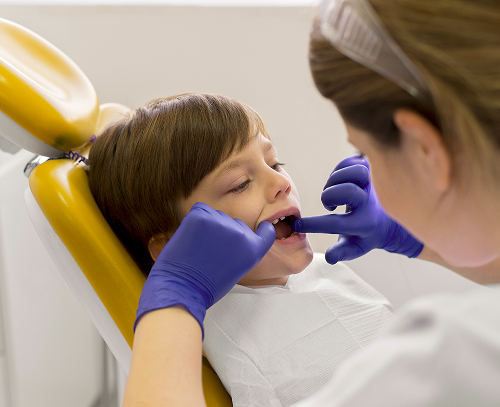
The specialist carefully palpates the facial tissues, determines the boundaries of pain, and checks for symmetry. The doctor will also ask the parents about the circumstances of the incident. This helps understand the vector of the impact and suspect hidden injuries.
X-ray and CT scan of the jaw
The gold standard for diagnosis remains an X-ray of the jaw in several projections. This image shows the fracture line, the presence of fragments, and the condition of the tooth roots. If the injury is complex or involves a joint, a CT scan of the jaw is prescribed.
Three-dimensional computer modeling allows the surgeon to visualize the layered structure of the bone and plan further actions with pinpoint accuracy.
Why is it important to evaluate the bite and teeth?
A child's jaw is a repository for future teeth. The doctor carefully examines the images to determine whether erupted baby teeth and the follicles hidden deep in the bone have been damaged.
The buds from which permanent teeth develop are very vulnerable. Damage to them can result in a permanent tooth emerging deformed or dying within the jaw.
General information
Treatment of jaw fractures in children
Treatment approaches depend on the nature of the injury. Treatment for jaw fractures is always individualized. Doctors prefer the least traumatic methods to avoid disrupting the natural physiological processes of a growing body.
Conservative treatment methods
If the bone has fractured but not displaced, a gentle approach is used. In such cases, reliable immobilization is required, that is, fixing the jaw in a motionless position while it heals.
Splinting is often used—the application of special mouth guards or smooth splints that hold the bone fragments in place. In pediatric practice, splinting is usually done using lightweight polymer materials that do not damage the enamel and gums.
Surgical treatment as indicated
When severe displacement or multiple comminuted injuries are diagnosed, conservative measures are insufficient. The surgeon performs surgery, carefully returning each fragment to its proper position and fixing them. This process is called osteosynthesis.
Miniature titanium plates or biodegradable materials that dissolve over time are used for fixation. Professional surgical treatment of a jaw fracture guarantees proper healing of the facial bones.
Jaw fixation and monitoring fragment alignment
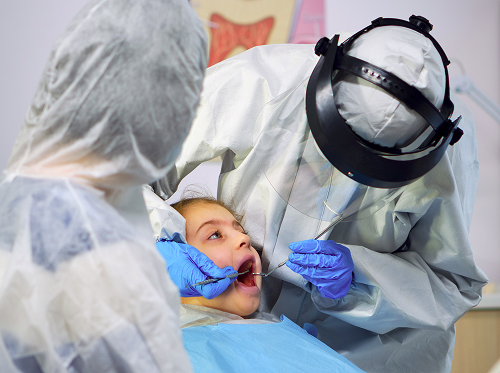
After treatment for a jaw fracture in a child has been prescribed, the doctor establishes a schedule of regular examinations. It is important to monitor whether the fragments have shifted due to the action of the chewing muscles. For this purpose, periodic follow-up X-rays are taken to assess the formation of new bone callus.
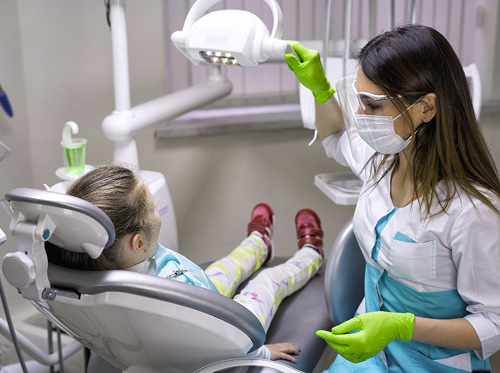


It's impossible to completely protect a child from falls, but it's possible to reduce the risk. Teach children outdoor safety rules. Helmets are required when riding bicycles, rollerblades, or scooters. When playing contact sports, wear a custom-made protective mouth guard to absorb the force of impact.
FAQ
How can you tell if a child has a jaw fracture?
How are jaw fractures treated in children?
How long does it take for a child's jaw fracture to heal?
What should you do if you suspect a jaw fracture before seeing a doctor?



This award is given to clinics with the highest ratings according to user ratings, a large number of requests from this site, and in the absence of critical violations.

This award is given to clinics with the highest ratings according to user ratings. It means that the place is known, loved, and definitely worth visiting.

The ProDoctors portal collected 500 thousand reviews, compiled a rating of doctors based on them and awarded the best. We are proud that our doctors are among those awarded.
Make an appointment at a convenient time on the nearest date
Price
Other Services

Appointment to the doctor


Our clinics


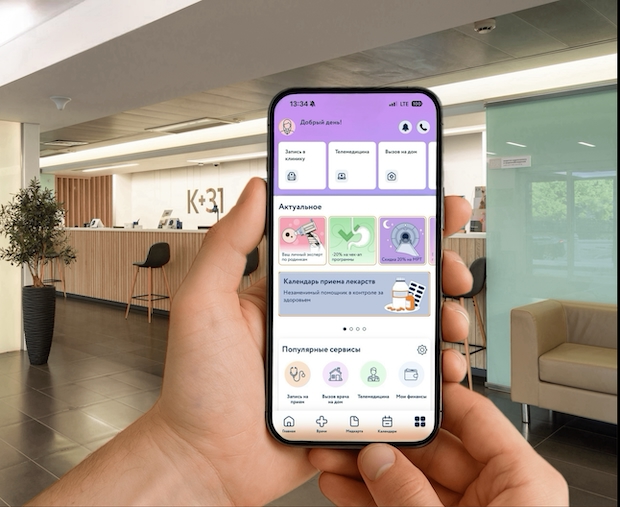
Application “Personal Account K+31”










What is a jaw fracture and why is it dangerous?
A jaw fracture is a partial or complete disruption of the integrity of the bone tissue that forms the facial skeleton. Children's bones are more elastic than adults' and covered by a thick periosteum. Because of this, injuries often occur as "greenstick" fractures, where the bone breaks but is held in place by a dense periosteum.
Any maxillofacial injury carries a hidden threat. A child's jaw contains tooth buds, and the bone itself has active growth zones. If damage to these areas occurs and is left untreated, it can lead to facial deformities, asymmetry, and serious problems with chewing function.